Mastering Tree and Hedge Planting
Unlock expert techniques for planting trees and hedges to create thriving landscapes that enhance privacy, beauty, and ecology in your outdoor space.
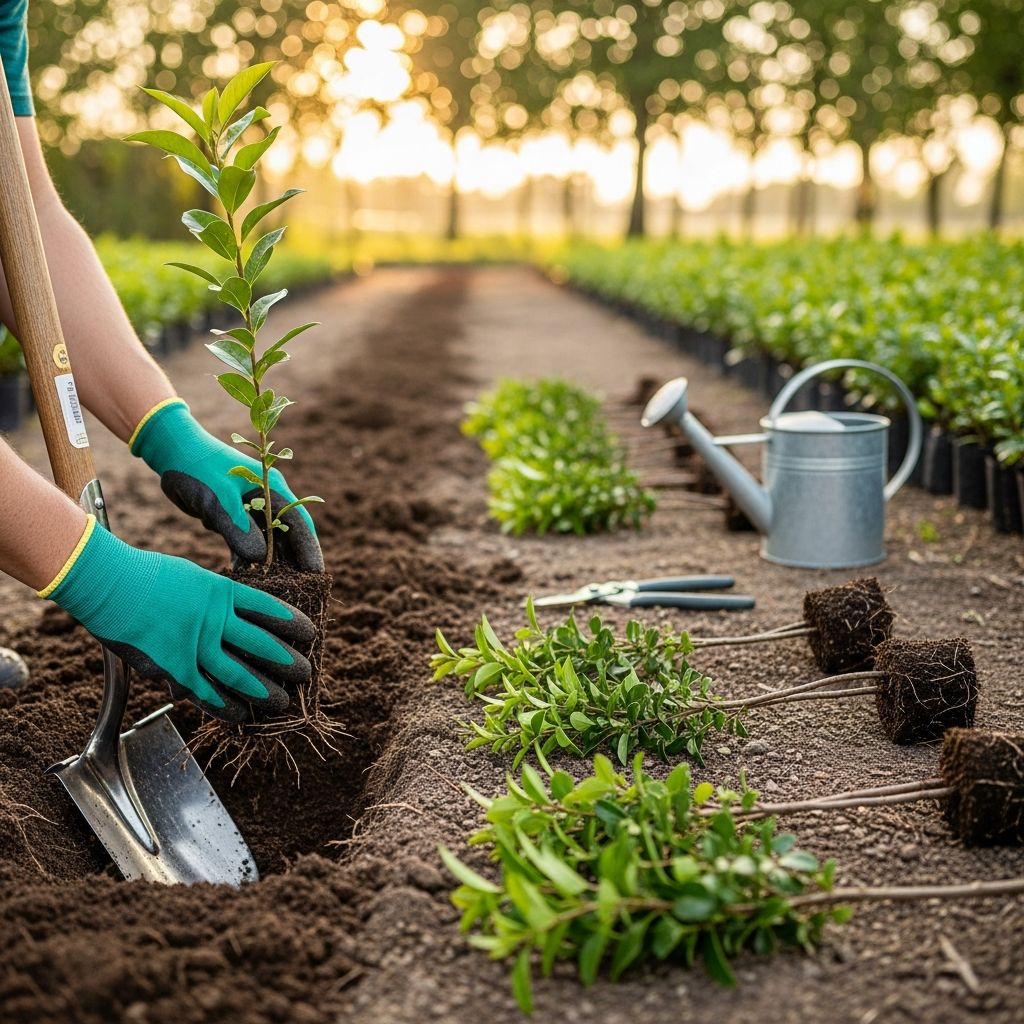
Planting trees and hedges transforms ordinary yards into vibrant, functional landscapes. These living elements provide privacy screens, windbreaks, aesthetic appeal, and vital habitats for wildlife. Success hinges on careful planning, proper techniques, and consistent aftercare, drawing from established horticultural practices.
Evaluating Your Landscape for Ideal Plant Placement
Before acquiring any plants, assess your property thoroughly. Consider soil type, sunlight exposure, drainage, and available space. Trees require room to mature without encroaching on structures or utilities; hedges demand consistent conditions along their length.
- Soil Testing: Conduct a simple test by digging a hole and observing water drainage. Poorly draining areas risk root rot, while sandy soils may need amendments for moisture retention.
- Sunlight Analysis: Track daily light patterns. Full sun suits many species, but shade-tolerant options exist for north-facing spots.
- Space Planning: Measure mature sizes. Large trees need at least 20-30 feet clearance from buildings; hedges should align with boundary lines.
Ownership and permissions are crucial. Secure landowner approval, especially for communal or rented spaces, to avoid disputes.
Selecting the Perfect Species for Your Site
Match plants to local climate, hardiness zones, and purposes. Native or adapted species thrive with minimal intervention, supporting biodiversity.
| Plant Type | Best Uses | Spacing Guidelines | Growth Rate |
|---|---|---|---|
| Evergreen Hedges (e.g., Yew, Arborvitae) | Year-round privacy | 3-4 ft apart | Moderate |
| Deciduous Trees (e.g., Maple, Oak) | Shade, fall color | 20-50 ft apart | Slow to Fast |
| Flowering Hedges (e.g., Forsythia) | Seasonal blooms | 2-3 ft apart | Fast |
Opt for disease-resistant cultivars. Consult local extension services for zone-specific recommendations.[10]
Optimal Timing for Planting Success
The dormant season minimizes transplant stress. For bare-root stock, plant from late fall to early spring when soil is workable but not frozen. Container-grown plants offer flexibility into milder periods.[10]
- Bare-Root: November to March, ensuring frost-free soil.
- Containerized: Spring or fall, avoiding extreme heat.
- Cell-Grown: September to May, weather permitting.
Early morning planting reduces wilting in cool conditions.
Preparing the Ground for Healthy Roots
Site preparation sets the foundation. Clear weeds, loosen compacted soil, and amend as needed. For hedges, cultivate a wide strip; for trees, focus on individual pits or notches.
Enhance soil with organic matter like compost, blending one-third compost to two-thirds native soil. This improves aeration, nutrients, and structure.
Step-by-Step Tree Planting Techniques
Different sizes demand varied methods. Small trees suit quick notch planting; larger ones require pits.
Notch Planting for Small Trees
- Insert spade fully into soil, one spade deep.
- Wiggle to form a slot matching root spread.
- Position tree so root collar sits at soil level.
- Firm soil around roots with heel, avoiding air pockets.
Pit Planting for Larger Specimens
- Dig hole three times wider than root ball, same depth or slightly shallower.
- Loosen sides for root penetration.
- Place plant high, with root flare above grade to prevent settling.
- Backfill, tamp gently, and water to settle.
For balled-and-burlapped trees, remove burlap and metal baskets fully.
Expert Hedge Installation Methods
Hedges form dense barriers through strategic spacing. Bare-root whips, around 60cm tall, plant best within days of delivery.
- Single Row: 30cm spacing for quick fill-in.
- Double Staggered Row: 50cm within rows, 40-45cm between for thickness.
- Rotavate 60-90cm wide strip, one spade deep, with sloping back.
- Keep roots bagged until planting.
- Create slots, spread roots, align collar at soil level.
- Firm soil, mulch 7cm thick (not touching stems), water 20-30 liters per meter if dry.
Power equipment aids long runs, but alleviate compaction.
Essential Mulching and Watering Practices
Mulch conserves moisture, suppresses weeds, and moderates temperature. Apply 2-3 inches, starting 2 inches from trunks, extending to drip line.
Water deeply post-planting: 5+ liters for trees, saturating root zones. Repeat next day and monitor for years, especially summers.
Support Systems and Initial Protection
Stake taller trees loosely to permit natural anchoring. Use guy wires or single stakes, checking periodically.
Protect from deer, rabbits with guards. Clear 1m weed-free zone around bases.
Ongoing Maintenance for Thriving Growth
New plantings need vigilant care. Water weekly first year, less thereafter. Prune hedges annually to shape, avoiding old wood on some species.
- Monitor for pests, diseases.
- Fertilize sparingly with balanced products.
- Expect 2-3 years for hedges to densify.
Frequently Asked Questions
What if my soil drains poorly?
Plant on mounds or ridges to elevate roots above water table.
Can I plant in summer?
Possible with container plants and extra watering, but riskier.[10]
How deep should I plant?
Root collar at or above soil line to avoid rot.
What’s the best mulch?
Shredded leaves or bark fines for moisture retention.
When to prune new hedges?
After first season, lightly to encourage bushiness.
Common Pitfalls to Avoid
Steer clear of planting too deep, overwatering, or mulch volcanoes against trunks. These lead to girdling roots or decay.
Overcrowding stunts growth; always respect mature dimensions.
References
- Tree and hedge planting: a step-by-step guide — The Tree Council. 2022-12. https://treecouncil.org.uk/wp-content/uploads/2022/12/The-Tree-Council-Planting-Guidance.pdf
- Growing Hedges 101: A Gardener’s Guide to Lush, Living Fences — Dennis7Dees. N/A. https://dennis7dees.com/hedges/
- The Essential Guide to Growing Hedges — Fine Gardening. N/A. https://www.finegardening.com/article/the-essential-guide-to-growing-hedges
- How to Plant A Tree the Right Way – 7 Steps — Growing A Greener World. N/A. https://www.growingagreenerworld.com/how-to-plant-a-tree/
- Helpful Guidelines for Planting a Tree — CCGHT. 2012-11. https://ccght.org/wp-content/uploads/2012/11/Helpful-guidelines-for-planting-a-tree.pdf
- Selecting, Siting and Planting Trees and Shrubs — New York Botanical Garden. N/A. https://libguides.nybg.org/selectingsitingandplanting
Similar Articles







Read full bio of medha deb