Mastering Varnish Application Techniques
Expert strategies for achieving flawless varnish finishes on any surface.
Applying varnish is a fundamental skill in woodworking, furniture refinishing, and protective coating projects. Whether you’re protecting a freshly stained wood surface or adding a glossy finish to an acrylic painting, understanding the nuances of varnish application separates amateur results from professional-quality finishes. This guide explores the most effective methods for achieving smooth, even, durable varnish coatings that enhance and protect your work.
Understanding Your Varnish Application Options
The foundation of successful varnish application begins with selecting the right delivery method for your specific project. Two primary approaches dominate the finishing landscape: traditional brush application and modern spray techniques. Each method offers distinct advantages and requires different skill sets to master.
The choice between brush and spray application depends primarily on your surface texture and the nature of your project. Smooth, non-textured surfaces benefit significantly from brush application, as this method provides greater control and typically results in fewer complications. However, highly textured or impasto surfaces present challenges for traditional brushing, as varnish can pool in recessed areas and create an uneven appearance. In such cases, spray application delivers superior results by providing consistent coverage regardless of surface irregularities.
Preparing Your Surface for Optimal Results
Surface preparation represents the most critical phase of any varnish project, yet it’s frequently overlooked or rushed. A properly prepared surface ensures that varnish adheres correctly, cures evenly, and produces the desired aesthetic finish.
Begin your preparation process with thorough sanding. Start with coarser grit sandpaper—typically 120 to 150 grit—to remove any irregularities, old finishes, or rough spots. Progressively work your way through medium-grit papers before finishing with fine-grit sandpaper between 180 and 220 grit. This graduated approach creates a smooth, uniform substrate that varnish will bond to effectively. The final sanding step is crucial; it removes surface imperfections while also providing adequate tooth for the varnish to grip.
After sanding, eliminate all dust and debris using a vacuum cleaner or, preferably, a tack cloth. Dust particles left on the surface will become trapped in the varnish coating, creating a rough, unappealing finish. Ensure the surface is completely dry before proceeding—moisture trapped beneath the varnish can cause adhesion problems, cloudiness, or premature peeling.
Essential Tools and Materials
Selecting appropriate tools dramatically influences the quality of your final result. The brush you choose matters considerably more than many DIY enthusiasts realize.
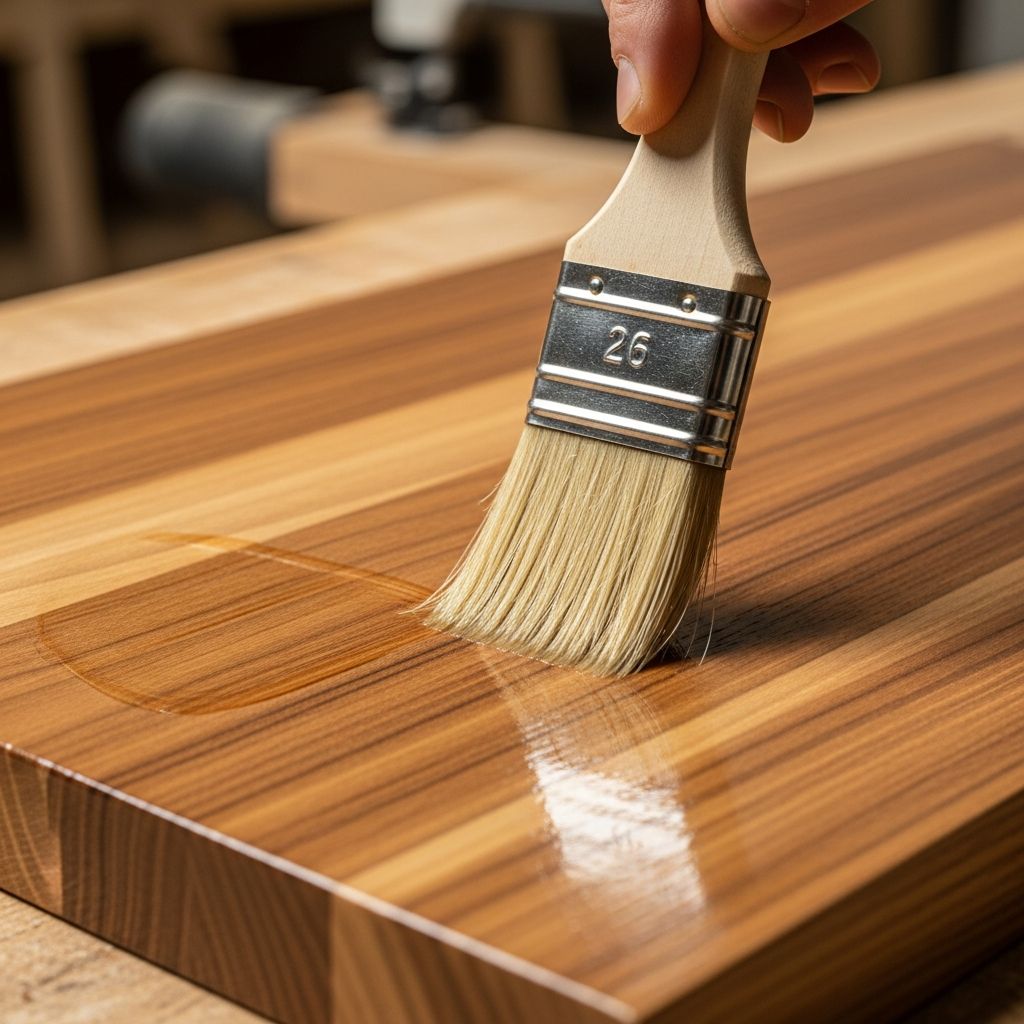
- Brush Selection: A 2-inch flat nylon brush works exceptionally well for most varnish applications. This width provides sufficient coverage while maintaining enough control for smooth, even strokes. Avoid decorators’ brushes or cheap synthetic bristles, as these typically leave visible brush marks that compromise the finished appearance. Quality varnish brushes should feel smooth to the touch, allowing you to glide the tool across your surface without excessive texture.
- Application Containers: Use a shallow, clean dish or container to hold your varnish during application. Pouring from the original can makes it difficult to control the amount of varnish on your brush, leading to over-application and runs.
- Work Surface Protection: Lay your project on a protective surface such as MDF board or newspaper to catch inevitable drips and overspray. This protects your work area while preventing damage to your flooring or surrounding surfaces.
- Cleaning Materials: Keep lint-free cloths, mineral spirits, and clean rags readily available. These materials ensure surface cleanliness before application and facilitate cleanup between coats.
Master Brush Application Techniques
Brush application remains the most accessible and popular method for most DIY projects. Success requires understanding proper technique, which differs significantly from standard painting methods.
Before beginning, prepare your varnish appropriately. If your varnish comes in a paint-style can, stir it thoroughly with a wooden stick or mixing rod. For aerosol-style pop-top cans, shake vigorously for approximately ten seconds before use. Pour a manageable quantity into your shallow container to maintain control over brush loading throughout the application.
The fundamental principle of brush application is working quickly but gently across your surface. Apply varnish in long, even strokes that extend from top to bottom while moving systematically from one side to the other. The goal is creating no visible brush marks—a result achieved through proper technique and the correct brush selection rather than heavy pressure.
Work in a side-by-side pattern, slightly overlapping each successive stroke. This overlapping ensures uniform coverage without gaps or thin spots. Avoid the temptation to go back over areas you’ve already coated; doing so can create streaks, brush marks, or uneven thickness. The varnish will flow out naturally as it cures, filling minor gaps and imperfections without your intervention.
For wipe-on varnish applications, fold a clean shop towel or cotton rag into a small rectangle and dip it lightly into your varnish container. You need only enough varnish to apply an even, wet coat that covers the entire surface. Move with the wood grain using overlapping strokes, applying light to moderate pressure. Again, avoid re-wiping areas after initial application, as this can create streaks or uneven coverage.
Spray Application Methods and Best Practices
Spray application offers significant advantages for complex surfaces, delicate multimedia pieces, and heavily textured works. This method provides the most even coating possible and prevents varnish from pooling in surface crevices.
Prepare the painting or surface by wiping it over with a lint-free cloth, ensuring it is absolutely clean and dry. The environment matters considerably when spray applying varnish; position your work vertically in a dust-free room whenever possible. Vertical positioning prevents dust attraction and helps you maintain better control, reducing the likelihood of creating runs or excessive coating thickness.
One of the most critical yet frequently overlooked preparation steps involves shaking your spray can thoroughly. Set a timer and shake for a full two minutes—not the brief ten-second shake most people apply. Adequate shaking ensures the propellant and varnish components mix uniformly, resulting in consistent spray output and even coverage.
Maintain a consistent distance from your work surface throughout the application process. Hold the spray can or equipment at least 30 centimeters (approximately 12 inches) away from the canvas or surface. Your arm naturally wants to move closer to the work, so maintain conscious awareness of this tendency throughout the process.
Apply varnish using straight passes across your work rather than arcing motions. Change direction once the spray has cleared the edge of your piece, and slightly overlap the spray pattern with each pass until the entire surface receives coverage. To achieve more uniform application, rotate the painting 90 degrees for subsequent coats, applying new layers perpendicular to the previous ones. This cross-directional approach compensates for any slight variations in spray pattern.
Regularly check the spray nozzle for blockages, which occur frequently with aerosol varnish products. Keep a rag nearby and have a practice canvas available for testing the spray pattern after cleaning the nozzle. This ensures your equipment functions correctly before applying varnish to your actual work.
Building Multiple Coats for Durability
Professional varnish finishes rarely consist of a single coat. Strategic multi-coat application builds protection and allows you to achieve desired visual effects while maintaining durability.
Apply varnish in three to four thin, even coats rather than one or two thick applications. Thin coats dry more evenly, cure more completely, and produce superior results compared to heavy single applications. A typical spray application creates a film only 1/6 to 1/4 the thickness of a brush coat, so spray users may require more coats to achieve equivalent protection.
Between each coat, prepare your surface for the next application. Sand lightly with 220 to 320 grit sandpaper—just enough to remove the gloss and create a dull matte finish without compromising the film thickness you’ve already established. Light wet sanding with 220 to 320 grit is ideal; avoid aggressive sanding that removes too much of your protective coating. After sanding, wipe the surface thoroughly with mineral spirits and allow it to dry completely before applying the next coat.
If you desire multiple coats of satin or matte-finish varnish, establish the initial layers using gloss varnish, then finish with one or two coats of your desired matte or satin finish. This layering approach maximizes protection while achieving your preferred aesthetic appearance.
Environmental Considerations and Best Practices
Varnish application success depends significantly on environmental conditions. Temperature, humidity, and air circulation all influence drying rates, curing quality, and final appearance.
Always work in a well-ventilated area when applying varnish. Adequate air circulation aids in proper drying and helps prevent the accumulation of fumes. Avoid applying varnish during direct sunlight or in high-humidity conditions, as these factors negatively affect the curing process and can result in clouding, extended drying times, or adhesion problems.
Allow sufficient drying time between coats as specified by the varnish manufacturer. These recommendations typically appear on the product label and vary depending on the specific varnish formulation, ambient temperature, and humidity levels. Rushing this step compromises adhesion between coats and produces inferior final results.
Troubleshooting Common Application Issues
Even experienced finishers occasionally encounter challenges during varnish application. Understanding common problems and their solutions helps you address issues quickly and effectively.
Brush Marks and Streaks: These typically result from using low-quality brushes, applying excessive pressure, or re-working areas after initial application. Always use high-quality brushes, apply gentle, even pressure, and avoid touching areas once they’ve received varnish.
Pooling and Runs: Excess varnish application or vertical application of overly thick coats creates pooling in recessed areas and runs on vertical surfaces. Apply thinner coats, maintain proper brush loading, and if vertical application cannot be avoided, ensure extremely thin coats with adequate drying time between applications.
Dust and Debris: Dust in the varnish finish indicates insufficient surface preparation or environmental contamination. Ensure thorough cleaning before application, work in dust-free areas when possible, and cover your work between coats to prevent dust settlement.
Uneven Coverage: Inconsistent varnish application typically results from improper brush technique, inadequate shaking of spray cans, or non-uniform distance maintained during spray application. Practice your technique on scrap materials before working on finished pieces.
Optimizing Varnish Coverage Efficiency
Professional finishers understand the importance of varnish quantity planning. Budget approximately one quart or liter of varnish for every twenty square feet of surface area. This estimate helps you purchase adequate varnish while avoiding excessive waste or mid-project shortages.
Thin your varnish only as needed to achieve proper brushing consistency, while ensuring you still use the total budgeted amount of varnish over your entire surface area. This balance maintains adequate film thickness and protective qualities while preventing application difficulties caused by overly thick varnish.
Frequently Asked Questions
- How many coats of varnish do I really need?
- Typically, three coats represent the ideal balance between protection and appearance for most applications. However, this can range from two coats for light-duty projects to 20-50 coats for specialized applications requiring ultra-glossy finishes. Follow the manufacturer’s recommendations and assess your specific project needs.
- Can I apply varnish over stain?
- Yes, varnish adheres well over properly cured stain. Ensure the stain is completely dry and lightly sand the surface with fine-grit sandpaper before varnishing to improve adhesion.
- What’s the difference between brush and spray application results?
- Brush application typically produces slightly more visible texture, while spray delivers smoother, more uniform coverage. Spray works best on textured surfaces, while brush application provides better control on smooth, regular surfaces.
- How long should I wait between coats?
- Follow the manufacturer’s drying time recommendations on your specific varnish product. Most varnishes require 4-24 hours between coats depending on temperature, humidity, and varnish type.
Final Thoughts on Achieving Professional Results
Mastering varnish application transforms your finishing work from adequate to exceptional. Success combines proper surface preparation, appropriate tool selection, correct technique execution, and patience during the multi-coat building process. Whether you choose brush or spray application, the principles of thin coats, careful surface preparation, and attention to environmental factors remain constant. Invest time in learning these techniques, practice on scrap materials when possible, and you’ll consistently achieve the professional-quality finishes that distinguish exceptional woodwork and protective coating projects.
References
- How to Apply a Varnish to an Acrylic Painting — Will Kemp Art School. https://willkempartschool.com/how-to-apply-varnish-to-an-acrylic-painting/
- Varnish Application Guidelines — Golden Artist Colors. https://goldenartistcolors.com/resources/varnish-application-guidelines
- How to Apply Wipe-On Varnish — Instructables. https://www.instructables.com/How-to-Apply-Wipe-On-Varnish/
- The Ultimate Guide to Applying a Varnish Finish Like a Pro — Bohnhoff Lumber. https://bohnhofflumber.com/blogs/blog/the-ultimate-guide-to-applying-a-varnish-finish-like-a-pro
- Applying Varnish — Smith and Company. http://www.smithandcompany.org/ApplyingVarnish.html
- Guide – Spraying varnishes: Instructions and Tips — Wagner Group. https://www.wagner-group.com/en/guide/spraying-of-materials/spraying-varnishes/
Similar Articles



Read full bio of Sneha Tete