Whitewash Fence Techniques: 3 Essential Paint Ratios
Achieve a timeless, rustic charm on your fence with expert whitewashing methods using simple paint dilutions and distressing tools.
Mastering Whitewash Fence Techniques
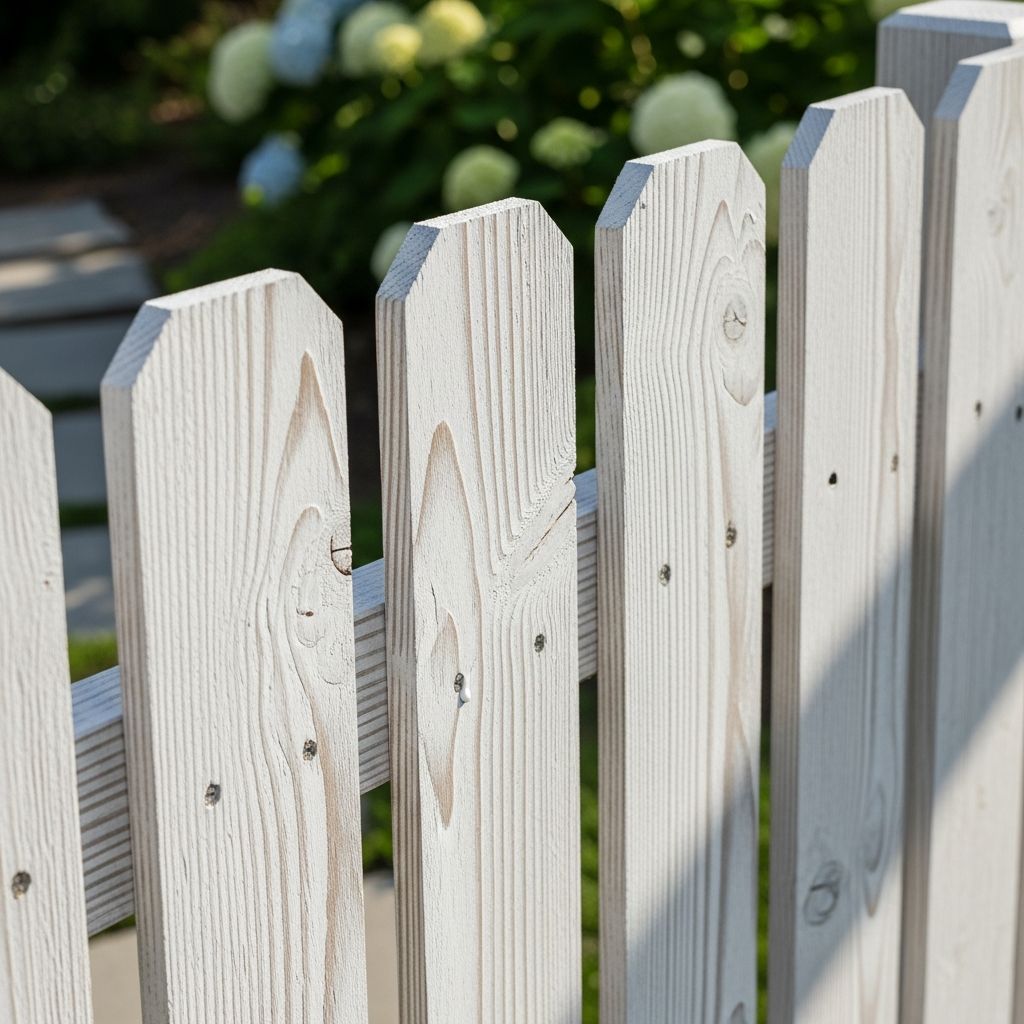
Whitewashing a fence transforms ordinary wood into a striking feature with a soft, translucent white hue that accentuates natural textures. This method dilutes paint to allow grain visibility, offering a cost-effective alternative to full coverage painting for outdoor structures.
Understanding the Whitewash Effect
The whitewash technique dates back centuries, originally using lime and water for its antimicrobial properties on farm structures. Modern versions employ latex paint thinned with water, creating a sheer finish ideal for fences exposed to weather. Unlike solid paint, it permits wood character to shine through, evoking coastal cottages or vintage barns.
Key benefits include enhanced curb appeal, UV protection without opacity, and breathability that prevents moisture trapping. Suitable for cedar, pine, or pressure-treated lumber, it suits picket, privacy, or split-rail designs.
Assessing Your Fence for Whitewashing
Evaluate fence condition before starting. New wood may need weathering for better adhesion; aged fences with peeling paint require stripping. Check for rot, loose boards, or insect damage—repair these first to ensure longevity.
- Wood Type Compatibility: Softwoods like pine absorb evenly; hardwoods like oak need lighter mixes.
- Surface Prep Needs: Bare wood yields best results; sealed surfaces demand sanding.
- Climate Considerations: In humid areas, use mildew-resistant paint; arid zones suit standard latex.
Test a small section to gauge absorption and desired opacity, adjusting ratios accordingly.
Essential Materials and Tools
Gather supplies for efficiency. Quality matters for durability outdoors.
| Category | Items | Purpose |
|---|---|---|
| Paint & Mix | Flat/matte latex white paint, water, mixing bucket, stir sticks | Base mixture creation |
| Application | 2-4 inch brushes, rags/cloths, spray bottle | Even spreading and distressing |
| Prep & Finish | Pressure washer/hose, sandpaper (220-grit), drop cloths, sealant | Cleaning, smoothing, protection |
| Safety | Gloves, goggles, respirator mask | Health protection |
Opt for exterior-grade paint to withstand rain and sun. Budget options from hardware stores perform well for DIY projects.
Customizing Paint-to-Water Ratios
Ratio determines translucency: thinner for subtle hints, thicker for bold coverage.
- 1:3 (Paint:Water): Ultra-sheer, ideal for grain-heavy wood; apply multiple coats.
- 1:2: Balanced wash, versatile for most fences; wipes easily.
- 1:1: Opaque-leaning, suits solid-color desires; distress heavily.
Stir thoroughly after mixing. Test on scrap wood—drying alters appearance. Add water mid-project via spray bottle if thickening occurs.
Comprehensive Surface Preparation
Cleanliness ensures adhesion. Skip this, and peeling follows.
- Wet fence with hose; apply mild soap solution.
- Scrub with stiff brush to remove mildew, dirt, old paint.
- Rinse thoroughly; allow 48-hour dry time.
- Sand rough spots; vacuum dust.
- Optional: Stain darker tones first for contrast.
For heavily soiled fences, use pressure washer at low PSI to avoid splintering. Prime bare spots if wood is very porous.
Step-by-Step Application Process
Work in mild weather (50-80°F, low humidity) for optimal drying.
Applying the Whitewash
Section fence into 4×4 foot areas. Dip brush lightly; stroke with wood grain. Avoid overloading to prevent drips.
- Brush broadly on flats; detail edges with smaller brush.
- Work quickly—whitewash dries in minutes.
Distressing for Authenticity
Immediately wipe excess with damp rag in grain direction. Light pressure yields rustic variance; heavier removes more paint.
Techniques vary:
- Rag Wipe: Softens uniformly.
- Dry Brush: Squeezes brush for feathery texture.
- Hose Spray: Fixes over-application pre-dry.
Multiple thin coats build depth; dry 2-4 hours between.
Advanced Techniques for Unique Finishes
Elevate beyond basics.
- Color Variations: Tint with grays or beiges for driftwood effect.
- Texturing: Sponge for mottled look; stipple for vintage patina.
- Layering: Base stain + whitewash + glaze for dimension.
- Picket-Specific: Lighten tips for aged wear.
For decks/pergolas, focus on foot traffic areas with extra sealant.
Sealing and Long-Term Maintenance
Seal after 24-48 hour cure to lock in beauty.
- Use water-based polyurethane or spar urethane for outdoors.
- Apply thin coats with brush; sand lightly between.
- Reapply yearly in harsh climates.
Clean gently with soap/water; avoid pressure washing sealed surfaces. Inspect annually for touch-ups.
Frequently Asked Questions
What paint works best for outdoor fences?
Flat or eggshell latex exterior paint resists fading and mildew better than gloss.
Can I whitewash over existing paint?
Yes, after thorough sanding and cleaning, though bare wood yields superior results.
How long does whitewash last on a fence?
2-5 years with sealant; depends on sun exposure and maintenance.
Is whitewashing cheaper than staining?
Typically yes—uses less paint and no primers, costing under $0.50 per square foot.
Does whitewash protect against weather?
It provides mild UV/moisture barriers; always seal for durability.
Troubleshooting Common Issues
Problems and fixes:
| Issue | Cause | Solution |
|---|---|---|
| Uneven color | Poor mixing/prep | Sand and recoat thinly |
| Peeling | Dirty surface | Clean, prime, reapply |
| Too opaque | Thick mix | Dilute more; distress harder |
| Drips/streaks | Over-brushing | Wipe immediately; use less paint |
Prevention beats cure—always test first.
References
- Tips for Whitewashing Your Fence — Texas Fence and Iron. Accessed 2026. https://texasfenceandiron.com/tips-for-whitewashing-your-fence
- How To Make Your Fence Look Weathered and Aged — AG Fence. 2016-07-27. https://www.agfence.ca/news-and-advice/news/News-Advice/2016/07/27/110:how-to-make-your-fence-look-weathered-and-aged
- Whitewash Brick – Simple Step-by-Step Guide — Imperial Painting Mildura. Accessed 2026. https://imperialpaintingmildura.com.au/how-to-whitewash-brick-steps/
- How to Whitewash Wood — Maison de Pax. Accessed 2026. https://www.maisondepax.com/how-to-whitewash-wood/
- Whitewashed Picket Fence Coat Rack — My Repurposed Life (YouTube). Accessed 2026. https://www.youtube.com/watch?v=_L2_4BaS388
- How to Whitewash Wood with Paint — Angela Maria Made. Accessed 2026. https://angelamariemade.com/how-to-whitewash-wood-with-paint/
- Whitewashing Fences, Paneling, Decks, and Pergolas — CertaPro Painters Scottsdale. Accessed 2026. https://certapro.com/scottsdale/community/whitewashing-fences-paneling-decks-and-pergolas/
Similar Articles






Read full bio of medha deb