Mastering Wood Wax Finishes for Tables
Discover expert techniques to apply wood wax for a durable, lustrous finish on your wooden tables that enhances beauty and protection.
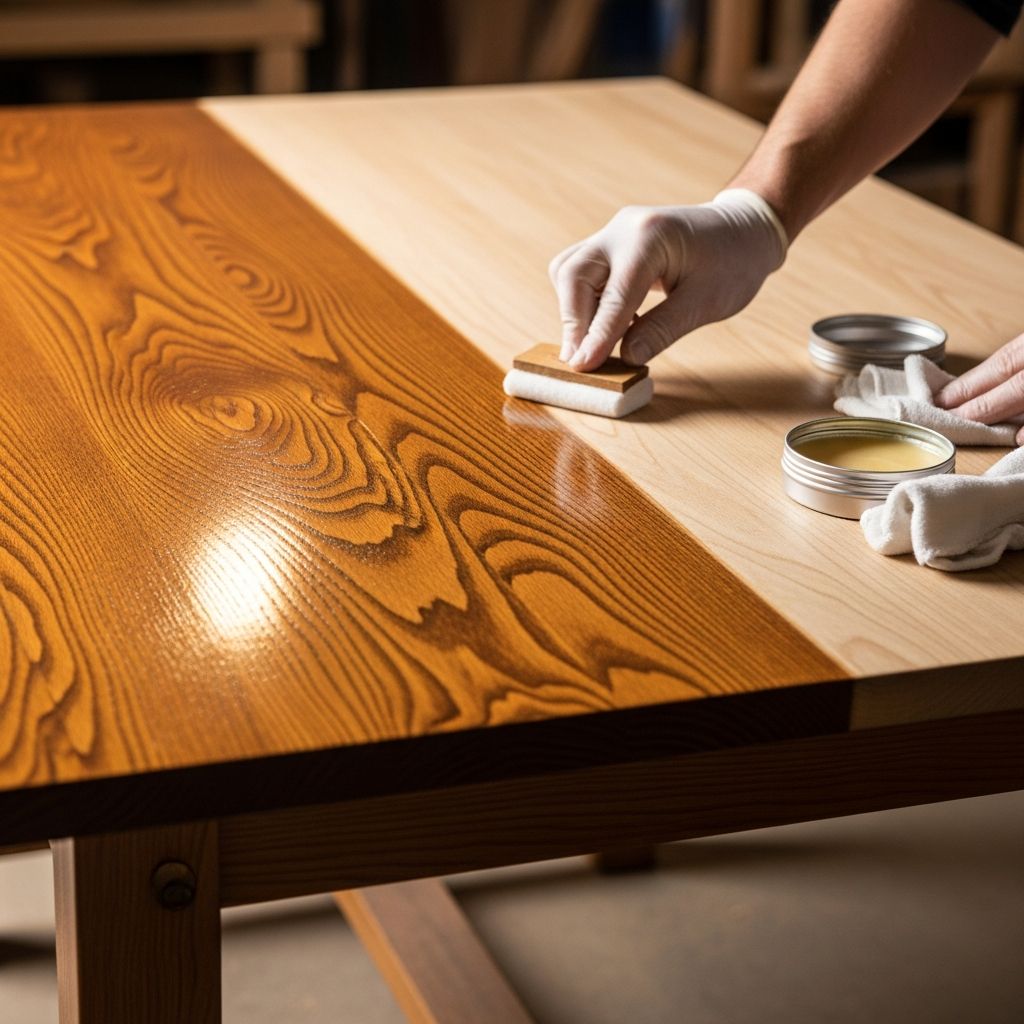
Wood wax provides a timeless, natural finish that highlights the grain and texture of wooden tables while offering moderate protection against daily wear. This method suits both raw wood and previously sealed surfaces, delivering a satin glow through simple hand application. Unlike oil or varnish, wax builds layers for repairable protection, making it ideal for dining and occasional tables.
Why Choose Wax for Your Table Finish?
Wax finishes excel in enhancing wood’s inherent beauty without overpowering it. They penetrate slightly to nourish the surface and create a barrier against moisture and fingerprints. For tables, this means a tactile smoothness that invites touch, paired with straightforward maintenance. Professionals note that sealing first boosts longevity, turning wax into a resilient topcoat.
Compared to polyurethanes, wax remains flexible and repairable—scratches buff out easily. However, it demands periodic reapplication on high-use areas. Ideal for hardwoods like oak, mahogany, or walnut, wax deepens colors naturally.
Essential Materials and Tools
Gather these items for flawless results:
- Paste wax (clear, tinted, or liming for open grains)
- Lint-free cloths or cheesecloth
- Soft buffing pads or brushes
- 0000 steel wool for prep or de-waxing
- Mineral spirits for cleaning
- Spray bottle with water (for wet application)
- Danish oil or polyurethane (optional sealer)
Opt for plant-based waxes with carnauba and oils for eco-friendly durability.
Surface Preparation: The Foundation of Success
A clean, smooth base ensures wax adheres evenly. Start by sanding to 220 grit, raising the grain with a damp cloth, then re-sanding lightly. For antiques, test with denatured alcohol; if it dissolves, it’s wax—remove with mineral spirits and steel wool.
On raw wood, apply oil first to hydrate fibers. For durability, follow with thin polyurethane coats, filling grain if needed. Dry fully (24-48 hours) before waxing. This combo yields a glass-like polish.
| Wood Type | Prep Recommendation | Expected Result |
|---|---|---|
| Softwoods (Pine) | Extra oil layers | Enhanced grain pop |
| Hardwoods (Oak) | Liming wax option | Contrasting pores |
| Sealed Surfaces | Light denibbing | Smooth adhesion |
Step-by-Step Wax Application Techniques
Apply in thin layers for best results. Work in sections to maintain control.
- Clean Thoroughly: Wipe with mineral spirits-dampened cloth. Ensure dryness.
- Load Applicator: Scoop minimal wax onto cloth. For shine, spritz with water and wrap in cotton.
- Work In: Rub against grain first, then circles. Cover evenly, focusing end grains.
- Haze Time: Wait 10-20 minutes until dull.
- Buff Vigorously: Use clean cloth for sheen. Repeat 2-3 coats, curing hours between.
For open grains, use steel brush post-sanding, then dye-accented wax.
Advanced Tips for Professional Results
Elevate your finish with these methods. Wet-waxing with a moist pad emulsifies for deeper penetration and mirror polish. On tired tables, start with hard wax oil for water resistance, then top with paste wax buffed via steel wheel.
Layering: Oil base + wax yields satin depth. Avoid wax over lacquer—test adhesion first. Colored waxes tint while sealing, perfect for oak frames or tabletops.
Troubleshooting Common Issues
Errors happen; fix them quickly.
| Problem | Cause | Solution |
|---|---|---|
| Sticky Residue | Excess wax | Wipe with spirits, re-buff |
| No Shine | Buffed too soon | Wait for haze, polish again |
| Uneven Color | Poor prep | Re-sand, reapply uniformly |
| Powdery Surface | Dry conditions | Light water mist during apply |
Long-Term Care and Rejuvenation
Wax tables last years with care. Dust weekly with microfiber; avoid excess water. Refresh quarterly: light steel wool de-wax if needed, then reapply.
For heavy use, annual full strip and re-wax. Beeswax blends excel here for penetration. Test tackiness post-clean—dry means ready.
FAQs on Wood Wax Finishing
Can wax go on oiled wood? Yes, it enhances protection beautifully.
Is wax food-safe? Plant-based versions are, post-cure. Avoid synthetics on dining surfaces.
How long to cure? 24 hours per coat; full hardness in a week.
Outdoor use? No—wax softens in heat/humidity.
Remove old wax? Spirits + steel wool lifts it cleanly.
Safety and Best Practices
Ventilate during application; wear gloves. Flammable spirits need caution. Store wax cool, away from kids/pets. Test all products on scraps first.
For eco-conscious, choose oil/wax hybrids from reputable makers.
References
- A Spit-Shine Wax Finish — Fine Woodworking. 2023. https://www.finewoodworking.com/project-guides/finishing/a-spit-shine-wax-finish
- Waxing Wood Furniture 101: A Beginner’s Guide — The Vixens Den. 2024. https://thevixensden.com/waxing-wood-furniture/
- Wax for Fine Finishing — Woodcraft. 2023. https://www.woodcraft.com/blogs/sanding-finishing/wax-for-fine-finishing
- Flip It 101: How to Wax Finish Tired Furniture — YouTube (Video Transcript). 2022. https://www.youtube.com/watch?v=b6synnDKR-g
- How To Apply Wood Wax — RMP Finishes. 2024. https://www.rmpfinishes.com/blog/tips/applying-wood-wax/
- How to wax furniture — Ronseal. 2023. https://www.ronseal.com/how-to-guides/how-to-wax-furniture/
Similar Articles



Read full bio of Sneha Tete