Medicine Cabinet Must-Haves: Essential Items for Home Health
Stock your medicine cabinet with essential health items every home needs for wellness and emergency care.
Medicine Cabinet Must-Haves: Building Your Home Health Hub
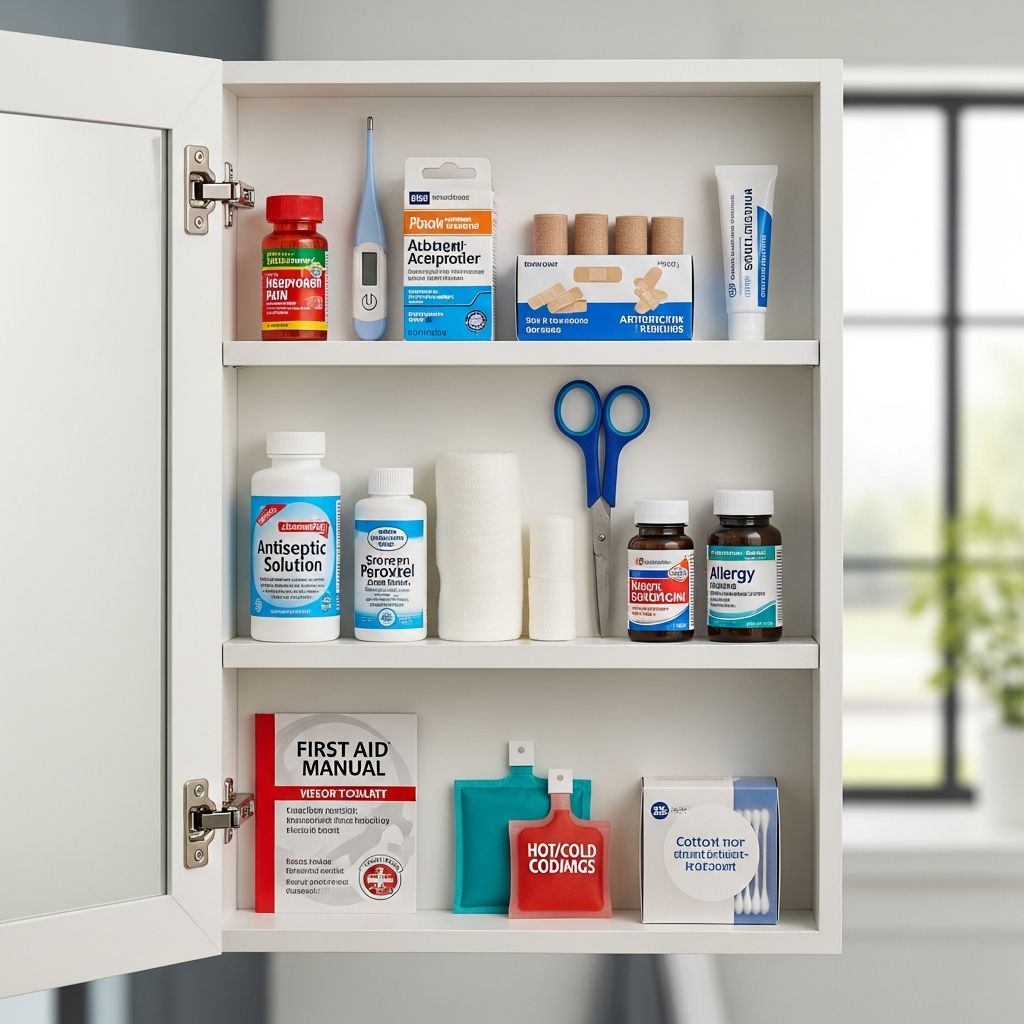
Your medicine cabinet serves as the first line of defense for minor illnesses, injuries, and health concerns within your home. Whether you’re dealing with a headache, small cut, or cold symptoms, having a well-stocked medicine cabinet can make all the difference in addressing these issues quickly and effectively. This comprehensive guide will walk you through the essential items every medicine cabinet should contain, helping you create a functional and organized health hub for your family.
First Aid Essentials
The foundation of any well-stocked medicine cabinet begins with quality first aid supplies. These items are crucial for treating minor cuts, scrapes, and injuries that occur in everyday life. Start with an assortment of adhesive bandages in various sizes, which are perfect for covering small wounds and preventing infection. Include gauze pads and medical tape for larger wounds that require more substantial coverage than standard bandages can provide.
An elastic bandage or wrap is essential for supporting sprains and strains, providing compression that helps reduce swelling. Include sterile gauze rolls and non-stick pads for wounds that need frequent dressing changes. Tweezers are invaluable for removing splinters or small debris from skin, and they should be sterilized before use. Don’t overlook the importance of antibiotic ointment, which helps prevent infection in minor cuts and scrapes by creating a protective barrier over the wound.
Over-the-Counter Medications
Over-the-counter medications form the backbone of home health management, allowing you to treat common ailments without requiring a doctor’s visit. Pain relievers are fundamental staples—keep both ibuprofen and acetaminophen on hand, as different situations may call for different types of pain management. These medications help alleviate headaches, muscle aches, and fever throughout your household.
Antacids are essential for managing heartburn and indigestion, which can strike unexpectedly after a heavy meal. Include both tablets and liquid formulations for flexibility in administration. An antihistamine is vital for addressing allergic reactions, whether from food, pollen, or pet dander. Keep both oral antihistamines and perhaps a topical option for localized itching. Decongestants help clear nasal congestion related to colds or allergies, making it easier to breathe during illness. Include cough suppressants and expectorants for managing various types of coughs—suppressants for dry coughs and expectorants for productive coughs with mucus.
Digestive Health Products
Digestive issues can happen to anyone, making digestive health products essential cabinet additions. Anti-diarrheal medication provides quick relief from unexpected stomach troubles, helping you get back to your normal routine. Laxatives or stool softeners address constipation issues, and having both options allows you to choose based on the severity of your symptoms. Antacids not only help with heartburn but also provide relief from general stomach upset and indigestion.
Consider keeping ginger supplements or peppermint tea for natural digestive support and nausea relief. These gentler options can be particularly useful for mild symptoms before resorting to stronger medications. Probiotics support healthy gut bacteria and can help restore digestive balance, especially after illness or antibiotic use.
Cold and Flu Remedies
Cold and flu season demands dedicated space in your medicine cabinet for symptom management. Keep throat lozenges to soothe sore throats and reduce cough irritation. Saline nasal spray or drops provide relief from congestion without the side effects of decongestants, making them suitable for all family members. Acetaminophen or ibuprofen remain important for managing fever and body aches associated with colds and flu.
Vitamin C supplements may help support immune function during illness, though their effectiveness varies. Honey can be particularly soothing for coughs and sore throats, and many people prefer this natural remedy for minor throat irritation. Zinc lozenges taken at the first sign of cold symptoms may help reduce the duration of illness in some people, though results vary among individuals.
Topical Treatments and Ointments
Your medicine cabinet should include various topical treatments for skin conditions and minor injuries. Antibiotic ointment prevents infection in cuts and scrapes, while hydrocortisone cream helps reduce inflammation from insect bites, minor rashes, or eczema flare-ups. An anti-itch cream provides relief from mosquito bites and other minor skin irritations that cause itching.
Burn gel or cream is essential for treating minor kitchen burns quickly and effectively, reducing pain and promoting healing. Blister treatment products can dramatically improve comfort when dealing with painful blisters from friction or heat. Sunscreen should always be accessible for quick reapplication and protection against sun damage. Triple antibiotic ointment provides enhanced protection for more serious cuts and scrapes, containing multiple antibiotics to prevent infection.
Pain Management Products
Beyond basic pain relievers, your medicine cabinet can benefit from specialized pain management products. Muscle relaxant creams or gels provide topical relief for muscle aches and strains without systemic effects. Heat patches offer warmth for muscle tension, while cold packs or gel products reduce inflammation from acute injuries. These topical options complement oral pain relievers and provide targeted relief for specific problems.
Menthol-based creams provide a cooling sensation that can distract from pain and reduce inflammation. Arnica gel helps with bruising and muscle soreness, offering a natural alternative for many families. Keep pain relief patches on hand for targeted delivery of medication to specific areas of discomfort.
Medical Supplies and Tools
Beyond medications, your medicine cabinet needs practical tools for health assessment and treatment. A digital thermometer allows accurate temperature monitoring for fever detection, which is crucial when deciding whether to seek medical care. A blood pressure monitor helps you track cardiovascular health, particularly important for family members with hypertension. A pulse oximeter measures blood oxygen levels, providing valuable information during respiratory illness.
Alcohol or hydrogen peroxide disinfects wounds and prevents infection. Cotton balls and swabs are useful for applying medications and cleaning wounds. Disposable gloves protect both you and the person you’re treating, maintaining hygiene during first aid. A magnifying glass helps you see small splinters or examine rashes more closely. Tweezers for splinter removal should be sterilized before use to prevent introducing infection.
Eye and Ear Care Items
Eye and ear health deserves dedicated space in your medicine cabinet. Artificial tears provide relief from dry eyes caused by allergies or screen time. Antibiotic eye drops treat minor eye infections, though these may require a prescription depending on your location. Eye wash solution helps flush out irritants or debris from the eyes.
Over-the-counter ear drops can help manage ear wax buildup or minor ear irritation, though these should never be used if the eardrum is perforated. A small flashlight helps you examine the ears and throat for infection signs. Keep these items organized and easily accessible, as eye and ear issues often require quick attention.
Feminine Health Products
Every household should include feminine health products appropriate for your family’s needs. Menstrual pain relievers specifically formulated for period discomfort provide targeted relief. Various period products—pads, tampons, and menstrual cups—should be stocked based on personal preferences and needs. Feminine hygiene wipes offer discretion and convenience, while yeast infection treatments address common issues quickly without requiring a doctor’s visit.
Anti-inflammatory medications specifically marketed for menstrual use often combine pain relief with inflammation reduction. Hormone balance supplements may help some people manage PMS symptoms and cycle irregularities. Having these items readily available ensures that menstrual health management doesn’t interrupt daily life.
Sleep and Relaxation Aids
Sleep quality impacts overall health, making sleep aids valuable cabinet additions. Melatonin supplements help regulate sleep cycles, particularly useful for shift workers or those dealing with jet lag. Over-the-counter sleep aids containing diphenhydramine or doxylamine provide short-term sleep support for occasional insomnia. Herbal sleep aids like valerian root or chamomile offer natural alternatives for those preferring gentler options.
Magnesium supplements support relaxation and can promote better sleep quality. Lavender oil or other aromatherapy products create a calming environment conducive to sleep. These items should be used appropriately and not as long-term solutions to chronic sleep problems, which warrant professional evaluation.
Vitamins and Supplements
Your medicine cabinet should include basic vitamins and supplements supporting overall wellness. A multivitamin provides nutritional insurance for daily gaps in diet. Vitamin C supplements support immune function, particularly valuable during cold and flu season. Vitamin D supplementation helps maintain bone health and immune function, especially important during winter months with reduced sun exposure.
Calcium supplements support bone strength and are particularly important for women and older adults. Iron supplements address anemia, though these should only be taken as recommended by healthcare providers. Omega-3 supplements support heart and brain health, while probiotics maintain digestive health and may support immune function.
Organization and Storage Tips
A well-stocked medicine cabinet means nothing if items are disorganized and difficult to locate. Use clear containers or labels to identify different categories of items—pain relievers, cold remedies, topical treatments, and so on. Store medications in a cool, dry place away from direct sunlight, which can degrade their effectiveness. Keep a small notebook or digital record of expiration dates, checking regularly and removing expired items.
Store child-safe medications in a locked cabinet if you have young children or visit with small children regularly. Keep frequently used items at eye level for quick access, while reserving higher or lower shelves for less frequently used items. Consider using drawer organizers or small containers to prevent items from shifting around and becoming disorganized. Maintain a list of items to replenish posted on your bathroom mirror or stored digitally for easy reference.
Seasonal Considerations
Your medicine cabinet needs may change with the seasons. During cold and flu season, increase stocks of cough suppressants, throat lozenges, and decongestants. Summer preparation should include sunscreen, insect repellent, and treatments for bug bites. Spring allergies may require additional antihistamines and decongestants. Winter might necessitate more moisturizing products and lip balm for dry skin conditions.
When to Seek Professional Help
While your medicine cabinet handles many minor ailments, certain situations require professional medical attention. Seek immediate care for severe injuries, difficulty breathing, chest pain, or signs of stroke. Schedule appointments for persistent symptoms lasting more than a week, fever above 103°F that doesn’t respond to medication, or any condition causing significant concern. Don’t rely solely on home treatments for chronic conditions—work with healthcare providers to develop comprehensive management plans.
Frequently Asked Questions
Q: How often should I check my medicine cabinet for expired items?
A: Review your medicine cabinet at least quarterly, or every three months, to identify and remove expired medications and products. Expired items may be less effective or potentially harmful, so maintaining current inventory is important for your health and safety.
Q: What’s the best way to store medications for maximum effectiveness?
A: Store medications in a cool, dry place away from direct sunlight and moisture. The bathroom medicine cabinet is traditional, but kitchens or bedrooms might offer better storage due to temperature stability. Avoid storing medications in the bathroom if you shower frequently, as humidity can damage medications.
Q: Should I keep prescription medications in my medicine cabinet?
A: Prescription medications should be stored according to specific instructions, which may differ from over-the-counter medications. Keep them in their original containers with labels intact, and store them in the same location for easy access and to prevent medication errors.
Q: How can I make my medicine cabinet child-safe?
A: Use a locked cabinet or install a child-resistant lock on your medicine cabinet. Store all medications out of reach and sight, keeping them in original containers with safety caps. Educate children about not taking medication without permission, and keep poison control numbers readily accessible.
Q: What should I do with expired medications?
A: Never flush medications down the toilet or throw them in the trash, as they can contaminate water supplies and harm the environment. Take expired medications to a pharmacy that accepts them, or check for medication take-back programs in your community.
Q: Is it necessary to keep every type of medication mentioned?
A: No, customize your medicine cabinet based on your family’s specific needs, health conditions, and allergies. If you rarely experience a particular ailment, you may not need that medication. Focus on items you’re likely to use and discuss recommendations with your healthcare provider.
Q: How can I remember what items to replenish?
A: Maintain a list posted on your medicine cabinet or stored digitally. When you use items, mark them for replenishment. Set calendar reminders to check your cabinet seasonally, or make it part of your regular home maintenance routine.
References
- First Aid Kits and Supplies — American Red Cross. 2024. https://www.redcross.org/get-help/how-to-prepare-for-disasters-and-emergencies/survival-kit-supplies.html
- Over-the-Counter Medications: Know What You’re Taking — U.S. Food and Drug Administration. 2023-06-15. https://www.fda.gov/drugs/information-consumers/over-counter-medications
- Safe Storage and Disposal of Medicines — National Institute on Drug Abuse. 2023. https://www.drugabuse.gov/drug-topics/opioids/safe-medication-storage-disposal
- Medication Safety: Using Your Medicine Cabinet — Centers for Disease Control and Prevention. 2024. https://www.cdc.gov/healthywater/hygiene/personal/index.html
- Home Safety: Medicine Cabinet Organization — U.S. Consumer Product Safety Commission. 2023. https://www.cpsc.gov/safety-education
Similar Articles





Read full bio of Sneha Tete