Meyer Lemon Trees: Complete Growing and Care Guide
Master the art of growing Meyer lemon trees with expert tips on planting, care, and maintenance.
Understanding Meyer Lemon Trees
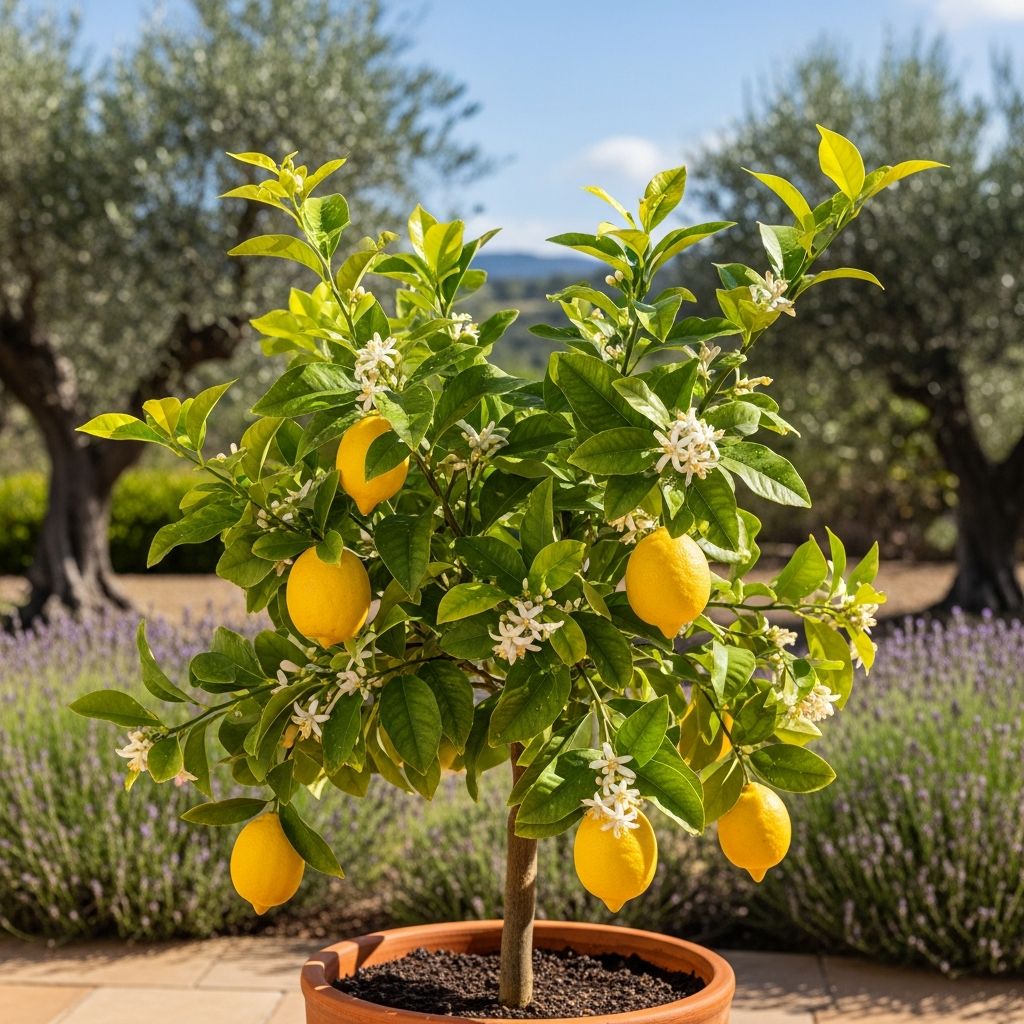
Meyer lemon trees are among the most rewarding fruit trees for home gardeners, offering beautiful foliage, fragrant blossoms, and delicious lemons throughout the year. Unlike many citrus varieties, Meyer lemons are relatively low-maintenance and adaptable to various growing conditions, making them an excellent choice for both beginners and experienced gardeners. These semi-dwarf trees can thrive in containers or in-ground, and with proper care, they’ll produce abundant fruit for years to come.
The Meyer lemon is a hybrid between a lemon and a mandarin orange, resulting in a sweeter, less acidic fruit than traditional lemons. This characteristic makes them perfect for culinary use, beverages, and even eating fresh. The trees themselves are compact and ornamental, with glossy green leaves and white flowers that bloom prolifically during the growing season.
Essential Growing Requirements
Successful Meyer lemon tree cultivation depends on meeting three fundamental requirements: abundant sunlight, appropriate watering, and frost protection. These core needs form the foundation of any successful growing strategy, whether you’re cultivating your tree indoors or outdoors.
Sunlight Requirements
Meyer lemon trees are sun-loving plants that require significant light exposure to thrive and produce fruit. For optimal performance, provide your tree with 8-12 hours of direct, full sunlight daily. The more sunlight your tree receives, the more likely it will bloom and set abundant fruit. If you’re growing your Meyer lemon indoors, position it in a south-facing window where it receives consistent, direct sunlight throughout the day. In regions where outdoor growing is possible during warm months, place your tree in the sunniest location available in your garden.
Container-grown trees offer a significant advantage in this regard: you can move them to follow the sun’s path across your garden or home, ensuring they receive optimal light exposure. For those with limited natural light, supplemental grow lights can help bridge the gap, though natural sunlight remains superior.
Soil and Drainage
Well-draining soil is absolutely critical for Meyer lemon tree health. The fragile root system cannot tolerate consistently wet conditions, and poor drainage is the leading cause of root rot, yellowing leaves, and other problems. Sandy loam works best, as it provides excellent drainage while retaining adequate moisture for the tree’s roots. The soil should be acidic or neutral in pH, typically ranging from 5.5 to 7.0.
When planting in containers, use a high-quality citrus potting mix or a blend designed for acid-loving plants. Never use heavy garden soil in pots, as it compacts and retains too much moisture. If planting in-ground, amend native soil with compost and sand to improve drainage structure. The key is ensuring water drains freely after watering while the soil maintains adequate moisture between waterings.
Watering Your Meyer Lemon Tree
Proper watering is one of the most critical factors in Meyer lemon tree success, yet it’s also where many gardeners struggle. The challenge lies in maintaining the delicate balance between keeping soil adequately moist while avoiding waterlogged conditions that damage roots.
Watering Techniques
Meyer lemon trees prefer soil that is consistently moist but never soggy. A practical watering approach involves using the finger test: insert your finger into the soil at the base of the tree to a depth of 1-2 inches. If the soil feels cool and damp, wait before watering. If the soil is completely dry to the touch, water thoroughly until water runs from the drainage holes. This method prevents both overwatering and underwatering.
When you do water, water deeply and thoroughly, allowing water to drain completely from the bottom of the pot or out into the surrounding garden soil. Water every week or two, adjusting frequency based on season, climate, and container size. Container plants dry out faster than in-ground trees, so check potted Meyer lemons more frequently, particularly during hot weather.
Seasonal Watering Adjustments
Adjust your watering schedule according to the season. During spring and summer when the tree is actively growing and producing fruit, watering needs are highest. As temperatures cool in fall and winter, growth slows and water requirements decrease. Overwatering during winter dormancy is particularly problematic, as the tree uses less water and excess moisture leads to root problems.
During indoor overwintering, keep the soil on the drier side of moist while still providing adequate hydration. Indoor air is typically drier, so daily misting with water helps increase humidity and maintain leaf health while reducing water stress on the root system.
Temperature and Frost Protection
As a tropical plant, Meyer lemon trees require protection from cold temperatures. This is perhaps the most important consideration for gardeners in temperate climates. Meyer lemons are hardy in USDA zones 9-11 but cannot tolerate frost and will suffer damage if exposed to temperatures below 32°F.
Winter Protection Strategies
For container-grown trees, the simplest protection method is bringing the tree indoors when temperatures drop below 32°F, typically around October or November depending on your location. Choose a bright indoor location, preferably a south-facing window, where the tree continues receiving adequate light during the winter months.
If your tree is planted in-ground and you live in a frost-prone area, cover the tree with a sheet, large cloth, or tarp at night when frost threatens. Remove the covering during the day to allow sunlight exposure. For extra protection in severe cold, mulch the base of the tree with 4-6 inches of organic material, pulling it away from the trunk to prevent rot.
If temperatures in your area regularly drop below 32°F, growing Meyer lemon trees in containers for year-round indoor/outdoor movement is highly recommended. This approach ensures your tree survives harsh winters and continues producing fruit for many years.
Transitioning Between Seasons
When moving your potted Meyer lemon tree from indoors to outdoors in spring, avoid sudden environmental changes. Gradually acclimate the tree by placing it in shade for the first week, then slowly moving it into increasingly sunny locations. This hardening-off process prevents leaf scorch and stress. Similarly, when bringing the tree indoors in fall, place it initially in a bright location but avoid sudden temperature fluctuations.
Fertilizing and Feeding
Potted Meyer lemon trees must be regularly fertilized since the limited soil volume cannot provide all necessary nutrients for sustained growth and fruit production. Begin feeding in early spring when new growth emerges and continue through early fall. Use a balanced citrus fertilizer or a formula designed for acid-loving plants like rhododendrons and blueberries.
Feeding Schedule
Apply fertilizer monthly during the active growing season (spring, summer, and early fall). Follow the manufacturer’s instructions carefully, using a weaker dilution rather than a strong concentration. Over-fertilizing can damage roots and harm the tree, so moderation is essential. As cooler temperatures and reduced light trigger dormancy in late fall and winter, discontinue fertilizing to allow the tree to rest.
Many experienced growers combine slow-release citrus fertilizer with periodic liquid fertilizer applications during the growing season. This combination provides both steady nutrient delivery and quick nutrient availability when the tree needs it most.
Pruning and Maintenance
Meyer lemon trees require minimal pruning compared to many fruit trees. However, strategic pruning improves air circulation, maintains attractive form, and can enhance fruit quality.
Pruning Techniques
In early spring before new growth begins, prune the tree to maintain a desirable shape and remove any dead or diseased branches. Prune after the Meyer lemon harvest, which typically occurs in winter. When the tree sets abundant fruit, remove some pea-sized fruits to encourage the remaining fruit to grow larger and mature more fully.
Pruning also serves to improve the tree’s structure and strength, preventing weak branches from breaking under the weight of fruit. Remove any crossing branches or areas where foliage crowds together, opening up the canopy to allow better air circulation and sunlight penetration.
Container Management
Repot container-grown Meyer lemon trees every few years as the root ball expands. Use a container only slightly larger than the current one, as excessive soil volume can lead to waterlogging. Young, fast-growing Meyer lemons may need annual repotting, while mature trees can be repotted every 2-3 years. When mature Meyer lemons don’t require repotting, simply replace the top few centimeters of soil every couple of years to refresh the potting medium, as soil structure naturally degrades over time.
Handle the tree carefully during repotting, as Meyer lemons dislike having their roots disturbed. Gently loosen the root ball and transfer it to fresh potting soil without aggressive root manipulation.
Pest and Disease Management
Meyer lemon trees are generally hardy but can fall victim to common citrus pests and diseases, particularly in indoor or protected environments.
Common Pests
Watch for aphids, scale insects, and whiteflies, which commonly attack citrus plants. Regularly inspect both leaf surfaces and undersides for signs of pest infestation. Indoor trees are particularly susceptible to spider mites, especially when indoor humidity is low. Increase humidity through daily misting to help prevent spider mite problems.
Treat pest infestations promptly using organic methods such as insecticidal soap, neem oil, or simply spraying affected areas with water to dislodge pests. Chemical pesticides are generally unnecessary for home garden Meyer lemon trees and can harm beneficial insects.
Disease Prevention
The primary disease concern for Meyer lemon trees is root rot, caused by waterlogged soil and poor drainage. Prevent this through proper watering practices and excellent drainage. Remove any yellowing or spotted leaves promptly, and maintain good air circulation around the tree to prevent fungal issues.
Growing Meyer Lemons in Containers
Container cultivation offers flexibility and is ideal for many home gardeners, particularly those in climates with harsh winters or limited space.
Container Selection and Setup
Choose a reasonably large container that you can comfortably carry indoors for winter. A 15-20 gallon pot is typically ideal for a mature Meyer lemon tree. Ensure the container has drainage holes to prevent water accumulation. Use high-quality, well-draining potting soil formulated for citrus or acid-loving plants.
Place your indoor potted Meyer lemon in a sunny location receiving at least 6-8 hours of direct sunlight, ideally a south-facing window. Avoid placing the tree near heating vents or cold drafts, which stress the plant and cause leaf drop. Maintain consistent temperatures between 55°F and 85°F for optimal growth.
Summer Outdoor Care
During summer months, move your potted Meyer lemon outdoors to benefit from natural sunlight and outdoor conditions. Initially place it in shade for the first week to acclimate to outdoor light, then gradually move it into full sun. Outdoor trees generally require more frequent watering as container soil dries faster in heat and sun. Monitor soil moisture closely and water whenever the top inch becomes dry.
Harvesting and Fruit Production
Meyer lemon trees typically begin producing fruit within 2-3 years of planting. The trees flower and set fruit primarily in spring, with fruit ripening in winter. This means you can enjoy fresh Meyer lemons from December through February in most regions.
Harvest Meyer lemons when they turn bright yellow and feel slightly soft to the touch. Unlike some citrus varieties, Meyer lemons don’t continue ripening after picking, so wait until fully ripe on the tree before harvesting. A mature Meyer lemon tree can produce 100-200 lemons annually under ideal conditions, though younger trees produce fewer fruits.
Frequently Asked Questions
Q: Can I grow Meyer lemon trees indoors year-round?
A: Yes, Meyer lemon trees can be grown indoors year-round if provided with adequate sunlight (8-12 hours daily), proper humidity (ideally 50% or higher), and controlled temperatures. A south-facing window is ideal, or supplemental grow lights can help during winter months.
Q: How long does it take for a Meyer lemon tree to produce fruit?
A: Most Meyer lemon trees begin producing fruit within 2-3 years of planting. Trees grown from seed may take 4-5 years, while grafted trees typically fruit faster. Young trees produce fewer lemons, with production increasing as the tree matures.
Q: Why are the leaves on my Meyer lemon tree yellowing?
A: Yellowing leaves often indicate overwatering, poor drainage, or nutrient deficiency. Check that your soil drains well and adjust your watering schedule to allow the soil to dry slightly between waterings. Ensure you’re fertilizing regularly during the growing season.
Q: Can I propagate Meyer lemon trees from cuttings?
A: Yes, Meyer lemon trees can be propagated from stem cuttings or grown from seed. Cuttings from mature trees produce fruit-bearing trees faster than seeds, which may take several years to reach fruiting size.
Q: What temperature is too cold for Meyer lemon trees?
A: Meyer lemon trees cannot tolerate frost and will suffer damage at temperatures below 32°F. They enter dormancy if temperatures drop below 55°F. Bring potted trees indoors or protect in-ground trees with coverings when frost threatens.
Q: How often should I water my Meyer lemon tree?
A: Water when the top 1-2 inches of soil become dry, typically every 1-2 weeks. The frequency depends on season, climate, and whether the tree is in a container or ground. Use the finger test to determine when watering is needed.
References
- Complete Guide to Lemon Tree Care — Seeds of Life. 2025. https://www.seedsoflife.com/articles/when-life-gives-you-lemons-what-do-you-do
- Meyer Lemon Tree: Complete Care And Growing Guide — Gardening Know How. 2025. https://www.gardeningknowhow.com/edible/fruits/lemons/growing-meyer-lemons.htm
- All About the Semi-Dwarf Meyer Lemon Tree — Four Winds Growers. 2025. https://www.fourwindsgrowers.com/a/blog/all-about-the-meyer-lemon-tree
- Meyer Lemon Tree: Planting, Care, and Growing Guide — Food Garden Life. 2025. https://www.foodgardenlife.com/learn/meyer-lemon-tree
- How to Grow Meyer Lemon Trees in a Pot — The Prudent Garden. 2025. https://theprudentgarden.com/how-to-grow-meyer-lemon-trees-in-a-pot/
Similar Articles





Read full bio of medha deb