Mite Bites: Identification, Treatment, and Prevention
Complete guide to identifying mite bites, treating symptoms, and preventing infestations in your home.
Understanding Mite Bites: A Homeowner’s Guide
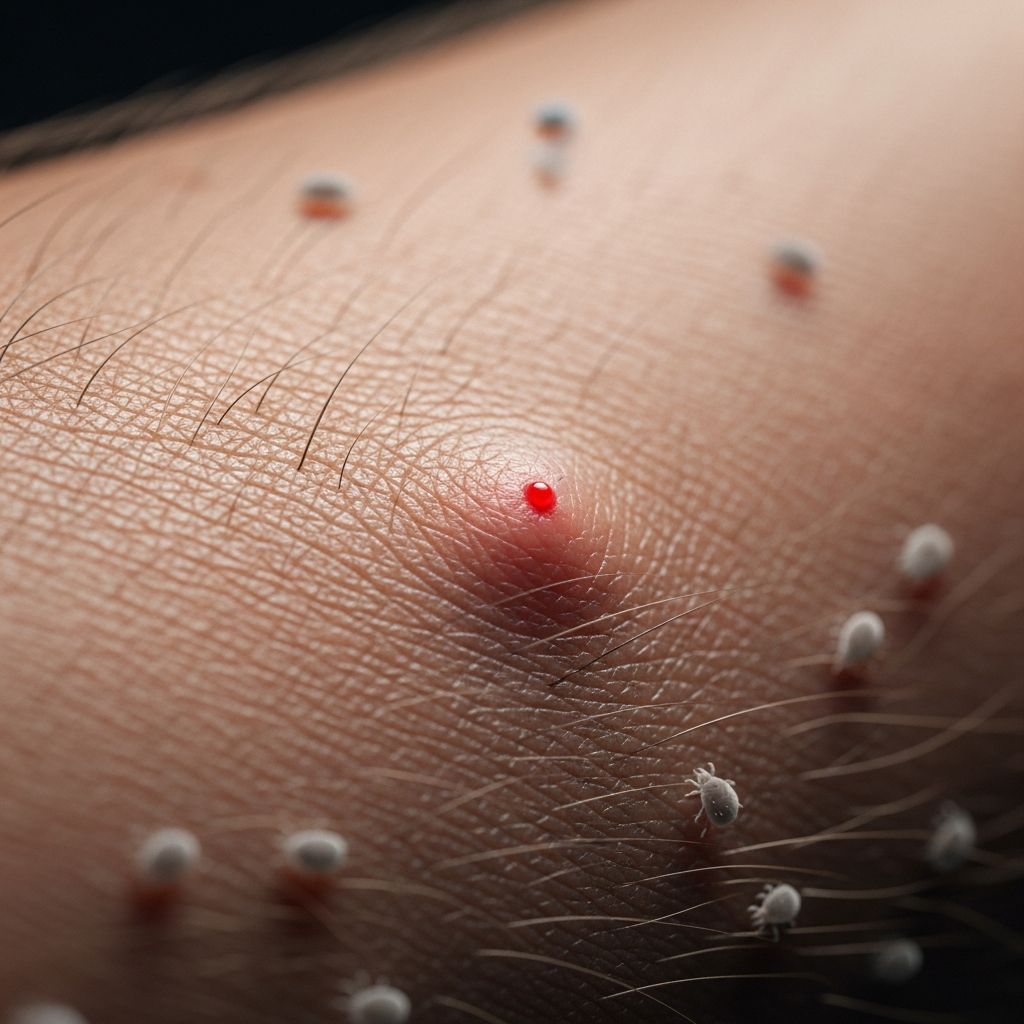
Mite bites are a common household problem that can cause significant discomfort and frustration. While most mites do not actively bite humans, certain species will bite if they come into contact with your skin and remain there long enough to feed. Understanding the different types of mites, recognizing symptoms, and knowing how to treat and prevent infestations can help you protect your family and maintain a comfortable home environment.
Types of Mites That Bite
Not all mites are created equal. Several specific species are known to bite humans and cause varying degrees of discomfort. Identifying which type of mite has bitten you is the first step toward effective treatment.
Dust Mites
Despite their common association with mite bites, dust mites do not actually bite humans. These tiny creatures live in household dust, bedding, furniture, and carpets, feeding on dead skin cells and dander. However, their presence can cause allergic reactions in sensitive individuals, with symptoms that may resemble bite marks. Dust mites thrive in warm, humid environments and are most abundant in bedding and upholstered furniture. While they cannot be completely eliminated from your home, their numbers can be significantly reduced through proper cleaning and maintenance.
Scabies Mites
Scabies mites are among the most serious mite pests affecting humans. These parasitic mites burrow into the skin and feed on tissue fluids, causing intense itching and a characteristic rash. The symptoms typically appear several weeks to a month after initial infestation, with the majority of mites found in skin folds between fingers, on wrists, sides of feet, and in the bends of knees and elbows. Scabies mites are highly contagious and spread through personal contact, particularly hand-to-hand contact or by sharing infected bedding. If you suspect scabies infestation, medical attention is essential, as the mites can survive on your body for extended periods.
Chiggers
Chigger bites typically cause itching within 3 to 6 hours, with dermatitis developing within 10 to 16 hours. Some individuals experience allergic reactions leading to blister-like lesions. These outdoor pests are commonly encountered when walking through tall grass or dense vegetation and rarely require medical attention in the United States, as they do not transmit diseases.
Oak Mites
Oak mites typically feed on midge fly larvae but will bite humans if they remain on the skin. Oak leaf gall mites have caused significant human outbreaks in Missouri, Nebraska, Texas, and Kansas over the years. Oak mite bites resemble chigger bites and appear as itchy red welts on the face, neck, arms, or upper body. Within 12 hours, these bites typically develop into bump-like lesions that look similar to pimples and are extremely itchy. These rashes may persist for up to two weeks.
Bird and Rodent Mites
Bird and rodent mites normally live in nests and on animal hosts. When their host dies or abandons the nest, however, they may seek alternative food sources by biting humans. These bites can cause pain, extreme itching, rashes, swelling, and skin irritation. Removing the host or sealing entry points can help prevent these mites from entering your home.
Straw Itch Mites
Straw itch mites live in stored grain, hay, seeds, trees, and leaves, typically preying on insects. However, they will bite humans when the opportunity arises. You’re most likely to encounter these mites if you sit under affected trees or lie in leaf piles. They commonly bite the shoulders and neck, leaving itchy marks that may appear as a rash. Unlike some other mites, straw itch mites do not remain on your body after biting.
Recognizing Mite Bite Symptoms
Identifying mite bites correctly is crucial for determining the appropriate treatment. Symptoms can vary depending on the mite species and individual sensitivity.
Common Signs and Symptoms
Mite bites generally cause mild to moderate skin irritation and itching. Common symptoms include discolored rash-like marks, small bumps that can become hard or inflamed, and general irritation. The severity and duration of symptoms depend on the mite type and your body’s reaction. Most mite bites clear up within one to two weeks without requiring medical intervention.
When to Seek Medical Attention
While most mite bites do not require professional medical care, certain situations warrant a doctor’s visit. People who suspect they have scabies should seek immediate medical attention, as these mites can live under the skin for several months and require prescription treatment. If you experience severe allergic reactions, signs of infection, or bites that persist beyond two weeks, consulting a healthcare professional is advisable.
Treatment Options for Mite Bites
Various treatment approaches can help alleviate the discomfort associated with mite bites and promote healing.
Immediate Care Steps
If you suspect you have been bitten by mites, take a shower using plenty of soap to remove any remaining mites from your skin. Wash your clothes and any affected bedding in warm, soapy water to eliminate mites and prevent reinfestation. It’s important not to scratch the bites, as this can lead to infection and worsen symptoms.
Over-the-Counter Treatments
For most types of mite bites, over-the-counter treatments provide effective symptom relief. Antihistamines can reduce itching, while topical corticosteroids and anti-itch creams help minimize swelling and discomfort. Calamine lotion is particularly effective for oak mite bites. For scabies and certain other mite infestations, topical permethrin cream or crotamiton may be recommended to eliminate remaining mites on the skin.
Prescription Treatments
For more serious infestations like scabies, prescription-strength treatments may be necessary. These typically include prescription antihistamines and topical scabicides that kill mites on the skin. Treatment often requires application to the entire body and may need to be repeated after one to two weeks to eliminate newly hatched mites.
Prevention Strategies
Preventing mite bites is far more effective than treating them after they occur. Different prevention strategies work for different mite types and environments.
Outdoor Prevention
When spending time in areas where outdoor mites are prevalent, take several precautions to minimize exposure. Apply insect repellents containing DEET or Picaridin to exposed skin and clothing. Wear long boots, long trousers, and long-sleeve shirts when walking through tall grass or dense vegetation. After leaving potentially infested areas, take a hot shower and wash your clothes in hot water immediately to remove any mites.
Dust Mite Reduction in the Home
While complete dust mite elimination is impossible, their numbers can be significantly reduced through diligent cleaning practices. Frequently vacuum, mop, and dust your home, paying particular attention to areas where dust accumulates. Wash sheets, pillowcases, clothing, and other household fabrics in hot water at temperatures between 130-140°F. Wipe surfaces with a damp cloth rather than dry dusting to prevent mites from becoming airborne. Use a dehumidifier or air conditioner to maintain indoor humidity levels below 50%, as dust mites thrive in humid environments. Consider removing carpets and curtains, which harbor large populations of dust mites, and cover mattresses, pillows, and cushions with hypoallergenic or dust-proof covers.
Scabies Prevention
Scabies mites are highly contagious and spread through personal contact, so prevention focuses on hygiene and avoiding contact with infested individuals. Wash an infested person’s clothing and bed linen regularly in hot, soapy water. Importantly, human scabies mites cannot survive off a host for more than about 24 hours, so insecticide foggers and sprays to furniture and carpeting are unnecessary.
Managing Oak Mites and Other Outdoor Species
To prevent invasions from oak mites and similar species, maintain your lawn and vegetation away from your home. Remove or trim shrubs that grow close to or touch your walls, as these provide pathways for mites to access your home. In fall, when mites migrate indoors seeking shelter from cold weather, apply miticide to nearby foliage and lawns. Apply insecticides to foundation walls, door thresholds, and window ledges to create a protective barrier. Indoors, aerosol insecticide sprays are effective, though vacuuming is a preferable alternative that reduces chemical exposure.
Home Treatment for Mite Infestations
If you’ve identified a mite infestation in your home, treatment depends on the specific mite type. Before using any pesticide treatments, identify exactly what type of infestation you have, as different treatments work for different species. For dust mites, focus on cleaning and environmental control rather than pesticide applications. For scabies or other parasitic mites, professional pest control services may be necessary. Always follow product instructions carefully and consider consulting with a pest control professional for severe infestations.
Understanding Allergic Reactions
Some individuals experience allergic reactions to mite exposure beyond the typical bite symptoms. Dust mite proteins in their exoskeletons and feces can induce allergic reactions, with symptoms including patches of small red bumps on the skin and respiratory symptoms such as sneezing, runny nose, and congestion. The Asthma and Allergy Foundation of America warns that dust mites can worsen asthma symptoms in sensitive individuals. If you suspect dust mite allergies, maintaining lower humidity levels, using air filters, and implementing rigorous cleaning protocols can help manage symptoms.
Key Differences Between Mite Types
| Mite Type | Bite Location | Symptoms Timeline | Treatment | Contagious |
|---|---|---|---|---|
| Dust Mites | No actual bites | Allergic reactions vary | Environmental control | No |
| Scabies | Skin folds, fingers, wrists | Weeks to months | Prescription scabicide | Yes |
| Chiggers | Exposed areas | 3-6 hours itching, 10-16 hours dermatitis | OTC antihistamines | No |
| Oak Mites | Face, neck, arms, upper body | 12 hours to welts, up to 2 weeks duration | Calamine lotion, antihistamines | No |
| Bird/Rodent Mites | Various | Immediate to several hours | Remove host, seal entry points | No |
Frequently Asked Questions About Mite Bites
Q: Do all mites bite humans?
A: No, most mites do not bite humans. Dust mites, for example, cannot bite. However, certain species such as scabies mites, chiggers, oak mites, and bird or rodent mites will bite if they come into contact with human skin.
Q: How long do mite bites last?
A: Most mite bites clear up within one to two weeks. However, some severe cases, such as oak mite bites, may persist for up to two weeks with intense itching and visible lesions.
Q: Can I get rid of all dust mites in my home?
A: Complete elimination of dust mites is not possible, but you can significantly reduce their numbers through frequent vacuuming, washing bedding in hot water, maintaining low humidity levels, and using dust-proof covers on mattresses and pillows.
Q: Is scabies contagious?
A: Yes, scabies is highly contagious and spreads through personal contact, particularly hand-to-hand contact, intimate contact, and sharing infected bedding. People who suspect scabies should seek immediate medical attention.
Q: What temperature water should I use to wash mite-infested clothing?
A: Use hot water between 130-140°F to effectively kill mites on clothing and bedding. Cold or lukewarm water will not eliminate the mites.
Q: Should I use insecticide sprays for dust mites?
A: Insecticide sprays are generally not necessary for dust mites and may expose your family to unnecessary chemicals. Focus instead on cleaning, washing, and environmental controls like humidity reduction. Different mite types require different treatment approaches.
Q: How can I prevent outdoor mite bites?
A: Wear long clothing, including long sleeves, long pants, and boots when in areas with tall grass or dense vegetation. Apply insect repellent containing DEET or Picaridin, and take a hot shower and wash clothes immediately after being in potentially infested areas.
Q: When should I see a doctor about mite bites?
A: Seek medical attention if you suspect scabies, experience severe allergic reactions, notice signs of infection from scratching, or have bites that persist beyond two weeks without improvement.
References
- Mite Bites: Symptoms, Treatment, and Different Bites — Medical News Today. 2025. https://www.medicalnewstoday.com/articles/mites-bites
- Mite Bites: How to Know If You Have Them — Healthline. 2025. https://www.healthline.com/health/mite-bites
- Mites That “Bug” People — NC State Extension Publications. 2025. https://content.ces.ncsu.edu/mites-that-bug-people
Similar Articles







Read full bio of Sneha Tete