Modern Crown Molding Ideas for Every Home Style
Transform your rooms with contemporary crown molding designs that elevate any space.
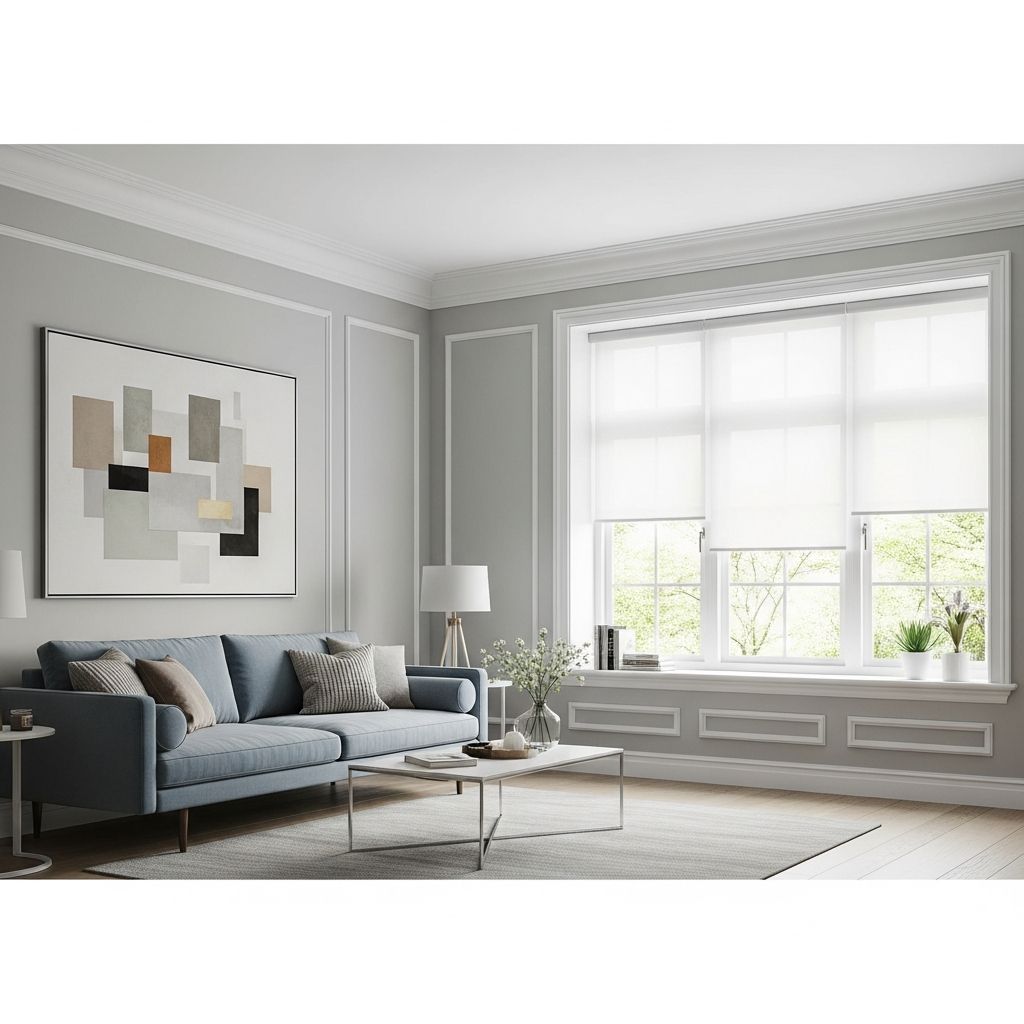
Crown molding has long been a cornerstone of interior design, offering both aesthetic appeal and architectural definition to rooms. While traditional crown molding styles have dominated home design for centuries, contemporary interpretations have emerged that blend timeless elegance with modern sensibilities. Whether you’re renovating a period home or designing a new construction with contemporary flair, modern crown molding ideas provide versatile solutions that enhance any space without overwhelming it. The key to successful crown molding selection lies in understanding how different styles, materials, and finishes can transform a room while maintaining visual harmony with your overall design scheme.
Understanding Modern Crown Molding Designs
Modern crown molding differs significantly from traditional styles by emphasizing clean lines, minimalist profiles, and sophisticated simplicity. Rather than elaborate ornamentation and heavy architectural details, contemporary crown molding celebrates understated elegance and functional beauty. These designs work particularly well in open-concept living spaces where oversized or ornate molding might feel dated or visually intrusive. Modern designs often feature subtle curves, geometric precision, and versatile color options that complement rather than dominate a room’s aesthetic. The contemporary approach to crown molding acknowledges that less can indeed be more, offering homeowners the ability to add architectural interest without sacrificing the open, airy feel that characterizes modern interior design.
Contemporary Crown Molding Styles
Minimalist Crown Molding
Minimalist crown molding represents the epitome of modern design philosophy, featuring simple beading and indistinct profiles that create subtle visual interest without demanding attention. This style works beautifully in already crowded spaces where you want to enhance the room without adding visual clutter. Minimalist trim is particularly well-suited for bathrooms, kitchens, and small rooms where every design element must justify its presence. The beauty of this approach lies in its versatility—minimalist molding complements virtually any color scheme, from neutral palettes to bold accent walls. Installation is typically straightforward, and maintenance requirements are minimal, making this style an excellent choice for homeowners seeking low-maintenance design solutions.
Federal Style Crown Molding
Federal style crown molding brings simple but elegant bearing to any space, particularly excelling at adding volume to rooms with lower ceilings. This English-inspired design gained popularity following the American Revolution and remains a preferred choice for traditional and transitional living spaces. Federal style molding features consistent proportions and refined detailing that creates visual interest without excessive ornamentation. This style proves particularly effective in kitchens and storage spaces where you want to enhance the sense of height and spaciousness. The refined simplicity of Federal style molding ensures it complements both traditional furnishings and more contemporary pieces, making it an excellent bridge between design eras.
Colonial Revival Crown
Colonial Revival crown molding has become increasingly popular in modern and contemporary homes due to its crisp, clean aesthetic that blends Greek Revival and Federal profiles. This style showcases the best characteristics of both design traditions while maintaining a distinctly modern sensibility. The standard double curved cyma profile offers timeless appeal, though S-shaped crown variations provide additional design flexibility. Colonial Revival molding works particularly well in homes seeking to honor architectural heritage while maintaining contemporary functionality and aesthetic. The versatility of this style allows it to transition seamlessly between traditionally appointed rooms and spaces featuring modern furnishings and fixtures.
Early American Molding
Early American crown molding features characteristic four-foot bump puts and cyma recta curves where the crown meets the ceiling, creating visual depth and architectural interest. This style incorporates simple beading for equally subtle accents while maintaining the ability to make smaller kitchens appear larger and more spacious. Early American molding typically works best in standard white finishes that enhance its space-maximizing appearance, though lighter and softer colors can also be effective. This style bridges the gap between purely traditional designs and contemporary interpretations, offering homeowners a middle ground that respects architectural history while maintaining modern livability.
Crown Molding Materials for Modern Homes
Material selection significantly impacts both the aesthetic and functional performance of crown molding installations. Modern homes benefit from a wider range of material options than ever before, each offering distinct advantages and considerations for different applications and design preferences.
Wood Crown Molding
Wood remains one of the most traditional and elegant crown molding options, offering timeless beauty and durability that improves with age. This material blends seamlessly with diverse home designs and develops character through natural patina. However, wood crown molding typically carries a higher price point than alternative materials and requires professional installation expertise to ensure proper fitting and finishing. Wood’s susceptibility to moisture damage, warping, and pest infiltration means installation in dry interior spaces yields the best long-term results. For homeowners willing to invest in quality materials and professional installation, wood crown molding delivers unmatched sophistication and longevity.
Plaster Crown Molding
Plaster crown molding adds a chic and sophisticated touch to any room, offering remarkable design flexibility and the ability to create custom profiles for truly unique spaces. This material works particularly well for period restoration projects where authentic aesthetic is paramount. However, plaster requires careful installation and proves less durable than wood or modern composite alternatives, potentially requiring earlier replacement. Plaster’s relative fragility and susceptibility to cracking during temperature fluctuations or structural settling means this material works best in climate-controlled spaces where environmental conditions remain stable.
Rubber and Flex Crown Molding
Rubber or flex crown molding offers lightweight flexibility ideal for curved rooms where rigid materials like wood or plaster cannot conform to architectural curves. This material accommodates spatial complexities that would otherwise require custom cutting or multiple seams. However, flex molding’s relative softness means it scratches, dents, and tears more easily than harder materials, requiring careful handling during installation and ongoing maintenance. Additionally, the natural sheen of rubber molding may clash with certain interior aesthetic preferences, though paint applications can address this concern for some homeowners.
Plastic Peel-and-Stick Crown Molding
Plastic peel-and-stick crown molding represents the most accessible installation option for DIY projects, requiring only surface preparation and application of adhesive backing. This material suits temporary installations or rental situations where permanent modifications are impractical. However, peel-and-stick molding demonstrates limited durability over extended periods, particularly in environments subject to extreme temperature fluctuations or high moisture levels. Professionals recommend installing peel-and-stick molding exclusively in dry areas such as bedrooms or living rooms that receive minimal direct sunlight and moisture exposure.
Material Comparison Table
| Material | Durability | Cost | Installation Difficulty | Best For |
|---|---|---|---|---|
| Wood | High | $$$$ | High | Permanent installations, traditional homes |
| Plaster | Moderate | $$$ | Moderate | Period restoration, custom designs |
| Rubber/Flex | Moderate | $$ | Low | Curved rooms, specialized applications |
| Plastic Peel-and-Stick | Low | $ | Very Low | Temporary installations, dry areas |
Design Considerations for Modern Spaces
Selecting appropriate crown molding for modern homes requires careful consideration of several interconnected factors that influence both aesthetic outcomes and functional performance.
Room Size and Ceiling Height
Crown molding profile selection should account for room dimensions and ceiling height to achieve visual balance. Rooms with lower ceilings benefit from molding styles that create vertical emphasis and visual height expansion. Federal style and Early American designs excel at this application. Conversely, rooms with soaring ceilings can accommodate bolder profiles without overwhelming the space. Contemporary minimalist designs work well in open-concept areas where maintaining visual flow takes precedence over architectural statement-making.
Color and Finish Options
Modern crown molding embraces diverse color and finish possibilities beyond traditional white. Matte finishes dominate contemporary applications, offering sophisticated subtlety that complements various design schemes. Neutral tones including soft grays, warm whites, and taupe provide versatile foundations for any color palette. Bold colors and contrasting finishes have also emerged as viable design approaches for adventurous homeowners seeking distinctive architectural emphasis. Paint selection should coordinate with ceiling, wall, and trim colors to ensure cohesive visual presentation throughout the room.
Architectural Consistency
Successful crown molding integration requires consistency with existing architectural elements and overall design philosophy. Homes featuring primarily minimalist design benefit from correspondingly simple molding profiles. Traditional homes can accommodate more elaborate designs without appearing incongruous. Mixed-style homes demand thoughtful molding selection that bridges different aesthetic approaches without appearing indecisive or confused. Professional consultation often proves valuable for ensuring selected molding styles complement both current elements and future design intentions.
Installation Best Practices
Proper installation significantly impacts crown molding’s visual appeal and longevity. While some molding types accommodate DIY installation, achieving professional-quality results typically requires specialized tools and experienced technique. Compound miter joints at corners demand precise angle calculation and cutting to ensure seamless connections that enhance rather than detract from the molding’s appearance. Pre-installation planning should account for ceiling irregularities, wall angles, and architectural obstructions that influence installation approach and material requirements.
Key Installation Considerations
Professional installation typically includes comprehensive surface preparation, precise measurement and layout, careful cutting of all angles and joints, and secure fastening using appropriate adhesives and fasteners. Quality installation protects your investment while ensuring the molding performs its intended function of enhancing architectural interest and visual appeal. When working with contractors, verify their experience with your selected molding material and verify references from previous projects featuring similar applications and design styles.
Frequently Asked Questions
Q: What is the difference between modern and traditional crown molding?
A: Modern crown molding emphasizes clean lines, minimalist profiles, and subtle sophistication, while traditional molding features elaborate ornamentation and heavier architectural details. Modern designs work particularly well in contemporary and open-concept spaces, whereas traditional styles complement period homes and classically appointed interiors.
Q: Can I paint crown molding to match my walls or ceiling?
A: Yes, crown molding accepts paint very well, allowing complete customization of color and finish. However, contrasting the molding with walls or ceilings often creates more dramatic visual impact. Matte finishes dominate contemporary applications and offer sophisticated subtlety.
Q: Is crown molding installation a suitable DIY project?
A: Peel-and-stick crown molding offers the most accessible DIY option, but wood, plaster, and other materials typically require professional installation for optimal results. Compound miter joints and precise angle calculations demand specialized tools and experienced technique.
Q: Which crown molding style works best for small rooms?
A: Minimalist crown molding works exceptionally well in small rooms, adding visual interest without overwhelming the space. Early American and Federal styles also excel in compact spaces where they create the illusion of greater height and spaciousness.
Q: How do I maintain crown molding over time?
A: Most crown molding requires minimal maintenance beyond periodic dusting and occasional touch-ups to paint or finish. Wood molding may need refinishing every 5-10 years, while plaster and flex materials require careful handling to prevent damage.
Q: What is the average cost of crown molding installation?
A: Costs vary significantly based on material selection, room size, and installation complexity. Budget $3-15 per linear foot for materials, plus additional labor costs. Professional installation typically ranges $2,000-$5,000 for average homes, depending on scope and specifications.
References
- 4 Crown Molding Design Ideas to Try — Handyman Connection. 2018. https://handymanconnection.com/south-shore/2018/03/4-crown-molding-design-ideas-to-try/
- Everything You Need to Know About Crown Molding — Mr. Handyman. 2023. https://www.mrhandyman.com/northeast-johnson-county/about-us/ask-a-pro/2023/february/everything-you-need-to-know-about-crown-molding/
- How to Install Crown Molding on Kitchen Cabinets — YouTube. https://www.youtube.com/watch?v=7JZNqIpp0i0
Similar Articles






Read full bio of Sneha Tete