The Modern Guide to Portable Toilets: Clean Comfort Anywhere You Go
How to choose, use, and maintain a portable toilet for camping, road trips, boats, and emergencies.
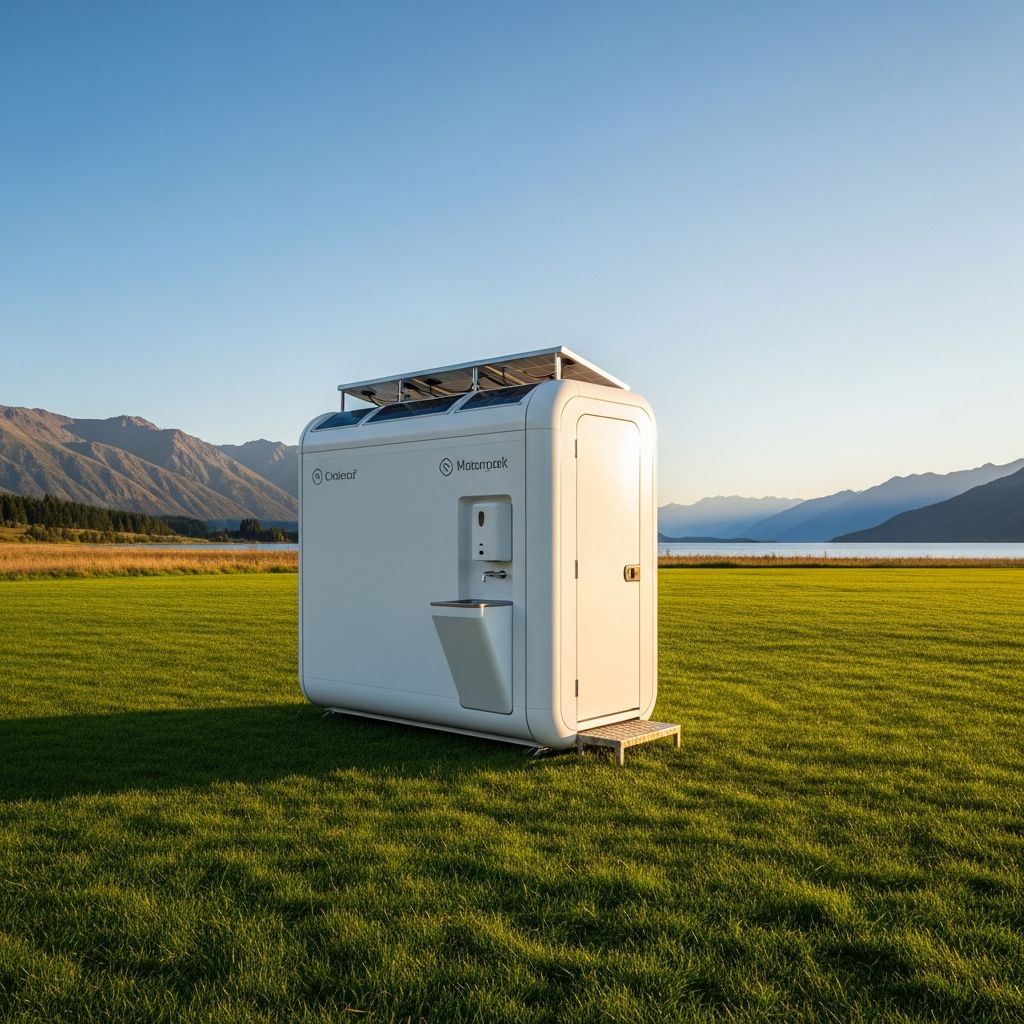
Portable toilets have evolved from crude buckets to surprisingly comfortable and hygienic systems that make life easier on road trips, campsites, boats, job sites, and during home emergencies. Whether you are planning a weekend in the woods or preparing for power outages, understanding your options helps you stay comfortable and compliant with local rules about waste disposal.
Why Portable Toilets Matter More Than You Think
A good portable toilet does much more than provide a place to go; it protects the environment, keeps smells under control, and reduces the risk of contamination in areas without plumbing. When chosen well, it can turn a rough outing into a relaxed experience and make long trips or temporary living situations far more manageable.
- They reduce the temptation to go outdoors where human waste can pollute soil and water.
- They help families, crews, and groups maintain comfort and privacy when facilities are limited.
- They support emergency preparedness when sewer lines, water supply, or power are disrupted.
Major Types of Portable Toilets
Not all portable toilets are built alike. The right model for a solo hiker is very different from what a large family in an RV or boat needs. Below are the core categories you will typically encounter.
1. Simple Bucket and Bag Systems
Bare-bones portable toilets are often just a sturdy bucket with a lid and a seat, paired with disposable liners. They are extremely lightweight and affordable, making them popular for minimalist camping, backup use at home, or as a spare option for guests using an outbuilding or workshop.
These units rely on bags or compostable liners to contain waste, which are then tied and disposed of according to local rules. Odor control usually comes from absorbent powders, cat-litter-style granules, or gel packs sprinkled into the liner.
2. Self-Contained Flush Toilets (Cassette Style)
Self-contained flush toilets combine a fresh water tank, a bowl with a seat, and a sealed waste tank into a compact unit. A manual piston or bellows pump sends water into the bowl, and a valve or lever opens to drop waste into the lower tank. These are extremely popular for car campers, van dwellers, RV users, and boat owners.
Because the waste tank is sealed and usually treated with chemical or biological additives, these toilets offer better odor control and a more familiar, home-like experience than bucket systems. The trade-off is more weight and a need for careful dumping at approved locations.
3. Folding and Collapsible Toilets
Folding toilets look like a compact camp stool with a toilet seat mounted on top. When not in use, the legs collapse flat, making them easy to store in a small car trunk, kayak hatch, or backpack. Liners or bags attach under the seat to collect waste.
These are ideal for hikers, paddlers, and ultralight campers who need a dedicated toilet but cannot spare much space. Comfort can be less than rigid units, so they tend to work best for short-term trips rather than long stays.
4. Composting and Dry Toilets
Compact composting-style portable toilets use little or no water and pair waste with bulking materials like sawdust or coconut coir. With proper ventilation and management, they can greatly reduce odors and gradually transform waste into a more stable, soil-like material.
These systems are popular in off-grid cabins, tiny homes, boats, and long-term vans where frequent dumping of liquid waste tanks is inconvenient. They tend to be bulkier and more expensive but can shine in semi-permanent setups.
Key Features to Compare Before You Buy
When browsing portable toilets online or in stores, it helps to think beyond price. The best choice depends heavily on how often you will use it, how many people need it, and where you can legally dump the waste.
Capacity and Tank Size
- Waste tank volume: Larger tanks mean fewer trips to dump stations but also more weight to carry when full.
- Fresh water tank size: For flushing toilets, a bigger clean-water tank allows more flushes but adds bulk.
- Usage estimates: Many manufacturers provide an approximate number of flushes or uses between emptying; use this as a guide for trip planning.
Flushing and Operation Style
- Manual piston or pump flush: Common in cassette toilets; provides a good rinse with each use.
- Gravity drop or no-flush: Simpler mechanisms have fewer parts to fail but may require more cleaning.
- Separate urine diversion: Some dry toilets split liquids and solids to reduce odor and make longer-term use easier.
Comfort and Height
Seat height matters more than many buyers expect. A very low toilet can be hard to use for taller adults or anyone with limited mobility, while high seats may be awkward for children. Comparing listed heights to a standard household toilet gives a clear sense of what to expect.
Also pay attention to seat shape and overall footprint; a generous seat is more comfortable but takes more room in a tent, vehicle, or tiny bathroom.
Portability and Storage
- Consider the weight when empty and when full, especially if you must carry the toilet a distance to a dump point.
- Check whether the unit separates into sections (such as detachable tanks) to make transport easier.
- Look at the overall dimensions to ensure it fits in your vehicle trunk, RV compartment, or boat locker.
Odor Management
Modern portable toilets rely on multiple layers of odor control: sealed valves, venting, chemical or biological treatments, and physical absorbents. For family trips or small spaces like vans, prioritizing a design with secure seals and reliable valves is worth the extra cost.
If you prefer eco-friendly options, look for biodegradable treatments and bag liners designed for human waste, and always follow local disposal rules.
Portable Toilet Types at a Glance
The table below summarizes typical strengths and trade-offs of the main portable toilet categories to help you quickly spot which style fits your situation.
| Toilet Type | Best For | Pros | Limitations |
|---|---|---|---|
| Bucket & Bag | Minimalist camping, emergency backup, tight budgets | Very affordable; simple design; lightweight; easy to store | Less comfortable; relies heavily on liners; more odor risk if not sealed well |
| Self-Contained Flush (Cassette) | Car camping, RVs, boats, long road trips | More home-like experience; effective odor control; sealed waste tank | Heavier; more moving parts; requires proper dump points and additives |
| Folding / Collapsible | Hiking, paddling trips, lightweight overnights | Extremely portable; packs flat; quick to set up | Less stable and comfortable; completely dependent on liners |
| Composting / Dry | Off-grid cabins, tiny homes, long-term vans or boats | Low water use; long intervals between emptying; reduced odor when managed well | Higher cost; bulkier; requires careful maintenance and correct materials |
Matching a Portable Toilet to Your Scenario
Choosing the right toilet is easier when you think about where and how you will use it. Below are common situations and the features that matter most in each case.
Weekend Camping and Road Trips
- Prioritize portability and quick setup over large capacity, especially if you can access campground dumps or rest stops.
- Compact flush toilets or sturdy bucket systems with quality liners work well for small groups.
- Look for secure lids and tieable bags to keep smells contained inside your vehicle.
RV, Van Life, and Boats
- Focus on sealed tanks and good odor management because space is tight and ventilation limited.
- Check the compatibility of your toilet with marine or RV dump stations.
- Consider composting or dry toilets for long-term living to reduce trips to dump points.
Home Emergencies and Guest Overflow
Storms, sewer backups, and construction projects can all leave your household without a functioning bathroom, even if the outage is temporary. Keeping a dedicated portable toilet on hand ensures privacy and sanitation when pipes or power fail.
For emergency backup, a simple but solid bucket-and-seat system or a medium-size flush unit often strikes the best balance between affordability, ease of storage, and comfort for both adults and children.
Hygiene, Cleaning, and Waste Disposal
Even the best portable toilet becomes unpleasant if it is not cleaned and emptied properly. A consistent routine keeps odors under control and extends the life of seals, valves, and tanks.
Basic Maintenance Routine
- Empty regularly: Do not wait until the tank is completely full; partial emptying is easier and less messy.
- Use appropriate treatments: Chemical or biological additives help break down waste and control smell.
- Rinse thoroughly: After dumping, rinse the tank with clean water and, if recommended, a mild, non-abrasive cleaner.
- Protect seals: Lightly lubricate gaskets and sliding valves with compatible products if the manufacturer suggests it.
Responsible Disposal Practices
Human waste and used liners must always be disposed of at approved locations. Many campgrounds, marinas, and RV parks provide designated dump stations, and some areas offer public facilities specifically for portable toilet waste. Tossing bags into regular trash or dumping into storm drains is often illegal and environmentally harmful.
Before you travel, check local rules and identify the nearest dump locations along your route so you are never forced into unsafe or improper disposal choices.
Accessories That Make a Big Difference
A portable toilet works best as part of a small system that includes privacy, storage, and cleaning tools. Some inexpensive accessories significantly improve comfort and sanitation.
- Privacy shelters: Pop-up tents or shower enclosures create a separate bathroom area at camp.
- Absorbent or gel packs: These reduce sloshing and smell in bag-based systems.
- Biodegradable liners: Designed for human waste, they are stronger than typical trash bags and resist leaks.
- Dedicated cleaning kit: Keep a small caddy with gloves, disinfectant wipes, and a soft brush or sponge.
- Floor mats: A simple mat under the toilet helps keep dirt and moisture away from the base.
Common Mistakes to Avoid
Many frustrations with portable toilets come from a few predictable missteps. Avoiding these makes ownership almost as simple as using a normal bathroom.
- Choosing a tank that is too large to lift comfortably when full.
- Skipping additives or absorbents and then being surprised by odor or clumping.
- Storing the toilet without fully drying tanks and seals, which can cause mold or sticking valves.
- Ignoring manufacturer instructions and using harsh cleaners that damage plastic or rubber parts.
Portable Toilet FAQs
How often should a portable toilet be emptied?
Most families find that a small tank needs emptying every one to three days during regular use, while larger tanks may go longer. In hot weather or confined spaces, it is worth emptying more frequently than strictly necessary to keep odors down.
Can portable toilets go in regular household trash?
Loose waste and many types of liners cannot legally or safely go into ordinary trash. Only use waste bags specifically labeled for human waste and follow local rules, which may require disposal at designated drop-off locations or in supervised trash systems that accept such bags.
Are chemicals required, or can I use natural alternatives?
Traditional toilet chemicals are effective odor reducers, but many people prefer environmentally friendly options. Enzyme-based treatments, composting blends, and natural absorbents like sawdust or coconut coir can work well as long as you pair them with correct disposal practices.
Will a portable toilet smell inside a small van or tent?
A well-sealed, well-maintained toilet with proper treatments should not produce strong odors in normal use. Ventilation, timely emptying, and careful handling of the waste tank or bags are the biggest factors in keeping smells under control.
What should I look for if I have limited mobility?
Focus on seat height similar to or slightly higher than your home toilet, a stable base that does not wobble, and large, easy-to-use flushing and valve controls. Some users also appreciate armrests or nearby grab handles in a privacy tent or small bathroom to help with sitting and standing.
Final Thoughts
Modern portable toilets offer far more comfort and cleanliness than the old stereotypes suggest. By understanding the basic styles, comparing capacity and features, and planning ahead for disposal and maintenance, you can choose a setup that keeps every trip, project, or emergency situation as stress-free and sanitary as possible.
Similar Articles





Read full bio of medha deb