The Modern Home Survival Guide: Cleaning Habits and Essentials That Simplify Everyday Life
Build simple, reliable cleaning habits that keep your home livable—without spending your entire weekend scrubbing.
Keeping a home livable is less about perfection and more about building smart habits, choosing a few reliable tools, and knowing where your effort makes the biggest difference. This guide walks through the core cleaning skills, products, and systems that make everyday life easier, even if you are short on time or energy.
Why Basic Cleaning Skills Matter More Than Ever
A consistently maintained home reduces stress, supports better health, and saves money on repairs and replacements. Dust, grime, and clutter all build up faster than most people expect, but a simple strategy keeps them manageable. Instead of chasing one-time deep cleans, the goal is to create a foundation of small, repeatable skills that protect your home over time.
Once you know which tasks truly matter and how to do them efficiently, cleaning stops feeling like a crisis response and starts to become a quiet support system in the background of your week. The following sections break these survival skills into focused, easy-to-implement ideas.
The Core Cleaning Mindset: Simple, Repeatable, Realistic
Before buying any products or reorganizing a closet, it helps to define the mindset that will keep your home manageable. Cleaning isn’t about chasing a magazine-style image; it is about making daily life smoother and safer for everyone who lives there.
- Simple: Fewer products, fewer gadgets, and fewer complicated rules mean you are more likely to start and finish a task.
- Repeatable: Any method that you cannot repeat weekly (or daily) is too complex for real life.
- Realistic: Your routine should reflect your schedule, energy levels, and the number of people and pets in your home, not an idealized fantasy.
Essential Tools Every Home Should Have
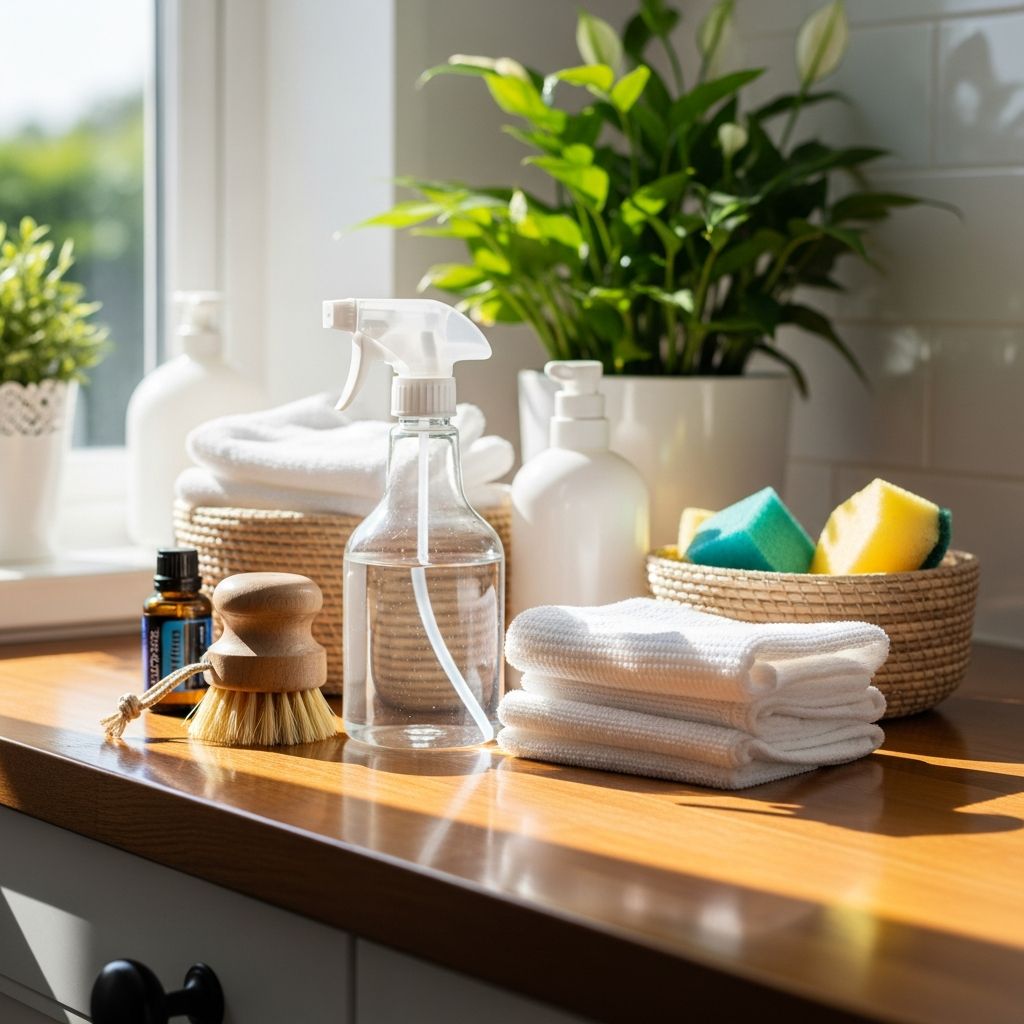
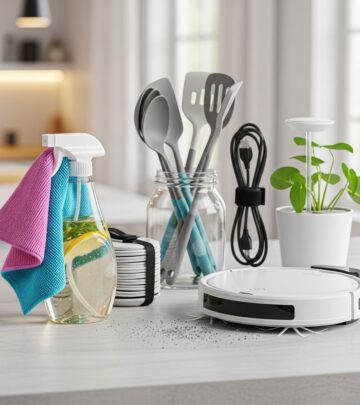
A small, well-chosen toolkit beats a cabinet stuffed with random sprays that never quite work. Focus on versatile tools that are comfortable to use and easy to store so you actually reach for them.
Must-Have Cleaning Tools
- Microfiber cloths for dusting, wiping counters, and polishing surfaces.
- A sturdy broom and dustpan for quick floor cleanups.
- A vacuum with attachments for floors, upholstery, and tight corners.
- A flat mop or spray mop with washable pads for hard floors.
- A squeegee or scrub brush for showers, tubs, and tile.
- Reusable spray bottles for homemade or concentrated cleaners.
- Rubber gloves to protect skin and encourage you to tackle tougher jobs.
Essential Cleaning Products
Most homes can stay clean using a short list of multi-purpose products. This avoids decision fatigue and reduces storage clutter under sinks and in closets.
- All-purpose cleaner for counters, appliance exteriors, and many hard surfaces.
- Glass and mirror cleaner or a vinegar-based solution for shiny surfaces.
- Bathroom cleaner that tackles soap scum, mildew, and hard water marks.
- Disinfecting wipes or spray for high-touch areas when needed.
- Dish soap for dishes, spot-cleaning floors, and gentle degreasing.
- Laundry detergent and stain remover for clothing, linens, and some upholstery.
Quick Reference Tool and Product Table
| Item | Primary Use | Bonus Use |
|---|---|---|
| Microfiber cloth | Dusting and wiping surfaces | Polishing stainless steel and glass when slightly damp |
| Vacuum with tools | Floors and carpets | Baseboards, sofa crevices, and mattresses |
| All-purpose cleaner | Kitchen counters and tables | Cabinet doors, trash can wipe-downs, and door frames |
| Bathroom cleaner | Tubs, tiles, sinks, and toilets | Shower glass and grout touch-ups |
| Laundry detergent | Clothing and linens | Cleaning washable slipcovers and some rugs (check labels) |
Designing a Cleaning Routine That You Will Actually Follow
A realistic cleaning routine breaks tasks into small, predictable chunks instead of marathon sessions. The idea is to spread the work across the week so no single day feels overwhelming, and to prioritize the tasks that protect health and comfort first.
Daily Essentials (10–20 Minutes)
- Clear and wipe kitchen counters after meals.
- Wash dishes or run the dishwasher before bed.
- Do a quick bathroom counter and sink wipe in the most-used bathroom.
- Pick up clutter from main living areas for five minutes.
- Start or fold one small load of laundry, if needed.
Weekly Tasks (30–60 Minutes, Broken Up)
- Vacuum or sweep all high-traffic floors.
- Mop hard floors in the kitchen and bathroom.
- Clean toilets, tubs, and showers.
- Dust flat surfaces and electronics.
- Change bed linens and wash towels.
Monthly and Seasonal Tasks
Some tasks matter, but not often enough to live on a calendar in your head. Listing them out by month or season keeps you from forgetting the deeper maintenance that keeps systems running well.
- Monthly: Wipe baseboards, clean inside microwave, check for expired food in pantry and fridge.
- Quarterly: Wash pillow protectors and duvets, clean behind larger appliances, vacuum upholstery.
- Seasonal: Deep clean windows, flip mattresses (if applicable), and declutter storage spaces.
Room-by-Room Survival Skills
Every space in your home has a few high-impact tasks that dramatically improve how it looks and feels. Focusing on those first helps you triage when time is short and keeps chaos from spreading.
Kitchen: The Daily Workhorse
The kitchen gets more traffic and mess than almost any other room, but small habits keep it from turning into a disaster zone. The main goals are to keep food prep surfaces safe and dishes under control.
- Clean as you cook by tossing scraps, loading the dishwasher, and wiping minor spills immediately.
- Set a nightly “reset”: clear counters, load or start the dishwasher, and wipe the sink.
- Empty the trash and recycling regularly to prevent odors and pests.
- Schedule a weekly fridge wipe-down and quick inventory to reduce waste.
Bathroom: Hygiene and Humidity Control
Bathrooms are small but can become unpleasant quickly if neglected. Moisture, product buildup, and daily use mean that short, regular efforts go much further than rare deep scrubs.
- Keep a small spray bottle and cloth under the sink for fast counter and sink wipes.
- Use a squeegee or microfiber cloth to quickly remove water from shower walls and glass after use.
- Clean toilets at least weekly, more often in high-traffic homes.
- Run an exhaust fan or open a window to reduce humidity and prevent mildew.
Bedroom: Restful and Clutter-Light
Since bedrooms are often out of sight, they tend to collect clutter. A calmer bedroom improves sleep and makes mornings less chaotic.
- Keep surfaces mostly clear, limiting nightstand items to true essentials.
- Change bed linens weekly or at least every two weeks, depending on use and climate.
- Adopt a “floor is not storage” rule to discourage piles of clothing or bags.
- Use baskets or bins inside closets for categories like accessories, seasonal items, or workout clothes.
Living Room: High-Visibility Maintenance
The living room is where clutter and crumbs often collect, especially for households with kids, pets, or frequent guests. Focus on quick resets that restore order without demanding perfection.
- Keep a small basket for items that belong in other rooms and empty it once a day.
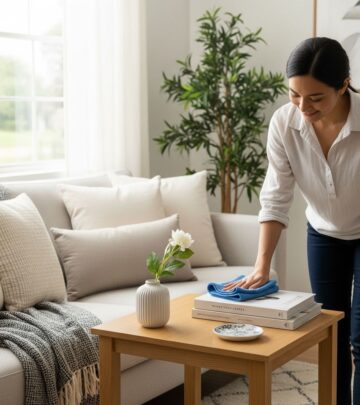
- Do a fast cushion fluff, throw blanket fold, and surface wipe before relaxing in the evening.
- Vacuum or sweep high-traffic paths regularly to stay ahead of dirt and pet hair.
- Limit decor on coffee tables to a few easy-to-move items to simplify dusting.
Quick Cleaning Skills That Save You Time
Some techniques dramatically speed up cleaning by combining tasks, using the right direction of motion, or taking advantage of product dwell time. Learning a few of these shortens your routine without sacrificing results.
- Top-to-bottom method: Dust or wipe higher surfaces first, then work down to floors so debris falls onto areas you have not cleaned yet.
- Work in zones, not rooms: Tackle similar surfaces across the home at once (all mirrors, all toilets, all floors) to avoid constant product and tool switching.
- Let products sit: Apply bathroom cleaner or degreaser and let it rest for several minutes before scrubbing, giving the ingredients time to break down grime.
- Use two cloths: One damp cloth for wiping and one dry cloth for buffing reduces streaks and speeds up final polishing.
- Carry a caddy: Keep frequently used products in a portable bin so you can move from room to room quickly.
Preventive Habits That Keep Mess from Growing
Preventive cleaning focuses on stopping dirt and clutter before they spread. These small habits are some of the most powerful survival skills you can develop, because they shrink the size of future messes.
- Place doormats inside and outside main entrances to catch dirt before it reaches your floors.
- Adopt a “one in, one out” rule for categories like shoes, toys, or kitchen tools to avoid overstuffed storage.
- Keep a small trash can in every frequently used room to prevent wrappers and scraps from lingering.
- Store cleaning tools near where they will be used (for example, a toilet brush and cleaner in each bathroom).
- Teach all household members to rinse dishes quickly and place them directly into the dishwasher when possible.
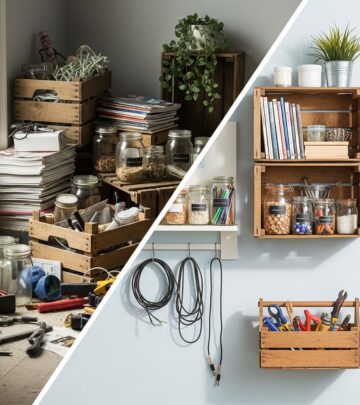
Organizing for Easier Cleaning
Organization and cleaning support each other. When items have clear homes and surfaces are not overloaded, dusting and wiping become quick, low-friction tasks instead of major projects.
Simple Storage Principles
- Store frequently used items at eye level and rarely used items higher or lower.
- Use clear bins or labeled containers to group similar items together.
- Avoid stacking too many items deep on shelves, which invites forgotten clutter.
- Reserve prime storage spots for everyday essentials, not sentimental or seasonal items.
Decluttering to Support Cleanliness
Excess belongings make it harder to clean, not just harder to find things. Decluttering is a cleaning skill because it reduces surfaces, corners, and piles that collect dust and grime.
- Start small, such as one drawer, shelf, or counter corner at a time.
- Use three categories: keep, donate/sell, and discard.
- Be honest about how often you truly use an item, not how often you wish you used it.
- After decluttering, immediately remove donation and trash bags from the house to avoid second-guessing.
Cleaning with Kids, Roommates, or Partners
Shared living spaces work best when cleaning is a team effort. Instead of one person quietly absorbing all the work, create simple systems and expectations that everyone can follow, regardless of age or schedule.
Delegating and Sharing Tasks
- Assign recurring roles such as “dish helper,” “trash and recycling manager,” or “floor checker.”
- Use a visible, simple checklist on the fridge or a shared app so everyone knows what needs to be done.
- Match tasks to strengths and preferences when possible to reduce friction.
- For kids, break jobs into clear, specific steps and demonstrate what “finished” looks like.
Protecting Relationships While Keeping the House Functional
Different people have different tolerances for mess. Clear, respectful communication about basic standards helps prevent resentment and avoids turning cleaning into a constant argument.
- Agree on a baseline for shared spaces such as the kitchen, living room, and bathroom.
- Allow more personal freedom in individual bedrooms, as long as hygiene and safety are maintained.
- Schedule short, shared cleaning sessions rather than asking for help only during big crises.
- Appreciate visible effort from others, even if they do not complete tasks exactly as you would.
Eco-Conscious and Budget-Friendly Cleaning Choices
A home survival kit does not have to be expensive or wasteful to be effective. Many people prefer to reduce harsh chemicals where possible, minimize packaging, or stretch their budget while still achieving a clean, healthy space.
- Consider concentrated cleaners you dilute at home to reduce plastic waste and storage needs.
- Use washable cloths and mop pads instead of disposable wipes and pads whenever practical.
- For some tasks, simple ingredients like mild soap and warm water are enough.
- Repair and maintain tools (such as replacing vacuum filters) rather than rushing to buy replacements.
Frequently Asked Questions about Home Cleaning Survival Skills
How do I start when my home feels overwhelmingly messy?
Begin with the area you use most, often the kitchen or living room, and focus on visible surfaces first. Clear trash, gather dishes, and do a fast wipe of counters or a quick vacuum of floors. Once one small zone feels better, it becomes easier to keep going. Set a timer for 10–15 minutes at a time so the task feels finite and approachable.
What is the minimum I should do each day to keep my home livable?
If life is very busy, prioritize dishes, kitchen counters, and bathroom sinks because they impact hygiene and comfort the most. Add a quick clutter pickup in your main living area and start or fold one small load of laundry if necessary. Even on tough days, these basics help prevent mess from spiraling.
How many cleaning products do I really need?
Most households can do well with five or six core items: an all-purpose cleaner, a bathroom cleaner, a glass cleaner, dish soap, laundry detergent, and a disinfectant product for targeted use. Specialty products can be helpful, but they are rarely essential for everyday maintenance. The key is choosing products that actually work on the surfaces in your home and using them consistently.
How can I keep up with cleaning if I work long hours?
Focus on tiny daily routines and short weekly sessions instead of large weekend projects. For example, tidy and wipe the kitchen for five to ten minutes after dinner and handle one weekly task (like vacuuming or bathroom cleaning) on a rotating schedule. If your budget allows, consider outsourcing occasional deep cleaning so your energy goes toward maintenance instead of catching up.
How do I stay motivated to maintain these habits?
Link cleaning tasks to existing routines, like wiping the bathroom sink after brushing your teeth or starting the dishwasher before bed. Celebrate the benefits you notice—faster mornings, fewer lost items, and a more relaxing home environment. When you miss a day or week, skip the guilt and simply restart with the next small, doable action.
Similar Articles



Read full bio of medha deb