Mold Cleanup: Complete Guide to Safe Remediation
Expert mold cleanup strategies to safely remove contamination and protect your home.
Mold Cleanup: A Comprehensive Guide to Safe Remediation
Mold growth in homes is a common problem that requires immediate attention. Whether you’ve discovered mold in your bathroom, basement, or attic, understanding proper cleanup procedures is essential for protecting your family’s health and your home’s structural integrity. This guide covers everything you need to know about mold cleanup, from identifying the problem to implementing effective remediation strategies.
Understanding Mold Contamination
Mold thrives in damp environments and can spread rapidly if left unchecked. When water damage occurs—whether from leaks, flooding, or poor ventilation—mold can develop within 24 to 48 hours. The presence of mold indicates an underlying moisture problem that must be addressed to prevent recurrence.
Mold contamination extends beyond visible growth. Mold spores, fragments, and mycotoxins can become airborne, contaminating other areas of your home. Dead mold remains allergenic and potentially toxic, making complete removal rather than just killing the mold essential for proper remediation.
Assessing the Severity of Mold Growth
Before beginning cleanup, determine whether you can handle the problem yourself or need professional assistance. The extent of mold contamination significantly impacts your approach.
Small-Scale Mold Problems: Surface mold on non-porous materials in limited areas (typically less than 10 square feet) may be manageable with careful DIY cleanup using proper protective equipment.
Large-Scale Contamination: Extensive mold growth affecting building materials, insulation, or structural components requires professional mold remediation services. Disturbing large areas of contamination without proper containment can spread spores and toxins throughout your entire home.
Essential Safety Equipment for Mold Cleanup
Proper protective equipment is critical when handling mold contamination. Improper cleanup efforts can spread mold, bacteria, microbes, and toxins throughout your entire structure.
Required Protection
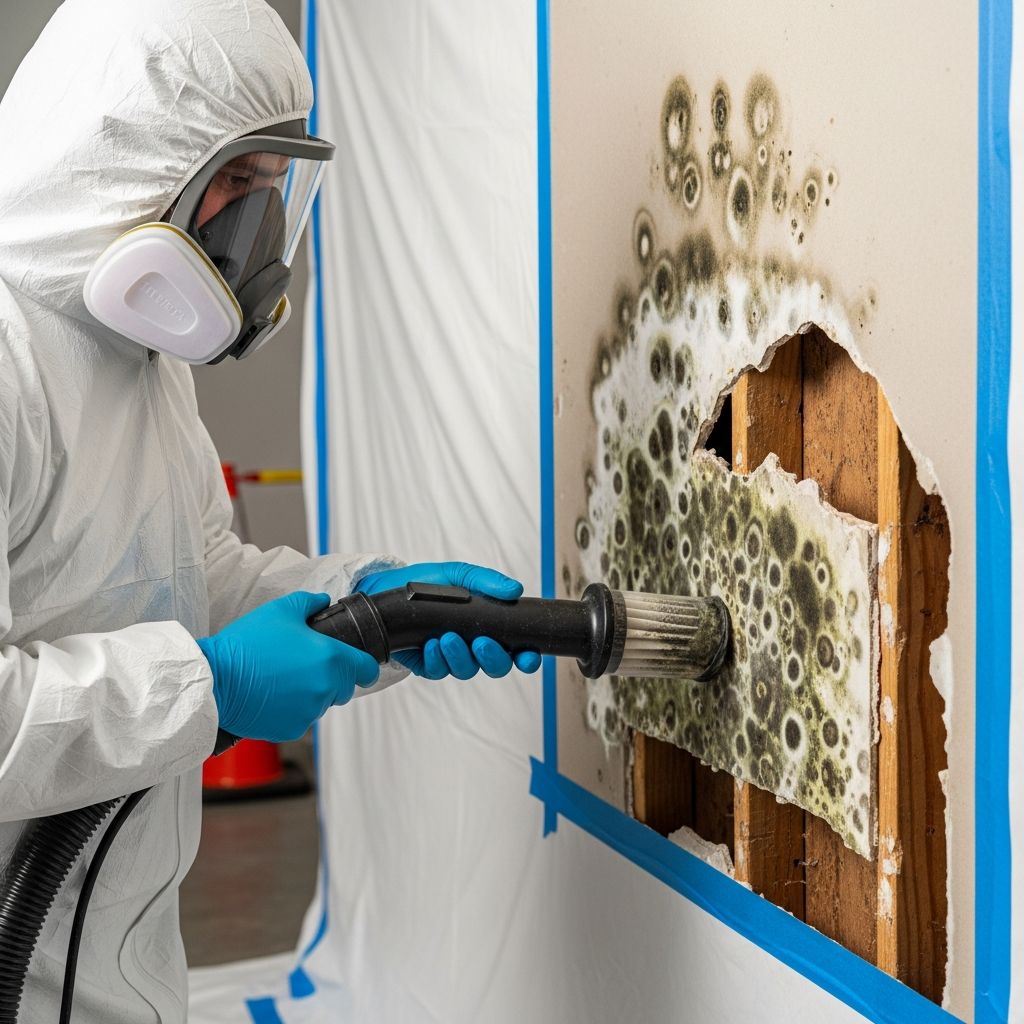
Respiratory Protection: Use an N-95 respirator or better, such as a half-face or full-face respirator with N, R, or P100 filters. Replace filters after each use to maintain effectiveness.
Protective Clothing: Wear a disposable body suit such as TYVEK that covers your entire body. Include mold-impervious, disposable head and foot coverings. Seal all gaps around ankles and wrists to prevent spore exposure.
Hand Protection: Use disposable gloves to avoid direct contact with contaminated materials. Double-gloving provides extra protection when handling heavily contaminated areas.
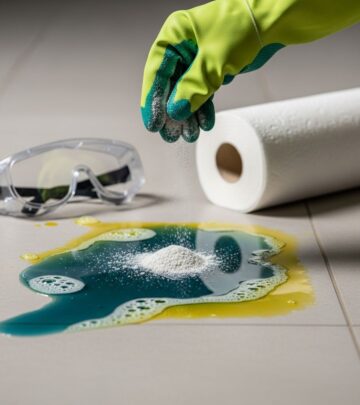
Eye Protection: Safety glasses protect your eyes from mold spores and cleaning solution splashes during remediation work.
Proper Containment Procedures
Containment is essential to prevent mold spores from spreading to unaffected areas of your home. Professional remediation uses several containment strategies.
Containment Methods
Isolate Work Areas: Create physical barriers using plastic sheeting to separate contaminated areas from occupied spaces. Seal doorways and vents with duct tape to prevent air circulation between zones.
Negative Pressurization: Use exhaust fans or equipment to create negative air pressure in the work area. This prevents contaminated air from migrating into occupied areas of your home.
HEPA Filtration: Employ high-efficiency particulate air (HEPA) filters to capture airborne spores and particles during remediation. HEPA air purifiers help maintain safe air quality throughout the process.
Scheduling: Plan remediation during times of low or non-occupancy when possible. Occupants should be relocated during extensive remediation to avoid exposure to aerosolized spores and mycotoxins.
Step-by-Step Mold Cleanup Process
Following proper procedures ensures effective mold removal and prevents recontamination.
Phase 1: Preparation
Before beginning cleanup, prepare your workspace. Ensure all protective equipment is properly fitted and in place. Set up containment barriers and negative pressure systems if handling significant contamination. Remove non-essential items from the affected area to prevent spreading contamination.
Phase 2: Removal of Contaminated Materials
Water-damaged building materials often cannot be salvaged. Carefully remove contaminated drywall, insulation, flooring, and other porous materials. Place removed materials in heavy-duty plastic bags and seal them properly for disposal. Non-porous materials can sometimes be cleaned and preserved.
Phase 3: Cleaning Procedures
After removing contaminated materials, clean all remaining surfaces. Use appropriate cleaning solutions based on the surface type. For non-porous surfaces, detergent and water followed by a drying step is often sufficient. Allow all cleaned surfaces to dry completely before reassembling.
Phase 4: Moisture Control
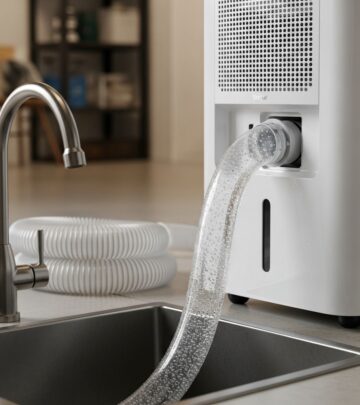
Address the underlying moisture problem that caused mold growth. Repair leaks, improve ventilation, and install dehumidifiers if necessary. Controlling humidity levels (ideally below 50 percent) prevents mold recurrence.
What NOT to Do During Mold Cleanup
Common mistakes can worsen mold problems and create additional health hazards.
Avoid Using Biocides and Bleach: Biocides, including bleach, are not recommended as routine practices during mold cleanup. These substances are toxic to humans and don’t effectively address the underlying contamination. Dead mold remains allergenic and potentially toxic, so killing mold without removing it is ineffective. Never use outdoor fungicides indoors for any purpose.
Do Not Paint Over Water Damage: Painting over water-damaged materials traps moisture and allows mold to continue growing beneath the surface. This approach causes further building degradation and ongoing occupant health issues.
Avoid Masking Odors: Using air-fresheners to mask musty odors ignores the underlying mold problem. The contamination continues growing while you simply cover up the symptoms.
Do Not Disturb Large Areas Without Protection: Handling contaminated materials without proper containment and protection spreads aerosolized spores and particles containing mycotoxins throughout your home.
When to Call Professional Mold Remediation Services
Certain situations require professional intervention to ensure safe and complete mold removal.
Extensive Contamination: Mold covering areas larger than 10 square feet or affecting structural materials should be handled by certified professionals with proper equipment and expertise.
Hidden Mold: If mold has penetrated wall cavities, attic spaces, or crawl spaces, professional assessment and remediation prevents incomplete cleanup.
Health Concerns: If household members have immune compromises, respiratory conditions, or mold allergies, professional remediation minimizes exposure risks.
Structural Damage: When mold has compromised structural integrity, professionals can assess damage extent and recommend appropriate repair solutions.
Complex Water Damage: Multiple water damage sources or unclear damage extent require professional investigation and planning to prevent remediation failures.
Creating a Safe Room Solution
For situations where comprehensive remediation isn’t immediately affordable, experts suggest creating temporary safe rooms within moldy dwellings.
Safe Room Setup: Positively pressurize a single room by using portable air filtration systems. HEPA air purifiers continuously filter room air, removing mold spores and particles. Seal all gaps around doors and vents to maintain positive pressure and prevent contaminated air from entering the space.
Temporary Protection: This solution provides a cleaner environment while permanent remediation solutions are planned. Thoroughly cleanse pets and vehicles with natural, non-chemical products to prevent tracking contamination between the safe room and other areas.
Prevention Strategies for Future Mold Growth
Preventing mold is far easier than addressing severe contamination.
Moisture Control
Maintain humidity levels below 50 percent using dehumidifiers and proper ventilation. Fix leaks promptly, including roof leaks, plumbing leaks, and foundation cracks. Ensure gutters and downspouts direct water away from your home’s foundation.
Ventilation
Improve air circulation throughout your home, especially in bathrooms and kitchens. Use exhaust fans during and after showering. Clean HVAC system filters regularly and ensure ducts don’t accumulate dust that can harbor mold and bacteria growth.
Building Materials
Use mold-resistant building materials during renovations and repairs. Mold-resistant drywall, flooring, and insulation options provide better protection in moisture-prone areas.
Regular Inspections
Conduct regular home inspections, particularly in basements, attics, and crawl spaces. Address water stains and musty odors immediately before mold colonies establish themselves.
Understanding Mold Remediation Limitations
It’s important to recognize that some water damage situations cannot be completely resolved through remediation alone. Some water-damaged building materials may be too compromised for effective cleanup, requiring complete replacement instead.
Research has shown that certain remediation methods cannot completely eliminate all viable mold and mycotoxins from contaminated materials. This emphasizes the importance of prevention through proper moisture management throughout construction and ongoing home maintenance. When damage occurs, early intervention prevents extensive contamination that becomes difficult or impossible to fully remediate.
Frequently Asked Questions
Q: Can I clean small mold patches myself?
A: Small patches of surface mold on non-porous materials in limited areas (less than 10 square feet) may be cleanable with proper protective equipment, including N-95 respirators and full protective clothing. However, if you have respiratory conditions or mold allergies, professional remediation is safer.
Q: How quickly does mold grow after water damage?
A: Mold can develop within 24 to 48 hours of water exposure. Prompt water damage cleanup and thorough drying are essential to prevent mold growth.
Q: Is bleach effective for mold cleanup?
A: No. Biocides including bleach are toxic to humans and are not recommended for routine mold cleanup. Dead mold remains allergenic and potentially toxic, so killing mold without removing contaminated materials is ineffective.
Q: What humidity level should I maintain to prevent mold?
A: Keep indoor humidity levels below 50 percent. Use dehumidifiers and ensure proper ventilation to maintain appropriate moisture levels throughout your home.
Q: Do I need to relocate during professional mold remediation?
A: Yes, occupants should be relocated during extensive mold remediation to avoid exposure to aerosolized spores and mycotoxins released during the cleanup process.
Q: What should I do about mold in HVAC systems?
A: Professional HVAC cleaning and maintenance is recommended. Ensure filters are replaced regularly and dust accumulation is controlled, as high humidity and dust in HVAC systems promote mold and bacteria growth.
References
- Mold Remediation — Truth About Mold. 2024. https://www.truthaboutmold.info/mold-remediation
- Respiratory Health and Mold Exposure in Buildings — U.S. National Institute of Occupational Safety and Health (NIOSH). 2013. https://www.cdc.gov/niosh/topics/emf/
- Efficiency of Mold Remediation Methods and Mycotoxin Elimination — Peitzsch et al. 2012. PubMed Central. https://www.ncbi.nlm.nih.gov/pmc/
- Understanding Mold Growth in Moisture-Damaged Building Materials — Environmental Protection Agency (EPA). 2024. https://www.epa.gov/mold/
- HEPA Filtration and Indoor Air Quality Standards — American Society of Heating, Refrigerating and Air-Conditioning Engineers (ASHRAE). 2023. https://www.ashrae.org/
Similar Articles


Read full bio of medha deb