Moles vs Groundhogs: Spot the Yard Invader
Discover key signs to differentiate moles from groundhogs in your yard and protect your lawn effectively.
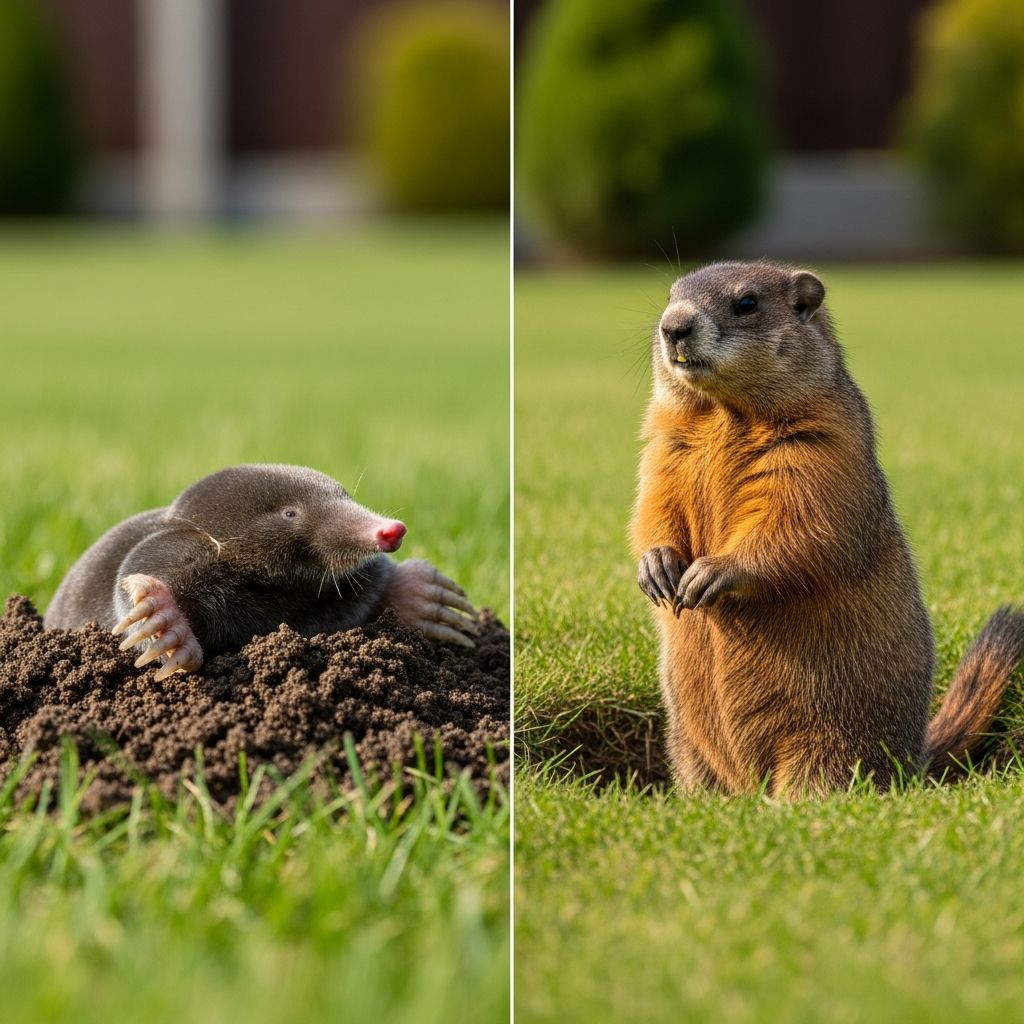
Distinguishing between moles and groundhogs is crucial for homeowners noticing unexplained yard disruptions. These subterranean creatures cause distinct forms of havoc, requiring different management strategies. By examining burrow characteristics, surface activity, and plant impacts, you can pinpoint the culprit and respond appropriately.
Understanding the Culprits: Biology and Appearance
Moles are small, insectivorous mammals adapted for underground life. They feature velvety fur, paddle-like forefeet for digging, tiny eyes hidden under fur, and no external ears. Groundhogs, also known as woodchucks, are larger rodents with stout bodies, short legs, prominent ears, and bushy tails. Their grayish-brown fur suits surface foraging.
- Moles: 4-8 inches long, weigh 2-4 ounces, live almost entirely underground hunting worms and grubs.
- Groundhogs: 16-26 inches long including tail, weigh 4-14 pounds, emerge daily to graze on vegetation.
These physical differences influence their digging styles and visible signs. Moles rarely surface, while groundhogs are diurnal herbivores often spotted basking or whistling alarms.
Signature Burrows: The Primary Clue
The most reliable identifier is burrow shape and size. Moles produce volcano-like mounds with a subtle central crater about 2 inches wide, pushed up from shallow tunnels 5-8 inches deep. Groundhog entrances are larger, 10-12 inches across, with fan-shaped dirt piles offset to one side, leading to deep systems up to 5 feet.
| Feature | Mole Burrows | Groundhog Burrows |
|---|---|---|
| Mound Shape | Dome/volcano, small hole in center | Fan-shaped pile, hole visible on side |
| Size | 2-4 inches diameter | 10-12 inches diameter |
| Depth | 5-8 inches shallow tunnels | Up to 5 feet deep networks |
| Surface Ridges | Yes, spongy raised lines | No ridges, occasional spoil heaps |
Mole tunnels form ridged paths detectable by stepping on soft, elevated grass strips that collapse underfoot. Groundhog burrows cluster near structures like fences or trees, with multiple secondary holes lacking dirt mounds.
Daily Routines and Visibility
Moles operate solo year-round, tunneling constantly for prey like earthworms, rarely emerging except to deposit soil. Groundhogs hibernate in winter, active mornings and evenings in summer, feeding on grasses, veggies, and bark. Listen for their sharp whistles or watch for upright sentinels.
- Moles active 24/7 underground, no daylight sightings.
- Groundhogs diurnal, often seen eating or sunning.
Absence of animal sightings points to moles; daytime rustling or clipped plants suggests groundhogs.
Damage Patterns: Lawns and Gardens Affected
Moles indirectly harm grass by uprooting sod through shallow networks, creating uneven surfaces ideal for weed invasion. They consume soil pests, sometimes aerating incidentally. Groundhogs devour crops outright, tunneling under roots and undermining patios or foundations.
- Mole impact: Wavy ridges, volcano hills, dying grass patches from root exposure.
- Groundhog impact: Gnawed veggies, large holes posing trip hazards, structural settling risks.
Gophers, often confused here, pull plants down by roots, leaving plugged lateral tunnels unlike mole ridges or groundhog fans.
Step-by-Step Yard Inspection Guide
- Scan for mounds: Measure diameter and note hole position. Small centered craters = moles; large side-offset fans = groundhogs.
- Check for ridges: Press on suspicious lines; spongy giveaways indicate active mole highways.
- Observe timing: Daytime activity or plant clipping implicates groundhogs; constant subsurface heaving signals moles.
- Assess plant loss: Surface nibbling vs. underground sod lift.
- Monitor locations: Edge burrows near woods/buildings favor groundhogs; widespread lawn tunnels suit moles.
Use a stick to probe ridges—moles collapse easily, confirming fresh work.
Management Strategies Tailored to the Pest
Once identified, apply species-specific tactics. For moles, bait active tunnels with worm-like granules or use vibrating repellents, as they shun surface traps. Flatten ridges daily to expose tunnels for treatment.
Groundhogs demand exclusion: Install 3-foot fences buried 12-18 inches, sunk with outward bends. Fill burrows with gravel when vacant, remove attractants like clover. Live traps baited with apples work near dawn/dusk.
| Method | Moles | Groundhogs |
|---|---|---|
| Baiting | Insect-based in tunnels | Not effective; herbivores |
| Trapping | Rarely surfaces | Live traps above ground |
| Fencing | Not needed | Essential for gardens |
| Repellents | Castor oil granules | Mothballs or ammonia |
Prevent recurrence by core aerating lawns to deter moles and mulching gardens against groundhogs.
Common Confusions: Moles, Groundhogs, and Others
Voles create surface runways without mounds, gnawing grass stems. Gophers form crescent-shaped mounds with lateral holes, deeper than moles. Chipmunks leave 2-inch holes sans dirt piles. Differentiate by combining mound ID with damage type.
- Voles: Runways + stem clippings, no volcanoes.
- Gophers: Kidney-bean mounds, root crops vanish.
Long-Term Prevention for a Peaceful Yard
Maintain healthy turf with grub controls to starve moles naturally. For groundhogs, diversify plantings away from edibles, secure compost. Professional assessments handle extensive infestations, ensuring safe removal.
Regular patrols expose new activity early. Tolerate low mole numbers for natural pest control unless damage escalates.
Frequently Asked Questions (FAQs)
Can moles and groundhogs coexist in one yard?
Yes, but rare; moles prefer insect-rich soil, groundhogs vegetated edges. Identify dominant signs for prioritized control.
How deep do groundhog tunnels go?
Up to 5 feet, spanning 50+ feet laterally, risking foundation issues.
Do moles eat plants?
Primarily insects; incidental root damage from tunneling, not direct consumption.
What’s the quickest way to confirm moles?
Step on ridges; if they reform overnight, moles are active.
Are groundhogs dangerous?
Not aggressive but holes cause trips; they defend burrows fiercely.
When do groundhogs hibernate?
Typically October to March, varying by climate.
References
- Gopher vs. Mole – Critter Control — Critter Control. 2023. https://www.crittercontrol.com/wildlife/gopher/gophers-vs-moles/
- Is it a Mole Vole or Gopher: How to Tell by Their Mounds — YouTube (Bees And Seeds). 2021-05-11. https://www.youtube.com/watch?v=bOiY8ov4Q-M
- How to Identify if I Have Moles or Groundhogs in My Yard — YouTube. 2017. https://www.youtube.com/watch?v=EGFd1sHHHvI
- Gopher vs Moles vs Groundhog — Trutech Wildlife Service. 2023. https://www.trutechinc.com/gopher-vs-moles-vs-groundhog/
- Mole, Vole and Gopher Mound Identification — YouTube (LandCare). 2020. https://www.youtube.com/watch?v=Rf-nwKYXZhY
- How To Identify If You Have Gophers, Moles, Or Voles Digging Up Your Yard — YouTube. 2022. https://www.youtube.com/watch?v=pTEzqB5wjcE
Similar Articles








Read full bio of Sneha Tete