Mopping Floors with Vinegar: A Natural Cleaning Solution
Learn how to clean your floors naturally with vinegar for a spotless, chemical-free shine.
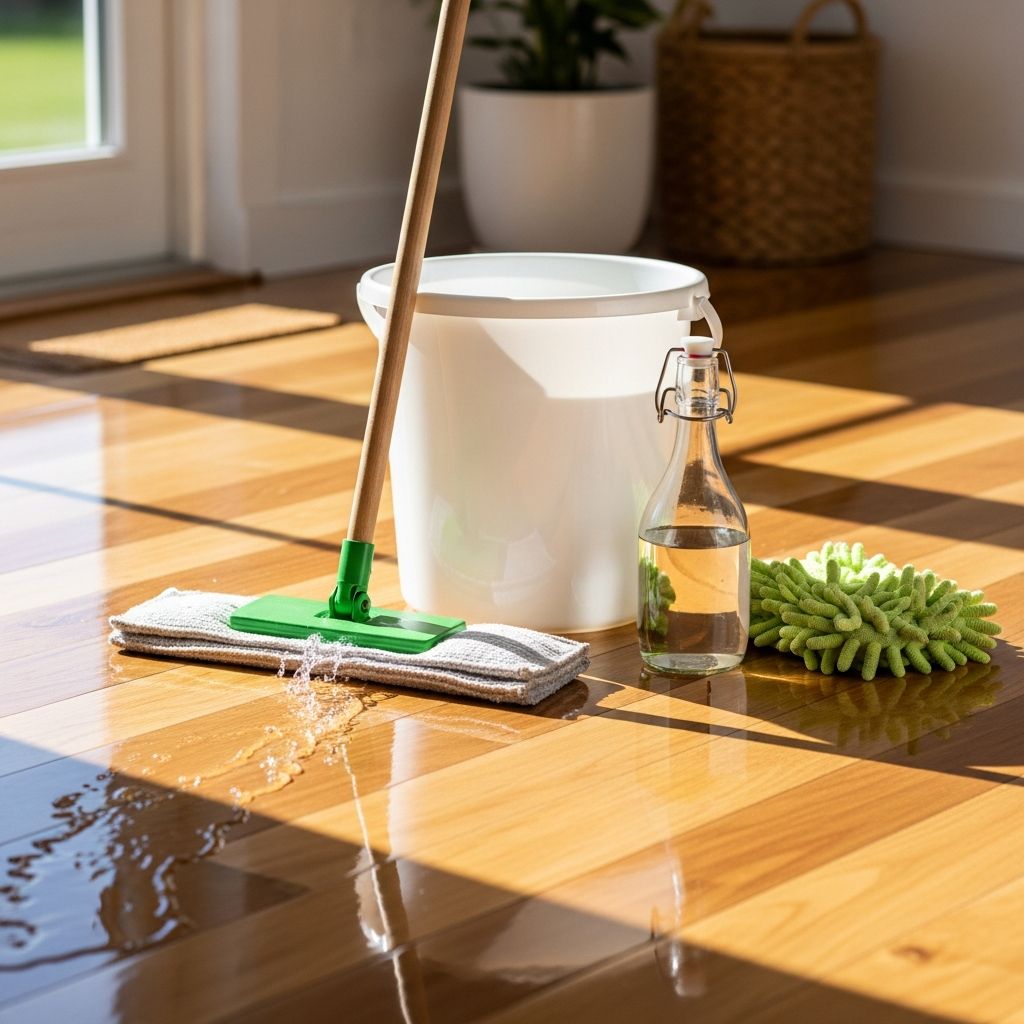
When it comes to maintaining clean and sparkling floors, many homeowners turn to commercial cleaning products laden with harsh chemicals. However, there’s a simple, effective, and budget-friendly alternative that has been used for generations: vinegar. Vinegar is a versatile household staple that can tackle floor grime, eliminate odors, and leave your floors gleaming without the worry of toxic fumes or expensive cleaning bills. Whether you’re dealing with hardwood, tile, laminate, or vinyl flooring, vinegar-based cleaning solutions offer an eco-friendly approach to floor maintenance that rivals conventional cleaning products.
Why Use Vinegar for Mopping Floors?
Vinegar has earned its place as a trusted household cleaner for several compelling reasons. Its natural acidity makes it exceptionally effective at cutting through grease, soap scum, mineral deposits, and built-up grime that accumulates on floors over time. Unlike harsh chemical cleaners that can damage surfaces or leave residual toxins, vinegar breaks down dirt naturally and safely.
Benefits of Vinegar Floor Cleaning:
- Cost-effective: Vinegar is significantly cheaper than commercial floor cleaners, costing just a few dollars per bottle while providing multiple cleaning solutions
- Environmentally friendly: Vinegar is biodegradable and poses no harm to the environment or aquatic ecosystems when it washes down your drain
- Non-toxic: Unlike conventional cleaners that release harmful volatile organic compounds (VOCs), vinegar is safe for homes with children and pets
- Versatile: One product can be used throughout your home for various cleaning tasks, from floors to countertops to windows
- No harsh fumes: While vinegar has a distinctive smell, it dissipates quickly and doesn’t create respiratory irritation like chemical cleaners
- Naturally antibacterial: Vinegar possesses mild antibacterial properties that help sanitize your floors
Types of Vinegar for Floor Cleaning
Not all vinegars are created equal when it comes to floor cleaning. Understanding the differences between vinegar types helps you choose the most effective option for your specific flooring needs.
White Vinegar
White vinegar is the most popular choice for floor cleaning. With an acidity level of around 5%, it’s strong enough to cut through grime and mineral deposits while remaining safe for most floor types. White vinegar is clear, won’t stain surfaces, and is readily available at any grocery store. Its neutral color makes it ideal for light-colored floors where dark vinegars might leave marks.
Apple Cider Vinegar
While apple cider vinegar has similar acidic properties to white vinegar, its amber color makes it less suitable for floor cleaning. The color can potentially stain lighter floors or leave streaks if not thoroughly rinsed. Apple cider vinegar is better reserved for other household cleaning tasks like drain cleaning or produce washing.
Distilled Vinegar
Distilled vinegar is essentially white vinegar that has been further purified. It offers similar cleaning benefits to white vinegar but may be slightly more expensive. For floor cleaning purposes, standard white vinegar is typically sufficient and more economical.
The Perfect Vinegar Cleaning Solution
Creating an effective vinegar cleaning solution is straightforward and requires only a few basic ingredients. The key is finding the right ratio of vinegar to water that effectively cleans without leaving your floors overly wet or streaky.
Basic Vinegar Solution Recipe:
- 1 gallon of warm water
- 1 cup of white vinegar
- Optional: 5-10 drops of essential oil for fragrance (lemon, lavender, or eucalyptus work well)
This ratio creates a gentle yet effective cleaning solution suitable for most floor types. However, for heavily soiled floors, you can increase the vinegar to 1.5 cups per gallon. For delicate surfaces or preventative cleaning, reduce it to ½ cup per gallon.
Enhanced Vinegar Solutions:
- For extra shine: Add 1 tablespoon of olive oil to the basic solution for a natural buffing agent
- For disinfecting: Add 10 drops of tea tree oil, which has natural antimicrobial properties
- For fresh scent: Add 15 drops of lemon essential oil to mask vinegar smell and add cleaning power
- For natural softening: Add ½ teaspoon of dish soap to help break down stubborn grime
Vinegar Solutions for Different Floor Types
Different flooring materials have varying levels of durability and sensitivity to acidic solutions. Tailoring your vinegar solution to your specific floor type ensures effective cleaning without causing damage.
Hardwood Floors
Hardwood floors require particular caution when using vinegar, as excessive moisture can cause warping and water damage. Use a diluted solution with a 1:4 ratio of vinegar to water (1 cup vinegar to 4 cups water). Ensure your mop is only damp, not soaking wet. Test the solution on an inconspicuous area first, and avoid letting the solution sit on the floor for extended periods.
Tile Floors
Ceramic and porcelain tile can handle standard vinegar solutions well. Use the basic 1:4 or 1:3 ratio. Vinegar is particularly effective for cleaning grout lines and removing soap scum from tile surfaces. You can even use a slightly stronger solution for heavily soiled tile without concern for damage.
Laminate Floors
Like hardwood, laminate is vulnerable to water damage and requires a more diluted vinegar solution. Use a 1:5 ratio (1 cup vinegar to 5 cups water) and ensure your mop is barely damp. Quick, efficient mopping prevents moisture from seeping into seams and causing swelling or warping.
Vinyl and Linoleum Floors
Vinyl and linoleum are more resistant to moisture and acidic solutions. These floors can handle a standard vinegar solution at a 1:3 or 1:4 ratio. Vinegar works exceptionally well on vinyl floors, cutting through accumulated grime and leaving a natural shine without streaking.
Stone Floors
Natural stone, including marble, limestone, and granite, can be damaged by vinegar’s acidity. Avoid using vinegar on these surfaces. Instead, use pH-neutral cleaners specifically designed for natural stone. The acidic nature of vinegar can etch and dull the surface over time, creating permanent damage.
Step-by-Step Guide to Mopping with Vinegar
Proper technique is essential to achieving the best results when mopping with vinegar. Follow these steps for clean, streak-free floors.
Preparation Steps:
- Vacuum or sweep your floors thoroughly to remove dust, dirt, and debris
- Fill your bucket with warm water and add the appropriate vinegar ratio for your floor type
- Stir the solution gently to combine ingredients
- Prepare a second bucket with clean water for rinsing your mop
Mopping Process:
- Dip your mop into the vinegar solution, ensuring it’s not overly saturated
- Wring out excess liquid to prevent leaving puddles on your floor
- Mop in the direction of the wood grain (for hardwood or wood-look floors) or in consistent strokes for other surfaces
- Work in manageable sections rather than trying to mop your entire home at once
- For stubborn spots, allow the solution to sit briefly before scrubbing gently with your mop
- Periodically rinse your mop in the clean water bucket to prevent spreading dirty water
- Once you’ve mopped an area, dry it immediately with a microfiber cloth or allow it to air dry
Tips for Streak-Free Results
One common concern with vinegar mopping is the potential for streaks or a hazy residue. These tips help ensure professional-looking, streak-free results.
- Don’t oversaturate: Wring your mop thoroughly so it’s damp but not dripping
- Use microfiber mops: Microfiber is more effective at capturing dirt and leaves fewer streaks than traditional mop materials
- Dry as you go: Following behind your wet mopping with a dry cloth prevents residue buildup
- Ventilate your space: Open windows to allow air circulation, which speeds drying and reduces vinegar smell
- Use distilled water: Tap water can contain minerals that contribute to streaking; distilled water helps prevent this
- Adjust vinegar ratio: If streaking persists, reduce the vinegar concentration for your next mopping
Addressing Common Concerns
The Vinegar Smell
The pungent aroma of vinegar is a common deterrent for many homeowners. Fortunately, the smell dissipates quickly as the solution dries. To minimize the odor, ensure adequate ventilation by opening windows and doors. Adding essential oils like lemon, lavender, or eucalyptus masks the smell and adds pleasant fragrance. A few drops go a long way in transforming the cleaning experience from unpleasant to aromatherapeutic.
Residue and Buildup
If you notice residue or buildup developing on your floors over time, you may be using too much vinegar or not rinsing adequately. Reduce the vinegar concentration in your solution or include a final pass with clean water on a damp mop. This removes any remaining acidic residue and prevents the cloudy appearance that occasionally develops with vinegar cleaning.
Safety for Pets and Children
While vinegar is generally safe for households with pets and children, undiluted vinegar can be harmful if ingested directly. Always use properly diluted solutions and store vinegar safely away from children and pets. The diluted cleaning solution poses minimal risk, and the small amount on floors is not a concern. However, discourage children from licking floors and ensure pets don’t directly consume vinegar.
When to Use Commercial Cleaners Instead
While vinegar is effective for regular maintenance and general floor cleaning, certain situations warrant commercial products. For deep sanitization of floors in kitchens or bathrooms, FDA-approved disinfectants may be more reliable. If your floors have wax finishes or specialized coatings, consult manufacturer recommendations before using vinegar. Additionally, for heavily soiled or stained floors requiring professional restoration, specialized commercial products designed for those specific issues may be necessary.
Maintaining Your Floors Between Mopping
To extend the time between deep cleanings and maintain floor appearance, implement regular maintenance practices. Vacuum or sweep daily to prevent dirt accumulation. Place mats at entry points to reduce the amount of soil brought into your home. Wipe up spills immediately to prevent staining or water damage. These simple practices, combined with periodic vinegar mopping, keep your floors looking their best while reducing the need for harsh chemical cleaners.
Frequently Asked Questions
Q: Is vinegar safe for all floor types?
A: Vinegar works well on tile, vinyl, and linoleum when properly diluted. However, it should be used cautiously on hardwood and laminate due to their sensitivity to moisture. Avoid vinegar entirely on natural stone like marble and granite, as its acidity can cause permanent damage.
Q: Can I use undiluted vinegar for stubborn stains?
A: Using undiluted vinegar on most floors risks damage from excessive acidity and moisture. Instead, apply the standard solution to the stain, allow it to sit for a few minutes, and gently scrub. For persistent stains, consider spot-treating with a slightly stronger diluted ratio rather than pure vinegar.
Q: How often should I mop my floors with vinegar?
A: For regular maintenance, mop high-traffic areas weekly and less-used spaces every two to three weeks. The frequency depends on foot traffic, the presence of pets, and household activities. Regular vacuuming between mopping sessions extends the time your floors remain clean.
Q: Will vinegar remove all floor odors?
A: Vinegar’s acidity helps neutralize many odors, particularly those from pet accidents or bacterial growth. For some odors, you may need to identify and address the underlying cause. For pet odors, enzymatic cleaners specifically designed for that purpose may be more effective than vinegar.
Q: Can I mix vinegar with other cleaning products?
A: Never mix vinegar with bleach or ammonia-based products, as this creates toxic chlorine gas. Vinegar can be safely combined with baking soda for enhanced cleaning power or with small amounts of dish soap. Always test any new combination on a small, inconspicuous area first.
Q: What’s the best mop type for vinegar cleaning?
A: Microfiber mop heads are ideal for vinegar cleaning, as they effectively capture dirt and leave fewer streaks than traditional cotton mops. String mops are an alternative, though they tend to leave more residue. Ensure your mop is clean before each use for best results.
Q: Does vinegar disinfect floors?
A: Vinegar has mild antibacterial properties and can help reduce some bacteria on floors. However, it’s not as potent as commercial disinfectants. For comprehensive disinfection, especially in kitchens or bathrooms, use EPA-approved disinfectants alongside or instead of vinegar.
References
- Vinegar as a Household Cleaner — United States Environmental Protection Agency (EPA). 2024. https://www.epa.gov/saferchoice/household-cleaners
- Natural Cleaning Products and Floor Care Guidelines — The Flooring Manufacturers Association. 2023. https://www.flooringmanufacturers.org/care-maintenance
- Acetic Acid in Cleaning Solutions: Safety and Efficacy — Journal of Environmental Health Perspectives. 2023. https://doi.org/10.1289/ehp.1206046
- Antimicrobial Properties of Household Vinegar — International Journal of Food Microbiology. 2022. https://doi.org/10.1016/j.ijfoodmicro.2022.109892
- Hardwood Floor Care and Maintenance — National Wood Flooring Association. 2024. https://www.nwfa.org/members/educational-resources/hardwood-floor-care
Similar Articles




Read full bio of Sneha Tete