Mastering Mosaic Tile Grouting: Complete Process Guide
Learn professional techniques for perfectly grouting mosaic tiles with expert tips and step-by-step instructions.
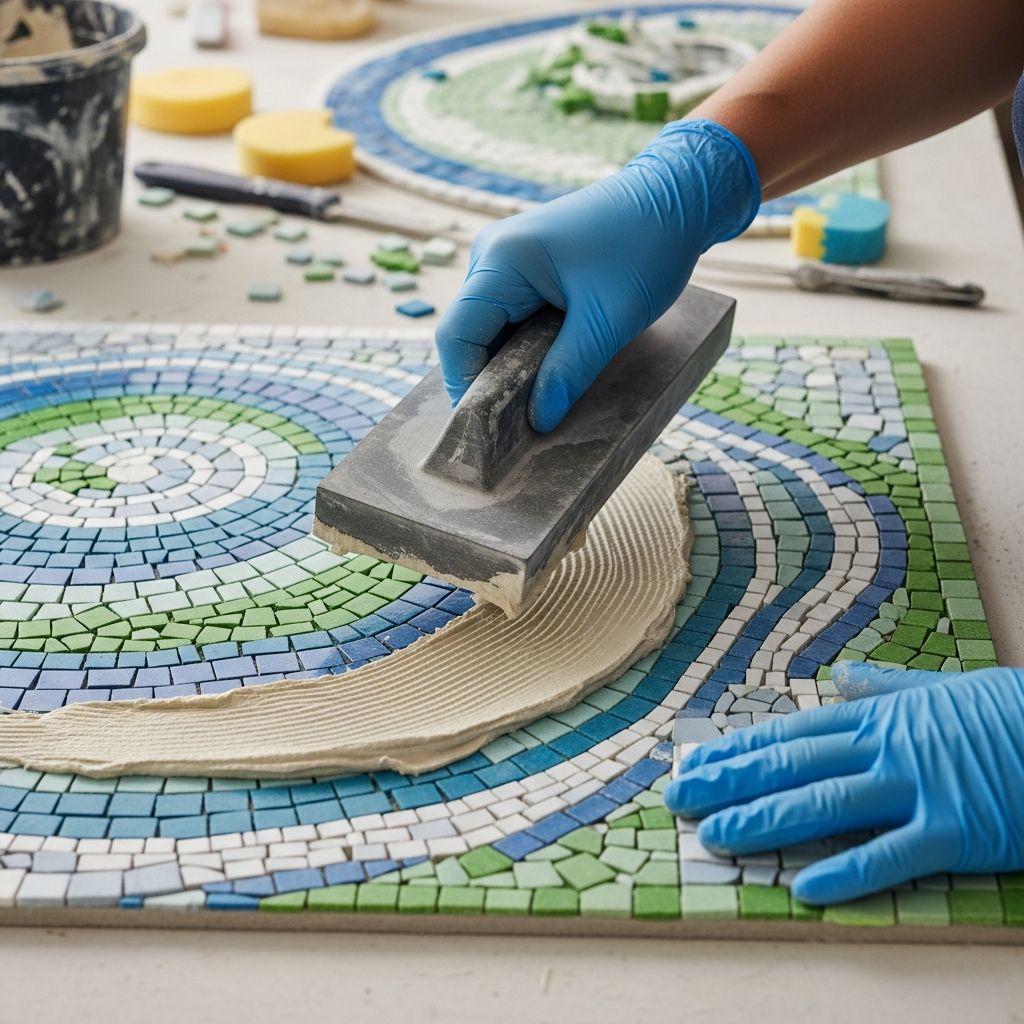
Grouting mosaic tiles represents one of the most critical steps in completing any mosaic project, transforming individual pieces into a cohesive work of art. Whether you’re working on decorative panels, functional surfaces, or artistic installations, understanding the grouting process ensures professional-quality results that enhance the beauty and durability of your creation. This comprehensive guide walks you through every aspect of grouting mosaic tiles, from selecting the right materials to achieving a flawless finish.
Understanding Grout Varieties and Selection
Before beginning any mosaic project, selecting the appropriate grout type is fundamental to achieving optimal results. The grouting market offers several distinct formulations, each designed for specific applications and gap sizes. Understanding these differences allows you to make informed decisions that directly impact the longevity and appearance of your finished mosaic.
Sanded grout serves as the most versatile option for mosaic work, particularly when dealing with larger gaps between tiles. This formulation combines cement, sand, and water to create a robust mixture capable of withstanding significant wear and environmental stress. The sand particles provide additional structural integrity and help prevent cracking over extended periods. Sanded grout works exceptionally well for outdoor mosaics or high-traffic interior applications where durability matters most.
Unsanded grout offers an alternative for projects featuring smaller, more delicate gaps between tiles. This formulation relies solely on cement and water, producing a smoother final appearance without the gritty texture of sanded varieties. Unsanded grout resists cracking and chipping better than its sanded counterpart in refined applications, making it ideal for decorative mosaics where surface aesthetics take priority. The smooth finish created by unsanded grout provides an elegant appearance that complements intricate tile arrangements.
Epoxy grout represents a premium option for specialized applications requiring exceptional performance. This advanced formulation demonstrates superior resistance to stains, cracks, and environmental degradation, making it particularly valuable for mosaics subjected to variable weather conditions or chemical exposure. While epoxy grout commands a higher price point and requires more careful application procedures, its durability and stain resistance justify the investment for important projects.
Calculating Grout Requirements for Your Project
Determining the correct amount of grout prevents costly wastage while ensuring sufficient material to complete your project without interruption. Several factors influence the precise quantity needed for any given mosaic installation.
As a general baseline guideline, estimate approximately 1 kilogram of grout for every 5 square meters of tiled surface. However, mosaic projects typically require larger quantities than conventional tile installations due to the increased number of gaps between smaller pieces. The specific requirements depend on three primary variables:
- The physical dimensions and geometric shapes of individual tiles
- The width of gaps intentionally left between adjacent pieces
- The total area requiring grouting coverage
For projects featuring intricate arrangements of small tiles or decorative elements with varied spacing, plan for additional grout beyond standard calculations. A pragmatic approach involves mixing slightly more than anticipated, as leftover grout can be disposed of responsibly, whereas running short mid-project creates complications.
Essential Tools and Materials Preparation
Successfully grouting mosaic tiles requires assembling a comprehensive collection of specialized equipment before beginning the actual application process. Inadequate or inappropriate tools can compromise both the efficiency of your work and the final quality of results.
Primary grouting equipment includes a grout float—a rectangular tool with a slightly flexible rubber or plastic surface designed specifically for pressing grout into gaps while controlling thickness. A damp sponge serves the essential function of removing excess grout from tile surfaces without extracting material from joints. Quality sponges designed specifically for grout work feature appropriate texture and water-holding capacity for this demanding application.
Additional necessary items encompass a clean water bucket for rinsing your sponge throughout the process, protective equipment including heavy-duty rubber gloves and eye protection to shield against splashing or dust inhalation, and a specialized tile cleaning solution formulated to remove stubborn grout residue without damaging tile surfaces. For natural stone mosaics, a protective sealer applied before grouting helps prevent staining of porous materials over extended periods.
Mixing equipment varies based on project scale. Hand-mixing using a bucket and trowel works adequately for small projects, while larger installations benefit from a mixing attachment for electric drills or specialized paddle mixers that ensure consistent grout consistency. Some professionals employ dedicated grout mixing machines for substantial projects requiring multiple batches.
Pre-Grouting Preparation and Surface Inspection
The foundation for successful grouting begins long before actual grout application. Thorough preparation ensures optimal conditions for grout application and curing while preventing common problems that compromise final results.
Tile security assessment represents the first critical step. Examine every tile piece to confirm complete adhesive contact with the substrate surface. Tiles that remain loose or improperly seated will shift during grouting, creating uneven joints and potentially compromising structural integrity. Address any loose tiles by reapplying adhesive and allowing proper curing time—typically 24 hours—before proceeding with grouting.
Surface level verification ensures tiles align appropriately for consistent grout lines. Uneven tiles create variable grout joint depths that appear aesthetically inconsistent and may compromise durability. Use a straightedge or visual inspection to confirm tiles maintain consistent elevation across the mosaic surface.
Sealing porous materials protects natural stone or other moisture-absorbing tiles from staining during the grouting process. Applying an appropriate sealer to tile surfaces before grouting prevents grout particles from permanently discoloring porous stone, particularly for valuable or decorative mosaics.
Grout Mixing Techniques for Optimal Consistency
Achieving the correct grout consistency represents a crucial skill that directly impacts application ease and final result quality. Improperly mixed grout exhibits undesirable characteristics ranging from excessive drying speed to poor adhesion within grout joints.
Following manufacturer specifications provides the essential foundation for proper mixing. Each grout formulation includes specific water-to-powder ratios that produce optimal working consistency. Begin by adding water gradually to dry grout mix while stirring continuously until reaching a creamy texture resembling peanut butter consistency—thick enough to hold shape but workable enough to spread and shape effectively.
Incremental water addition prevents common mixing errors that result in either excessively thin or thick grout. Add small amounts of water at intervals, allowing thorough mixing between additions. Conversely, if grout becomes too thin, incorporate small quantities of dry mix to restore proper consistency. This patient approach prevents wastage and ensures reliable results.
Batch sizing considerations influence both efficiency and material quality. Mixing smaller batches—approximately 300 grams or 4-5 tablespoons—allows grout application before initial setting occurs, typically within 20-30 minutes depending on environmental conditions. Attempting to work with excessively large batches results in grout beginning to harden before full application, creating challenges and inconsistencies.
Equipment selection ranges from simple hand-mixing with bucket and trowel for small projects to specialized paddle mixers or drill attachments for larger installations. Mechanical mixing ensures consistent texture impossible to achieve through manual methods alone, particularly when processing multiple batches requiring uniform consistency.
Applying Grout to Mosaic Tiles
The actual grouting process requires methodical technique and attention to detail to ensure complete gap filling while maintaining aesthetic appearance. Rushing this stage or employing careless methods compromises both the visual result and the structural integrity of grout joints.
Initial application strategy begins with spreading a thin grout layer across the entire mosaic surface using a grout float held at approximately 45-degree angles. Move the float diagonally across tiles to force grout into gaps from multiple directions, ensuring complete penetration into the full depth of each joint.
Comprehensive gap filling requires working grout into all spaces methodically. Use the grout float to press material firmly into gaps while moving in various directions—side-to-side, up-and-down, and in circular motions—to access corners and spaces that might otherwise be missed. For irregular mosaic arrangements or decorative elements with varied spacing, fingers often prove more effective than tools for reaching difficult-to-access areas.
Edge treatment demands particular attention, as exposed edges create a visible frame for the entire mosaic. Smooth edges carefully using damp fingers or the grout float to create neat lines that enhance overall presentation. This finishing touch separates amateur results from professional-quality work.
Excess Grout Removal and Surface Cleaning
Removing excess grout from tile surfaces immediately after application prevents permanent staining and ensures clean final appearance. Timing proves critical, as grout becomes increasingly difficult to remove as it hardens.
Initial drying phase lasts approximately 15 minutes after grout application, allowing sufficient firmness for tile surface cleaning without extracting material from joints. Use a damp grout sponge to gently wipe excess grout from tile surfaces while moving perpendicular to grout lines to avoid disturbing grout within gaps.
Sponge preparation significantly impacts cleaning effectiveness. Saturate the sponge thoroughly with clean water, then wring it out nearly completely, retaining just enough moisture for effective cleaning without introducing excess water that weakens newly applied grout.
Multi-directional cleaning approach ensures thorough surface cleaning without removing grout from joints. Move the sponge in gentle circular motions across tile surfaces, occasionally rinsing the sponge in clean water and continuing until achieving the desired cleanliness level. This patient approach produces superior results compared to aggressive scrubbing that may disturb grout joints.
Comprehensive coverage verification using a flashlight reveals any missed grout application spots or gaps requiring additional attention. If gaps remain unfilled after initial grouting, add fresh grout and smooth with a damp sponge to complete coverage.
Managing Uneven Mosaic Tile Surfaces
Many mosaic projects feature intentionally varied tile heights or work on curved surfaces, creating unique grouting challenges requiring adjusted techniques.
For uneven mosaic arrangements, spread grout across the tile surface using a rubber float while specifically working material into irregular areas and variations in elevation. Fill all spaces between tiles while paying particular attention to areas where height variations create deeper gaps. Allow the grout to firm for approximately 15 minutes before removing excess material with a damp sponge, paying careful attention to properly cleaning the grout-covered tiles without disturbing joints.
Three-dimensional mosaic projects, such as decorative vases, decorative plates, or ornamental objects, require particular attention to consistent application across varying angles and surfaces. Work systematically around the entire piece, ensuring grout reaches all accessible areas before cleaning begins.
Drying and Final Finishing
After applying and cleaning grout, allow sufficient drying time before considering the mosaic complete. Proper curing ensures maximum durability and final strength of grout joints.
Most grout formulations require 24-48 hours of undisturbed drying time, though specific timelines vary based on environmental humidity, temperature, and grout type. Protect the drying mosaic from moisture, vibration, and temperature fluctuations that may compromise curing.
Once fully cured, inspect the finished mosaic for any remaining grout haze or residue on tile surfaces. If present, gentle cleaning with a specialized tile cleaner or mild acid solution removes stubborn residue without damaging grout joints. For valuable mosaics or natural stone installations, applying a protective sealer over grout after full curing enhances stain resistance and extends grout lifespan.
Common Grouting Mistakes to Avoid
Understanding frequent errors helps prevent frustrating mistakes that compromise your finished mosaic:
- Insufficient gap filling: Incomplete grout penetration creates weak joints vulnerable to deterioration and water infiltration
- Improper mixing consistency: Grout that’s too thin spreads unevenly while overly thick grout resists proper application
- Rushing the process: Working too quickly prevents thorough grout distribution and compromises surface cleaning
- Neglecting edge treatment: Untidy edges diminish professional appearance of otherwise well-executed mosaics
- Inadequate drying time: Disturbing grout before sufficient curing results in cracking and joint failure
Frequently Asked Questions About Mosaic Grouting
How long should adhesive cure before grouting?
Allow a minimum of 24 hours for tile adhesive to cure completely before beginning the grouting process. This ensures tiles remain secure and won’t shift during grout application.
Can you grout over sealed tiles?
Pre-sealing porous tiles before grouting prevents grout staining, particularly for natural stone mosaics. Standard ceramic or glass tiles don’t require pre-sealing, though protective sealer application after grouting enhances durability.
What’s the ideal grout consistency?
Properly mixed grout resembles peanut butter—thick enough to hold shape when applied yet workable enough to spread and fill gaps efficiently.
How quickly does grout dry?
Surface grout typically firms enough for cleaning within 15 minutes, though complete curing requires 24-48 hours depending on conditions and grout type.
Is epoxy grout worth the extra cost?
For mosaics subjected to significant moisture, staining risks, or environmental stress, epoxy grout’s superior durability and stain resistance justify the premium price.
References
- A Guide To Grouting Mosaic Tiles — Mosaic Village. Accessed April 2026. https://mosaicvillage.co.uk/a-guide-to-grouting-mosaic-tiles
- How to Grout Mosaics; Step by Step: Chapter Two — Tile Mosaic Girl. Accessed April 2026. https://tilemosaicgirl.com/how-to-grout-mosaics-step-by-step-chapter-two/
- A step by step guide to grouting mosaics — Helen Miles Mosaics, YouTube. Accessed April 2026. https://www.youtube.com/watch?v=TDlGCxQ5sq4
- Beginners Guide To Grouting — The Mosaic Store. Accessed April 2026. https://www.themosaicstore.com.au/blogs/beginners-guide-to-mosaics-1/beginners-guide-to-grouting
- What Kind of Grout Do You Use for Mosaics? — Tile Doctor. Accessed April 2026. https://tiledoctor.com/what-kind-of-grout-do-you-use-for-mosaics/
Similar Articles



Read full bio of Sneha Tete