Mulch Glue Explained: What It Is and How It Works
Master mulch glue application: Learn what it is, how it works, and best practices for your garden.
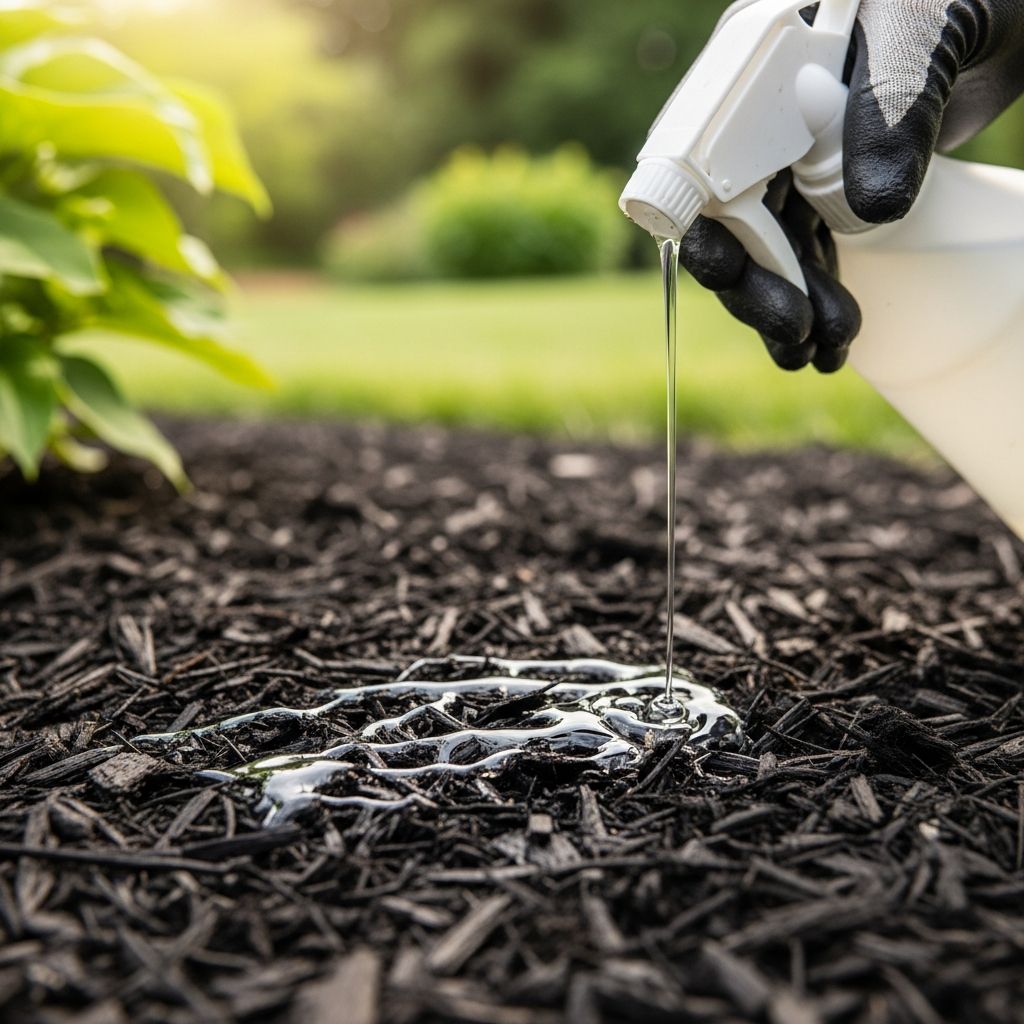
Mulch has long been a staple of landscaping and gardening, providing numerous benefits to soil health, weed suppression, and aesthetic appeal. However, one persistent challenge that homeowners and gardeners face is keeping mulch in place. Wind, foot traffic, and water erosion constantly scatter mulch across pathways, driveways, and lawns. This is where mulch glue enters the picture as an innovative solution. Mulch glue is a specially formulated adhesive designed to bind mulch particles together while maintaining the material’s permeability and natural appearance. Understanding what mulch glue is and how to use it effectively can transform your garden maintenance routine and keep your landscape looking polished throughout the season.
What Exactly Is Mulch Glue?
Mulch glue is a water-based adhesive specifically engineered for landscaping applications. Unlike traditional construction adhesives, mulch glue is designed to bond organic and inorganic mulch materials while remaining environmentally friendly and non-toxic. The product comes in concentrated form and requires dilution with water before application.
The primary purpose of mulch glue is to create a unified surface layer that holds mulch particles in place without creating an impermeable barrier. This distinction is crucial because effective mulch must allow water to penetrate to the soil below while preventing the material from scattering due to environmental factors. Mulch glue achieves this balance by coating individual mulch particles and bonding them together at contact points rather than creating a solid seal.
One of the key advantages of modern mulch glue formulations is that they are completely non-toxic and safe for use around plants, pets, and families. The adhesive does not harm beneficial insects or soil microorganisms, making it an environmentally responsible choice for conscious gardeners. Additionally, many mulch glue products enhance the color of mulch, deepening blacks and enriching browns while providing a subtle sheen that fades naturally over time as the product cures.
How Mulch Glue Works
The mechanics of mulch glue are straightforward but effective. When applied to mulch, the adhesive penetrates the spaces between particles and creates adhesive bonds at contact points. This process transforms loose, individual mulch pieces into a cohesive mat that resists movement from wind, foot traffic, and water erosion.
The key to understanding how mulch glue works is recognizing that it does not seal the mulch entirely. Instead, it acts as a binder. Water continues to percolate through the glued mulch to reach the soil, and beneficial organisms can still navigate through the material. This permeability is essential for maintaining healthy soil conditions and supporting the ecosystem within your garden beds.
When mulch glue cures, it becomes nearly invisible. The initial application may show a white or slightly opaque appearance, but as the product dries and sets, it becomes transparent or nearly imperceptible. This invisibility means that your mulch retains its natural appearance while gaining the practical benefit of improved stability.
Preparing Your Garden Beds for Mulch Glue Application
Proper preparation is essential for achieving the best results with mulch glue. Before applying any adhesive, you should ensure that your garden beds are clean, well-organized, and ready for treatment.
Step 1: Clean and Tidy the Beds
Begin by removing all dead leaves, debris, and old mulch pieces that have broken down significantly. Cut back any dead grasses or overgrown plants that detract from your landscape. If necessary, prune shrubs and remove any dying plants that you wish to replace with healthier specimens. This cleanup process not only improves the appearance of your garden beds but also ensures that you are starting with a fresh foundation for your mulch application.
Step 2: Grade and Level the Soil
After removing debris, use soil to backfill any low spots and ensure smooth, even grades throughout your beds. Uneven surfaces can lead to water pooling and uneven mulch distribution. A properly graded bed ensures that water drains effectively and that mulch distributes evenly across the surface.
Step 3: Spread Fresh Mulch
Apply a fresh layer of high-quality mulch to your beds. Most gardeners find that spreading mulch in small piles between plant groupings and then smoothing it out creates an efficient application process. Remove any large chunks of mulch that might catch on feet or interfere with walkways.
Preparing and Mixing Mulch Glue
Before you can apply mulch glue, you must prepare it according to manufacturer instructions. Most mulch glue products come concentrated and require dilution with water.
Mixing Instructions
A typical mixing ratio involves combining one part mulch glue concentrate with approximately one part water, though you should always follow the specific instructions on your product bottle. Pour the concentrate into a clean bucket, add the appropriate amount of water, and stir thoroughly with a paint stick or similar tool for about one minute. Proper mixing ensures that the glue is evenly distributed and ready for application.
Equipment Setup
Transfer your mixed mulch glue into a pump sprayer with an adjustable nozzle. A battery-powered sprayer offers convenience and consistent pressure, though a hand pump sprayer works equally well. Ensure that your sprayer is completely clean before use to prevent any residue from interfering with the mixture.
Applying Mulch Glue: Best Practices
Proper application technique is critical for achieving even coverage and avoiding common mistakes. Following these best practices will help you achieve professional results.
Nozzle Setting and Spray Pattern
Set your sprayer nozzle to a wide fan pattern for general coverage across mulch-filled areas. This broad pattern ensures even distribution without creating heavy concentrations or thin spots. As you approach hardscape elements such as stone pavers, edging, or walkways, adjust the nozzle to a more direct, focused spray pattern. This adjustment prevents overspray onto surfaces where you don’t want adhesive to accumulate.
Protecting Adjacent Surfaces
To prevent mulch glue from reaching stone pavers, metal edging, or other hardscape elements, use cardboard shields or similar protective barriers. Cut pieces of scrap cardboard to size and position them to block spray drift. This protective technique saves significant cleanup time and ensures that your hardscape remains clean and unaffected by the adhesive.
Application Rates and Coverage
Most mulch glue products are designed to cover specific square footage. A typical 32-ounce bottle covers approximately 200 square feet. Calculate the area of your mulch beds in advance so you can determine how much product you need and how to distribute it effectively. Apply the glue in multiple light coats rather than one heavy coat. This approach ensures better penetration and more even coverage. Spray three light coats over the course of an hour, paying special attention to edges where mulch meets hardscape.
Application Around Plants
When applying mulch glue around plants, use a thinner application than you would for open mulch areas. One thin coat between plantings is typically sufficient and helps protect your plant materials from excessive adhesive exposure. You want the mulch to be glued in place, but you don’t want the glue to interfere with plant health or growth.
Curing Time and Initial Results
After application, mulch glue requires time to cure and reach full strength. The curing process typically takes between 6 to 24 hours, depending on temperature and humidity conditions. Warmer temperatures accelerate curing, while cool or damp conditions slow the process.
During the first few hours, you will notice the mulch beginning to firm up and the individual particles bonding together. The initial appearance may include a white or slightly opaque tint from the glue, but this will fade as the product cures. By the next day, the glue will be nearly imperceptible, and the mulch will look natural while maintaining its improved structural integrity.
Avoid walking on or disturbing the mulch during the curing period. Give the adhesive adequate time to set properly before resuming normal foot traffic in the garden area.
Long-Term Maintenance and Care
One of the major advantages of mulch glue is that it requires virtually zero maintenance throughout the season once properly applied. The glued mulch retains its color and appearance while protecting against scattering and displacement.
Over the course of several weeks, the subtle sheen that appears immediately after application will fade naturally, and the mulch glue will become nearly invisible. The mulch will continue to provide all its traditional benefits—weed suppression, moisture retention, and soil temperature regulation—while remaining in place.
If you experience heavy rain or storm activity shortly after application, the mulch may shift slightly, but the glued particles will generally hold together better than untreated mulch. The permeability of the glued mulch ensures that water drains through properly, preventing waterlogging or drainage issues.
Environmental and Safety Considerations
Modern mulch glue products are formulated to be environmentally responsible. The adhesives are non-toxic and safe for use around children, pets, and plants. The permeability of glued mulch means that beneficial insects, earthworms, and soil microorganisms can continue to thrive within the mulch layer, supporting a healthy soil ecosystem.
The water-based formulation of most mulch glue products makes them biodegradable and environmentally safe. Unlike some older adhesive products, modern mulch glues do not leach harmful chemicals into the soil or groundwater.
Comparing Treated and Untreated Mulch
| Characteristic | Untreated Mulch | Mulch Glue-Treated Mulch |
|---|---|---|
| Stability | Scatters easily with wind and foot traffic | Remains in place with minimal displacement |
| Maintenance | Requires frequent raking and adjustment | Zero maintenance throughout the season |
| Water Permeability | Excellent | Maintained; water still penetrates |
| Appearance | Natural mulch color | Slightly enhanced color; natural appearance after curing |
| Cost | Lower initial cost | Higher initial cost; saves labor |
| Insect Impact | No impact on beneficial insects | No impact; insects can navigate glued mulch |
Common Mistakes to Avoid
Learning from common mistakes can help you achieve better results with your mulch glue application. Avoid applying the adhesive to wet mulch, as moisture interferes with proper bonding. Do not apply mulch glue during rain or when rain is forecast within the next few hours. Never apply heavy coats in single applications; instead, use multiple light coats for better coverage and penetration. Do not forget to clean your sprayer thoroughly after use; mulch glue can lock up pump mechanisms if allowed to dry inside the equipment. Finally, avoid applying adhesive directly to hardscape surfaces; always use protective barriers to keep glue off pavers and edging.
Frequently Asked Questions
Q: How long does mulch glue last?
A: Mulch glue typically lasts one full season, providing continuous protection and stability for your mulch. As the season progresses and mulch begins to decompose naturally, you may need to reapply the glue or refresh the mulch layer in subsequent seasons.
Q: Can mulch glue be applied to existing mulch?
A: Yes, mulch glue can be applied to existing mulch, though the results are typically better when applied to fresh mulch. If you choose to apply it to existing mulch, make sure the surface is clean and relatively dry for optimal adhesion.
Q: Is mulch glue safe for vegetable gardens?
A: Yes, mulch glue is non-toxic and safe for use in vegetable gardens. However, many gardeners prefer to avoid treating mulch directly around food crops and instead apply it to ornamental beds or pathways.
Q: Will mulch glue prevent water from reaching plant roots?
A: No, mulch glue is permeable and allows water to pass through to the soil below. The adhesive bonds individual mulch particles without creating an impermeable seal.
Q: How much mulch glue do I need for my garden?
A: Calculate the square footage of your mulch beds, then refer to your product’s coverage rate. Most products cover approximately 200 square feet per 32-ounce bottle. Plan to apply multiple light coats for best results.
Q: Can I use mulch glue on gravel or pea gravel?
A: Yes, mulch glue works effectively on both decorative gravel and pea gravel, holding these materials in place and preventing them from scattering across pathways and lawns.
References
- How We Used Mulch Glue for a Tidy Garden — Yellow Brick Home. Accessed 2025-12-04. https://yellowbrickhome.com/how-we-used-mulch-glue-for-a-tidy-garden/
- The TRUTH About Mulch Glue — YouTube. Accessed 2025-12-04. https://www.youtube.com/watch?v=BBYAN8IMwYo
Similar Articles







Read full bio of Sneha Tete