Mastering Nail Installation in Brick Surfaces
Comprehensive guide to safely and effectively drive nails into brick walls for hanging pictures, shelves, and decor without damage.
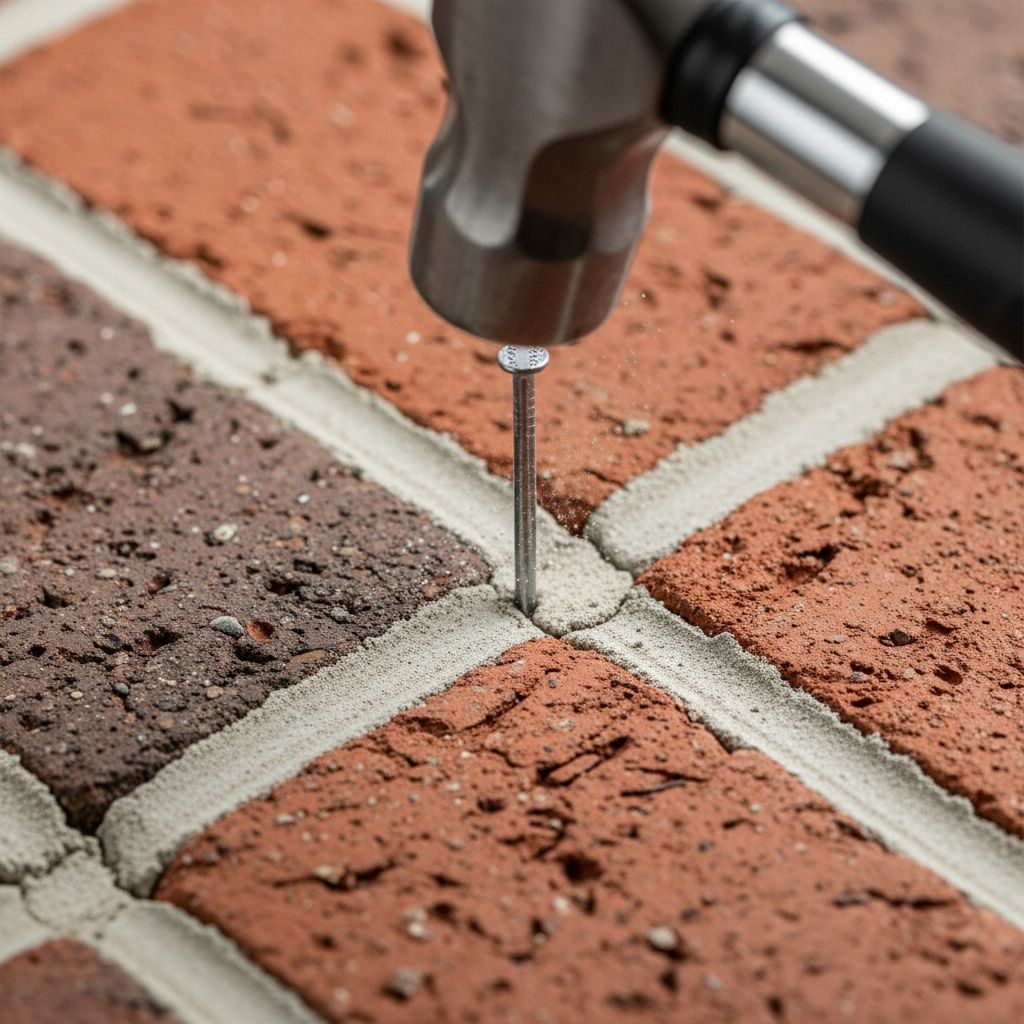
Brick walls offer a timeless, sturdy aesthetic but pose challenges when hanging items like artwork or shelves. Unlike drywall, brick’s hardness requires specific techniques to avoid cracking or surface damage. This guide explores reliable methods to insert nails into brick, drawing from practical DIY approaches and professional insights.
Understanding Brick Wall Composition
Brick walls consist of fired clay bricks joined by mortar, often covered with plaster or paint. Driving a nail directly into solid brick demands precision to penetrate without splintering. Mortar joints, being softer, sometimes allow easier insertion but provide less holding power for heavier loads. Recognizing these elements helps select the right strategy for your project.
Factors like wall finish—plastered, painted, or exposed—affect the approach. Plastered surfaces risk chipping if hammered carelessly, while bare brick tolerates firmer strikes after preparation.
Essential Tools for the Job
Gather these tools before starting:
- Hammer: Choose one with a flat, smooth face for controlled strikes. Avoid rounded heads that slip off nails.
- Nails: Opt for hardened masonry nails or fluted varieties designed for brick and concrete.
- Drill and bits: A cordless drill with masonry bits (e.g., 5mm for plugs) creates pilot holes.
- Pliers or screwdriver: Long-nose pliers hold nails steady during initial taps.
- Safety gear: Glasses and gloves protect against flying chips.
Quality tools reduce frustration and ensure clean results. A well-maintained hammer delivers even force without marring surfaces.
Step-by-Step: Direct Nailing Technique
For lightweight items like pictures (under 5 lbs), direct nailing works well with preparation.
- Mark the spot: Use a pencil to indicate the exact position, ideally in mortar if possible for softer entry.
- Create a pilot hole: With a small masonry bit, drill a shallow hole (2-3mm deep) at a 90-degree angle. This guides the nail and prevents wandering.
- Position the nail: Hold it horizontally using pliers. Tap gently to seat the tip in the pilot hole.
- Hammer straight: Stand directly behind the nail, swinging the hammer perpendicular to the wall. Increase force gradually, checking alignment after each strike.
- Final check: Ensure the nail is flush and straight. Test by hanging the item lightly.
This method minimizes plaster lift or paint cracks. Slow initial taps build confidence and control.
Advanced Method: Using Nail Plugs for Heavier Loads
For items over 5 lbs, standard nails lack grip. Nail plugs (plastic anchors) expand to secure loads firmly.
| Method | Load Capacity | Tools Needed | Best For |
|---|---|---|---|
| Direct Nail | <5 lbs | Hammer, pliers | Pictures, light decor |
| Nail Plug | 10-50 lbs | Drill, 5mm bit, plug, screw | Shelves, mirrors |
| Masonry Screw | >50 lbs | Drill, Tapcon screws | Heavy cabinets |
Steps for plugs:
- Drill a hole matching the plug size (e.g., 5mm bit for 5mm plug).
- Tap the plug flush with the wall using the hammer.
- Insert a wood screw through the item’s bracket into the plug.
Plugs distribute weight, preventing pull-out. They’re ideal for repeated use without redrilling.
Safety Precautions and Common Mistakes
Prioritize safety to avoid injury or wall damage.
- Angle awareness: Never angle the hammer; it causes nails to bend or eject forcefully.
- Force control: Start soft to avoid shattering plaster. Overstriking chips paint.
- Eye protection: Chips fly during drilling or hammering.
- Wall scanning: Avoid electrical lines with a stud finder adapted for masonry.
Common pitfalls include skipping pilot holes, leading to bent nails, or ignoring wall type, risking cracks in softer face brick.
Alternatives to Hammering Nails
Not all jobs suit nails. Consider these options:
- Construction adhesive: Apply to item backs for temporary holds. Brands like PL Premium bond strongly but require clamping time.
- Pin nails or brads: Pneumatic nailers shoot at angles into mortar for trim.
- Tapcon screws: Drill and screw directly for permanent fixtures.
- Adhesive hooks: No-tool solution for very light items on painted brick.
For trim on masonry, angle-shooting pins with clipping excess works, per builder forums, though adhesives offer cleaner finishes.
Troubleshooting Installation Issues
Encounter problems? Here’s how to fix them:
- Nail bends: Withdraw, enlarge pilot hole slightly, retry with fresh nail.
- Plaster cracks: Fill with spackle, sand smooth before repainting.
- Weak hold: Switch to plugs or locate mortar joint.
- Nail pops out: Poor angle—ensure perpendicular strikes next time.
Patience yields professional results. Test holds before full commitment.
Material Selection Guide
Choose based on wall and load:
| Wall Type | Recommended Fastener | Depth |
|---|---|---|
| Plastered Brick | Fluted nail + pilot | 1/4 inch |
| Exposed Brick | Masonry nail | 1/2 inch |
| Mortar Joint | Standard nail | 3/8 inch |
Frequently Asked Questions (FAQs)
What size nail for brick walls?
Use 1.5-2 inch hardened masonry nails. Match length to item thickness plus 1 inch embedment.
Can I nail into brick without a drill?
Yes, for soft mortar or light loads, but a pilot hole prevents damage and ensures straight entry.
How much weight holds a nailed brick picture hook?
Typically 5-10 lbs per nail in good brick. Use multiple for heavier art.
Does hammering damage painted brick?
Minimal with pilot holes and controlled taps. Pre-drill to avoid paint chips.
Best adhesive alternative for brick?
PL Premium or Gorilla Glue for non-porous holds; clamp 24 hours.
Pro Tips from Experienced DIYers
Stand squarely behind the nail for leverage. Practice on scrap brick. For textured walls, score paint first. These tweaks elevate amateur efforts to pro level.
Expanding knowledge here provides versatile skills for home projects. Whether refreshing decor or mounting utilities, proper nailing preserves brick integrity.
References
- Practical Lawns. “How to hammer a nail into a plastered or face brick wall without damaging it – tips shown.” — YouTube. 2020. https://www.youtube.com/watch?v=mjHZ2JbaHZg
- DIY Perks. “How to Easily Put a Nail Into a Brick.” — YouTube. 2023. https://www.youtube.com/watch?v=tlwSdEmu0Dk
- THS Concepts. “How To Hammer A Nail In Concrete or Brick.” — YouTube. 2022. https://www.youtube.com/watch?v=XgkYiXppDug
- “Nailing trim to masonry.” — Fine Homebuilding Forums. Accessed 2026. https://www.finehomebuilding.com/forum/nailing-trim-to-masonry
- International Code Council. “Masonry Fasteners and Anchors.” — ICC Evaluation Service. 2024-07-15. https://www.icc-es.org
Similar Articles






Read full bio of Sneha Tete