Natural Aphid Control for Hibiscus Plants
Discover effective, eco-friendly methods to eliminate aphids from hibiscus trees and restore vibrant growth without harsh chemicals.
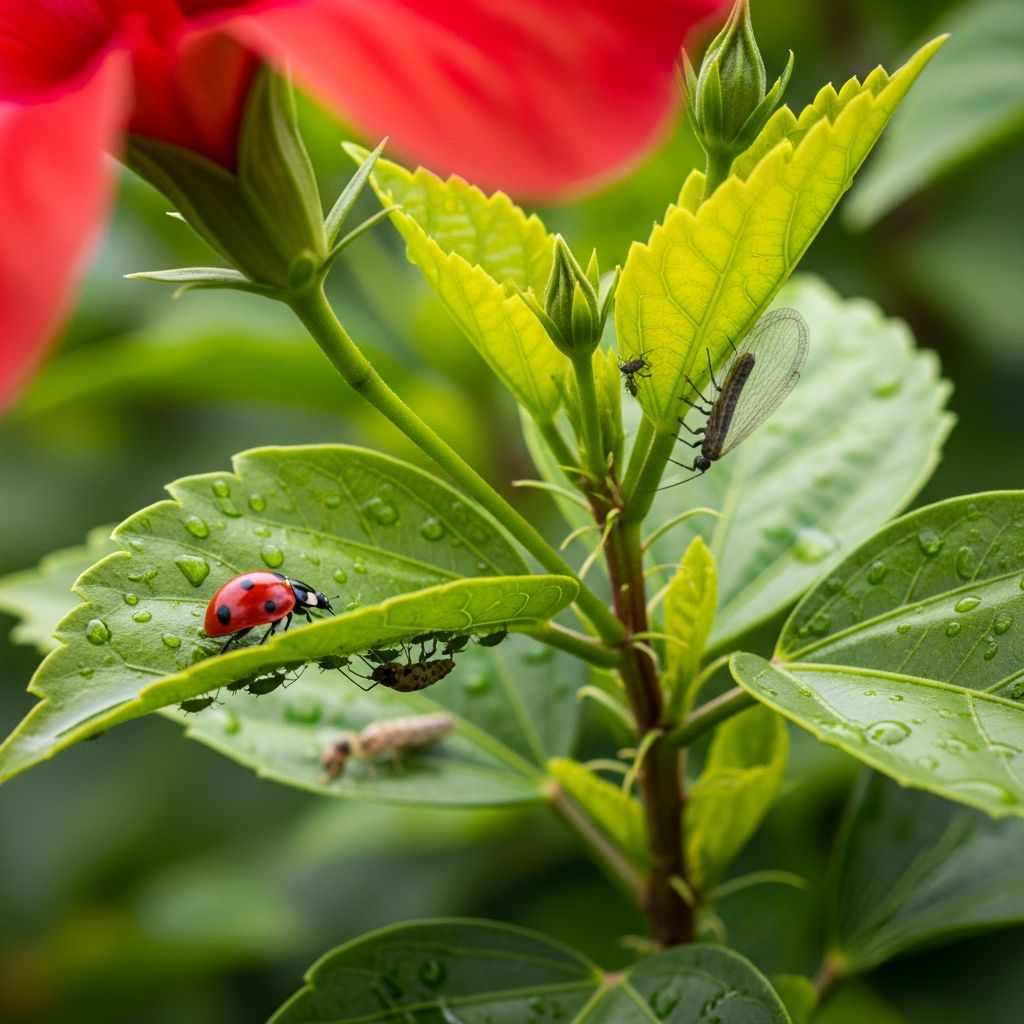
Hibiscus plants brighten gardens with their large, colorful blooms, but aphids can quickly turn this beauty into a battleground. These tiny sap-suckers cluster on tender new growth, causing curled leaves, stunted buds, and sticky honeydew that attracts ants. Fortunately, nature offers powerful tools to fight back without resorting to toxic chemicals. This guide explores identification, organic treatments, prevention, and long-term care to keep your hibiscus thriving.
Understanding the Aphid Threat to Hibiscus
Aphids are small, soft-bodied insects, often green, black, or white, that pierce plant tissues to extract nutrient-rich sap. On hibiscus, they target buds and young shoots, injecting toxins that distort growth. A single aphid can produce dozens of offspring daily, leading to rapid infestations. Their excretions foster sooty mold, further stressing the plant. Early detection is key—inspect undersides of leaves and stem tips regularly.
Hibiscus, with their fast growth and juicy tissues, prove irresistible to aphids. In warm climates, populations explode during spring and summer. Left unchecked, severe attacks weaken the plant, reducing flowering and inviting secondary pests like ants farming the honeydew.
Spotting Aphid Infestations Early
- Visual signs: Clusters of tiny bugs on new growth, curled or yellowing leaves, sticky residue on foliage.
- Plant distress: Wilting tips, deformed buds, reduced blooming.
- Secondary issues: Black sooty mold, ant trails leading to infested areas.
Regular weekly checks, especially after rain or mild weather, prevent small problems from escalating. Use a magnifying glass for hidden colonies.
Immediate Natural Remedies for Quick Knockdown
Act fast with contact sprays that suffocate or repel aphids on sight. These homemade solutions use pantry staples and are safe for beneficial insects if applied judiciously.
Soap and Oil Spray: Simple Suffocation
Mix 1 teaspoon mild dish soap (like Dawn), 1 tablespoon vegetable or canola oil, and 1 quart water. Add a dash of rubbing alcohol for extra punch. Shake well and spray thoroughly, covering both leaf surfaces, stems, and soil. Reapply every 3-5 days until clear. The soap breaks down aphid exoskeletons, while oil clogs breathing pores.
| Ingredient | Amount | Role |
|---|---|---|
| Dish soap | 1 tsp per quart | Dissolves protective coating |
| Oil (canola/veg) | 1 tbsp per quart | Suffocates insects |
| Rubbing alcohol | Dash | Dissolves waxy shields |
| Water | 1 quart | Carrier |
Lemon Peel Extract: Citrus Power
Grate rind from 2 lemons, boil in 1 pint water, steep overnight, strain, and spray. Citric compounds cause aphids to convulse and die on contact. Refresh every few days; ideal for light infestations.
Apply in early morning or evening to avoid leaf burn from sun and heat. Test on one leaf first.
Organic Oils and Extracts for Systemic Protection
Neem Oil: The Garden Workhorse
Neem oil, derived from the neem tree, disrupts aphid feeding, reproduction, and molting. Dilute 5-7ml pure neem in 1 liter water with a few drops of dish soap as an emulsifier. Spray both sides of leaves, stems, and soil. Results appear in 1-2 days, with aphids dropping off curled leaves.
- Best for: Moderate to heavy infestations.
- Frequency: Every 7-10 days, up to 3 applications.
- Pro tip: Combine with a spreader sticker for better adhesion.
Horticultural Oils: Broad-Spectrum Suffocant
These refined oils smother pests without residues. Mix per label (often 2-3% solution) and apply similarly to neem. Effective against aphids, mites, and scales on hibiscus.
Biological Controls: Enlisting Nature’s Allies
Introduce predators for sustainable control. Ladybugs devour up to 50 aphids daily per adult. Release 1,500 ladybugs per affected plant in evening hours. Lacewings and hoverfly larvae also feast on aphids. Avoid broad sprays post-release to protect them.
For soil-drench options, systemic products like those with imidacloprid (used sparingly in organics) provide months-long protection but check for pollinator safety.
Preventive Strategies for Aphid-Free Hibiscus
Strong plants resist pests better. Focus on cultural practices:
- Water wisely: Deep, infrequent watering builds resilience; avoid overhead to keep foliage dry.
- Fertilize balanced: Excess nitrogen fuels soft growth aphids love. Use hibiscus-specific formulas.
- Prune regularly: Remove crowded areas and dispose of debris to break life cycles.
- Ant barriers: Diatomaceous earth or Tanglefoot around pots repels aphid-tending ants.
- Companion planting: Marigolds, garlic, or nasturtiums deter aphids naturally.
Cultural Care to Boost Hibiscus Health
Hibiscus demand full sun (6+ hours), well-draining soil, and consistent moisture. Mulch to retain humidity and suppress weeds. In cooler zones, overwinter indoors. Healthy plants produce thicker sap, making it harder for aphids to thrive.
Frequently Asked Questions (FAQs)
What causes aphids to target hibiscus specifically?
Hibiscus offer tender, sap-rich new growth ideal for aphid feeding and breeding. Warm, humid conditions accelerate outbreaks.
Can I use dish soap alone on aphids?
Yes, but pair with oil for better efficacy. Pure soap water works in a pinch for mild cases.
How long until natural sprays show results?
Many show knockdown in 1-2 days; full control in 1 week with repeats. Persistence is key.
Are natural remedies safe for edible hibiscus?
Most are, but rinse produce and wait 1-2 days post-spray. Avoid on flowering plants if pollinators are active.
What if aphids return after treatment?
Rotate methods (neem then soap), address ants, and improve plant vigor to prevent reinfestation.
Long-Term Monitoring and Maintenance
After clearing aphids, scout weekly. Maintain a pest journal noting weather, growth stage, and treatments. Integrate IPM (Integrated Pest Management): prevention first, mechanical next, biological, then minimal organics. This holistic approach yields lush, pest-resistant hibiscus year-round.
Expand your garden’s defenses by rotating treatments seasonally. In peak summer, weekly neem prevents buildup. Winter pruning removes overwintering eggs. Share successes in local forums, adapting tips to your microclimate.
References
- Aphids – Hidden Valley Hibiscus — Hidden Valley Hibiscus. Accessed 2026. https://www.hiddenvalleyhibiscus.com/care/aphids.htm
- My SECRETS To FIX Pest Problems On Hibiscus [100% SUCCESS] — YouTube (Video). 2023. https://www.youtube.com/watch?v=uwZCQNVdcbw
- Natural Aphid Pesticide — Chameleon Forums. 2010. https://www.chameleonforums.com/threads/natural-aphid-pesticide.61081/
- Best insecticides (sprays, systemics etc) for hibiscus — Bonsai Nut. Accessed 2026. https://www.bonsainut.com/threads/best-insecticides-sprays-systemics-etc-for-hibiscus-that-the-ants-aphids-aggressively-colonize.30238/
- Aphids on Hibiscus — YouTube (Video). Accessed 2026. https://www.youtube.com/watch?v=xO5SCCPsRKA
Similar Articles








Read full bio of medha deb