Natural Black Ant Killers: Safe Home Remedies
Discover effective, eco-friendly ways to eliminate black ants from your home and garden without harsh chemicals.
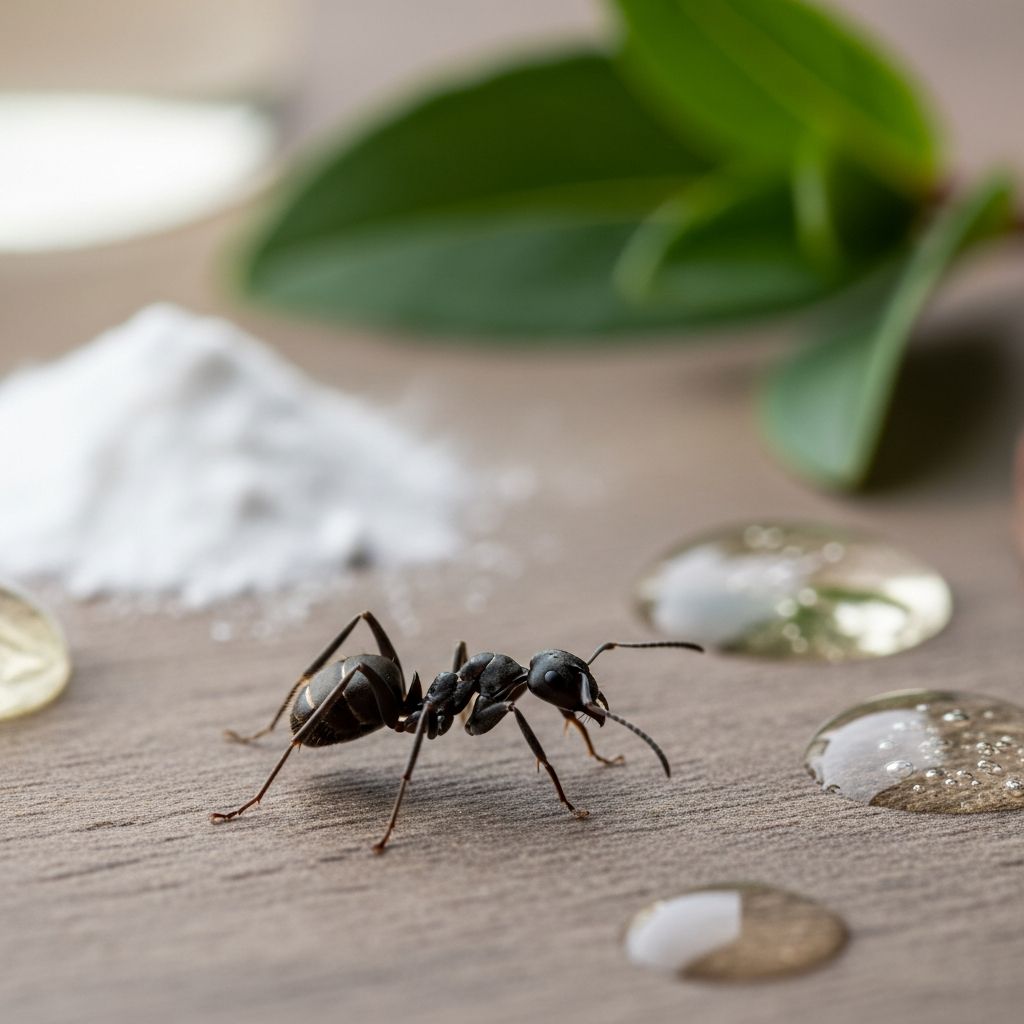
Black ants invade homes and gardens seeking food and shelter, but harsh chemical pesticides pose risks to pets, children, and the environment. Natural remedies offer a safer alternative, targeting ants effectively while preserving household safety. These methods disrupt trails, poison colonies, or create barriers using everyday ingredients.
Understanding Black Ant Infestations
Black ants, often little black ants or carpenter ants, form colonies with thousands of workers foraging for sweets, proteins, and moisture. They enter through tiny cracks, drawn by crumbs or spills. Unlike termites, most black ants don’t eat wood but nest nearby, causing nuisance trails indoors. Identifying entry points—windows, doors, baseboards—is key to prevention. Regular cleaning removes pheromone trails that guide more ants.
Why Choose Natural Ant Control?
Natural killers prioritize baiting over spraying, allowing worker ants to carry poison back to the queen, collapsing the colony. They minimize residue, avoiding health concerns from synthetic toxins. According to the U.S. Environmental Protection Agency, integrated pest management favors non-chemical options first for sustainable control. These remedies are cost-effective, using pantry staples.
Powerful Borax-Based Baits
Borax, a natural mineral, dehydrates ants slowly, ensuring they share it with the colony. Mix 1 cup hot water, 1 teaspoon honey (or sugar), and 1 tablespoon borax. Stir until dissolved, cool, and place in shallow lids near trails. Ants consume and transport it, killing the queen within days. For sugar-loving ants, use 1 cup sugar, 1/2 cup water, 1 tablespoon borax; boil briefly, cool, and deploy. Place baits undisturbed for 1-2 weeks, refreshing as needed. Avoid pet-accessible areas.
- Pro Tip: Use boric acid powder for purity if available; it’s finer and more potent.
- Effectiveness: Colonies vanish in 3-7 days with consistent use.
Essential Oils as Ant Repellents
Strong scents like peppermint, tea tree, lemongrass, and clove oils mask pheromones, repelling ants. Dilute 10-15 drops in 1 cup water with a splash of dish soap for emulsification. Spray on entry points, countertops, and trails daily. Wipe surfaces with oil-soaked cotton balls for lingering deterrence. Cedarwood oil excels outdoors, treating lawns and garden bases.
| Oil Type | Best Use | Dilution Ratio |
|---|---|---|
| Peppermint | Indoor kitchens | 10 drops per cup water |
| Lemongrass | Garden plants | 15 drops per cup water |
| Clove | Baseboards | 12 drops per cup water |
Vinegar Solutions for Trail Disruption
White or apple cider vinegar erases scent trails with its acetic acid. Mix equal parts vinegar and water in a spray bottle; apply to floors, windowsills, and counters. Reapply after cleaning. For stronger action, add dish soap to break down residues. This method repels without killing but pairs well with baits.
Diatomaceous Earth: The Silent Killer
Food-grade diatomaceous earth (DE) is fossilized algae powder that lacerates ant exoskeletons, causing fatal dehydration. Sprinkle thinly along trails, nests, and perimeters. Reapply after rain outdoors. It’s safe for humans and pets when used dry. Target carpenter black ants nesting in moist wood for best results.
Baking Soda and Sugar Traps
Equal parts powdered sugar and baking soda lure ants; sugar attracts, soda reacts in their stomachs producing gas. Place in shallow dishes near activity. Effective indoors, but slower than borax—expect results in 1-2 weeks. Avoid humid areas where it clumps.
Cornmeal and Boiling Water Tactics
Cornmeal expands in ant digestive systems, starving them. Scatter near entries; workers eat and share. For outdoor mounds, pour 2-3 liters boiling water directly, adding soap or oil for penetration. Repeat 2-3 times, cautioning against burns.
Cinnamon Barriers for Prevention
Cinnamon powder or oil blocks trails with its aldehyde compounds. Dust along windows, doors, and counters. Renew weekly. Ideal for kitchens, combining scent deterrence with mild toxicity.
Garden and Outdoor Strategies
Protect plants by baiting tree bases with borax-soaked crackers or DE rings around stems. Treat lawns with cedar granules. Prevent invasions by sealing cracks and trimming vegetation touching structures. Companion planting—mint, tansy—repels naturally.
Safety Guidelines for Natural Remedies
- Keep baits away from children and pets; borax is low-toxicity but ingestible.
- Wear gloves handling DE to avoid dust inhalation.
- Test oils on surfaces to prevent damage.
- Combine methods: Repel with vinegar/oils, bait with borax, barrier with DE.
Frequently Asked Questions (FAQs)
Are borax baits safe for indoor use?
Yes, when placed in inaccessible spots like under appliances. Borax has low mammalian toxicity per EPA guidelines, but monitor pets.
How long until natural methods work?
Baits take 3-7 days to kill colonies; repellents provide immediate deterrence.
Do these kill ant queens?
Borax and baking soda baits do, as workers share the poison. Direct mound attacks target queens faster.
Can I use these in vegetable gardens?
Yes, borax baits and DE are safe; avoid near harvest. Essential oils protect plants without residues.
What if ants return?
Reapply baits monthly as prevention and eliminate food sources.
Long-Term Prevention Tips
Maintain dry, clean spaces; store food sealed; fix leaks. Caulk entries seasonally. These habits reduce reinfestations by 80%, per pest control studies.
References
- National Pesticide Information Center: Boric Acid Fact Sheet — Oregon State University. 2023-05-15. http://npic.orst.edu/factsheets/boricgen.html
- Integrated Pest Management for Ants — University of California Agriculture and Natural Resources. 2024-02-10. https://ipm.ucanr.edu/PMG/PESTNOTES/pn7411.html
- Diatomaceous Earth as a Pesticide — U.S. Environmental Protection Agency. 2022-11-01. https://www.epa.gov/ingredients-used-pesticide-products/diatomaceous-earth
- Essential Oils for Pest Control — Journal of Economic Entomology (Oxford Academic). 2023-07-20. https://doi.org/10.1093/jee/toad147
- Non-Chemical Ant Management — Centers for Disease Control and Prevention. 2024-01-12. https://www.cdc.gov/niosh/topics/pests/default.html
Similar Articles






Read full bio of Sneha Tete