Natural Lemon Remedies For Flea Control: Safe, Easy Guide
Discover effective, eco-friendly ways to use lemon for repelling and eliminating fleas from pets and homes safely.
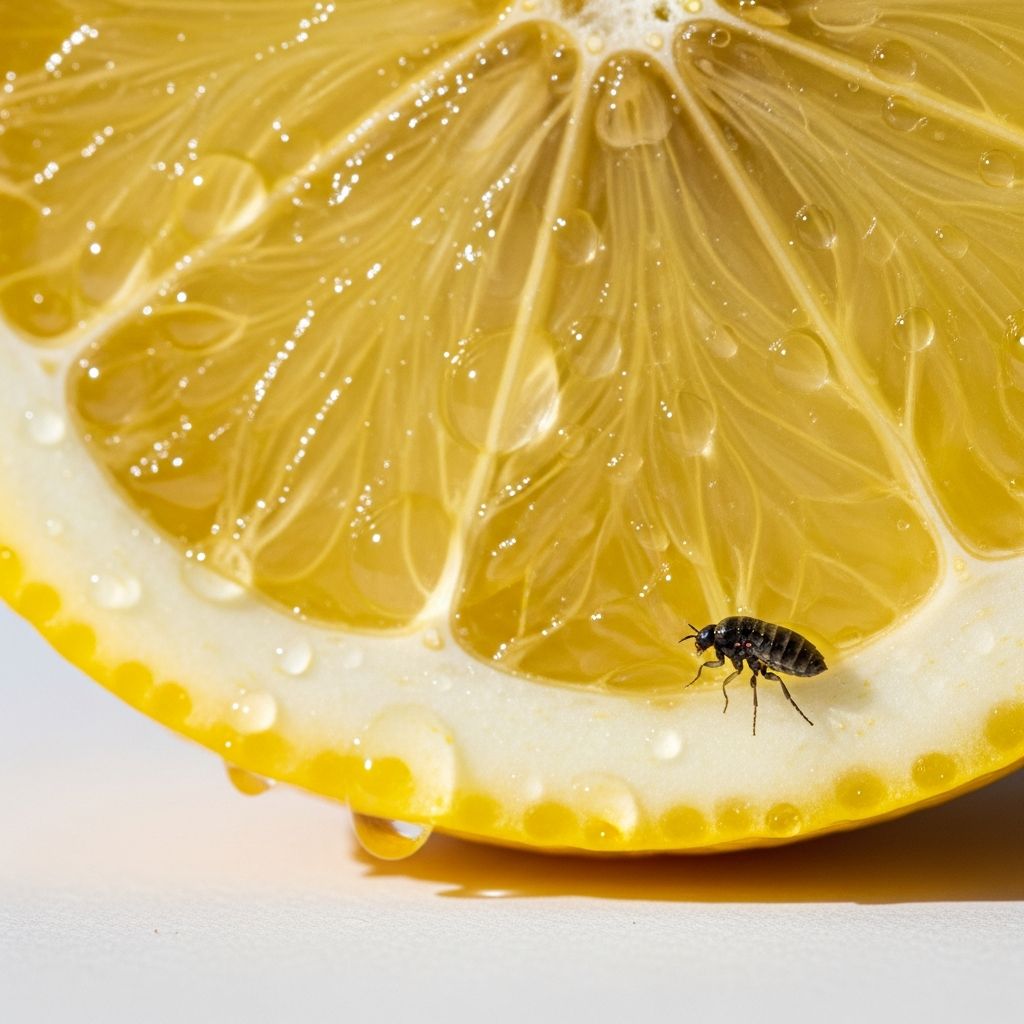
Natural Lemon Remedies for Flea Control
Lemons offer a simple, accessible way to tackle flea infestations using their natural acidity and citrus compounds. These remedies provide a chemical-free alternative for pet owners seeking gentle yet potent solutions.
Understanding Fleas and Why Citrus Works
Fleas are resilient parasites that thrive on pets and in environments, completing their life cycle rapidly in warm conditions. The citric acid and limonene in lemons create an inhospitable environment for fleas, disrupting their sensory systems and dehydrating them upon contact.
This natural approach targets adult fleas while complementing broader pest management strategies. Always prioritize pet safety by testing remedies on small areas first.
Preparing Lemon-Based Flea Sprays at Home
Creating a homemade lemon spray is straightforward and versatile for multiple uses. Start with fresh lemons to maximize potency.
- Slice 4-6 lemons thinly, including peels for concentrated limonene.
- Boil slices in 4 cups of water for 30-45 minutes to extract active compounds.
- Steep overnight, then strain into a spray bottle.
- Dilute with equal parts water if needed for sensitive surfaces.
Apply weekly to infested areas, shaking well before each use. This method yields a refreshing scent while targeting flea eggs and larvae.
Applying Lemon Treatments on Pets
For dogs, integrate lemon into bath routines safely. Mix ½ cup fresh lemon juice with 2 cups warm water and add to pet shampoo. Lather thoroughly, focusing on the neck, belly, and tail base where fleas congregate.
Rinse well to avoid irritation. Alternatively, dip a flea comb in diluted juice and brush through the coat, wiping with a citrus-soaked cloth for hairless breeds. Repeat every 3-5 days during outbreaks.
| Method | Best For | Frequency | Precautions |
|---|---|---|---|
| Bath additive | Dogs with fur | Weekly | Avoid eyes; test skin first |
| Comb dip | Short-haired pets | Every 2-3 days | Monitor for allergies |
| Spray mist | Quick touch-ups | Daily | Light application only |
Note: Cats require caution—lemons contain psoralens toxic to felines. Consult a vet before use on cats.
Eliminating Fleas in Your Living Spaces
Indoor flea control extends beyond pets. Spray cooled lemon infusion on carpets, upholstery, and pet bedding. Allow to air dry for full efficacy, vacuuming residues daily to remove dead fleas and eggs.
For enhanced results, combine with dish soap: Mix 1 cup lemon boil, 1 cup vinegar, and a few drops of soap. This breaks flea exoskeletons on contact. Refresh soft furnishings bi-weekly.
Outdoor Flea Management with Citrus
Yards harbor flea hotspots in shaded, moist areas. Use lemon peel boils undiluted on mulch, bare soil, and patios—avoid plants to prevent damage. Reapply after rain for sustained protection.
- Target under porches, dog runs, and fences.
- Pair with nematodes or beneficial insects for biological control.
- Neem oil complements citrus for broader spectrum coverage.
Consistent application reduces reinfestation risks significantly.
Safety Guidelines for Lemon Flea Remedies
While natural, lemons aren’t risk-free. Dogs tolerate them well in moderation, but excessive use may cause skin dryness. Cats face toxicity from essential oils—opt for vet-approved alternatives.
Humans with citrus allergies should wear gloves. Store sprays in cool, dark places; discard after 1-2 weeks. Integrate with vacuuming, washing bedding in hot water, and professional treatments if infestation persists.
Enhancing Lemon Remedies with Complementary Methods
Boost effectiveness by layering strategies. Add apple cider vinegar to pet water (1 tsp per quart) for internal repulsion or mix into sprays. Coconut oil massages deter fleas while conditioning coats.
Flea combs remove adults mechanically, followed by lemon rinses. For severe cases, discuss prescription preventives with vets alongside naturals.
Common Myths About Natural Flea Control
Not all home remedies deliver. Baking soda lacks evidence for killing fleas despite popularity. Essential oils like lavender harm cats despite anecdotal praise. Stick to proven citrus applications for reliable results.
Frequently Asked Questions
Can lemon juice kill fleas instantly?
Lemon repels and dehydrates fleas over time rather than instant kill. Consistent use disrupts life cycles effectively.
Is lemon safe for puppies or kittens?
Diluted for puppies after 8 weeks; avoid on kittens entirely due to sensitivity.
How often should I treat my home?
Weekly during active infestations, then monthly for prevention.
Does lemon work on flea eggs?
The infusion penetrates to affect eggs and larvae in environments.
What if fleas return after treatment?
Reassess for environmental sources; combine with vet-recommended products.
Long-Term Flea Prevention Strategies
Prevent recurrence with year-round vigilance. Maintain tidy yards, groom pets regularly, and use citrus monthly. Monitor for early signs like itching or ‘flea dirt’—dark specks in fur.
Educate on flea biology: Adults comprise 5% of populations, with 95% as eggs/larvae in surroundings. Holistic approaches yield sustainable control.
References
- Efficient Natural Flea Treatments for Dogs — The National Canine Cancer Foundation. 2023-05-15. https://wearethecure.org/natural-flea-treatments-for-dogs/
- Home Remedies for Fleas and How To Help Your Cat — PetMD. 2024-08-20. https://www.petmd.com/cat/general-health/natural-flea-treatment-for-cats
- How to Keep Fleas Off of Your Pet — Waynes Pest Control. 2023-11-10. https://callwaynes.com/blog/home-remedies-to-keep-fleas-off-of-your-pet/
- Get Rid Of FLEAS Forever Guaranteed Results | Inside & Outside — YouTube (Video Transcript). 2022-06-12. https://www.youtube.com/watch?v=tBI5g_5s9kM
Similar Articles








Read full bio of medha deb