Natural Oven Cleaning with Baking Soda and Vinegar
Transform your oven without harsh chemicals using everyday household ingredients.
Revolutionizing Kitchen Cleanliness: The Science Behind Natural Oven Care
When faced with the daunting task of cleaning an oven, most people instinctively reach for commercial cleaning products with intimidating warning labels. However, a growing number of homeowners are discovering that the most effective solutions often reside in their pantries rather than under their kitchen sinks. The combination of baking soda and vinegar represents a paradigm shift in household cleaning, offering a non-toxic alternative that delivers comparable—or superior—results to chemical-laden counterparts.
The effectiveness of this natural duo stems from basic chemistry. Baking soda, scientifically known as sodium bicarbonate, is alkaline in nature. Oven grease and burnt food particles are predominantly acidic compounds. When these two substances meet, a neutralization reaction occurs that breaks down the chemical bonds holding stubborn residue in place. This process requires minimal physical effort, transforming what is typically an exhausting chore into a manageable task that can be completed in under 30 minutes for routine maintenance.
Why Abandon Commercial Oven Cleaners?
Traditional oven cleaners present several compelling reasons to seek alternatives. Commercial products typically contain caustic chemicals that produce powerful odors capable of permeating an entire home for hours or even days. These fumes can trigger headaches, respiratory irritation, and dizziness, particularly in individuals with sensitivities or asthma. Additionally, these products often require protective gear such as gloves and proper ventilation, adding inconvenience to an already unpleasant task.
The financial argument is equally persuasive. While specialized oven cleaning sprays command premium prices, baking soda costs mere dollars for quantities sufficient to tackle multiple deep cleaning projects. Many households already have vinegar in their kitchen, making this approach virtually free for those practicing regular maintenance.
From a safety perspective, natural cleaning solutions eliminate the risk of chemical residue contaminating food and cookware. Unlike synthetic cleaners, baking soda and vinegar leave no harmful deposits that could emit toxic fumes during subsequent cooking sessions.
The Quick-Clean Approach: Routine Maintenance for Light Soiling
For ovens cleaned regularly or affected by minor spills, a streamlined procedure yields impressive results within minutes.
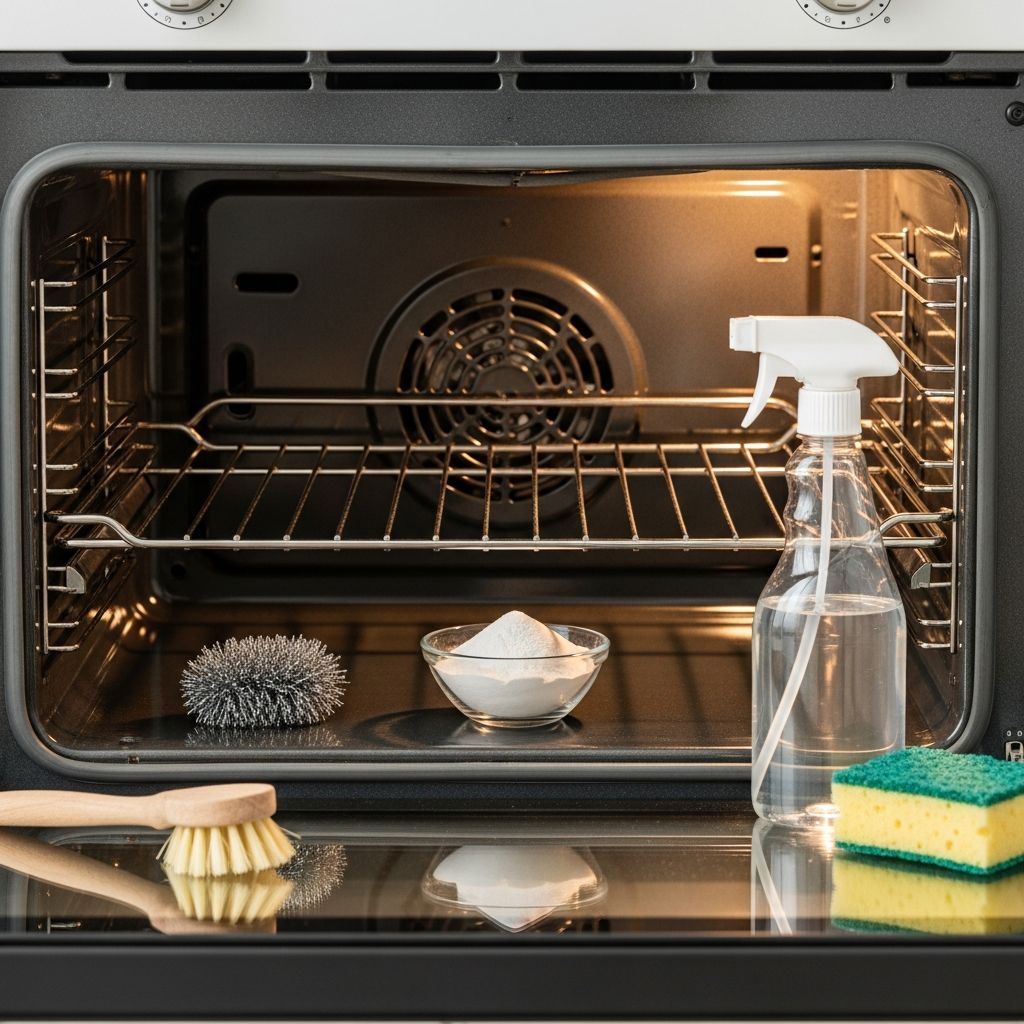
Gathering Your Supplies
- ½ cup of baking soda
- 3 tablespoons of water
- White vinegar (optional, for final rinse)
- Rubber spatula or old spoon
- Paper towels or microfiber cloths
- Small mixing bowl
Implementation Steps
- Combine the baking soda and water in a small bowl, stirring until you achieve a consistency resembling thick pancake batter
- Extract all removable racks from the oven interior
- Using your spatula or a gloved hand, distribute the paste generously across soiled surfaces, taking care to avoid direct contact with heating elements
- Allow the paste to sit for 15-20 minutes while the baking soda works to dissolve built-up residue
- Wet your paper towels or cloths and systematically wipe away the paste along with loosened debris
- For a final polish, spray the interior with a 3:1 water-to-vinegar mixture and wipe thoroughly
This entire process typically requires less than 45 minutes, making it feasible as a weekend maintenance task between more intensive cleaning sessions.
The Intensive Treatment: Addressing Years of Accumulated Buildup
Ovens that have been neglected for extended periods require a more aggressive approach. This method harnesses the power of time and chemical reaction to penetrate layers of baked-on grease and charred food particles.
Heavy-Duty Ingredients
- 1 pound of baking soda
- 1 tablespoon of table salt
- 2 tablespoons of water (additional water as needed)
Creating and Applying the Paste
Combine these ingredients to create a thick, sandy paste with a texture comparable to cake frosting. The larger quantity and salt addition create a more abrasive mixture capable of tackling stubborn deposits. If preparing to clean your entire oven, including the ceiling and back walls, triple this recipe to ensure adequate coverage.
The Overnight Method
This approach leverages patience as a cleaning agent. After removing all racks from the oven, use your spatula to coat every interior surface—walls, floor, door, and ceiling—with the paste. Ensure even distribution across areas with visible soiling. Close the oven door and allow the mixture to sit overnight in the cold oven. This extended contact time permits the alkaline baking soda to progressively break down acidic grease compounds without requiring constant attention.
By morning, the paste will have hardened, having absorbed much of the dissolved grime. Using your spatula and warm, damp paper towels, systematically work through the oven interior. Begin at the top and work downward to prevent re-depositing removed residue. You may need to refresh your cleaning water multiple times throughout this process. The physical effort required at this stage is substantially reduced because the chemical breakdown has already loosened the bonds between the buildup and the oven surface.
Synergizing Baking Soda and Vinegar: The Chemical Partnership
While baking soda alone accomplishes considerable cleaning, the addition of vinegar creates a synergistic reaction that enhances effectiveness and provides additional benefits. When these two substances combine, they produce carbon dioxide bubbles—a visible, tangible indication that chemical reactions are occurring beneath the surface.
The Immediate Application Method
For spills that occur immediately after cooking, this technique provides rapid intervention:
- Liberally sprinkle baking soda directly onto the warm spill
- Spray the area with a 3:1 water-to-white vinegar solution
- Observe as the mixture bubbles and foams—this indicates active decomposition of the spill
- Allow 15-20 minutes for chemical action to progress
- Wipe away the dissolved material with wet paper towels
- Complete the process with a final wipe using your vinegar-water solution
This reactive approach is particularly effective for fresh spills before they cool and harden, potentially preventing the need for intensive cleaning later.
Treating Oven Racks Separately
Oven racks accumulate grease and food particles distinct from interior surfaces and benefit from specialized treatment. For moderately soiled racks, applying the same baking soda-vinegar solution used for interior surfaces proves effective.
For severely encrusted racks, an environmental approach maximizes cleaning power. Place the racks in a heavy-duty garbage bag, add several generous portions of white vinegar, and sprinkle baking soda liberally over the surfaces. Seal the bag and position it in direct sunlight for several hours. The combination of heat, vinegar fumes, and baking soda creates an optimal environment for breaking down stubborn deposits. After several hours, remove the racks, rinse thoroughly, and observe the transformation. Most of the buildup will have loosened sufficiently to scrub away with minimal effort.
The Enhanced Paste Method: Incorporating Dish Soap
For challenging scenarios, some practitioners enhance the basic baking soda recipe by incorporating dish soap and vinegar into a comprehensive paste. This variation combines multiple cleaning mechanisms:
- 1½ cups of baking soda (primary abrasive and alkaline agent)
- ½ cup of liquid dish soap (surfactant to lift grease)
- ¼ cup of white vinegar (acid for chemical reaction)
Mix these components thoroughly to achieve a uniform paste, then apply generously throughout the oven interior. The dish soap component introduces surfactants—molecules that break the surface tension of grease, causing it to separate from the cooking surface. This multi-pronged approach addresses grease through chemical reaction, abrasion, and surfactant action simultaneously.
Allow this enhanced mixture to sit for several hours or overnight, then proceed with the standard removal technique using warm water and cleaning cloths. The combination of ingredients creates a more potent solution suitable for severely neglected ovens.
Understanding Why Self-Cleaning Cycles Fall Short
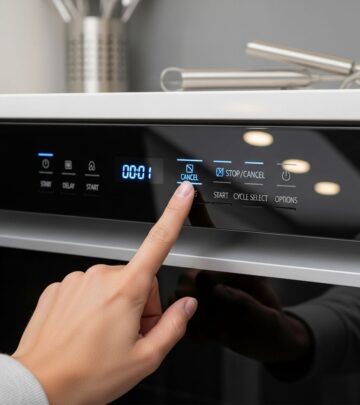
Modern ovens frequently feature self-cleaning cycles that promise hands-free results. However, this approach presents several disadvantages compared to manual cleaning with natural substances. Self-cleaning modes operate by elevating internal temperatures to approximately 900 degrees Fahrenheit, theoretically carbonizing all food residue to ash. The reality proves far less satisfactory.
The extreme heat often produces acrid smoke and odors that permeate the kitchen and surrounding rooms for extended periods. These fumes can trigger smoke alarms, creating safety concerns and household disruption. The process consumes several hours, during which the oven remains unusable and the kitchen becomes uncomfortably warm. Upon completion, users must remove ash residue—ironically requiring cleaning anyway. Furthermore, the intense heat sometimes bakes grease more firmly onto surfaces rather than removing it, resulting in a messier cleanup than before starting the cycle.
Natural cleaning methods avoid these complications entirely while achieving superior results in a fraction of the time.
Practical Guidance and Application Tips
Safety Considerations
- Always ensure the oven has cooled completely before applying any cleaning solution to avoid burns
- Remove racks before cleaning to improve access and reduce application time
- Avoid applying paste directly to heating elements, which could create electrical hazards
- Ensure adequate ventilation, particularly when using vinegar, to prevent overwhelming odors
- Use gloves if you have sensitive skin, though the natural ingredients pose minimal irritation risk
Optimization Strategies
- Schedule cleaning for times when your oven is not needed, allowing adequate contact time
- Keep a spray bottle filled with your 3:1 vinegar-water solution for quick touch-ups
- Implement a preventive routine—wiping spills immediately with baking soda paste prevents heavy accumulation
- Microfiber cloths prove more effective than standard paper towels for final wiping stages
- Replace water frequently during removal to prevent redepositing dissolved grease
Frequently Asked Questions About Natural Oven Cleaning
Q: Can I use this method on glass oven doors?
A: Yes, baking soda paste is safe for glass and actually superior to commercial cleaners in preventing streaking. The paste clings to vertical surfaces effectively, and the mild abrasive action removes stubborn spots without scratching tempered glass.
Q: How often should I clean my oven using these methods?
A: Light cleaning with the quick-clean method every 1-2 months maintains a hygienic oven and prevents heavy accumulation. Heavy-duty cleaning is necessary only every 6-12 months, depending on usage frequency.
Q: Is white vinegar essential, or can I use other types?
A: White vinegar is preferred due to its clarity and lack of coloring agents that could stain. Apple cider or cleaning vinegars work chemically but may leave residues requiring additional rinsing.
Q: What if the baking soda paste isn’t working on certain spots?
A: Persistent spots may require the heavy-duty treatment or multiple applications of the quick-clean method. Some extremely old deposits may need 24-48 hours of contact time to fully dissolve.
Q: Can I use baking soda on a self-cleaning oven?
A: Yes, this method works on all oven types. Simply allow the oven to cool completely and proceed normally. The manual cleaning approach is actually safer than using the self-clean cycle.
Q: Will vinegar smell linger after cleaning?
A: Initial vinegar odor dissipates within a few hours once the oven dries. Opening windows or running your exhaust fan accelerates this process. Any residual smell completely vanishes once you use the oven for cooking.
References
- Naturally Clean Your Oven with Baking Soda — Arm & Hammer. Accessed 2026. https://www.armandhammer.com/en/articles/clean-oven
- How to Clean an Oven Naturally — HGTV. 2017-09-19. https://www.youtube.com/watch?v=G20bA6lEyGs
Similar Articles




Read full bio of Sneha Tete