Natural Ways To Clean Oven Glass Doors: Easy, Safe Methods
Discover effective, eco-friendly methods to restore your oven glass door to sparkling cleanliness without harsh chemicals.
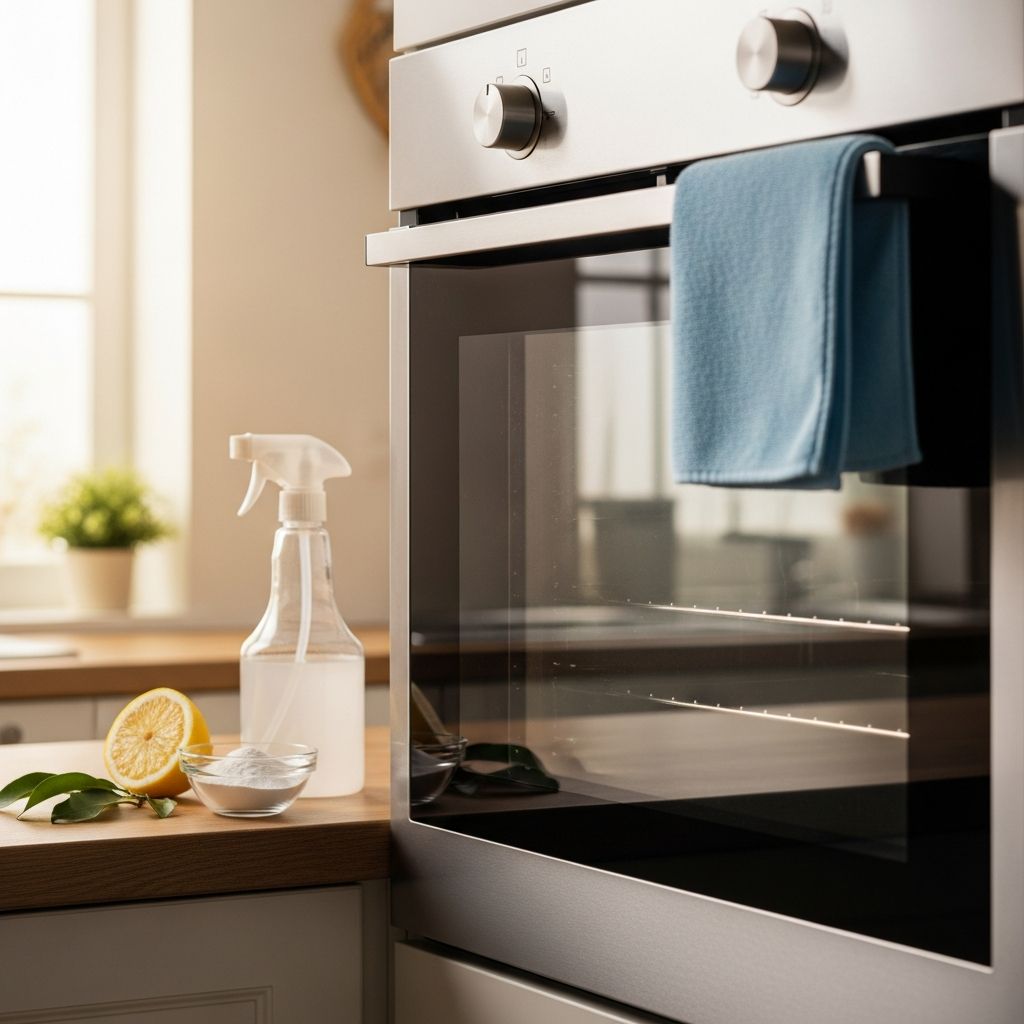
Natural Ways to Clean Oven Glass Doors
Keeping your oven glass door spotless enhances kitchen hygiene and improves cooking visibility. Buildup from spills, grease, and food particles can make it look dingy over time, but natural methods using everyday pantry staples offer a safe, effective solution without toxic fumes or residues.
Why Choose Natural Cleaning for Oven Glass
Oven glass doors endure high heat and splatters, leading to stubborn residues that commercial cleaners often struggle with harshly. Natural alternatives like baking soda and vinegar break down grease through mild abrasion and acidity, ensuring safety around food preparation areas. These methods are cost-effective, environmentally friendly, and gentle on surfaces, preventing scratches or etching common with chemical sprays.
Regular maintenance prevents deep grime accumulation. Cleaning every few months, especially after heavy use, keeps the door transparent and the oven efficient. Benefits include reduced allergen buildup and a fresher kitchen environment.
Essential Tools and Supplies for the Job
Gather these items before starting to streamline the process:
- Baking soda (sodium bicarbonate) for paste-based scrubbing
- White vinegar for dissolving grease
- Dish soap for initial degreasing
- Microfiber cloths or non-scratch sponges
- Spray bottle for solutions
- Plastic scraper or razor blade (held at 45 degrees)
- Bucket of warm water
These household basics cost pennies per use and multitask across kitchen cleaning tasks.
Preparation Steps for Safe Cleaning
Always prioritize safety. Ensure the oven is completely cool—wait at least 2-3 hours after use to avoid burns. Unplug the appliance if possible, and remove loose debris with a vacuum’s crevice tool along edges and hinges. Wipe surfaces with a dry cloth to prevent scratching during wet cleaning.
For double-pane doors, focus on the exterior first; interiors may require disassembly, which varies by model—consult your oven manual. Protect surrounding areas with towels to catch drips.
Method 1: Baking Soda Paste Technique
This powerhouse method leverages baking soda’s abrasiveness to lift baked-on messes. Mix ½ cup baking soda with 2-3 tablespoons water to form a spreadable paste. Adjust consistency for thickness.
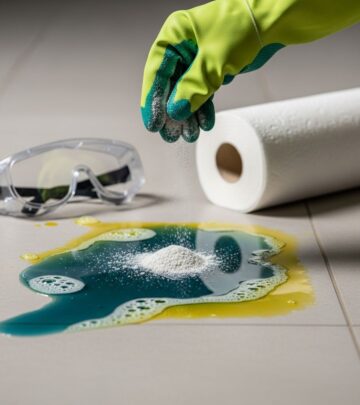
Apply generously to the glass using a sponge, covering all stained areas. Let it sit 30-60 minutes—or overnight for heavy buildup—to loosen grime. The paste bubbles as it works, indicating grease breakdown.
Wet a non-scratch sponge and scrub in circular motions, applying firm pressure. Rinse with a damp cloth, repeating if needed. Buff dry with a microfiber towel for streak-free shine. This approach yields professional results on moderately soiled doors.
Method 2: Vinegar Spray Powerhouse
Vinegar’s acetic acid dissolves mineral deposits and cuts through fat effectively. Fill a spray bottle with equal parts white vinegar and warm water. Add a squirt of dish soap for extra grease-fighting power.
Spray liberally on the door, ensuring full coverage. Let it dwell 15-20 minutes. Wipe with a damp sponge, using the vinegar’s fizzing action to lift residues. For stubborn spots, sprinkle baking soda over the wet surface first—it foams vigorously, enhancing cleaning power.
Rinse thoroughly and dry. This quick method suits light cleaning between deep sessions, refreshing the glass in under 30 minutes.
Advanced: Combining Baking Soda and Vinegar
For toughest grime, layer methods. Start with baking soda paste as base, then spritz vinegar on top. The chemical reaction creates carbon dioxide bubbles that dislodge particles deeply embedded.
After 20 minutes, scrub gently. This duo is non-toxic yet potent, mimicking commercial cleaners’ efficacy without hazards. Test on a small area first to ensure no reactions with existing residues.
Handling Stubborn Spots and Layers
Burnt-on food requires patience. Use a plastic scraper to gently lift charred bits post-paste application—never metal on glass. For layered grease, repeat cycles: paste, dwell, scrape, vinegar rinse.
A table of spot-specific tactics:
| Grime Type | Best Approach | Dwell Time |
|---|---|---|
| Grease splatters | Baking soda paste | 30 mins |
| Burnt food | Paste + scraper | 1 hour |
| Mineral buildup | Vinegar spray | 20 mins |
| Heavy layers | Baking soda + vinegar | Overnight |
Always rinse between steps to monitor progress.
Cleaning Oven Door Layers Thoroughly
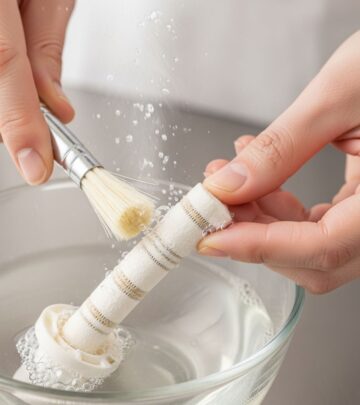
Many doors have multiple glass panels. For accessible interiors, apply paste between layers using a turkey baster or squeeze bottle. Wipe accessible edges with cotton swabs dipped in vinegar. If panels are removable (check manual), soak in a tub with hot water, baking soda, and vinegar for 2 hours before scrubbing.
Reassemble once dry to avoid streaks. This deep clean restores factory clarity.
Preventive Habits for Lasting Cleanliness
Avoid future buildup with these tips:
- Wipe spills immediately with a damp cloth while warm (not hot).
- Place a tray on the oven floor to catch drips.
- Use oven liners or foil on racks.
- Run self-clean cycles quarterly if available, but ventilate well.
- Spray doors lightly with vinegar after each use.
These habits cut cleaning time by 70% over time.
Common Mistakes to Sidestep
Avoid these pitfalls for best outcomes:
- Cleaning hot glass—risks cracks from thermal shock.
- Abrasive pads—scratch surfaces permanently.
- Excess water near electronics—use minimal moisture.
- Skipping rinses—leaves hazy films.
Patience trumps force; let naturals work their magic.
FAQs
Can I clean my oven door daily?
Light wipes with vinegar solution are safe daily; deep cleans monthly suffice for most.
Is baking soda safe for all oven types?
Yes, it’s non-corrosive for glass, stainless steel, and enamel. Confirm with manual.
What if natural methods fail?
Try commercial eco-cleaners or professional service; self-clean features work for interiors.
How often should I deep clean?
Every 3-6 months, depending on usage.
Does vinegar smell linger?
No, it dissipates quickly; polish with lemon juice for freshness.
Comparing Natural vs. Chemical Cleaners
| Aspect | Natural Methods | Chemical Cleaners |
|---|---|---|
| Safety | Food-safe, no fumes | Harsh, requires ventilation |
| Cost | <$1 per clean | $5-10 per bottle |
| Effectiveness | Excellent for grease | Fast but abrasive |
| Environmental | Biodegradable | Toxic runoff |
Naturals win for sustainability and health.
Ongoing research from cleaning authorities emphasizes non-toxic protocols for household appliances. The U.S. Environmental Protection Agency notes baking soda and vinegar as viable for grease removal without pollutants. Studies confirm their pH balance prevents surface damage.
Incorporate these routines for a pristine kitchen effortlessly. Regular natural cleans maintain oven performance, energy efficiency, and visual appeal, transforming a chore into a simple ritual.
References
- The Easiest Way to Clean Even the Grimiest Glass Oven Door — Real Simple. 2021-10-19. https://www.youtube.com/watch?v=-cHKKDQTgHg
- 2 Ingredient Oven Glass Cleaner — HomeHandyHints. 2015-03-16. https://www.youtube.com/watch?v=KVA2DvgbiD4
- Cleaning Your Range or Oven — Consumer Product Safety Commission (CPSC.gov). 2023-05-15. https://www.cpsc.gov/safety-education/safety-guides/home-appliance-safety/cleaning-your-range-or-oven
- Household Cleaning with Vinegar and Baking Soda — University of Nebraska-Lincoln Extension (extension.unl.edu). 2024-02-10. https://extensionpubs.unl.edu/publication/g2290/na/html/view
- Oven Cleaning Safety Guidelines — Underwriters Laboratories (UL.com). 2025-01-05. https://www.ul.com/news/oven-cleaning-safety-tips
Similar Articles




Read full bio of medha deb