Natural Pest Control for a Healthier Home and Garden
Eco-friendly ways to keep bugs and critters under control without drenching your space in chemicals.
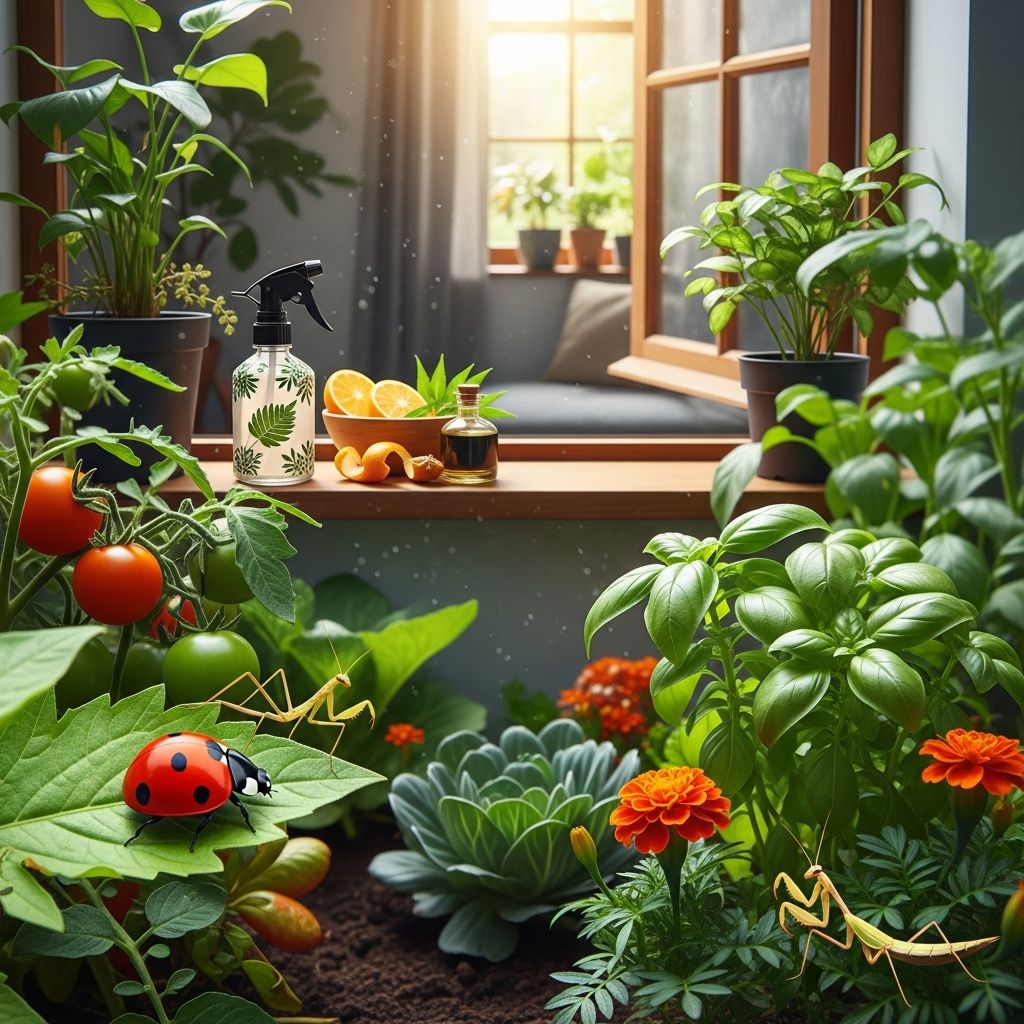
Harsh chemical sprays are no longer the only way to keep insects and critters from taking over your home and garden. With a bit of planning and the right techniques, natural pest control can be just as effective while protecting your family, pets and the environment.
This guide walks through a complete, eco-friendly strategy: starting with prevention and sanitation, then moving into natural repellents, targeted treatments and helpful FAQs. The goal is to manage pests, not eradicate every bug in sight, so your home ecosystem can stay in balance.
Why Choose Natural Pest Control?
Natural pest control focuses on prevention, physical barriers, low-toxicity remedies and biological solutions instead of broad-spectrum synthetic chemicals. This approach reduces risks to children, pets, beneficial insects and soil health.
- Lower exposure to toxic residues on floors, furniture, food and garden produce.
- Less harm to pollinators like bees and butterflies, as well as beneficial predators.
- Reduced chance of pests developing resistance, since you use multiple strategies rather than relying on one powerful spray.
Core Principles of Natural Pest Management
Instead of reacting only when pests appear, natural pest control uses a layered, preventive strategy. Think of it as building defenses step by step so infestations never explode out of control.
- Prevention first: Remove food, water and shelter that attract pests.
- Block entry: Seal gaps, repair screens and use physical barriers.
- Use mild remedies: Try the least disruptive method that can still solve the problem.
- Monitor and adjust: Check problem spots regularly and tweak your methods as needed.
Step 1: Make Your Home Unattractive to Pests
Most pests arrive because they find easy access to food, moisture or hiding spots. Tightening up these basics often solves minor problems before they become infestations.
- Store pantry items like grains, pet food and snacks in sealed glass, metal or heavy plastic containers.
- Wipe counters and sweep floors to remove crumbs and sticky residues that attract ants and roaches.
- Fix leaky faucets, dripping pipes and standing water that draw in roaches, mosquitoes and drain flies.
- Take out kitchen trash regularly, and rinse recyclables that held food or sweet drinks.
- Declutter storage areas so rodents and insects have fewer dark, undisturbed hiding spots.
Step 2: Seal and Screen Entry Points
Even the best sanitation will not help if insects and rodents can easily stroll or squeeze into your home. A weekend spent sealing the building envelope can dramatically cut down on pest pressure.
- Install or repair door sweeps to close gaps between the bottom of doors and the floor.
- Use caulk or expandable foam to fill cracks around window frames, baseboards, and where pipes or cables enter walls.
- Patch or replace torn window and door screens to keep flying insects out while still allowing ventilation.
- Cover vents and chimneys with appropriate mesh that blocks pests but still allows air flow.
Step 3: Encourage Helpful Wildlife and Beneficial Insects
Not every bug is a problem. Some insects and small animals actively eat pests that would otherwise damage your plants or invade your home. Welcoming these allies is an essential part of natural pest management, especially outdoors.
- Plant nectar-rich flowers and herbs to attract predatory insects like lady beetles, lacewings and parasitic wasps.
- Set up bird feeders and birdbaths to invite insect-eating birds that help control caterpillars and beetles.
- Provide diverse plantings and avoid blanket spraying so beneficial species can find food and nesting areas.
Natural Remedies for Common Indoor Pests
Once prevention and exclusion are in place, you may still see occasional intruders. The following home-friendly tactics rely on household items, gentle ingredients and smart placement rather than harsh chemicals.
Ants
Ants are attracted to sweet spills and grease, and they leave invisible trails to recruit more workers. The key is to erase those trails and make your kitchen less appealing without contaminating food surfaces.
- Wipe trails and entry points with a solution of vinegar and water to disrupt scent paths.
- Place lidded containers or jars of sweet bait mixed with a small amount of borax or another low-toxicity bait in out-of-reach areas to target the colony, not just the foragers.
- Trim shrubs and branches that touch exterior walls so ants cannot use them as bridges to your house.
Cockroaches
Roaches thrive in warm, damp spaces with crumbs, grease and cardboard. They are often stubborn, so combining sanitation with natural baits and traps is more effective than any single remedy.
- Vacuum behind appliances and along baseboards, then seal cracks where roaches hide during the day.
- Use jar traps with a slippery inner surface and food bait at the bottom; a thin layer of oil or petroleum jelly near the rim keeps them from climbing back out.
- Set out small amounts of a sugar-and-baking-soda bait in protected spots, keeping it away from children and pets.
House Flies and Fruit Flies
Flies quickly find their way to exposed food and food waste. Control focuses on eliminating breeding sites and tempting them into simple traps.
- Keep produce in the refrigerator or in covered containers, and empty indoor compost pails frequently.
- Make a trap by filling a jar with a little vinegar or overripe fruit, then cover the top with plastic wrap punctured with tiny holes; flies can get in but struggle to escape.
- Use fans near food prep or dining areas; the moving air makes it harder for flies and mosquitoes to land.
Rodents
Natural rodent control emphasizes exclusion and safe trapping. Poison baits can harm pets, children and wild predators that might eat a poisoned rodent.
- Seal gaps larger than a pencil with steel wool and caulk, paying special attention to areas around pipes and foundation cracks.
- Store pet food and birdseed in metal cans with tight-fitting lids to remove easy food sources.
- Use well-placed snap traps or live traps inside wall voids, along baseboards and behind objects where rodents like to travel.
Natural Strategies for Outdoor and Garden Pests
Gardens attract a wide variety of insects, many of which are beneficial. Instead of trying to eliminate all bugs, aim to protect your plants while maintaining a living, resilient landscape.
Plant Health and Garden Design
Stressed plants are magnets for pests. Good soil, proper watering and smart plant choices often prevent damage better than any spray.
- Improve soil with compost so plants grow stronger, making them less attractive to insects and diseases.
- Water at the base of plants in the morning to reduce fungal problems and discourage slugs.
- Space plants so air can circulate, which limits moisture-loving pests and diseases.
Companion Planting and Repellent Plants
Certain plants help protect their neighbors by masking scents, repelling specific insects or luring pests away from valuable crops. Thoughtful combinations turn your garden into a self-defending system.
- Grow aromatic herbs such as rosemary, thyme and basil around patios and vegetable beds to help confuse and deter some insects.
- Plant flowers like marigolds and calendula at the edges of beds to attract beneficial insects and discourage some soil-dwelling pests.
- Try “trap crops” that pests prefer, such as nasturtiums near vegetables that often suffer from aphids, then monitor and treat only the sacrificial plants.
Homemade Sprays and Spot Treatments
When specific plants are under attack, targeted sprays made from mild ingredients can help. Always test on a small area first and avoid spraying during the hottest, sunniest part of the day to prevent leaf scorch.
- Use a simple soapy water spray made with a small amount of mild liquid soap in water to control soft-bodied insects like aphids and mites.
- Mix a garlic or hot pepper spray (strained carefully) to discourage chewing insects on foliage; reapply after rain.
- Apply horticultural or plant-derived oils according to product guidance to smother eggs and small insects on the underside of leaves.
Physical Barriers and Traps in the Garden
Sometimes the safest method is to keep pests from reaching your plants at all. Physical barriers and non-toxic traps prevent damage without affecting beneficial species.
- Lay floating row covers over young plants to protect them from beetles, moths and other flying insects while still letting in light and water.
- Hand-pick large pests like slugs, snails and caterpillars in the early morning or evening and relocate or dispose of them.
- Use simple pitfall or beer traps for slugs, or yellow sticky cards to monitor populations of flying pests like whiteflies.
Quick Reference: Common Pests and Natural Options
The table below gives an at-a-glance overview of typical home and garden pests, how they cause trouble and which natural tactics are most useful.
| Pest | Typical Problem | Natural Control Ideas |
|---|---|---|
| Ants (indoors) | Trails to sugary foods, nesting in walls or under floors | Sanitation, sealing entry gaps, vinegar trail wipes, low-toxicity baits placed safely |
| Cockroaches | Contamination of food areas, unpleasant odors, allergens | Deep cleaning, crack sealing, jar traps, targeted homemade baits in inaccessible spots |
| House and fruit flies | Bothering people, landing on food, breeding in garbage or drains | Better waste management, fly jars with bait liquid, fans near food, fixing window screens |
| Rodents | Gnawing, droppings, noise in walls and attics | Exclusion with metal and caulk, food storage, snap or live traps placed along travel routes |
| Aphids | Sap-sucking on tender garden growth, sticky honeydew on leaves | Strong water spray, soapy water on leaves, encouraging lady beetles, using trap crops |
| Slugs and snails | Chewing holes in leaves, especially seedlings and tender greens | Hand-picking, shallow traps, rough mulches they dislike crossing, watering in the morning |
| Caterpillars | Stripping foliage and damaging fruit in gardens and orchards | Hand removal, row covers for young plants, attracting birds and beneficial insects |
Safety Tips for Natural Pest Remedies
“Natural” does not necessarily mean harmless. Many plant-derived compounds and DIY mixtures are still powerful and should be handled with care, particularly around kids, pets and wildlife.
- Label all homemade sprays and store them out of reach, just as you would with commercial products.
- Wear gloves and eye protection when mixing or applying concentrated solutions or powders.
- Avoid spraying beneficial insect hotspots, and never apply any product to blooming plants visited by pollinators unless the label specifically allows it.
When to Call a Professional
Natural methods are very effective for mild to moderate pest issues, but severe infestations can threaten health or structural integrity. In those situations, professional help is the safest route, ideally from a company that emphasizes lower-toxicity and targeted treatments.
- Seek expert assistance if you suspect termites, large rodent populations or pests carrying significant health risks.
- Ask about inspection-based plans, spot treatments and integrated strategies instead of routine, blanket spraying.
Frequently Asked Questions About Natural Pest Control
Do natural remedies work as well as chemical sprays?
Natural remedies can be very effective when used as part of a broader strategy that includes sanitation, sealing entry points and monitoring. They often require more consistent application and patience, but the payoff is a safer living environment and fewer long-term problems with resistance.
How long do homemade sprays remain effective?
Most homemade mixtures, such as soapy water or garlic-based sprays, begin losing strength within a day or two, especially in hot sun or after rain. Plan on making small batches and reapplying as needed rather than mixing large quantities far in advance.
Are essential oils safe to use for pest control?
Essential oils can repel certain insects, but they are highly concentrated and need to be diluted properly. Some oils are irritating to skin or dangerous to pets, particularly cats, so always research specific oils, use them sparingly and keep them away from direct contact with children and animals.
Will natural pest control harm beneficial insects?
Any treatment that targets insects can impact helpful species if used carelessly. To protect beneficial insects, focus treatments on affected plants or specific problem zones, avoid spraying open flowers and apply products in calm weather to reduce drift.
How can I tell if my pest population is actually a problem?
A few insects on a plant or an occasional ant scout in the kitchen is normal and may not justify treatment. Look for ongoing damage, repeated sightings and signs of nesting or breeding; if you see steady or increasing activity, it is time to act with the least disruptive methods that will still solve the issue.
Similar Articles







Read full bio of medha deb