Natural Ways to Deter Rabbits from Your Garden
Discover effective, eco-friendly strategies to protect your plants from rabbits using barriers, repellents, and smart planting choices.
Natural Strategies to Safeguard Your Garden Against Rabbits
Rabbits can quickly turn a thriving garden into a nibbled disaster, devouring tender shoots, vegetables, and flowers overnight. Fortunately, gardeners have access to a range of humane, natural methods to discourage these persistent visitors without resorting to chemicals or traps. These approaches focus on physical barriers, sensory repellents, habitat modification, and strategic planting to create an unappealing environment for rabbits.
Understanding Rabbit Behavior in Gardens
Rabbits are drawn to gardens for their abundance of soft, succulent plants and sheltered spots for hiding from predators. As herbivores, they prefer young, tender growth like lettuce, beans, peas, and pansies, especially during dawn and dusk feeding times. Their keen senses of smell, sight, and hearing make them wary of unfamiliar threats, which gardeners can exploit. By combining multiple deterrents, you reduce the chances of rabbits adapting and returning.
Adult rabbits teach kits to avoid certain plants, but young ones often sample everything, leading to widespread damage. Populations surge in spring, so proactive measures before planting yield the best results. Modifying your yard to eliminate cover—such as clearing brush piles, mowing tall grass, and sealing gaps under sheds—makes your space less inviting overall.
Building Effective Physical Barriers
The most reliable defense starts with impenetrable barriers that account for rabbits’ digging and jumping abilities. A well-constructed fence prevents access while maintaining garden aesthetics.
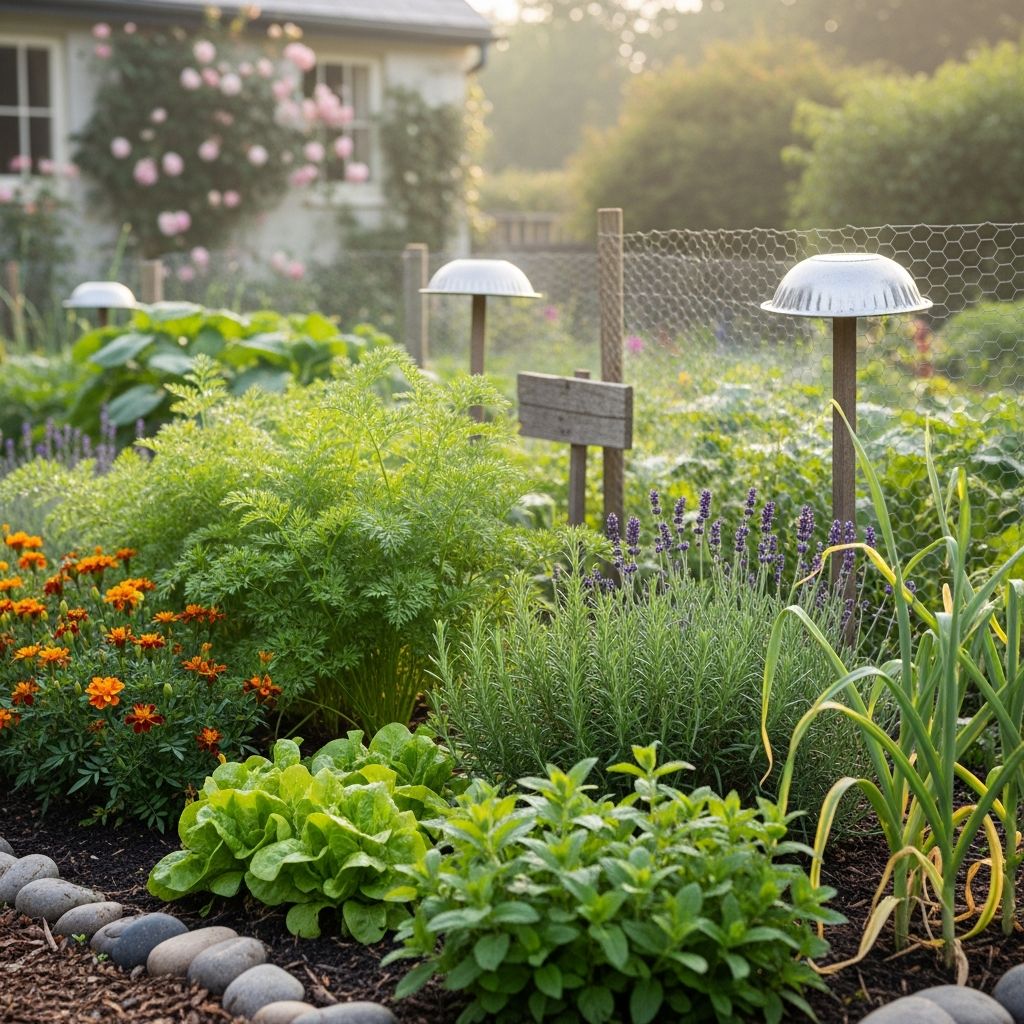
- Perimeter Fencing: Install chicken wire or hardware cloth with 1-inch or smaller mesh. Bury it at least 6 inches underground and bend the bottom outward in an L-shape to thwart diggers. Height should be 2-3 feet, adding extra if heavy snow is common, as drifts can provide a boost.
- Individual Plant Guards: For seedlings or prized shrubs, use wire cages, cloches, or domes sunk 6 inches into soil and staked securely. Tree trunks benefit from plastic wraps or hardware cloth up to 3 feet high, especially in winter when bark is a target.
- Motion-Activated Devices: Sprinklers that trigger on movement startle rabbits with sudden water bursts, covering larger areas effectively. Regular checks for gaps or damage ensure ongoing protection.
These barriers demand initial effort but offer long-term reliability when maintained.
Homemade Repellents and Sensory Deterrents
Rabbits rely heavily on smell, so pungent homemade sprays and powders disrupt their feeding. Reapply after rain or every 1-2 weeks for consistency.
DIY Cayenne-Garlic Spray Recipe:
- Combine 2 tablespoons cayenne pepper, 2 tablespoons garlic powder, 1 teaspoon liquid castile soap, and 5 cups water.
- Shake well in a spray bottle and apply to affected plants, avoiding edible parts close to harvest.
- Test on a small area first to prevent leaf burn.
Other options include sprinkling black pepper, crushed red pepper, or garlic powder around beds. Shavings from strong-scented soaps like Irish Spring, tied in cheesecloth and staked nearby, also work temporarily.
Vinegar-based solutions, such as diluted white vinegar sprayed on foliage, create a sour barrier rabbits avoid. Mix 1 part vinegar with 3 parts water, adding dish soap for adhesion, and refresh frequently.
Strategic Planting for Rabbit Resistance
Incorporating plants rabbits naturally shun reduces temptation. While no plant is fully “rabbit-proof,” strong aromas, fuzzy textures, or bitter tastes deter most.
| Category | Rabbit-Resistant Plants | Why They Work |
|---|---|---|
| Herbs & Vegetables | Basil, garlic, rhubarb, hot peppers, mint | Strong scents overwhelm rabbit senses |
| Flowers & Perennials | Catmint, marigolds (mixed results), snapdragons | Pungent or fuzzy foliage |
| Shrubs & Trees | Butterfly bush, juniper, lilac, spirea | Tough, aromatic leaves |
Interplant favorites like tulips with alliums or lavender. Note that hungry young rabbits may nibble anyway, so pair with barriers.
Visual and Auditory Scare Tactics
Exploiting rabbits’ predator instincts with movement and unfamiliar sights provides short-term deterrence, best rotated to prevent habituation.
- Pinwheels, reflective tape, or aluminum foil strips fluttering in breeze mimic danger.
- Decoy predators like rubber snakes, owl statues, or pie pans on stakes.
- Scatter dog/cat hair from groomers in bags around plants to simulate predator presence; refresh post-rain.
- Avoid ultrasonics, as studies show limited efficacy.
For enhanced impact, create a “living fence” of native plants around veggies to attract real predators like hawks or foxes.
Habitat Modification for Long-Term Prevention
Make your yard rabbit-unfriendly by removing shelter and alternative food. Allow lawn weeds like dandelions to grow nearby, diverting bunnies from crops.
- Eliminate hiding spots: Trim overgrown areas, dismantle woodpiles, block under-deck access.
- Encourage predators: Install birdhouses for owls or plant pollinator-friendly natives to draw beneficial wildlife.
- Rotate deterrents seasonally to keep rabbits guessing.
Combining Methods for Maximum Effectiveness
No single tactic suffices long-term; layer approaches for robust defense. Start with barriers, add repellents, incorporate resistant plants, and use scares as backups. Monitor for breaches and adjust based on local rabbit pressure. In high-infestation areas, commercial natural repellents putrefied egg-based formulas offer convenience without harm.
Patience is key—results build over weeks as rabbits learn to avoid treated areas.
Frequently Asked Questions
Do rabbits adapt to deterrents?
Yes, rabbits habituate to static scares quickly. Rotate methods and reapply repellents to maintain effectiveness.
Are there plants rabbits completely avoid?
No plant is 100% rabbit-proof, but aromatic ones like garlic and mint are rarely touched. Use with barriers for best results.
How deep should I bury fence mesh?
At least 6 inches, with an outward L-bend, to stop digging.
Will vinegar harm my plants?
Diluted vinegar is safe but test first; avoid on sensitive seedlings and reapply after rain.
Can I use these methods for other pests?
Many, like pepper sprays, also deter deer and squirrels.
References
- How to Keep Rabbits Out of Your Garden – 8 Tips to Deter Bunnies — Garden Design. Accessed 2026. https://www.gardendesign.com/how-to/rabbits.html
- Natural Rabbit Repellent Tips — I Must Garden. Accessed 2026. https://www.imustgarden.com/repel-rabbits
- Use This Simple Trick to Stop Rabbits From Eating All Your Plants — YouTube (Video). Accessed 2026. https://www.youtube.com/watch?v=eScV8orE8vU
Similar Articles





Read full bio of medha deb