Natural Ways to Deter Spiders from Your Home
Discover effective, eco-friendly methods using scents, plants, and household items to keep spiders away safely and naturally.
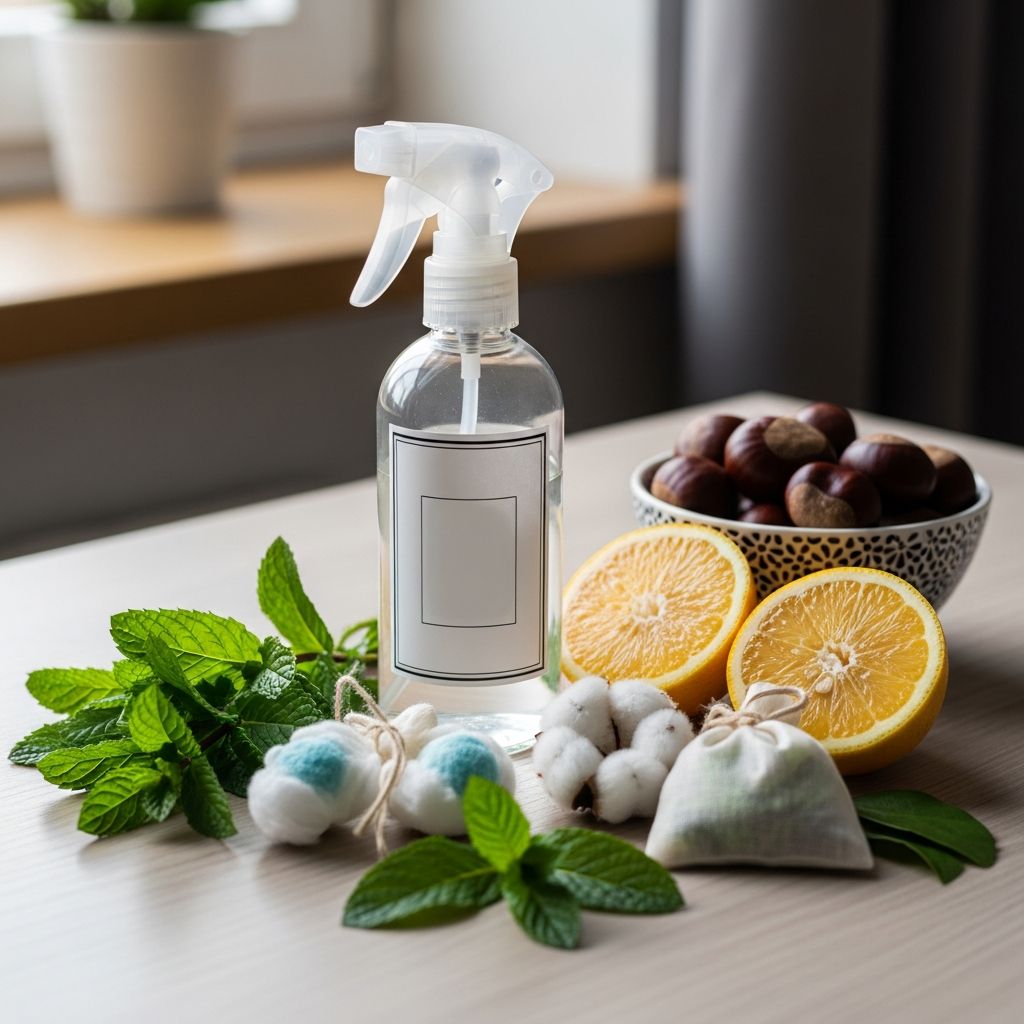
Spiders play a valuable role in controlling insect populations, but their presence indoors can be unsettling for many homeowners. Fortunately, numerous natural methods exist to discourage spiders from entering and staying in your living spaces. These approaches leverage strong scents, physical barriers, and environmental changes that spiders find unappealing, all without relying on synthetic pesticides. This guide details practical, easy-to-implement strategies drawn from reliable pest management practices.
Understanding Why Spiders Enter Homes
Spiders seek shelter, warmth, and prey inside homes, especially during cooler months or dry seasons. Common entry points include cracks in foundations, gaps around doors and windows, and utility line penetrations. They thrive in dark, undisturbed areas like basements, garages, attics, and closets. By targeting these zones with repellents, you can make your home less inviting.
Most household spiders pose no direct threat to humans, as their bites are rare and mild. However, prevention is preferable to dealing with webs and unexpected encounters. Natural repellents work by overwhelming spiders’ sensory organs, primarily located on their legs, with odors they instinctively avoid.
Powerful Essential Oils as Spider Deterrents
Essential oils from plants emit volatile compounds that spiders detect and dislike. These oils are affordable, pleasant-smelling for humans, and versatile for DIY sprays or diffusers. Here’s a breakdown of the most effective ones:
- Peppermint Oil: The menthol in peppermint creates a sharp, cooling sensation spiders hate. Mix 10-15 drops with 1 cup of water in a spray bottle; shake and apply to baseboards, corners, and windowsills. Reapply weekly.
- Lavender Oil: Its floral aroma repels spiders while freshening closets and drawers. Soak cotton balls in diluted lavender oil and place them in problem areas, or spray a water mixture around furniture.
- Eucalyptus Oil: This invigorating scent disrupts spider navigation. Combine with water for sprays on entry points; it’s also effective against other pests.
- Tea Tree Oil: Known for antimicrobial properties, its pungent smell drives spiders away. Use in sprays for high-traffic spider zones like garages.
- Lemon Oil: Citrus notes are off-putting to arachnids. Rub peels or spray diluted oil on sills and door frames for a clean, zesty barrier.
Pro Tip: Always test oils on inconspicuous areas to avoid staining fabrics or surfaces. For enhanced effect, blend oils like peppermint and lavender.
Household Ingredients for Quick Repellent Sprays
Common kitchen staples double as potent spider chasers. These solutions are cost-effective and immediately available.
| Ingredient | Recipe | Application Areas | Frequency |
|---|---|---|---|
| Vinegar | Equal parts white vinegar and water in spray bottle | Doors, windows, cracks | Daily or after rain |
| Citrus Peels | Crush peels and rub directly or infuse in water | Sills, counters, baseboards | Weekly |
| Salt Water | 2 tbsp salt per quart of water | Window frames, entryways | As needed |
| Coconut Oil + Vinegar | 3 tbsp coconut oil + 1 cup vinegar in 1 gallon water | Perimeter, gardens | Every 7-10 days |
Vinegar’s acetic acid irritates spiders’ senses, while salt dehydrates them on contact. Citrus provides a lingering residue that deters re-entry.
Strategic Plantings for Long-Term Prevention
Incorporate spider-repelling plants into your indoor and outdoor spaces for passive protection. These greenery options release natural oils that create an inhospitable environment.
- Mint Varieties (Peppermint, Spearmint): Grow in pots on windowsills or outdoors near entrances. Crush leaves periodically to release oils.
- Lavender: Ideal for borders and indoor pots; its scent wards off spiders effectively.
- Eucalyptus and Citronella: Place near doors; their strong aromas form a natural barrier.
- Thyme and Rosemary: Bundle stems and position on sills or in closets for aromatic deterrence.
- Lemon Balm: Strong eucalyptus-like scent repels spiders from gardens and indoors.
Potted plants not only repel but also beautify your home. For outdoor use, plant densely around foundations.
Physical and Environmental Controls
Beyond scents, modify your home to reduce spider appeal:
- Seal Entry Points: Caulk cracks, weatherstrip doors, and install screens.
- Reduce Lighting: Spiders follow insects attracted to lights; use sodium vapor bulbs outdoors.
- Declutter: Vacuum regularly, especially in corners and under furniture, to remove webs and eggs.
- Cedar Chips: Scatter in closets, garages, and attics; spiders detest the woody aroma.
- Diatomaceous Earth: Sprinkle food-grade powder in moist areas; it dehydrates spiders safely.
Combine these with repellents for comprehensive coverage. Maintain cleanliness to limit prey insects.
Seasonal Strategies and Maintenance
Spider activity peaks in fall and spring. Increase applications during these times. Monitor basements and attics monthly. For persistent issues, rotate repellents to prevent adaptation. Natural methods require consistency but offer safer, eco-friendly results compared to chemicals.
Store sprays in cool, dark places. Refresh plantings and cotton balls bi-weekly. Track effectiveness by noting web reduction over 2-4 weeks.
Frequently Asked Questions (FAQs)
Are natural spider repellents safe for pets and children?
Yes, when used as directed. Essential oils should be diluted, and pets kept away from wet sprays until dry. Vinegar and salt are non-toxic.
How long do essential oil sprays last?
Typically 3-7 days, depending on ventilation and surface. Reapply after cleaning or heavy traffic.
Can I use these methods outdoors?
Absolutely. Spray perimeters, gardens, and foundations. Plants like mint provide ongoing outdoor protection.
What if spiders keep returning?
Combine methods: seal entries, declutter, and use multiple repellents. Consult professionals for infestations.
Do these kill spiders or just repel them?
Most repel without killing, preserving their ecological role. Salt and diatomaceous earth may dehydrate on contact.
Potential Drawbacks and Best Practices
Natural repellents may require frequent reapplication and aren’t instant-kill solutions. Sensitive individuals might react to strong oils—use ventilation. Always prioritize prevention over reaction for lasting results.
By integrating these techniques, homeowners can enjoy a spider-reduced environment that’s healthy and inviting. Start with high-impact areas like entryways and expand as needed.
References
- DIY Homemade Spider Repellent — Seventh Generation. 2023 (approx.). https://www.seventhgeneration.com/blog/natural-spider-repellent
- Natural Ways To Keep Spiders Away — Northwest Exterminating. 2023-08. https://www.callnorthwest.com/2023/08/natural-ways-to-keep-spiders-away/
- Top 5 Essential Oils that Deter Spiders — Sentinel Pest Control. Recent (post-2023). https://sentinelpest.com/essential-oils-that-deter-spiders/
- Make Your Home SPIDER FREE FOREVER — YouTube (video transcript). 2023 (approx.). https://www.youtube.com/watch?v=x1NHSDinrLo
Similar Articles







Read full bio of medha deb