Natural Ways to Eliminate Stink Bugs from Your Home
Discover effective, eco-friendly methods to banish stink bugs without harsh chemicals using household items and simple techniques.
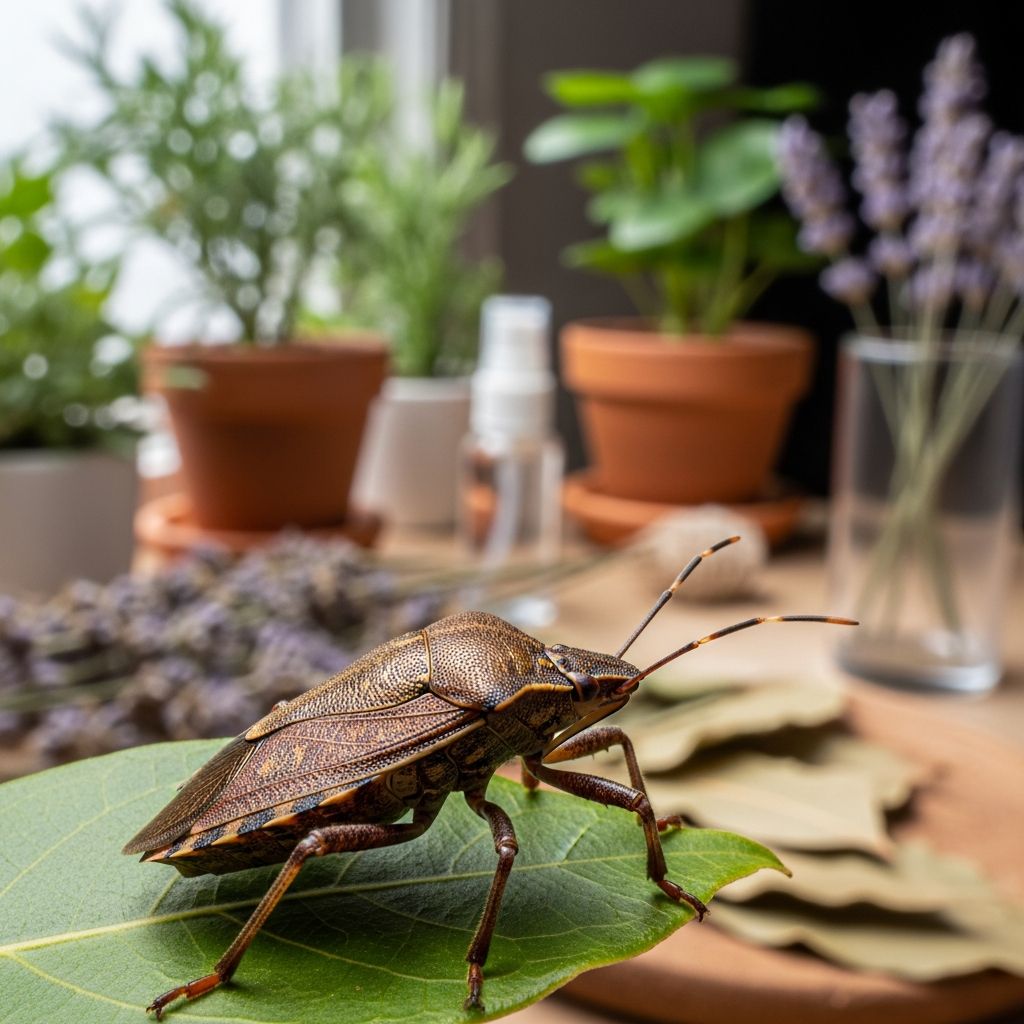
Stink bugs, particularly the invasive brown marmorated variety, invade homes seeking warmth during cooler months, releasing an unpleasant odor when disturbed. Homeowners can effectively manage these pests using non-toxic, household-based approaches that target both visible bugs and entry points, reducing populations without synthetic pesticides.
Understanding Stink Bug Behavior and Why They Invade
These shield-shaped insects, native to Asia but widespread across 41 U.S. states, cluster on sunny exterior walls before entering homes through tiny gaps. They do not reproduce indoors or feed on household items but create annoyance through sheer numbers and defensive secretions. Early intervention with natural methods prevents overwhelming infestations, focusing on deterrence, capture, and exclusion.
Recognizing signs like cilantro-like smells or bugs on windowsills allows for prompt action. Unlike ants or roaches, stink bugs pose no health risks but can number in thousands, making natural control essential for comfort.
DIY Spray Solutions for Direct Elimination
Household sprays provide immediate knockdown power by suffocating or repelling stink bugs on contact. These mixtures use common kitchen staples, offering a safe alternative to aerosols.
- Vinegar-Based Killer Spray: Combine 2 cups water, 1 cup white vinegar, and ½ teaspoon dish soap in a spray bottle. The vinegar disrupts their exoskeleton while soap breaks surface tension, causing drowning. Apply directly to bugs or along sills; reapply after cleaning.
- Essential Oil Repellents: Mix 10-15 drops of peppermint, clove, tea tree, or lemon eucalyptus oil with 2 cups water, plus optional vinegar. Strong scents mask attractants and deter landing. Spray entry zones daily; shake before use.
- Garlic or Mint Infusion: Boil crushed garlic cloves or mint leaves in 2 cups water, cool, strain, and bottle. Pungent odors confuse stink bug senses, reducing congregation. Ideal for vents and lights.
These sprays work best outdoors on massing bugs or indoors sparingly to avoid residue. Test on surfaces first to prevent damage.
Effective Homemade Trap Designs
Traps exploit stink bugs’ attraction to light and reflective surfaces, capturing dozens overnight without mess. Scientific testing confirms their superiority over commercial options.
| Trap Type | Materials Needed | How It Works | Effectiveness Notes |
|---|---|---|---|
| Foil Pan Light Trap | Aluminum roasting pan, dish soap, water, desk lamp | Fill pan with soapy water; position lamp above in dark room. Bugs drown in soap solution. | Eliminates 14x more than store-bought traps; pesticide-free. |
| Sticky Surface Traps | Painter’s tape, duct tape, or pet strips | Lay sticky side up on windowsills or screens where bugs gather. | Captures walking bugs; dispose and replace daily. |
| Jar Dish Trap | Shallow dish, soapy water, nightlight | Place near aggregation spots; light draws them in. | Simple, low-cost for small areas. |
Position traps near windows at night, emptying contents outdoors in sealed bags to contain odors. Combine with vacuums using disposable bags for quick removal.
Plant-Derived Oils and Soaps for Broader Control
Neem oil, extracted from tree seeds, starves stink bugs by mimicking satiety hormones upon ingestion, leading to death without toxicity to humans or pets. Dilute per label instructions and apply to infested plants or entry areas.
Insecticidal soaps smother soft-bodied pests similarly to dish soap mixes. Commercial versions offer precision, but homemade equivalents suffice for spot treatments. Oils like wintergreen, clove, or spearmint provide lingering repellency when diffused or sprayed.
Sealing and Exclusion: The Foundation of Prevention
No spray or trap succeeds without blocking access. Inspect and seal:
- Cracks around windows, doors, siding, and foundations with silicone caulk.
- Gaps in weatherstripping, chimneys, and utility penetrations.
- Vents and fascia boards using fine mesh screens.
Reduce indoor appeal by eliminating moisture—fix leaks, use dehumidifiers—and securing food in airtight containers. Prompt garbage disposal in sealed cans starves opportunistic feeders.
Creative Household Hacks from Real Users
Community-tested methods expand options: Rub dryer sheets on screens and frames; the fragrances repel effectively. Freeze bugs with canned air upside-down or squash them in plastic bags to neutralize odors. Wet paper towels swiftly capture clusters without release.
Outdoors, spray exterior walls with soapy water pre-invasion to deter clusters. These low-effort tricks complement core strategies.
Integrated Natural Management Plan
For comprehensive control:
- Daily Patrols: Vacuum and spray visible bugs; empty outdoors.
- Weekly Maintenance: Refresh traps, reapply repellents, check seals.
- Seasonal Prep: Seal home in fall; clean gutters to avoid outdoor attractants.
- Monitor Progress: Reduce light leakage at night to minimize draws.
This layered approach addresses immediate threats and long-term prevention, often resolving issues in days.
Frequently Asked Questions
Do natural methods fully eradicate stink bugs?
They significantly reduce numbers and prevent reinfestation when combined with sealing, though severe cases may need professional escalation.
Will stink bug sprays harm pets or kids?
Vinegar, soap, and essential oil mixes are pet-safe if used as directed and surfaces dried; avoid direct pet contact.
How long do DIY traps last?
Refresh soapy water daily; effectiveness peaks first few nights in high-infestation zones.
Can I use these outdoors?
Yes, sprays and traps work on exterior walls and porches to curb entry.
What if I smell the odor indoors?
Vacuum promptly and ventilate; the scent dissipates quickly with cleanup.
Limitations and When to Seek Help
Natural methods excel for mild to moderate issues but may falter against massive invasions. If bugs persist after two weeks, consult certified pros for targeted, eco-friendly treatments. Consistency yields results without environmental harm.
References
- Homemade Stink Bug Sprays and Repellents — ELDER Pest Control. Accessed 2026. https://elderpest.com/homemade-stink-bug-sprays-and-repellents/
- How to Get Rid of Stink Bugs | 7 DIY Tips — Anchor Pest Control. Accessed 2026. https://anchorpestcontrol.net/pest-control-articles/how-to-get-rid-of-stink-bugs-7-diy-tips
- Pesticide-free DIY: Rid your home of Stink Bugs! (Viewer tested!) — YouTube (Video Transcript). Accessed 2026. https://www.youtube.com/watch?v=U4o-79om2xk
- Stink bugs beware! Homemade stink bug traps squash store-bought — Virginia Tech News. 2014-05-07. https://news.vt.edu/articles/2014/05/050714-cals-stinkbugtrap.html
- How to get rid of stink bugs — The Ohio State University. Accessed 2026. https://www.osu.edu/impact/research-and-innovation/stink-bugs
Similar Articles




Read full bio of medha deb