Natural Vinegar Weed Killer Recipes: 3 Effective DIY Mixes
Discover effective homemade weed killers using vinegar, salt, and soap for safe, eco-friendly garden maintenance.
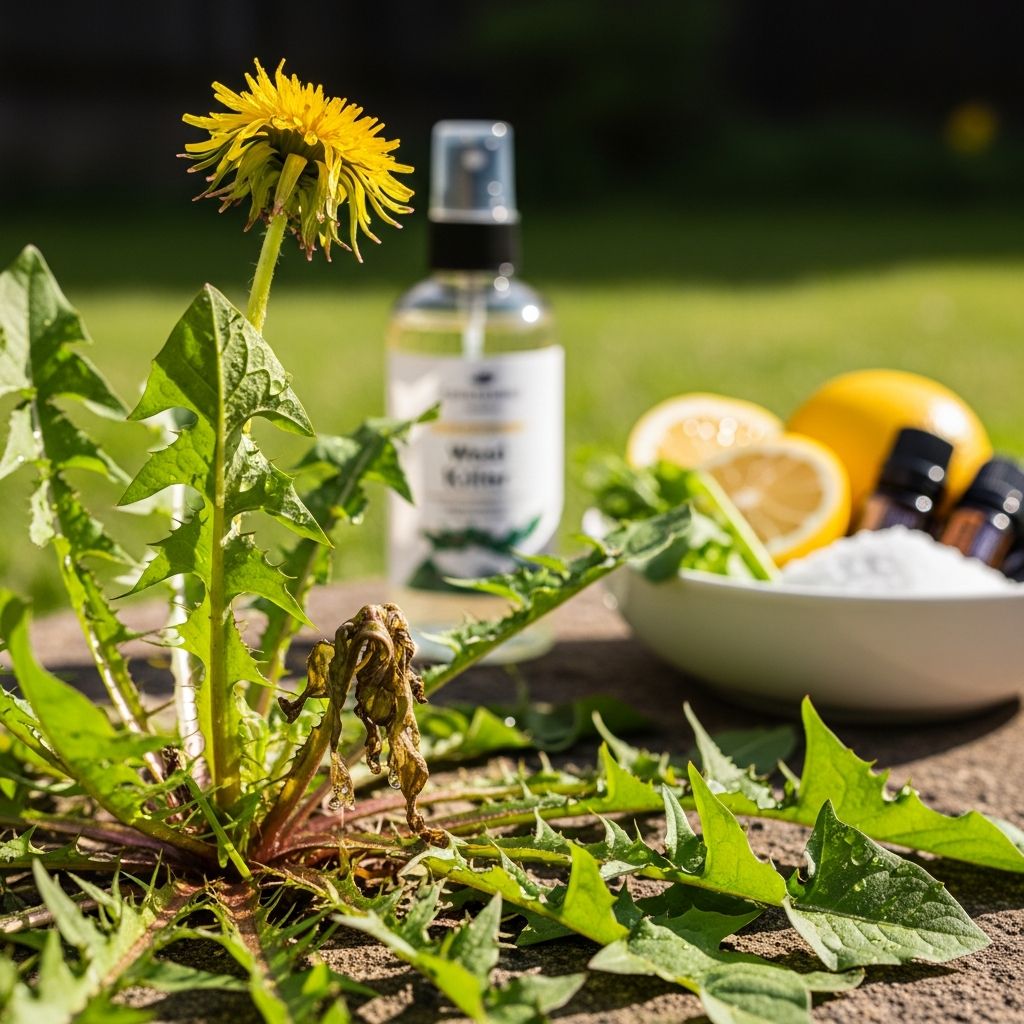
Controlling weeds without harsh chemicals is a priority for many gardeners seeking sustainable practices. Homemade solutions using common household items like vinegar, salt, and dish soap offer a practical alternative. These mixtures work by desiccating plant tissues, providing quick results on unwanted vegetation in driveways, patios, and garden edges.
Understanding the Science Behind Vinegar-Based Weed Killers
Vinegar’s active component, acetic acid, penetrates plant leaves and stems, breaking down cell structures and causing dehydration. Concentrations above 20% are most effective; standard 5% household vinegar suits young weeds but struggles with mature ones. Salt enhances this by drawing moisture from cells, while dish soap serves as a surfactant, ensuring even adhesion and penetration.
These ingredients create a non-selective formula, meaning it affects all contacted plants. Ideal for barren areas, but precision is key near desired greenery.
Essential Ingredients and Their Roles
- Vinegar: Provides acetic acid (aim for 30-45% for potency). Higher strength dissolves cell membranes rapidly.
- Salt (Table or Epsom): Dehydrates plants; table salt is common, Epsom (magnesium sulfate) adds mineral disruption.
- Dish Soap: Reduces surface tension, helping the solution stick and absorb. Dawn or similar brands are popular for their grease-cutting properties.
Proportions vary by recipe strength and target weed type. Always use protective gear during mixing and application.
Top DIY Recipes for Different Needs
Customize based on weed toughness and area size. Start with basic mixes and scale up.
Basic Recipe for Light Weeds
| Ingredient | Quantity (1 Gallon Batch) | Purpose |
|---|---|---|
| White Vinegar (5-20%) | 1 gallon | Primary desiccant |
| Table Salt | 1 cup | Moisture extractor |
| Dish Soap | 1 tbsp | Surfactant |
Mix salt into vinegar until dissolved, add soap, and pour into sprayer. Best for young annual weeds on sunny days.
Heavy-Duty Version for Perennials
| Ingredient | Quantity (1 Gallon Batch) | Purpose |
|---|---|---|
| 30-45% Acetic Acid Vinegar | 1 gallon | Intense cell damage |
| Epsom Salt | 2 cups | Enhanced dehydration |
| Dawn Dish Soap | 1/4 cup | Strong adhesion |
Dissolve salts first to prevent clogs. Users report browning within hours on tough vines.
Quick Spot Treatment
- 2 cups vinegar
- 1/4 cup salt
- 1 tsp dish soap
Scale for handheld sprayers; perfect for cracks in pavement.
Step-by-Step Application Guide
- Prepare: Choose a hot, dry day (above 80°F/27°C) with no rain forecast for 48 hours. Heat accelerates drying.
- Mix: Dissolve salt in vinegar (stir or shake 20+ minutes). Add soap last; avoid excess foam.
- Apply: Use pump sprayer for even coverage on leaves/stems. Avoid soil saturation and desirable plants. Shield neighbors with cardboard.
- Reapply: Tough roots may regrow; hit survivors 7-10 days later.
- Clean: Rinse sprayer thoroughly to prevent residue damage.
Expect wilting in hours, full death in 1-3 days. Test small areas first.
Best Practices for Maximum Effectiveness
- Target young weeds before seeding for prevention.
- Apply midday for peak sun exposure.
- Use in non-growing zones: gravel paths, alleys, fences.
- Combine with mulching/pulling for long-term control.
Real-world tests show 80-90% kill rates on broadleaves and grasses in barren spots, less reliable in lawns.
Safety Precautions and Environmental Impact
Though natural, these aren’t harmless. Wear gloves, goggles, long sleeves—acetic acid irritates skin/eyes. Keep pets/children away until dry.
Salt can accumulate in soil, harming microbes and future growth; limit to sterile areas. Vinegar biodegrades quickly, soap minimally impacts if diluted. Compared to glyphosate, it’s safer for waterways but still non-selective.
Common Mistakes to Avoid
| Mistake | Consequence | Solution |
|---|---|---|
| Using 5% vinegar only | Poor results on mature weeds | Upgrade to 30%+ for power |
| Applying in rain/cool weather | Wash-off, regrowth | Check forecast, wait for sun |
| Overspraying soil | Long-term barrenness | Precise leaf targeting |
| Not dissolving salt | Sprayer clogs | Mix thoroughly first |
Alternatives and Complementary Methods
For lawns, prefer boiling water, corn gluten meal, or manual removal. Integrate with landscape fabric or solarization for prevention. Organic herbicides like clove oil exist but cost more.
Frequently Asked Questions (FAQs)
Will this kill grass in my lawn?
Yes, it’s non-selective—avoid lawns unless bare spots. Use vinegar alone for milder effects.
How long until weeds die?
Visible wilting in 24 hours, full kill 2-7 days depending on weather and weed type.
Is it safe for vegetable gardens?
No, near edibles; salt lingers. Spot-treat far from crops.
Can I use rock salt instead?
Yes, but it’s slower-dissolving and more soil-persistent—table or Epsom preferred.
Does it prevent regrowth?
Top-kill only; roots may sprout. Repeat or dig out perennials.
Cost Comparison: DIY vs. Commercial
| Option | Cost per Gallon | Effectiveness |
|---|---|---|
| DIY Vinegar Mix | $5-10 | High in barren areas |
| Store Herbicide | $20-40 | Systemic, rain-resistant |
DIY saves money and reduces chemical exposure.
These recipes empower eco-conscious gardeners. Experiment responsibly for a weed-free yard.
References
- Homemade Weed Killer | Recipe & Instructions — Fertilize with ALM. 2023-approx. https://www.fertilizewithalm.com/blog/homemade-weed-killer
- DIY Natural Weed Killer That Actually Works! | Vinegar, Dawn & Epsom Salt Recipe — Sharkey’s Greenhouses (YouTube). 2020-04-29. https://www.youtube.com/watch?v=DE95XNT8KcE
- Vinegar Weed Killer Recipe – Just the Facts — Nourish and Nestle. 2023-approx. https://nourishandnestle.com/homemade-weed-killer-recipe-and-facts/
- Natural Homemade Weed Killer Recipe Tested by Lawn Care Pro — Lawn Care Life (YouTube). 2021-04-21. https://www.youtube.com/watch?v=0HV5237xh6s
Similar Articles



Read full bio of medha deb