Natural Ways to Deter Bees and Wasps from Hummingbird Feeders
Discover effective, eco-friendly strategies to protect your hummingbird feeders from bees, wasps, and ants while keeping the tiny birds happy and healthy.
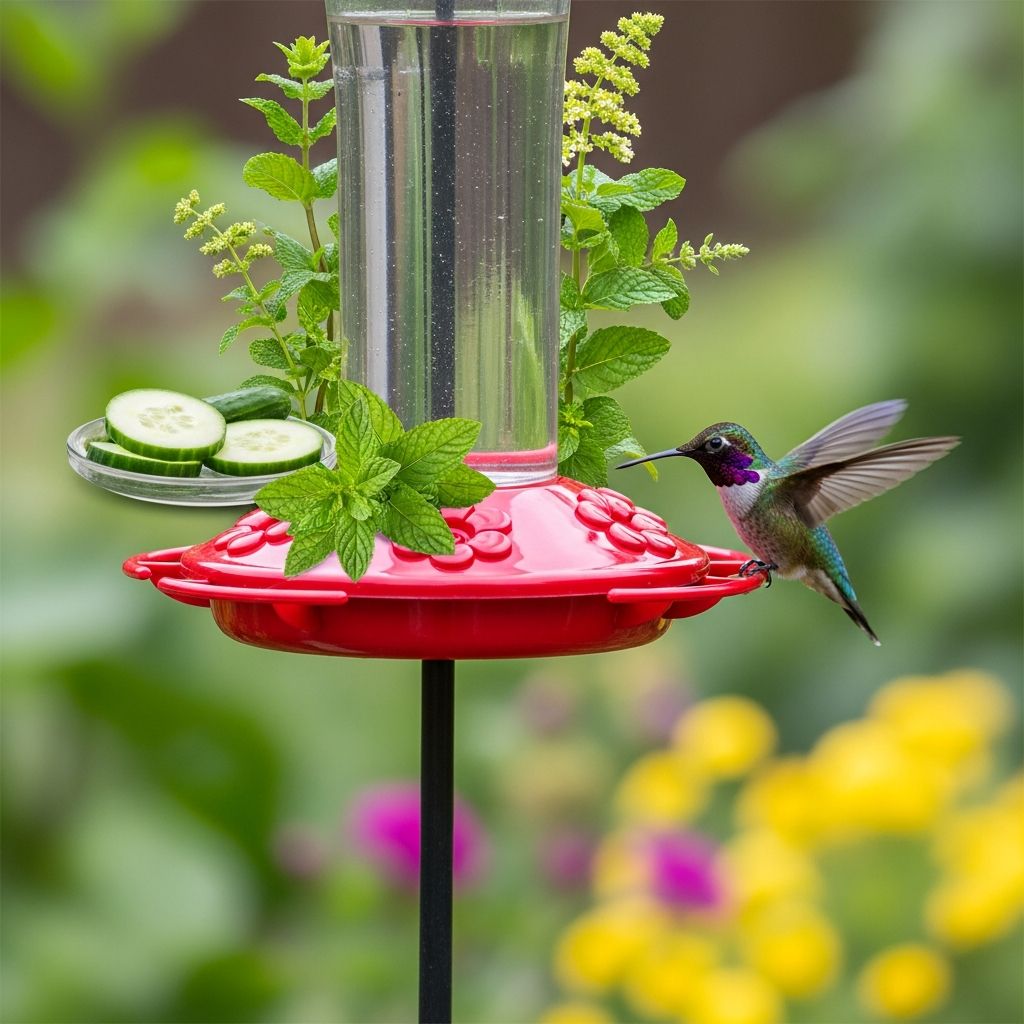
Hummingbirds bring a burst of color and energy to any garden, but their sweet nectar feeders often attract uninvited guests like bees, wasps, and ants. These pests can crowd out the birds, contaminate the nectar, or even pose stinging risks. Fortunately, numerous natural techniques exist to safeguard feeders without resorting to harmful chemicals. This guide explores feeder designs, placement tweaks, homemade repellents, and garden enhancements to create a hummingbird haven.
Understanding the Attraction: Why Pests Target Hummingbird Feeders
The sugary nectar in hummingbird feeders mimics flower nectar, drawing pollinators like bees and wasps that seek high-energy food sources. Ants follow scent trails to the sweetness, while yellow jacket wasps become aggressive in late summer. Hummingbirds, with their long beaks and tongues, access the ports easily, but pests struggle with certain barriers. Cleanliness is crucial—spills and fermentation amplify appeals. Regular maintenance prevents mold and bacterial growth, keeping nectar fresh and less enticing to insects.
Selecting Pest-Resistant Feeder Designs
Choosing the right equipment sets the foundation for pest-free feeding. Opt for feeders with built-in safeguards tailored to exclude insects while welcoming birds.
- Bee Guards: These yellow or clear plastic meshes fit over feeding ports, creating gaps too small for bee mouthparts but perfect for hummingbird bills. Snap-on models install easily without tools.
- Red-Colored Bases and Perches: Hummingbirds love red, but bees ignore it. Avoid yellow parts, which mimic flowers and lure wasps.
- Ant Moats: Built-in reservoirs hold water around the hanger, drowning ants before they reach the feeder. Refill weekly.
- Dripless Models: Bottle-style feeders leak in heat, attracting trails. Saucer designs minimize drips.
Table comparing feeder features:
| Feature | Benefits | Best For |
|---|---|---|
| Bee Guards | Blocks bees/wasps | High insect areas |
| Ant Moats | Stops ant trails | Ground-level hangs |
| Red Parts | Deters bees naturally | All locations |
| Dripless Design | Prevents spills | Sunny spots |
Optimal Placement and Hanging Techniques
Location influences pest traffic. Shade reduces bee activity, as they prefer sun-warmed nectar. Hang feeders 10-15 feet from pollinator plants to avoid drawing bees nearby. Suspend from shepherd’s hooks or wires treated with barriers.
- Position in partial shade under eaves or trees.
- Elevate 5-6 feet high, away from branches ants climb.
- Near obstacles like fences to disrupt bee flight paths.
For ants, apply petroleum jelly or vegetable oil to hanger wires—ants avoid greasy surfaces. DIY moats from bottle caps filled with oil or water work wonders; thread wire through the center and hook above the feeder. These prevent crossings without mess on the feeder itself.
Homemade Repellents and Distractors
Nature provides potent, safe repellents. Essential oils like peppermint, eucalyptus, or lemongrass confuse insect senses when diluted (5-10 drops per cup water) and misted around—but not on—feeders daily.
- Oil Barriers: Dab vegetable oil near ports with a swab; bees shun oily walks.
- Decoy Stations: Place shallow dishes of weak sugar water (1:4 ratio) 20 feet away. Bees prefer stronger concentrations, diverting them.
- Yellow Jacket Traps: Cut holes in 2-liter bottles, add nectar and soap inside, hang nearby. Wasps enter but can’t exit.
Avoid spraying perches to protect bird feet. Refresh oils after rain.
Adjusting Nectar Recipes for Selectivity
Tweak the mix to favor hummers. Standard 1:4 sugar-water suits both, but diluting to 1:5 or increasing volume reduces appeal for greedy bees. Use white granulated sugar only—no honey, brown sugar, or dyes, which harm digestion.
- Boil water, dissolve sugar, cool before filling.
- Change every 2-3 days in heat, daily if infested.
- Wipe spills immediately with hot soapy water.
Cleaning: Disassemble, scrub with vinegar solution, dry fully to prevent residue buildup.
Enhancing Your Yard with Pollinator Diversions
Long-term success involves landscape design. Plant bee-attracting flowers away from feeders: lavender, bee balm, coneflowers, and salvia in dedicated zones. Native species bloom sequentially, sustaining insects elsewhere. Companion herbs like mint repel via scent.
Incorporate beneficial insects and avoid broad pesticides. A diverse garden supports ecosystem balance, reducing feeder pressure naturally.
Seasonal Considerations and Maintenance Routines
Spring: Install clean feeders early. Summer: Monitor for yellow jackets peaking late season. Fall: Reduce stations as hummers migrate. Weekly checks: Refill, clean, inspect guards.
Troubleshooting table:
| Problem | Solution |
|---|---|
| Ant trails | Oil on hanger, moat |
| Bee swarms | Guards, shade, decoys |
| Wasps | Traps, oil swabs |
| Spills | Dripless feeder, daily wipe |
Frequently Asked Questions (FAQs)
What if bees persist despite guards?
Combine with decoy feeders and oils; relocate temporarily for 1-2 days—bees forget faster than hummers.
Is petroleum jelly safe for birds?
Yes, if applied only to hangers, not feeder or perches—avoid feather contact.
How often to clean feeders?
Every 2-4 days in warm weather; more if cloudy or pest-heavy to prevent fermentation.
Can I use artificial sweeteners?
No—hummingbirds can’t metabolize them, leading to malnutrition.
Do essential oils harm hummers?
Not if diluted and not directly sprayed on feeder; test small areas first.
Conclusion: A Balanced Backyard for Birds and Pollinators
Implementing these natural methods creates harmony—hummingbirds thrive while bees find alternatives. Patience yields results; observe and adapt. Your yard becomes a certified bird-friendly oasis.
References
- How to Keep Bees Away from Hummingbird Feeders — Green Backyard. 2023. https://green-backyard.com/blogs/how-to-keep-bees-away-from-hummingbird-feeders/
- Out My Backdoor: When Insects Pose Problems at Hummer Feeders — Georgia Wildlife. 2022-07-15. https://georgiawildlife.com/out-my-backdoor-when-insects-pose-problems-hummer-feeders
- Keeping Unwanted Pests from Hummingbird Feeders — University of Arkansas Extension. 2024. https://www.uaex.uada.edu/counties/baxter/news/anr/keeping%20unwanted%20pests%20from%20hummingbird%20feeders.aspx
- How to Keep Your Hummingbird Feeder Free from Pests — Audubon Society. 2023-05-20. https://www.audubon.org/magazine/how-keep-your-hummingbird-feeder-free-pests
Similar Articles



Read full bio of Sneha Tete