Natural Ways To Eliminate Drain Odors: 4 Easy Methods
Discover safe, effective home remedies to banish foul drain smells using everyday ingredients without harsh chemicals.
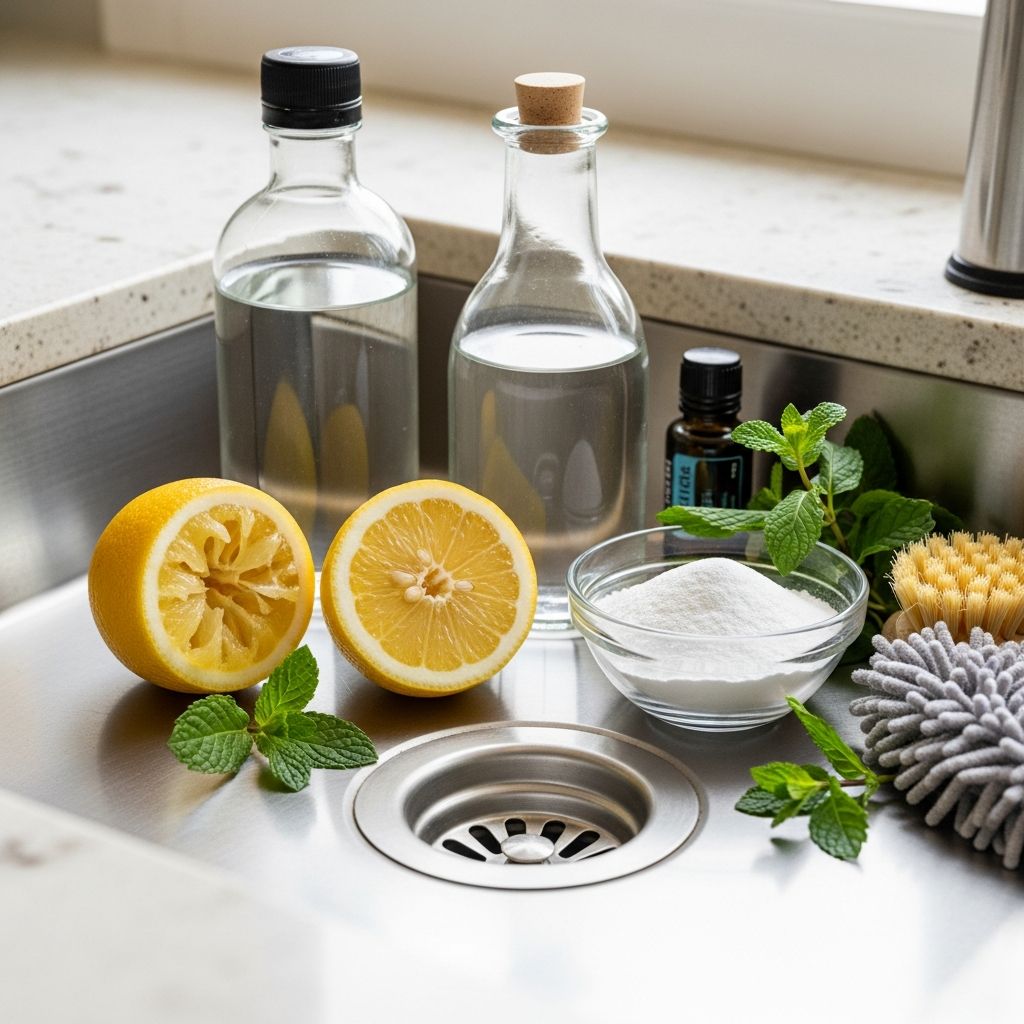
Natural Ways to Eliminate Drain Odors
Foul odors emanating from drains signal bacterial buildup, grease accumulation, or trapped debris in your plumbing system. These smells often arise from organic matter decomposing in moist pipe environments, particularly in kitchen sinks handling food waste or bathroom drains collecting hair and soap scum. Opting for natural cleaning methods preserves pipe integrity, avoids toxic chemical exposure, and maintains a healthier home environment compared to commercial drain cleaners that can corrode metal pipes or release harmful fumes.
This comprehensive guide explores effective, non-toxic strategies drawn from reliable plumbing practices. These techniques leverage common household items to fizz away clogs, neutralize odors, and restore flow. Regular application prevents recurrence, saving time and money on professional services.
Understanding the Root Causes of Drain Smells
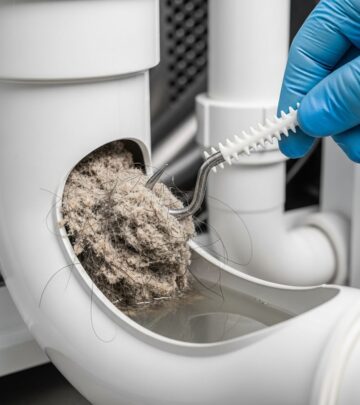
Drain odors typically stem from anaerobic bacteria thriving in stagnant water pockets within pipes. Food particles, fats, oils, grease (FOG), hair, and soap residues create a fertile ground for these microbes, producing hydrogen sulfide gas responsible for the rotten egg stench. In kitchens, FOG solidifies in cooler pipe sections, forming blockages. Bathrooms suffer from hair-protein buildup coated in biofilm. Standing water exacerbates issues by depriving pipes of natural flushing action from regular use.
Environmental factors like hard water minerals contribute to scaling, narrowing pipes and trapping more debris. Poor ventilation or infrequent use allows smells to linger and intensify. Identifying the drain type—kitchen, bathroom, or floor—helps tailor treatments, as each accumulates distinct waste types.
Essential Tools and Safety Precautions
Before starting, gather basics: baking soda, white vinegar, dish soap, salt, lemon juice, a kettle for boiling water, plunger, and gloves. Avoid boiling water on PVC or plastic pipes to prevent warping; use hot tap water instead. Work in well-ventilated areas, especially with vinegar, which can irritate sensitive individuals. Test small amounts first on older fixtures.
- Baking soda: Alkaline abrasive that deodorizes and scrubs.
- Vinegar: Acidic agent dissolving mineral deposits and killing bacteria.
- Hot water: Liquefies grease and flushes residue.
- Plunger: Provides mechanical force for stubborn clogs.
Step-by-Step Natural Cleaning Recipes
These methods combine chemical reactions for fizzing action that loosens debris, followed by flushing to clear pipes. Start with the simplest for maintenance or minor odors.
Classic Baking Soda and Vinegar Fizz
The most accessible remedy uses baking soda’s base reacting with vinegar’s acid to produce carbon dioxide bubbles, dislodging buildup while neutralizing odors.
- Pour 1/2 cup baking soda directly into the drain.
- Add 1 cup white vinegar; cover to contain fizzing for 15-30 minutes.
- Flush with 2-4 quarts hot water (boiling if metal pipes).
- Repeat for tough cases, plunging between rounds.
This targets grease and soap scum effectively, leaving a fresh scent.
Lemon-Infused Baking Soda Blast
For citrus freshness, substitute vinegar with lemon juice, which cuts grease and imparts antibacterial properties.
- Sprinkle 1/2 cup baking soda down the drain.
- Pour 1 cup fresh lemon juice; let react 10-15 minutes.
- Rinse with hot water, adding lemon peels for extra scrubbing.
Ideal for bathroom drains combating soap residue odors.
Salt and Borax Abrasive Scrub
A coarser mixture for mineral-heavy clogs: mix 1/4 cup salt, 1/4 cup borax, and 1/2 cup vinegar. The grit scours walls, vinegar dissolves scale.
- Combine in a bowl, pour slowly into drain post-fizz.
- Let sit 20-30 minutes.
- Flush thoroughly.
Enzyme-Based Biological Treatment
For ongoing maintenance, enzyme cleaners with bacteria eat organic matter slowly but safely, without pipe damage. Apply nightly for a week on slow drains.
Targeted Treatments for Specific Drain Types
Different drains demand customized approaches.
| Drain Type | Common Culprits | Best Method | Frequency |
|---|---|---|---|
| Kitchen Sink | Grease, food scraps | Baking soda + vinegar + hot water | Weekly |
| Bathroom Sink | Hair, soap, toothpaste | Lemon + baking soda + plunger | Bi-weekly |
| Shower/Tub | Hair balls, body oils | Enzymes + salt scrub | Monthly |
| Floor Drain | Standing water, debris | Hot water + borax mix | Quarterly |
Kitchen drains benefit from preemptive grease traps; bathrooms from hair catchers.
Mechanical Aids to Boost Natural Cleaners
Enhance chemical action with tools. A plunger creates pressure: apply petroleum jelly to rim for seal, pump vigorously post-fizz. For deeper clogs, use a zip-it tool or drain snake to pull hair manually before treatment. Dish soap (1/4 cup) emulsifies grease when added to hot water.
Preventive Maintenance Routines
Proactive care averts 90% of issues. Flush drains weekly with hot water and 1/4 cup baking soda. Install screens, scrape plates, avoid pouring oil down sinks. Monthly deep cleans: enzyme pour followed by fizz treatment.
- Run hot water after each use.
- Weekly: Baking soda sprinkle + hot rinse.
- Monthly: Full recipe application.
Common Mistakes and Troubleshooting
Overusing boiling water warps PVC. Insufficient wait time reduces efficacy—always 15+ minutes. If odors persist post-three attempts, suspect vent issues or main line clogs needing pros. Never mix natural cleaners with chemicals, risking toxic gas.
For slow drainage despite clear smell: combine methods sequentially—hot water first, then fizz, plunge last.
Frequently Asked Questions
Can natural methods handle severe clogs?
They excel on organic buildup but may need mechanical aid or professional snaking for solid objects or roots.
Is boiling water safe for all pipes?
No—limit to metal pipes; use hot tap for PVC/ABS.
How often should I clean drains preventively?
Weekly light flushes, monthly deep cleans suffice for most households.
Do enzyme cleaners work overnight?
Yes, they multiply bacteria to digest waste gradually, best for maintenance.
Why does vinegar smell during cleaning?
Temporary; dissipates with rinsing, neutralized by baking soda reaction.
Environmental and Health Advantages
Natural cleaners biodegrade fully, sparing waterways from caustic pollutants. They pose no respiratory risks, ideal for homes with children or pets. Long-term, they prevent pipe corrosion, extending plumbing life.
Incorporate these into routines for odor-free drains year-round. Consistency yields sparkling, fresh plumbing without environmental compromise.
References
- Natural Drain Cleaners: 5 Safe Options For Your Home — Branch Basics. 2023-05-15. https://branchbasics.com/blogs/cleaning/natural-drain-cleaner
- How to Unclog Drain Without Chemicals – Natural Solutions That Work — Mokher Plumbing. 2024-02-10. https://mokherplumbing.com/how-to-unclog-drain-without-chemicals/
- The 5 Best DIY Drain Cleaning Methods — Rite Way Tucson. 2023-11-20. https://ritewayac.com/blog/the-5-best-diy-drain-cleaning-methods/
- How to Clean Drains with Baking Soda and Vinegar — Liquid-Plumr. 2024-07-05. https://www.liquidplumr.com/diy-plumbing-tips/how-baking-soda-and-vinegar-cleans-drains/
Similar Articles


Read full bio of medha deb