Natural Ways To Eliminate Plant Fungus: Proven Organic Methods
Discover effective, eco-friendly methods to combat fungal diseases in your garden and restore plant vitality without harsh chemicals.
Natural Ways to Eliminate Plant Fungus
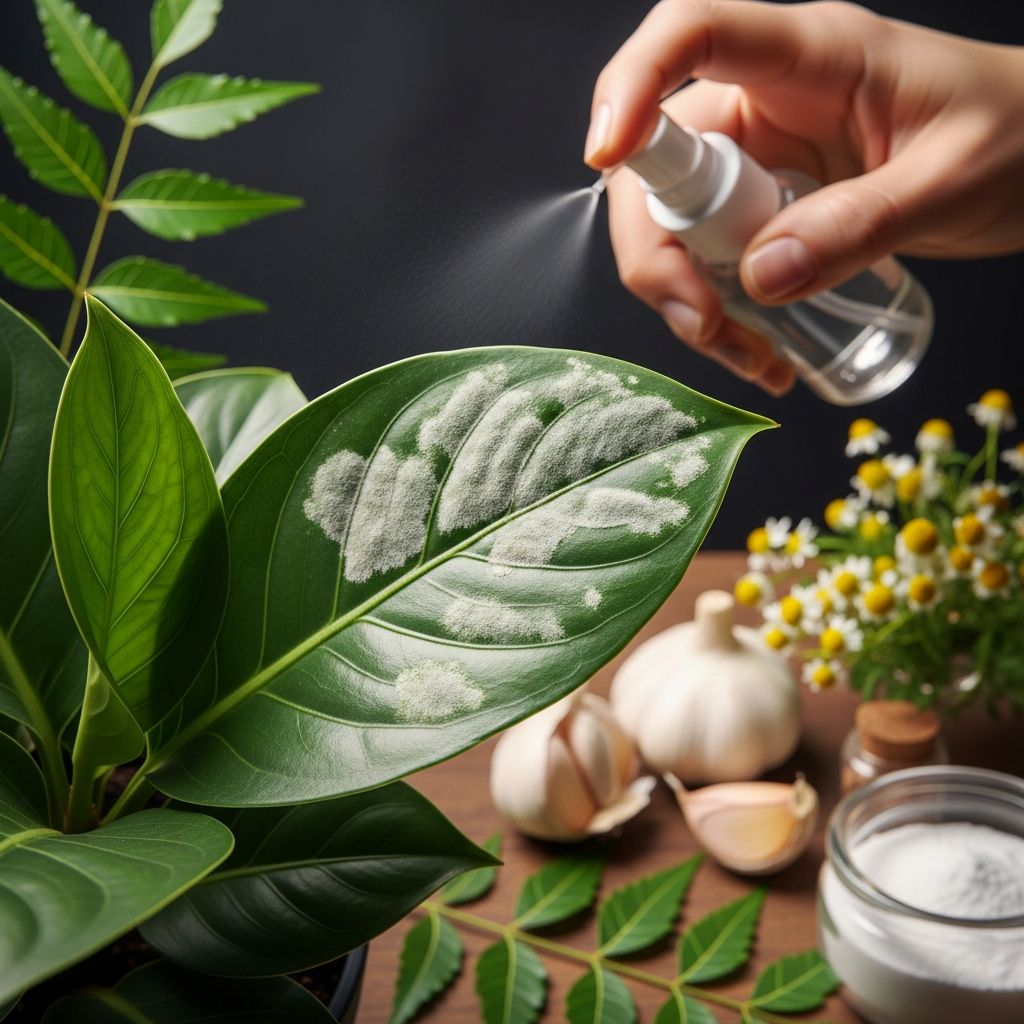
Fungal diseases pose a significant threat to gardens and indoor plants, manifesting as powdery coatings, spots, or wilting leaves that can devastate crops if left unchecked. Home gardeners can effectively manage these issues using organic treatments derived from natural sources, which are safer for the environment, beneficial insects, and human health compared to synthetic chemicals.
Understanding Fungal Threats in Your Garden
Fungi thrive in warm, humid conditions, spreading via spores that infect leaves, stems, and roots. Common culprits include powdery mildew, which appears as white powdery spots; rust, with orange pustules; leaf spot, featuring brown lesions with yellow halos; and blight, causing rapid tissue decay. These pathogens often exploit stressed plants, poor air circulation, or overhead watering, underscoring the need for proactive cultural practices alongside treatments.
Early detection is crucial: inspect plants regularly, especially during hot, humid periods like late summer, when infections peak. Remove and destroy infected material—never compost it—to halt spore spread. Proper sanitation prevents recurrence and supports the efficacy of natural remedies.
Organic Sprays: Your First Line of Defense
Natural fungicides work by disrupting spore germination, killing mycelium, or boosting plant immunity. Apply them early morning or evening to avoid leaf burn from sun exposure, and test on a small area first.
Neem Oil: A Versatile Protector
Extracted from the neem tree (Azadirachta indica), neem oil at 70% concentration excels against mild to moderate powdery mildew by smothering fungi and repelling carrier insects. Mix 1-2 tablespoons per gallon of water with a dash of dish soap as an emulsifier. Reapply weekly, but avoid high humidity (>65%) to prevent phytotoxicity. It’s less effective on advanced blight or rust but shines in prevention.
Bicarbonate-Based Solutions: Alkaline Warriors
Potassium or ammonium bicarbonate raises leaf pH, inhibiting fungal growth more effectively than baking soda alone. Products like GreenCure or homemade mixes (4 teaspoons per gallon) kill mature fungi and spores. Studies show these outperform sodium bicarbonate, providing nutrients like potassium or nitrogen. Monitor soil pH with prolonged use, as it may rise.
- Dissolve 1 tablespoon potassium bicarbonate in 1 gallon water.
- Add 1 teaspoon liquid soap and 1 tablespoon vegetable oil for adhesion.
- Spray thoroughly, covering undersides of leaves.
Copper Fungicides: Targeted Killers
Copper-based sprays, like those mimicking Bordeaux mixture (copper sulfate, lime, water at 1:1:10), eradicate existing infections such as tomato blight. Dilute carefully—overuse burns tender growth. Apply weekly for active outbreaks, transitioning to sulfur for prevention.
Homemade Remedies from Kitchen Staples
For budget-friendly options, everyday items double as fungicides when properly mixed.
| Ingredient | Recipe | Best For | Application Tips |
|---|---|---|---|
| Baking Soda | 4 tsp + 1 tsp dish soap in 1 gal water | Powdery mildew prevention | Reapply after rain; less effective on established fungi |
| Apple Cider Vinegar | 4 tbsp in 1 gal water | General fungal spots | Dilute to avoid acidity damage; test first |
| Dish Soap | 1 tsp in 1 gal water | Mild infections, insect-vectored fungi | Combine with oils for better sticking |
| Painted Daisy (Pyrethrin) | Grind dried flowers, soak in 1 gal water 1-2 days | Broad-spectrum | Strain before spraying |
These solutions adhere better with horticultural or vegetable oils, enhancing contact time. Always strain mixtures and use a fine mist sprayer for even coverage.
Cultural Practices to Prevent Outbreaks
Treatment alone isn’t enough; integrate habits that starve fungi of ideal conditions.
- Improve Airflow: Space plants adequately and prune dense foliage to reduce humidity.
- Water Wisely: Drip irrigate at soil level to keep foliage dry; water early so leaves dry before night.
- Crop Rotation: Avoid replanting same families in infected spots; rotate annually.
- Soil Solarization: For heavily contaminated beds, saturate soil, cover with plastic for 6 weeks in peak sun. Heat kills pathogens; follow with compost.
Amend soil with organic matter like earthworm castings to foster beneficial microbes that outcompete fungi.
Biological Controls: Harnessing Nature’s Allies
Biofungicides with beneficial bacteria (e.g., Serenade, Actinovate) prey on fungi, produce antibiotics, or trigger plant defenses. These are ideal for organic certification and repeated use without resistance buildup. Apply as preventatives on perennials prone to recurrence.
Step-by-Step Treatment Protocol
- Identify the fungus via symptoms and local extension services.
- Prune and dispose of 20-50% infected parts.
- Apply chosen spray immediately, repeating every 7-10 days.
- Monitor progress; switch remedies if no improvement in 2 weeks.
- Implement preventives post-recovery.
For severe cases like leaf spot on peppers or tomatoes, combine copper with sanitation.
Frequently Asked Questions (FAQs)
Can natural fungicides completely cure advanced infections?
They excel on early to moderate stages but may require integration with removal of heavily diseased plants for severe cases.
Is neem oil safe for edible crops?
Yes, with a 3-7 day pre-harvest interval; rinse produce thoroughly.
How do I prevent fungal recurrence next season?
Use sulfur preventatively from season start, rotate crops, and solarize soil.
Will baking soda harm my plants?
In low doses, no; but prefer potassium bicarbonate for efficacy and nutrition.
What if remedies fail?
Consult local extension for diagnosis; natural options may need supplementation in humid climates.
Long-Term Garden Health Strategies
Build resilience with balanced nutrition—avoid excess nitrogen, which promotes succulent growth fungi love. Mulch to regulate soil moisture and temperature. Companion planting with marigolds or alliums deters spore spread naturally. Track weather patterns; preempt humid spells with protectant sprays.
Indoor plants benefit similarly: quarantine newcomers, use pebble trays for airflow, and sterilize pots. Over time, these practices reduce dependency on sprays, fostering a self-regulating ecosystem.
(Word count: 1678)
References
- Organic Treatments for Fungal Infections — Fifth Season Gardening. 2023. https://fifthseasongardening.com/organic-treatments-for-fungal-infections
- How To Make Natural Fungicide That Won’t Hurt Plants — Gardening Know How. 2024. https://www.gardeningknowhow.com/garden-how-to/info/homemade-fungicide.htm
- Using Organic Fungicides — Purdue Extension. 2004-01-01. https://www.extension.purdue.edu/extmedia/bp/bp-69-w.pdf
- Non-Chemical Methods for Controlling Diseases in the Home Landscape and Garden — Oklahoma State University Extension. 2023. https://extension.okstate.edu/fact-sheets/non-chemical-methods-for-controlling-diseases-in-the-home-landscape-and-garden.html
Similar Articles








Read full bio of medha deb