Neem Oil for Gardens
Discover effective ways to harness neem oil's natural power for pest control, disease prevention, and healthier plants in your garden.
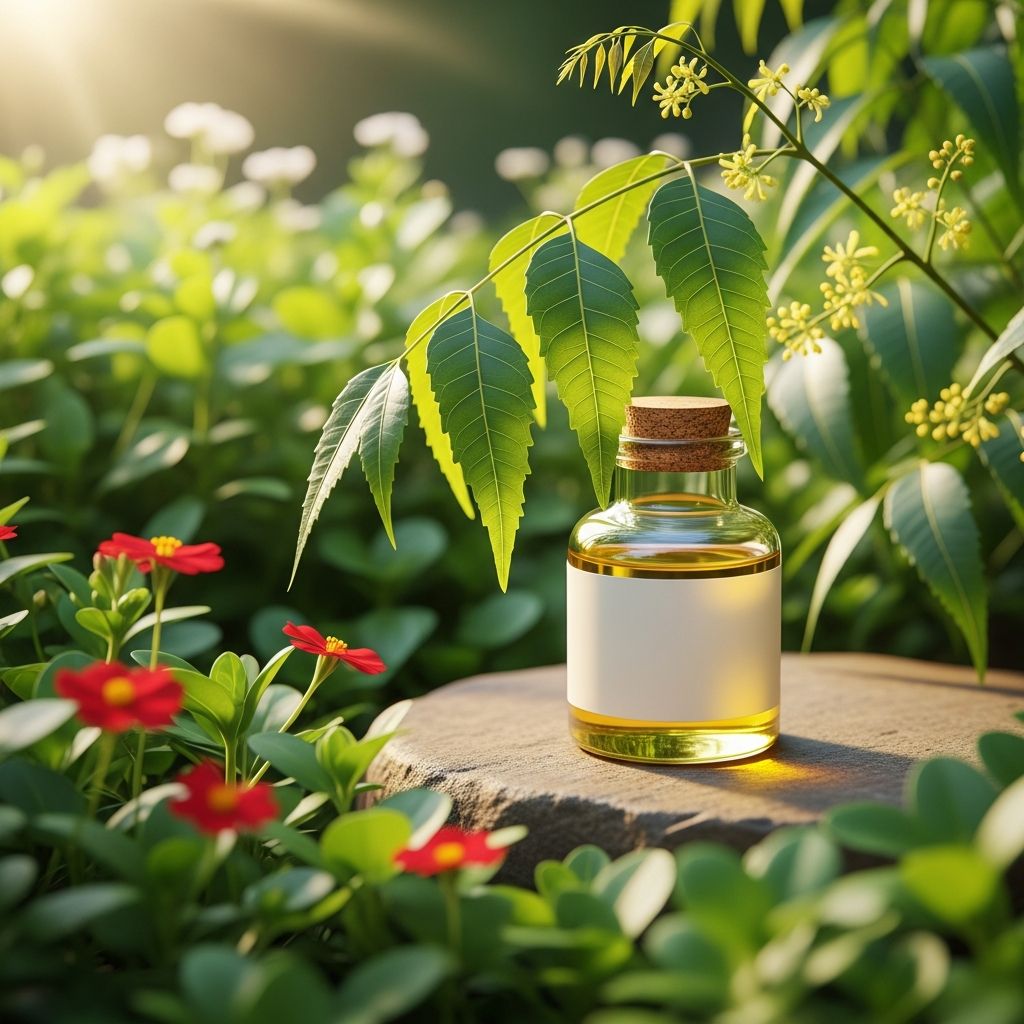
Neem oil stands out as a versatile, plant-derived remedy that gardeners rely on to combat insects and fungal issues without resorting to harsh chemicals. Extracted from the seeds of the neem tree, this oil disrupts pest life cycles while being gentle on beneficial organisms when applied correctly.
The Science Behind Neem Oil’s Effectiveness
Neem oil contains azadirachtin, a compound that acts as an antifeedant, growth regulator, and repellent for a wide array of garden pests. It suffocates soft-bodied insects by coating their exoskeletons and interferes with hormone signals that prevent larvae from molting properly. Unlike synthetic pesticides, neem oil breaks down quickly in sunlight and soil, minimizing environmental persistence.
For fungal control, the oil forms a barrier that inhibits spore germination, making it useful against common diseases like powdery mildew and rust. University extension services confirm its role in integrated pest management, recommending it for vegetables, ornamentals, and fruits due to its broad-spectrum yet targeted action.
Choosing the Right Neem Oil Product
Gardeners should select cold-pressed neem oil or clarified hydrophobic extracts labeled for horticultural use. Avoid cosmetic or medicinal versions, as they lack proper emulsifiers and potency for pest control. Pure neem oil is potent but requires careful mixing; pre-diluted sprays offer convenience for beginners.
Check labels for azadirachtin concentration—typically 0.5% to 2% for general use. Products from reputable sources ensure consistency and safety.
Step-by-Step Guide to Preparing Neem Oil Spray
Proper dilution prevents plant damage and ensures even coverage. Follow these steps:
- Start with warm water (about 1 gallon or 4 liters) to aid emulsification.
- Add 1-2 teaspoons of pure, cold-pressed neem oil per quart for preventative strength (0.5%), or up to 1-2 tablespoons per gallon for active infestations.
- Incorporate 1/4 to 1/2 teaspoon of insecticidal soap or mild dish soap per quart as an emulsifier—this helps the oil bind with water.
- Shake vigorously in a spray bottle or pump sprayer until milky. Remix frequently during application.
Store mixtures in a cool, dark place and use within 8 hours for maximum efficacy, as separation occurs over time.
Optimal Timing and Application Techniques
Apply neem oil during cooler parts of the day—early morning or late evening—to avoid leaf scorch from sun exposure. Ideal conditions include dry, calm weather above 40°F (4°C), steering clear of freezes or extreme heat.
Foliar Spray: Coat leaves thoroughly, especially undersides where pests congregate. Use a fine mist for even distribution.
Soil Drench: Pour diluted solution around plant bases to target root-feeding pests like grubs or fungus gnats. This systemic uptake affects sucking insects.
Dormant Season Spray: Target overwintering eggs on deciduous plants during dormancy.
Reapply every 7-14 days or after rain, but limit to 2-3 applications per season on fruits to prevent buildup.
Target Pests and Diseases Neem Oil Controls
Neem oil excels against chewing and sucking insects:
| Pest Type | Examples | Application Method |
|---|---|---|
| Soft-Bodied Insects | Aphids, whiteflies, spider mites | Foliar spray, underside focus |
| Chewing Pests | Caterpillars, beetles, hornworms | Foliar spray or drench |
| Soil Dwellers | Grubs, larvae, fungus gnats | Soil drench |
| Fungal Diseases | Powdery mildew, rust, leaf spot | Foliar spray |
Using Neem Oil on Vegetables and Herbs
For edibles like tomatoes, cabbage, and beans, neem oil tackles aphids, worms, and mildew without harvest restrictions if applied pre-picking. Spray weekly on young plants, testing first. It preserves beneficial pollinators when not blooming.
Extension guidelines note its approval for herbs, veggies, and nuts, emphasizing full coverage for efficacy.
Neem Oil for Fruit Trees and Berries
Apply dormant sprays in late winter to apples, peaches, and cherries to eliminate codling moths and overwintering mites. During growth, use as a repellent for scab and black spot. Dilute carefully to avoid fruit damage—soil drenches work well for root access.
Protecting Lawns with Neem Oil
Lawn applications target grubs, Japanese beetles, and diseases like brown patch. Drench affected patches or spray foliage. Monitor for dead grass circles as early indicators.
Safeguards and Common Mistakes to Avoid
Neem oil is safe but requires caution:
- Always patch-test on a few leaves and wait 24-48 hours for burn signs.
- Skip stressed, newly transplanted, or seedling plants.
- Avoid blooming flowers to protect bees.
- Do not mix with sulfur products, which cause phytotoxicity.
- Beneficial insects like ladybugs recover quickly, but time applications wisely.
If damage occurs, flush with water and pause treatments.
Enhancing Results with Companion Practices
Combine neem with cultural controls: proper spacing, watering at soil level, and pruning for airflow reduce pest pressure. Rotate with other organics like BT for caterpillars.
Frequently Asked Questions (FAQs)
Is neem oil safe for edible plants?
Yes, with a waiting period of 1-2 days before harvest. It’s approved for vegetables and fruits by extension services.
How often should I apply neem oil?
Weekly for active issues, bi-weekly preventatively, not exceeding crop limits.
Can neem oil harm beneficial insects?
It targets pests primarily but avoid spraying pollinators directly.
Does neem oil expire?
Cold-pressed oil lasts 1-2 years stored cool; check for rancidity.
Can I use neem oil indoors on houseplants?
Yes, for spider mites and gnats via foliar or drench, in well-ventilated areas.
Environmental and Pet Safety Considerations
Neem oil poses low risk to mammals, birds, and waterways due to biodegradability. Keep pets off treated areas until dry. It’s a cornerstone of organic gardening.
References
- How to Use Neem Oil on Plants – Garden Design — Garden Design. 2022-07-28. https://www.gardendesign.com/how-to/neem-oil.html
- Understanding Neem Oil for Plant Care — Strader’s Garden Centers. N/A. https://straders.net/blog/understanding-neem-oil-for-plant-care/
- How To Use Neem Oil to Get Rid of Bugs on Your Plants — YouTube (Get Busy Gardening). N/A. https://www.youtube.com/watch?v=ofcAoxulTjw
- What should neem be used for on plants? — UNH Extension. 2020-01-XX. https://extension.unh.edu/blog/2020/01/what-should-neem-be-used-plants
- How to Use Neem Oil to Control Pests & Diseases — YouTube (Epic Gardening). N/A. https://www.youtube.com/watch?v=fdD5EH5gWYI
- What to Know About Using Neem in the Garden — Fine Gardening. N/A. https://www.finegardening.com/article/what-to-know-about-using-neem-in-the-garden
Similar Articles







Read full bio of medha deb