Why You Should Never Wash Bathroom Mats
Discover why washing bathroom mats may damage them and learn better care methods.
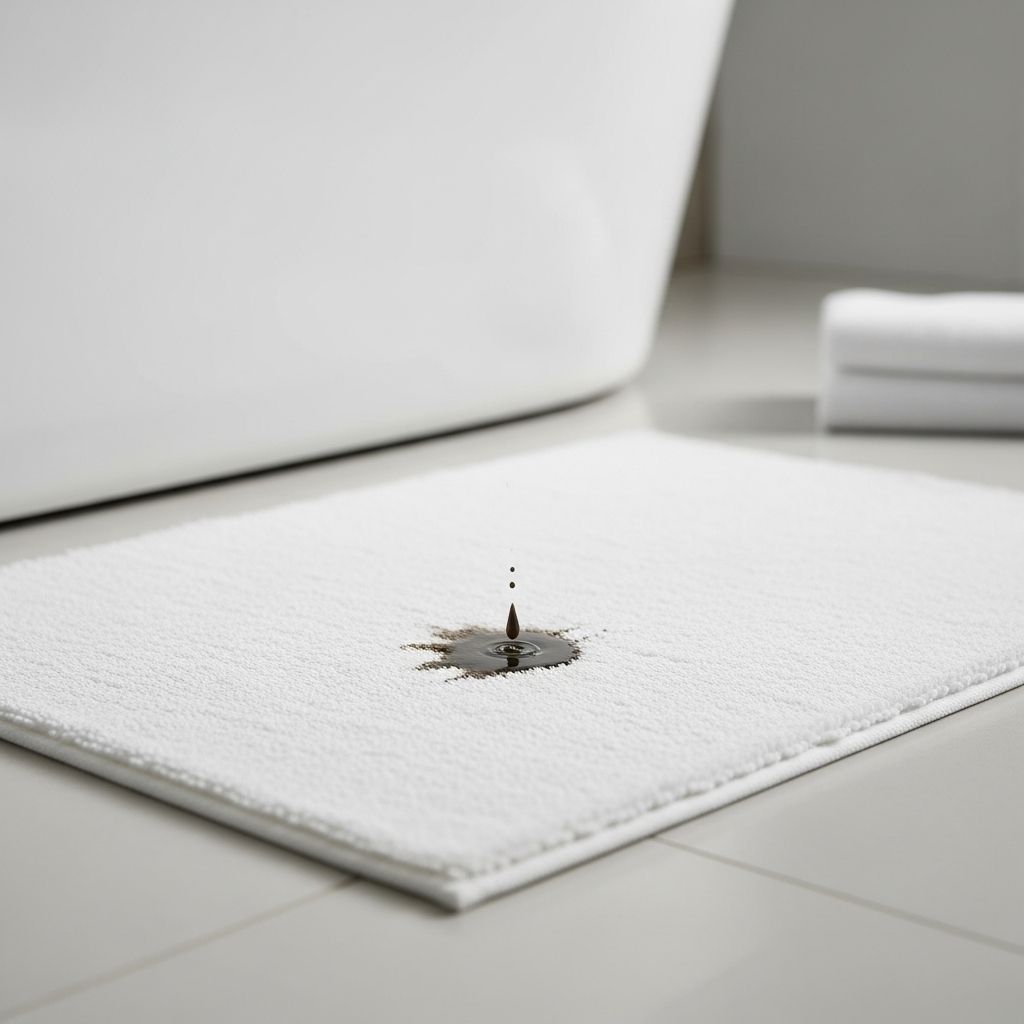
Why You Should Never Wash Bathroom Mats: A Complete Guide to Proper Care
Bathroom mats are essential elements of any well-designed bathroom, providing comfort, safety, and style. However, many homeowners unknowingly damage their bathroom mats by treating them like regular laundry and tossing them into the washing machine. Understanding why this practice is problematic and learning the correct methods for caring for your bathroom mats can extend their lifespan significantly and maintain their appearance for years to come.
The Problem with Washing Machine Cycles
While it may seem logical to clean bathroom mats using a washing machine, this approach can cause considerable damage to these specially designed products. Bathroom mats, particularly those with non-slip backing or specialized coatings, are not constructed to withstand the rigorous agitation and spinning cycles that standard washing machines provide.
Why Machine Washing Damages Bathroom Mats
- Deterioration of Non-Slip Backing: Most quality bathroom mats feature a non-slip rubber or latex backing designed to keep them securely in place on wet bathroom floors. Washing machine cycles, especially on higher settings, can degrade this backing material, causing it to crack, peel, or separate from the mat entirely.
- Fiber Breakdown: The agitation process in washing machines can break down the fibers of the mat, causing fraying, matting, and overall deterioration of the mat’s structure and appearance.
- Color Fading: Hot water and harsh detergents used in standard washing machine cycles can cause colors to fade prematurely, leaving your mat looking dull and worn.
- Shape Distortion: The spinning cycle can cause bathroom mats to lose their original shape and become misshapen or wrinkled, affecting both functionality and aesthetics.
- Moisture Retention: Machine washing can leave residual moisture trapped within the mat’s fibers, leading to mold and mildew growth if not dried completely.
The Specific Risks to Different Mat Types
Different bathroom mat materials face unique risks when subjected to machine washing. Understanding these specific vulnerabilities can help you protect your investment.
Cotton and Microfiber Mats
Cotton and microfiber bathroom mats are popular for their softness and absorbency. However, machine washing can cause excessive lint production, leading to damage to your washing machine and potential cross-contamination of other clothing items. Additionally, these materials can become stiff and lose their plush feel after repeated machine washing with harsh chemicals.
Memory Foam and Cushioned Mats
Memory foam and cushioned bathroom mats are particularly vulnerable to machine washing. The agitation and moisture exposure can compress the foam permanently, destroying the mat’s cushioning properties and comfort level. These specialized mats require gentler cleaning approaches to maintain their supportive qualities.
Designer and High-End Mats
Luxury bathroom mats often feature delicate patterns, embellishments, or specialized fabrics that cannot withstand machine washing. These mats are designed for gentle care and require hand-cleaning or professional services to maintain their quality and beauty.
Why Non-Slip Backings Are Particularly Vulnerable
The non-slip backing is perhaps the most critical component of a bathroom mat, as it serves a crucial safety function. These backings are typically made from rubber, latex, or PVC materials that are specifically formulated to create friction against tile or other flooring surfaces. However, these materials are not designed to withstand the mechanical stress of washing machine cycles.
When exposed to the heat, moisture, and agitation of a washing machine, non-slip backing materials can experience the following issues:
- Adhesive breakdown between the backing and the mat fabric
- Cracking and flaking of the backing material
- Chemical degradation from detergents and fabric softeners
- Loss of grip and slipping hazards that defeat the purpose of the mat
Better Alternatives to Machine Washing
Rather than risking damage through machine washing, several alternative cleaning methods can effectively keep your bathroom mats clean and fresh while preserving their integrity.
Hand Washing Method
Hand washing is the safest and most effective way to clean bathroom mats. Fill a bathtub or basin with lukewarm water and add a mild detergent. Submerge the mat and gently agitate it with your hands, paying special attention to soiled areas. Rinse thoroughly with clean water until all soap residue is removed, then squeeze out excess water gently. Hang or lay flat to dry completely.
Spot Cleaning Approach
For minor stains and daily maintenance, spot cleaning is an excellent option. Mix a small amount of mild detergent with water to create a cleaning solution. Using a soft-bristled brush or cloth, apply the solution directly to the soiled area and gently rub. Rinse with clean water and allow the spot to air dry. This method prevents unnecessary overall washing and extends the time between deep cleanings.
Vacuuming and Dry Methods
Regularly vacuuming your bathroom mats removes dust and debris that accumulate on the surface. Use a vacuum with a gentle setting or a handheld vacuum to avoid damaging the mat fibers. For stubborn dirt, a soft-bristled brush can be used to gently sweep the mat’s surface before or after vacuuming.
Professional Dry Cleaning
For valuable, delicate, or heavily soiled bathroom mats, professional dry cleaning services offer an excellent solution. Professional cleaners have specialized equipment and expertise to clean mats safely without causing damage. This option is particularly recommended for designer mats or those with special finishes.
Preventive Maintenance Tips
The best way to keep your bathroom mats in excellent condition is through preventive maintenance. By implementing these strategies, you can minimize the need for frequent cleaning and extend the lifespan of your mats.
- Ensure Proper Ventilation: Use exhaust fans or open windows after showers to reduce moisture accumulation, which can lead to mold and mildew growth on your mats.
- Allow Complete Drying: Hang bathroom mats immediately after use to allow them to dry completely. Never leave wet mats crumpled on the floor.
- Rotate Your Mats: If you have multiple bathroom mats, rotate them regularly to ensure even wear and extend their overall lifespan.
- Use Protective Sprays: Consider applying fabric protection sprays designed for bathroom use to help repel moisture and stains while maintaining the mat’s breathability.
- Shake Out Excess Water: After each use, take your mat outside and shake it vigorously to remove excess water before hanging it to dry.
When to Replace Rather Than Wash
There are situations where cleaning may not be sufficient, and replacement becomes the more practical option. Consider replacing your bathroom mat if:
- The non-slip backing has deteriorated significantly, creating a slipping hazard
- The mat has visible mold or mildew that cannot be removed through surface cleaning
- The mat is permanently stained or discolored
- The fibers are severely matted or frayed beyond reasonable repair
- The mat has outlived its expected lifespan (typically 3-5 years depending on quality and use)
Recommended Cleaning Frequency
Understanding how often to clean your bathroom mats can help you maintain them properly without over-cleaning. Most bathroom mats should receive a thorough cleaning every 2-4 weeks, depending on usage and moisture exposure. High-traffic bathrooms or bathrooms with multiple users may require more frequent cleaning. Between thorough cleanings, spot cleaning and regular vacuuming should be performed as needed.
Choosing Mats That Last
When selecting new bathroom mats, consider investing in quality products designed for durability. Look for mats with:
- Reinforced non-slip backing with strong adhesion
- High-quality, dense fibers that resist matting
- Colorfast dyes that resist fading
- Manufacturer care instructions that align with gentle cleaning methods
- Adequate warranty coverage from reputable manufacturers
Frequently Asked Questions
Q: Can I ever use a washing machine for my bathroom mats?
A: While some high-quality, specifically designed “machine-washable” mats may tolerate gentle cycles, most standard bathroom mats should never be machine washed. Always check the manufacturer’s care label first, and if it doesn’t explicitly permit machine washing, use alternative cleaning methods.
Q: How can I tell if my bathroom mat’s backing is deteriorating?
A: Signs of backing deterioration include visible cracks, flaking material, a slippery feel even when wet, or separation of the backing from the mat fabric. If you notice any of these signs, it’s time to replace the mat to maintain bathroom safety.
Q: What should I do if my bathroom mat has mold or mildew?
A: For minor mold or mildew, create a solution of equal parts white vinegar and water, apply it to the affected area with a cloth, and let it sit for 30 minutes before rinsing thoroughly. For severe cases, replacement may be safer and more hygienic.
Q: Is hand washing really necessary every time?
A: No, daily hand washing isn’t necessary. Regular vacuuming, proper drying, and spot cleaning as needed can maintain your mat’s cleanliness. Reserve thorough hand washing for monthly or bi-monthly deep cleaning sessions.
Q: Can I use fabric softener on bathroom mats?
A: Fabric softeners should be avoided for bathroom mats, especially those with non-slip backing. Softeners can damage the backing material and reduce the mat’s non-slip properties, creating safety hazards.
Q: How long should a quality bathroom mat last?
A: With proper care and gentle cleaning methods, a quality bathroom mat should last 3-5 years or longer. Regular maintenance and avoiding machine washing significantly extend the mat’s lifespan.
References
- Fabric Care Labeling Rule — Federal Trade Commission (FTC). U.S. Department of Commerce. https://www.ftc.gov/business-guidance/resources/fabric-care-labeling-rule
- Guide to Understanding Textile Labels and Care Symbols — American Apparel & Footwear Association. 2024. https://www.aafaglobal.org
- Mold and Mildew Prevention in Bathrooms — Centers for Disease Control and Prevention (CDC). 2023. https://www.cdc.gov/mold/faqs.html
- Home Textiles Care and Maintenance Best Practices — International Association of Cleaning Professionals. 2024. https://www.iacp.org
- Non-Slip Mat Safety Standards — American National Standards Institute (ANSI). https://www.ansi.org
Similar Articles





Read full bio of Sneha Tete