One-Piece vs Two-Piece Toilets: Which Is Best?
Compare one-piece and two-piece toilets to find the perfect fit for your bathroom needs and budget.
One-Piece vs. Two-Piece Toilets: Which Should You Choose?
When it comes time to replace your toilet, you’ll face a fundamental decision: should you go with a one-piece toilet or a two-piece toilet? While the difference may seem straightforward on the surface, these two designs have significant distinctions that affect everything from installation to maintenance to your overall bathroom aesthetics. Understanding these differences will help you make an informed decision that aligns with your budget, space constraints, and lifestyle preferences.
Understanding the Basic Design Differences
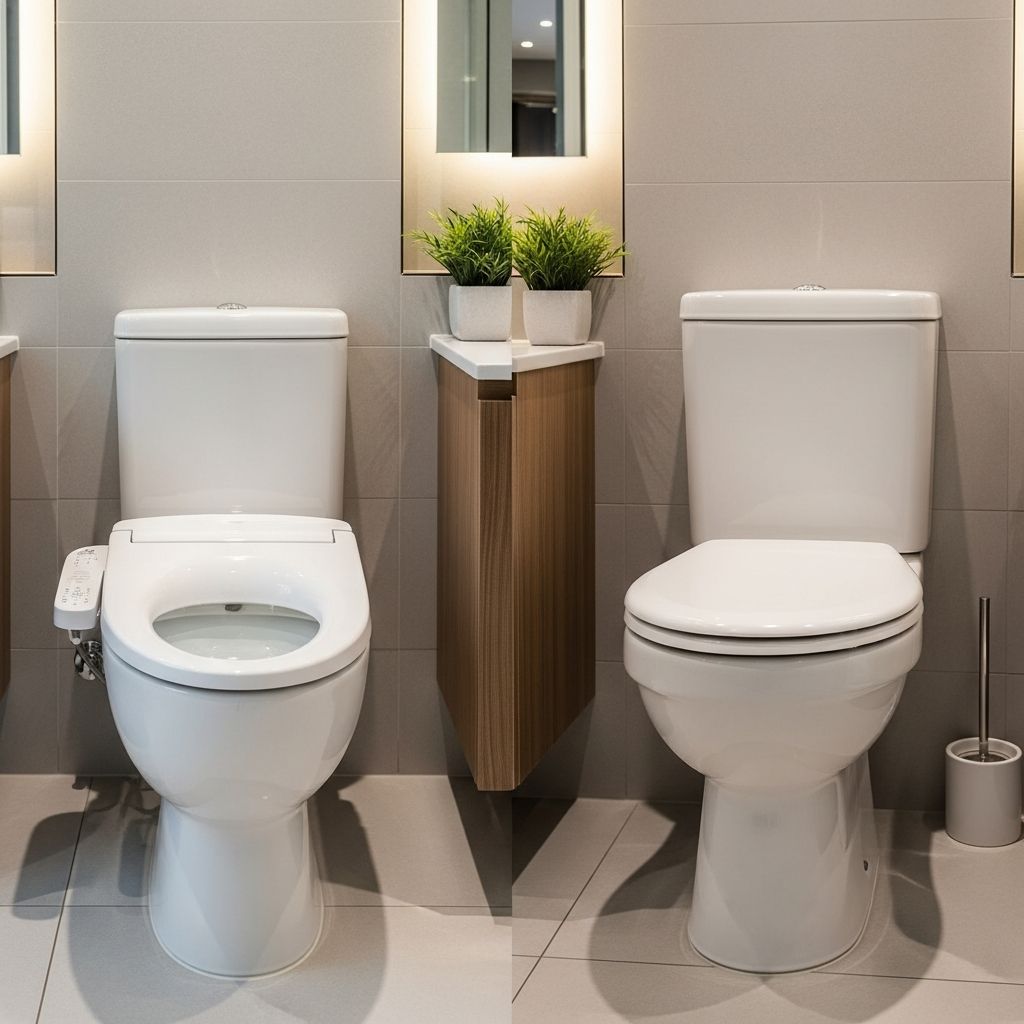
The most obvious distinction between these two toilet types lies in their construction. A one-piece toilet features a bowl and tank that are fused together into a single, seamless unit. In contrast, a two-piece toilet has a separate bowl and tank that are bolted together during installation. This fundamental structural difference creates a cascade of advantages and disadvantages for each design.
One-piece toilets offer a sleek, modern appearance with a streamlined silhouette that appeals to contemporary bathroom designs. The fused construction means there are no seams or joints where the tank meets the bowl, creating a unified visual profile. Two-piece toilets, meanwhile, maintain a more traditional look with a visible connection point between the tank and bowl.
Cost Considerations: Your Budget Matters
Price is often a deciding factor when selecting new bathroom fixtures. Two-piece toilets are significantly less expensive than their one-piece counterparts, making them an attractive option for budget-conscious homeowners. The manufacturing process for two-piece toilets is simpler and less labor-intensive, which translates to lower costs for consumers.
One-piece toilets command a premium price due to their complex manufacturing and seamless construction. However, this higher upfront cost may be offset by long-term durability and reduced maintenance expenses. When evaluating the total cost of ownership, consider not just the purchase price but also potential repair and replacement costs over the toilet’s lifespan.
Installation and Transportation
The installation process differs considerably between these two toilet types, and understanding these differences can impact both cost and convenience.
One-Piece Toilet Installation
One-piece toilets require less assembly time during installation because the tank and bowl are already fused together. Once positioned, the plumber only needs to secure the base and connect the water supply—no bolting or connecting separate components is necessary. This straightforward process typically results in faster installation times.
However, one-piece toilets present a significant challenge during transport and positioning. Because they’re heavier than two-piece models, moving them requires more physical strength and often professional installation. Their weight can make maneuvering them through doorways and around tight corners difficult, and they may require two people or specialized equipment to install properly.
Two-Piece Toilet Installation
Two-piece toilets are easier to transport and move into position because you can handle the tank and bowl separately. This modularity makes them ideal for tight spaces or homes with narrow passages. Once in place, however, the installation process takes longer because the tank and bowl must be connected and bolted together with a gasket seal between them.
If you’re planning a DIY installation, two-piece toilets may be more accessible due to their lighter individual components, though professional installation is still recommended to ensure proper sealing and leak prevention.
Space and Bathroom Layout
Your bathroom size and layout should significantly influence your choice.
One-piece toilets have a compact design with a smaller footprint than two-piece models, making them ideal for small bathrooms or powder rooms. Their low-profile appearance also helps maximize visual openness in tight spaces, creating the illusion of more room.
Two-piece toilets come in a wider range of sizes and configurations, offering more flexibility for various bathroom dimensions. If you have a larger bathroom, a two-piece toilet provides more options for customization and placement. Before making a purchase, measure your bathroom carefully and check that the toilet dimensions fit your space appropriately.
Rough-In Considerations
The rough-in measurement—the distance between the wall and the toilet’s center drainpipe—is crucial for proper installation. Two-piece toilets offer more rough-in options, typically available in 10, 12, and 14 inches, providing greater flexibility in installation location. One-piece toilets have fewer rough-in choices, which can complicate installation if your bathroom’s plumbing doesn’t align with standard dimensions.
Cleaning and Maintenance
The ease of cleaning and maintenance is a significant quality-of-life consideration that many homeowners overlook.
One-piece toilets are easier to clean and maintain due to their seamless construction. With no seams or crevices between the tank and bowl, there are fewer places where dirt, bacteria, and germs can hide. Cleaning requires minimal effort—simply wipe down the unified surface without worrying about debris accumulating in hard-to-reach areas. This design advantage appeals to homeowners who want to spend less time cleaning the bathroom.
Two-piece toilets present a cleaning challenge because bacteria and debris tend to accumulate in the space between the tank and bowl. This seam requires extra attention during cleaning, and the increased crevices make upkeep more time-consuming. Over time, this junction can also become a breeding ground for bacteria if not regularly sanitized.
Durability and Leak Prevention
Long-term durability and the potential for leaks should influence your decision, particularly if you want to minimize repair costs.
One-piece toilets have a single-mold design that makes them less prone to cracking and leaking. Because there’s no junction between the tank and bowl, there’s no risk of leaks from a deteriorating tank-to-bowl gasket. The seamless construction results in fewer moving parts and structural weaknesses, potentially contributing to a longer lifespan and fewer maintenance issues. One-piece toilets also don’t have couplings—devices connecting the tank to the bowl that can break and cause leaks.
Two-piece toilets are more prone to leaks because there are two pieces rather than just one that can crack or become otherwise damaged. The bolted connection between tank and bowl is a potential failure point, especially as the gasket deteriorates over time. However, if a leak occurs or damage happens to either component, you can replace just the affected piece rather than the entire toilet, potentially saving money on repairs.
Design and Aesthetic Appeal
The visual appearance of your toilet contributes to your overall bathroom design scheme.
One-piece toilets offer higher-end finish options and a contemporary aesthetic that appeals to modern bathroom designs. Their sleek, streamlined appearance creates a cohesive look that works well in contemporary, minimalist, and luxury bathroom settings. One-piece designs have become increasingly popular among homeowners seeking upscale bathroom renovations.
Two-piece toilets maintain a more traditional appearance with a visible segmented design. While they may not offer the same high-end visual appeal as one-piece models, they provide a classic look that works well in traditional and transitional bathroom styles. Many manufacturers offer two-piece toilets with elegant finishes and designs that appeal to various aesthetic preferences.
Water Efficiency Features
Both one-piece and two-piece toilets can incorporate water-saving technologies, though this depends on the specific model rather than the design type.
Modern toilets of both styles offer several water-conservation options:
Low-flow toilets use fewer gallons of water per flush, reducing overall water consumption without sacrificing performance.
Dual-flush systems feature two buttons—one for liquid waste and one for solid waste—allowing users to choose the appropriate flush volume for their needs, significantly reducing water usage.
Power-flush technology uses forceful flushing systems that require fewer flushes overall, increasing water savings despite potentially using slightly more water per flush.
Retrofit solutions allow you to upgrade your existing toilet with water-saving devices, such as tank displacement bags (available for around $9), to reduce water consumption per flush.
Repair and Replacement Options
Consider what happens if your toilet needs repairs or replacement of components.
With one-piece toilets, if the bowl or tank becomes cracked or requires replacement, you must purchase an entirely new toilet rather than replacing just the damaged component. This represents a significant financial commitment if damage occurs years into the toilet’s lifespan.
Two-piece toilets offer an advantage here: if one component is cracked or damaged, you need only replace that specific piece. This flexibility can result in substantial savings on repairs, making two-piece toilets more economical over their lifetime despite potential leakage issues.
Height and Comfort Options
Two-piece toilets offer more height choices, including both comfort height (17-19 inches) and standard height (14-15 inches) options. This variety allows you to mix and match toilet heights and tank sizes to ensure your new toilet meets your comfort preferences and fits your bathroom perfectly.
One-piece toilets, while available in various designs, typically have fewer height and size configuration options due to their integrated construction. This limitation may restrict your choices if you have specific comfort or accessibility needs.
Comparison Table: One-Piece vs. Two-Piece Toilets
| Feature | One-Piece Toilet | Two-Piece Toilet |
|---|---|---|
| Design | Seamless, tank and bowl fused together | Separate tank and bowl bolted together |
| Cost | More expensive | Less expensive |
| Installation Time | Faster (no assembly needed) | Longer (assembly required) |
| Transport/Movement | Heavier, harder to move | Lighter, easier to move |
| Space Efficiency | Compact footprint | Various sizes available |
| Rough-In Options | Fewer options | More options (10″, 12″, 14″) |
| Cleaning & Maintenance | Easier to clean, fewer crevices | Harder to clean, seam between tank/bowl |
| Durability | More durable, fewer leak points | More prone to leaks |
| Repair Options | Replace entire toilet if damaged | Replace individual component if damaged |
| Aesthetic Appeal | Modern, sleek design | Traditional appearance |
| Height Options | Limited choices | More height variations available |
Which Toilet Is Right for You?
Choose a One-Piece Toilet If:
You have a small bathroom or powder room with limited space and want a compact fixture. You prioritize ease of cleaning and are willing to pay more for low-maintenance bathroom fixtures. You want a modern, sleek aesthetic that complements contemporary bathroom design. You’re willing to invest more upfront for potentially greater durability and fewer long-term leak issues. You prefer a faster, simpler installation process with fewer potential assembly complications.
Choose a Two-Piece Toilet If:
You’re working with a tight budget and need an economical bathroom fixture option. You have a larger bathroom and want flexibility in toilet sizing and placement. You value the ability to replace individual components if damage occurs. You want more rough-in options to accommodate your existing plumbing configuration. You prefer the traditional appearance of a segmented toilet design. You need multiple height options to accommodate family members with different comfort needs.
Frequently Asked Questions
Q: How much does it cost to repair a toilet?
A: Typical toilet repair costs range from $150 to $400, depending on the nature of the problem and your location. One-piece toilets may cost more to repair if the entire unit needs replacement, while two-piece toilets allow for component-specific repairs that might be less expensive.
Q: Are one-piece toilets really easier to clean?
A: Yes, one-piece toilets are easier to clean because they have no seams or crevices between the tank and bowl where bacteria and debris can accumulate. Simply wipe down the unified surface, and you’re done. Two-piece toilets require extra attention to the seam between components.
Q: Which toilet type is better for small bathrooms?
A: One-piece toilets are generally better for small bathrooms due to their compact footprint and streamlined design. They take up less visual space and help maximize the feeling of openness in tight quarters.
Q: What does rough-in mean, and why does it matter?
A: The rough-in is the distance between the wall and the center of your toilet’s drainpipe, typically 10, 12, or 14 inches. It matters because your new toilet must match your home’s existing plumbing configuration. Two-piece toilets offer more rough-in options, providing greater flexibility.
Q: Can I save water with either toilet type?
A: Yes, both one-piece and two-piece toilets can incorporate water-saving features like low-flow, dual-flush, and power-flush technology. The specific water efficiency depends on the model you choose rather than whether it’s one or two pieces.
Q: What happens if my one-piece toilet cracks?
A: With a one-piece toilet, if the bowl or tank cracks, you must replace the entire toilet rather than just the damaged component. This represents a significant expense compared to two-piece toilets, where you could replace only the affected piece.
Q: Are one-piece toilets worth the extra cost?
A: One-piece toilets may be worth the extra cost if you prioritize ease of cleaning, durability, modern aesthetics, and space efficiency. However, if budget is your primary concern, a quality two-piece toilet will serve you well for many years.
Conclusion: Making Your Final Decision
Both one-piece and two-piece toilets have distinct advantages and disadvantages. Your choice ultimately depends on your specific needs, budget, bathroom layout, and personal preferences. Measure your bathroom carefully, consider your installation requirements, and think about your long-term maintenance priorities. Whether you choose the sleek sophistication of a one-piece toilet or the practical economy of a two-piece model, investing in quality will ensure years of reliable performance and satisfaction.
References
- One-Piece vs. Two-Piece Toilets: Which Should You Choose? — Angi. 2025. https://www.angi.com/articles/one-piece-vs-two-piece-toilets.htm
- The Difference Between a One-Piece and a Two-Piece Toilet — Riverbend Home. 2025. https://riverbendhome.com/blogs/advice-ideas/the-difference-between-a-one-piece-and-a-two-piece-toilet
- One-Piece vs Two-Piece Toilets: What’s the Difference? — Metro Bath and Tile. 2025. https://metrobathandtile.com/blog/one-piece-vs-two-piece-toilets-whats-the-difference/
- One-Piece vs Two Piece Toilet – Pros and Cons – 2025 Expert Guide — Badeloft USA. 2025. https://www.badeloftusa.com/buying-guides/one-piece-vs-two-piece-toilet-pros-and-cons/
- What Are The Pros And Cons Of A One-Piece Vs A Two-Piece Toilet? — Phoenix Home Remodeling. 2025. https://phxhomeremodeling.com/what-are-the-pros-and-cons-of-a-one-piece-vs-a-two-piece-toilet/
Similar Articles



Read full bio of medha deb