Optimal Grass Mowing Heights Guide
Discover the ideal mowing heights for your grass type, season, and conditions to promote a lush, healthy lawn year-round.
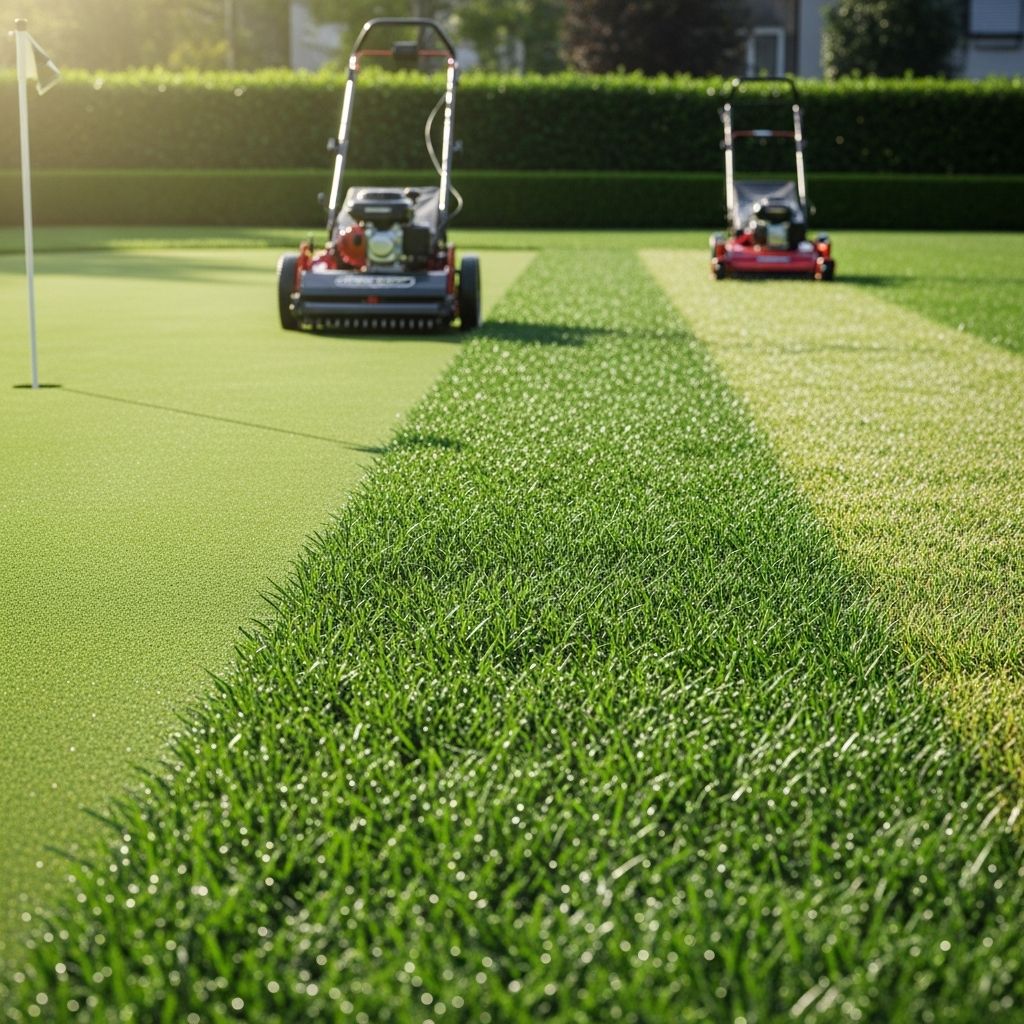
Maintaining the right mowing height is essential for a thriving lawn, as it influences root development, weed resistance, and overall turf vitality. Cutting grass at the proper height prevents stress, encourages deeper roots, and shades the soil to retain moisture.
Why Mowing Height Matters for Lawn Health
Grass blades act like solar panels, capturing sunlight for growth. Mowing too short removes too much leaf surface, weakening the plant and inviting weeds and diseases. Taller cuts promote longer roots that access water and nutrients better, especially during dry spells. University extensions recommend never removing more than one-third of the grass blade at once to avoid shock.
For most residential lawns, aim for 3 to 4 inches as a starting point, adjusting based on grass variety and local conditions.
Recommended Heights by Grass Type
Different grasses have unique needs. Cool-season varieties like fescue and bluegrass prefer taller cuts, while warm-season types like Bermuda tolerate shorter ones. Below is a comprehensive table of optimal heights.
| Grass Type | Recommended Height (inches) | Mow When Reaches (inches) |
|---|---|---|
| Tall Fescue | 2-4 | 3-5 |
| Kentucky Bluegrass | 2-4 | 3-5 |
| Fine Fescue | 2-4 | 3-5 |
| Perennial Ryegrass | 1.5-3.5 | 2.25-5 |
| Bahiagrass | 3-4 | 4.5-5 |
| Bermudagrass (Common) | 1-2 | 1.5-3 |
| Bermudagrass (Hybrid) | 0.5-1.5 | 0.75-2.25 |
| Buffalograss | 2-3 (weekly); 3-4 (infrequent) | 3-4.5 (weekly); 4.5-5 (infrequent) |
| Centipedegrass | 1-2 | 1.5-3 |
| St. Augustinegrass | 3-4 | 4.5-5 |
| Dwarf St. Augustine | 2-2.5 | 3-3.75 |
| Zoysiagrass (Fine) | 0.25-1 | 0.37-1.5 |
| Zoysiagrass (Medium/Coarse) | 1-2.5 | 1.5-3.75 |
Cool-season grasses, dominant in northern regions, benefit from heights around 3-4 inches to combat summer heat. Warm-season grasses in southern areas can be kept shorter for denser growth.
Seasonal Mowing Adjustments
Lawn needs change with weather. Adjust heights to match growth rates and stresses.
- Spring: Use the lower end of your grass’s range to encourage tillering and density. For example, cut tall fescue at 2.5-3 inches as growth surges.
- Summer: Raise by 0.5-1 inch, especially for cool-season types. Taller grass (e.g., 4 inches for fescue) shades soil, cuts evaporation, and bolsters drought tolerance.
- Fall: Mow at the higher end to build root reserves. Lower slightly before winter in cold climates to avoid snow mold.
- Winter: Minimal mowing; maintain protective height for warm-season grasses transitioning to dormancy.
How to Measure and Set Your Mower Height
Accurate measurement ensures consistency. Park your mower on a flat, hard surface like concrete. Measure from the ground to the bottom of the deck or blade edge at multiple points.
- Engage the blades safely (mower off).
- Measure blade height at front, middle, and rear.
- Average readings and adjust wheels or deck accordingly.
- Test on grass and recheck.
Most mowers range 2-4 inches; set to the highest for healthiest results, accepting minor blade layover.
Advanced Tips for Superior Lawn Maintenance
Beyond height, integrate these practices:
- One-Third Rule: Never cut more than 1/3 of the blade length to minimize stress.
- Sharp Blades: Dull blades tear grass, inviting disease. Sharpen every 20-25 hours.
- Clippings: Leave them on the lawn as natural fertilizer, unless clumpy.
- Mow Frequently: Weekly or as needed to stay within ranges.
- Alternate Directions: Prevents ruts and promotes upright growth.
For weed control, taller mowing shades soil, suppressing germination.
Common Mowing Mistakes and Fixes
Avoid these pitfalls for a resilient yard:
| Mistake | Impact | Solution |
|---|---|---|
| Scalping (too short) | Weak roots, weeds, browning | Gradually raise height over mows |
| Infrequent cutting | Excess thatch, disease | Mow often, follow 1/3 rule |
| Ignoring grass type | Uneven growth, stress | Identify and match heights |
| Mowing wet grass | Clumps, compaction | Wait for dry conditions |
Regional and Environmental Considerations
Climate influences choices. In Midwest lawns, 3+ inches is standard for shade and drought resistance. Drought-prone areas benefit from max heights. Shade increases needs for taller cuts to boost photosynthesis.
For low-maintenance, buffalograss at 3-4 inches suits infrequent mowing.
Tools and Equipment Recommendations
Choose mowers matching your lawn size:
- Push mowers for small yards (under 1/4 acre).
- Riding mowers for larger properties.
- Adjustable decks for versatility.
Measure regularly, as wheels wear unevenly.
Frequently Asked Questions (FAQs)
What is the best overall mowing height?
For mixed lawns, 3-3.5 inches balances health and aesthetics.
Can I mow shorter in summer?
No—raise height to combat heat stress.
How often should I mow?
When grass hits the ‘mow when reaches’ height in the table.
Does taller grass use more water?
Initially yes, but deeper roots reduce long-term needs.
What if my grass lays over at tall heights?
Normal and healthy; use a mower with good airflow.
Building a Long-Term Lawn Care Plan
Combine proper heights with fertilization, aeration, and overseeding. Track your lawn’s response seasonally, adjusting as needed. Healthy mowing builds resilience against pests, drought, and extremes, yielding a vibrant yard with less effort.
Incorporate soil tests annually for tailored care. Sustainable practices like tall mowing reduce chemical inputs and water use, aligning with eco-friendly landscaping.
References
- Raise the Mowing Height for Weed and Grub Defense — Michigan State University Extension (MSU Extension). Accessed 2026. https://www.canr.msu.edu/resources/mow_high_for_weed_and_grub_control
- What’s the Best Height to Cut Your Grass? — LawnStarter. Accessed 2026. https://www.lawnstarter.com/blog/lawn-care-2/best-height-cut-grass/
- Choose the Best Mowing Height — Neil Sperry’s Gardens. 2020-05. https://neilsperry.com/2020/05/choose-the-best-mowing-height-2/
- How High Should I Cut My Grass? — Barefoot Lawn Care. Accessed 2026. https://www.barefootlawncare.com/blog/what-is-the-best-height-to-cut-your-grass/
- Mow Lawn at Proper Height — K-State Extension (YouTube). Accessed 2026. https://www.youtube.com/watch?v=TLQFjTXZ58E
- Mowing Practices for Healthy Lawns — University of Minnesota Extension (UMN Extension). Accessed 2026. https://extension.umn.edu/lawn-care/mowing-practices-healthy-lawns
Similar Articles





Read full bio of medha deb