Complete Orchid Care Guide: Tips for Thriving Blooms
Master orchid care with expert tips on watering, lighting, soil, and repotting for year-round blooms.
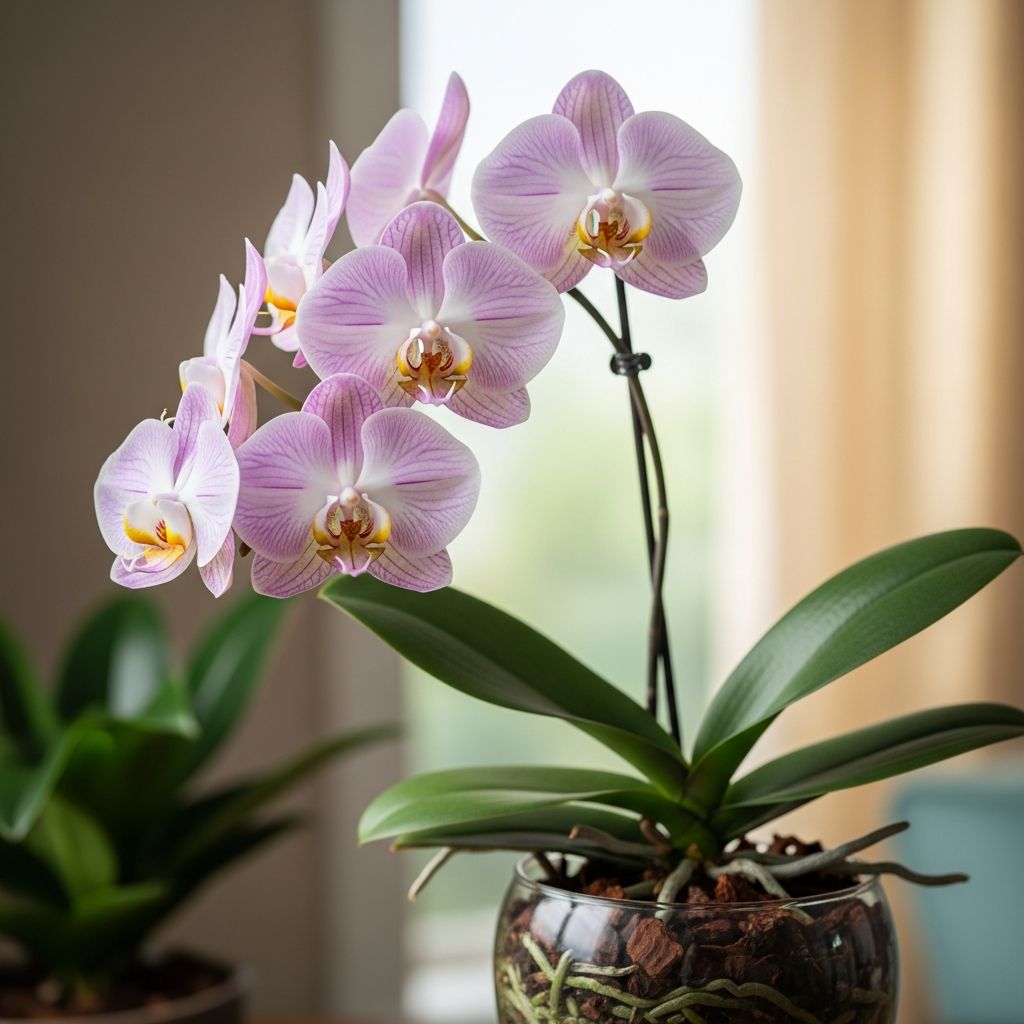
Orchids are among the most elegant and rewarding houseplants to cultivate, yet many plant parents struggle with their care requirements. Unlike typical houseplants, orchids have unique needs that require a specialized approach. Whether you’re a beginner or experienced gardener, understanding the fundamentals of orchid care will help you keep these beautiful flowers healthy and blooming for years to come. This comprehensive guide covers everything you need to know about orchid care, from selecting a healthy plant to troubleshooting common problems.
Choosing a Healthy Orchid
The foundation of successful orchid care begins with selecting a healthy plant. A healthy orchid should display several key characteristics that indicate it has been properly cared for and is ready to thrive in your home. Look for orchids with berky green leaves, which indicate good hydration and plant vigor. The floral stems should be sturdy with visible buds, and you may notice silver aerial roots, which are a positive sign of a healthy root system.
When shopping for orchids, consider purchasing from specialty plant stores rather than grocery stores or big-box retailers. Orchids sold in grocery stores have often been exposed to fluctuating temperatures and inconsistent light conditions during transportation and storage. This environmental stress can result in bud blast, a condition where buds drop before blooming. The damage may not be immediately visible and can take 5 to 7 days to manifest after you bring the plant home. Specialty plant stores typically have staff trained in proper orchid care and can provide plants that have been acclimated to stable conditions.
Lighting Requirements
Proper lighting is crucial for orchid health and blooming. Orchids require indirect sunlight rather than direct light exposure. An easy way to determine if a room has the right lighting conditions is to test whether you can read comfortably at any time of day without turning on artificial lights. This indicates the space receives adequate indirect illumination.
If your orchid is receiving too much direct afternoon light, move it back from the window slightly. Bright afternoon sun can scorch leaves and stress the plant. However, providing enough light when your orchid is not blooming will encourage it to bloom again in the future. This makes proper light placement essential not just for current blooms but for future flowering cycles.
Watering Your Orchids
Watering is perhaps the most critical aspect of orchid care, and many plant parents inadvertently harm their orchids through improper watering practices. Unlike most houseplants, orchids have specific watering needs that must be respected.
When watering your orchid, always use lukewarm water rather than cold water. Orchids naturally grow in rainforests where water is warm, and cold water can shock the plant system. Check the humidity at the crown of the plant before watering. If the crown still feels wet from the previous watering, allow it to dehydrate further before watering again. This prevents moisture accumulation that can lead to crown rot.
For orchids in containers without drainage holes, place the pot in a sink filled with lukewarm water and allow it to sit for about 30 minutes. This permits the orchid roots to absorb water gradually. After the soaking period, pour out excess water. The roots will have absorbed what they need, and any remaining water should be discarded.
When watering, avoid getting water directly on the crown of the plant, especially when top watering. Water accumulation in the crown can cause crown rot, a serious condition that damages the plant. If water does splash on the crown, use a paper towel to dry it immediately.
Temperature and Humidity
Orchids thrive in environments with consistent temperatures between 60 and 75 degrees Fahrenheit. Fluctuating temperatures stress the plant and can interfere with blooming cycles. Maintaining stability in your growing environment is more important than achieving any specific temperature within this range.
Humidity levels also play an important role in orchid health. These tropical plants appreciate moderate to high humidity. However, proper air circulation is equally important to prevent fungal and bacterial issues. Ensure your growing space has gentle air movement without direct drafts.
Soil and Potting Media
One of the most significant mistakes orchid growers make is using standard houseplant soil. Regular potting soil retains too much moisture at the crown and root system, inevitably leading to root rot. Orchids require specialized orchid mix that provides proper drainage and aeration.
You can purchase orchid mix from specialty plant stores, or you can create your own recipe. Orchid mix typically consists of bark chips, charcoal, and other materials that promote drainage while providing structural support for roots. The bark-based medium allows orchid roots to breathe, which is essential for their health.
When selecting pots for your orchids, choose containers with adequate drainage holes. Orchid-specific pots are often designed with additional drainage features. Some growers use baskets, which allow for superior air circulation around the roots and medium.
Repotting Your Orchids
Repotting is an important maintenance task, but timing and frequency matter significantly. Only repot your orchid every 1 to 2 years. Never repot an orchid when it is actively blooming or has visible buds. The stress of repotting can cause blooms to drop prematurely. Wait until the orchid has finished flowering before undertaking this task.
When repotting, use fresh orchid bark mix. The investment in quality potting medium pays dividends in preventing root rot issues. Before repotting, set up a workspace where scattered bark won’t cause cleanup problems. Examine the roots during repotting—healthy roots should be firm and light-colored. Remove any soft, dark, or rotted roots with clean scissors.
After repotting, water the orchid thoroughly to settle the medium and ensure good contact between roots and bark. If water splashes on the crown, dry it immediately with a paper towel. You may notice some water sitting on top of the bark after watering—this is normal. Once the medium has absorbed water, the plant will drain properly.
Staking and Support
As your orchid develops blooms, you may need to provide support for the flower stems. Orchid stakes help keep blooms positioned above the foliage, where they’re more visible and less likely to be damaged. Gently guide stems toward the stake and secure them loosely with soft ties or clips that won’t damage the stem.
Fertilizing Your Orchids
Orchids benefit from regular fertilizing during their active growing season. Begin fertilizing before buds appear on the plant—this is a critical time for nutrient delivery. Use a fertilizer formulated specifically for orchids, following package directions carefully. Over-fertilizing can damage roots and cause salt buildup in the medium.
Addressing Root Rot
Root rot is the most common serious problem orchid growers encounter. It develops when moisture remains around the roots for extended periods. Signs of root rot include mushy roots, a foul smell from the potting medium, and yellowing or drooping leaves.
To address root rot, remove the orchid from its pot and examine the roots carefully. Healthy roots are firm and light-colored. Rotted roots are soft, dark, and may appear mushy. Using sterile scissors or a knife, remove all rotted portions of the root system. Repot the orchid in fresh orchid bark mix in a clean container with drainage holes. Adjust your watering practices to prevent recurrence.
Managing Pests
Orchids can develop pest problems just like any other houseplant. Common orchid pests include fungus gnats, mealybugs, thrips, and scale insects. For fungus gnats, mosquito bits offer an effective organic solution. For mealybugs, thrips, scale, and similar pests, insecticidal soap provides reliable control. Inspect your orchids regularly and treat infestations promptly to prevent spread to other plants.
Pruning and Reblooming
When your orchid finishes blooming, you can encourage reblooming by proper pruning. Locate the second node on the flower stem—this is the point where new growth will emerge. Cut the stem just above the second node using clean scissors. New flower spikes will develop from this point, potentially providing another round of blooms.
With proper care, orchids will rebloom year after year. The combination of appropriate light, temperature, watering, and humidity creates the conditions necessary for repeated flowering.
Reviving Stressed Orchids
If you acquire an orchid that has been stressed—perhaps one from a grocery store that experienced temperature fluctuations or remained sitting in water—you can often revive it with dedicated care. Examine the roots and remove any that show signs of rot. Sacrifice the current blooms if necessary by cutting them for use in a vase. Repot the plant in fresh orchid mix and establish a proper care routine. With time and attention, the orchid will recover and produce new growth and blooms.
Frequently Asked Questions
Q: How often should I water my orchid?
A: Water your orchid when the bark mix feels dry to the touch. This frequency varies based on your home’s humidity, temperature, and light conditions, but typically ranges from once to twice weekly. Always check that the crown of the plant is dry before watering to prevent crown rot.
Q: Can orchids survive in low-light conditions?
A: Orchids need indirect light to thrive and bloom. While they can survive in lower light, they may not flower without adequate illumination. Ensure your orchid receives enough light to read comfortably in the space without artificial lighting.
Q: Why are my orchid’s buds dropping?
A: Bud drop typically results from temperature fluctuations, stress from repotting during blooming, inconsistent watering, or dramatic changes in growing conditions. Maintain stable temperature and humidity levels and avoid disturbing the plant when it’s actively blooming.
Q: How long do orchid blooms last?
A: With proper care, orchid blooms can last several weeks to months. Some varieties bloom for extended periods. Proper lighting and consistent care help maximize bloom duration.
Q: Can I use regular potting soil for orchids?
A: No. Regular potting soil retains excessive moisture and causes root rot in orchids. Always use orchid-specific bark mix that provides proper drainage and aeration for healthy roots.
References
- How to Properly Care for Orchids — HGTV Home. 2024-12-10. https://www.youtube.com/watch?v=SVFxnpN8494
- Orchid Care: Watering, Light, Blooms, Soil, Pot, and Repotting — Houseplant Care 101. https://www.youtube.com/watch?v=UFE5phI2WCI
- Orchidaceae Care Guide — Royal Horticultural Society. https://www.rhs.org.uk
- Understanding Indoor Plant Root Systems and Drainage — University of Massachusetts Amherst Extension. https://www.umass.edu
Similar Articles







Read full bio of Sneha Tete