Organic Gardening Essentials
Master sustainable gardening with natural methods for healthy soil, thriving plants, and bountiful harvests without chemicals.
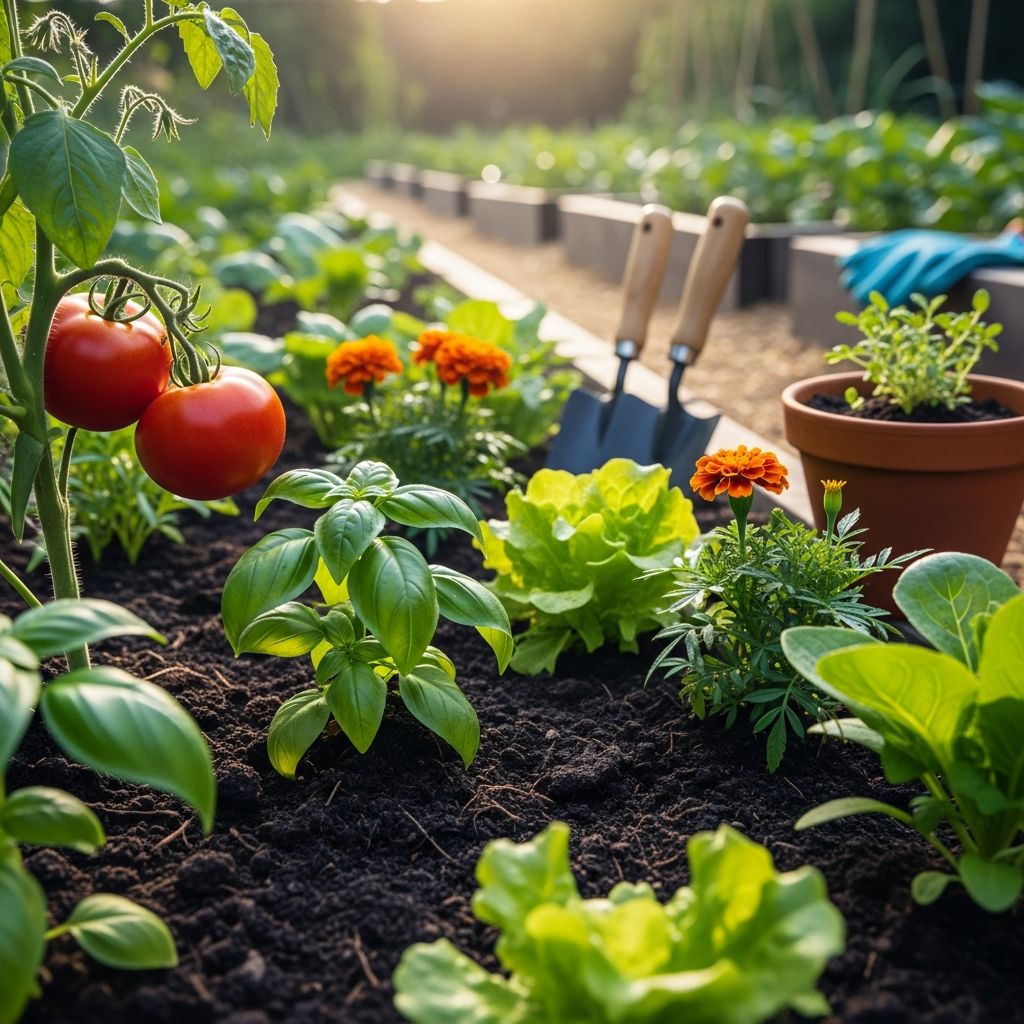
Organic gardening emphasizes harmony with nature, using natural processes to grow vibrant plants without synthetic chemicals. This approach yields nutritious produce while enhancing soil health and biodiversity.
Understanding the Foundations of Organic Practices
Organic gardening avoids synthetic fertilizers and pesticides, relying instead on plant, animal, mineral, or microbial sources for plant care. A successful organic garden starts with healthy soil texture and structure, ideally comprising sand, silt, clay, and compost for optimal drainage and nutrient retention. Well-draining soil with 50 percent pore space allows water, air, and roots to penetrate easily, fostering strong root systems.
Beginners should assess their backyard soil, which often favors one particle type heavily. Incorporating compost balances this, creating a crumb-like structure essential for organic success. This method builds a holistic ecosystem, distinguishing organic gardens from conventional ones.
Building Nutrient-Rich Soil Naturally
Superior soil is the cornerstone of organic gardening. Enrich existing soil by blending in aged compost or organic mixes to promote robust roots. Start a compost pile early, as it takes time to decompose into usable humus.
Composting follows a simple formula: combine carbon-rich ‘browns’ like dry leaves and straw with nitrogen-rich ‘greens’ such as vegetable scraps and fresh weeds. This process recycles kitchen and yard waste into a nutrient powerhouse, adding organic matter vital for soil fertility.
- Carbon materials: Dead leaves, straw, cardboard, sawdust.
- Nitrogen materials: Grass clippings, fruit peels, coffee grounds, manure.
- Balance ratio: Aim for 3 parts browns to 1 part greens for efficient breakdown.
- Maintenance: Turn the pile weekly, keep moist like a wrung-out sponge, and avoid meat or dairy to prevent pests.
Fall amendments with compost allow nutrients to integrate over winter, preparing soil for spring planting.
Strategic Site Selection and Layout
Choose a sunny location with at least 6-8 hours of daily sunlight for most vegetables. Consider microclimates: south-facing spots warm faster, while sheltered areas protect from wind. For small spaces, opt for raised beds or containers, which retain moisture better and suit patios or balconies.
Plan your layout to maximize space and efficiency. Start small to avoid overwhelm, mixing in-ground, raised, and container methods. Group plants by water needs and height to optimize sunlight and airflow.
| Garden Type | Best For | Pros | Cons |
|---|---|---|---|
| In-Ground | Large veggies like tomatoes | Low cost, natural soil integration | More watering, weed competition |
| Raised Beds | Herbs, greens | Better drainage, fewer weeds | Initial soil fill cost |
| Containers | Patio herbs, peppers | Mobile, space-saving | Frequent watering needed |
Selecting and Sourcing Plants and Seeds
Opt for organic, untreated seeds or certified USDA Organic seedlings bred for your region to ensure low-maintenance growth. Check seed packets for your USDA hardiness zone and planting times. Native or regionally adapted varieties resist local pests and diseases naturally.
Decide between direct sowing (for carrots, beans) or starting indoors (for tomatoes, peppers) then transplanting. Thin seedlings post-germination to prevent crowding, ensuring each plant has space.
- Direct sow: Beets, lettuce, radishes – plant in final spots.
- Transplants: Eggplant, broccoli – start indoors 4-6 weeks early.
- Succession planting: Sow greens every 2 weeks for continuous harvest.
Efficient Watering and Fertilization Techniques
Water deeply but infrequently to encourage deep roots. Test soil moisture by inserting a finger one inch deep: water if dry. Target the base to avoid wetting leaves, which invites disease; drip irrigation excels here.
In-ground beds need more frequent watering than containers, which hold moisture longer. Fertilize monthly with organic options like fish emulsion, compost tea, or well-aged compost side-dressed around plants.
- Compost tea: Steep compost in water for liquid feed.
- Fish fertilizer: Dilute per label for nitrogen boost.
- Side-dress: Add potassium/phosphorus for fruiting crops.
Natural Strategies for Weed and Pest Management
Weeds compete for resources; combat them by hand-pulling, mulching heavily (2-4 inches of straw or leaves), or planting dense cover crops. Faster-growing companions can outcompete weeds naturally.
For pests, encourage beneficial insects like ladybugs and predatory wasps. Use row covers, companion planting (marigolds deter nematodes), and organic sprays from neem or garlic only as last resorts. Avoid chemicals, even from neighbors, by sheltering your plot.
Post-harvest, remove diseased plants (don’t compost), mulch, and sow cover crops like clover or alfalfa to prevent erosion, suppress weeds, and fix nitrogen.
Seasonal Care and Crop Rotation Benefits
Rotate crops annually to disrupt pest cycles and replenish soil nutrients. Group families: nightshades (tomatoes) one year, brassicas (cabbage) the next.
In fall, amend soil and plant cover crops. Spring prep involves testing pH (aim for 6.0-7.0), tilling lightly, and warming soil with black plastic if needed.
Harvesting and Preserving Your Bounty
Harvest at peak ripeness for flavor: snip greens young, pick beans frequently to boost production. Preserve excess via canning, freezing, or drying to enjoy year-round.
Succession sowing ensures steady supply; thin root crops carefully to avoid disturbance.
Common Challenges and Solutions
- Poor germination: Ensure consistent moisture, optimal temperature.
- Nutrient deficiencies: Yellow leaves signal nitrogen lack – add compost.
- Pest outbreaks: Introduce beneficials, inspect daily.
- Overwatering: Improve drainage, use mulch.
FAQs
What is the best soil for organic gardening?
A mix of sand, silt, clay, and compost provides ideal drainage and nutrients.
Can I start organic gardening in containers?
Yes, containers work well for herbs and veggies; choose ones with drainage holes.
How often should I fertilize organically?
Apply liquid feeds monthly or side-dress with compost every 4-6 weeks.
Are organic pesticides allowed?
Yes, derived from natural sources like plants or minerals, but prioritize prevention.
What cover crops improve soil?
Clover and alfalfa fix nitrogen and suppress weeds.
References
- A Complete Guide to Organic Gardening for Beginners — The House & Homestead. 2023. https://thehouseand-homestead.com/organic-gardening-beginners/
- Organic Gardening for Beginners — Bonnie Plants. 2024. https://bonnieplants.com/blogs/garden-fundamentals/organic-gardening-for-beginners
- Organic Gardening 101 — Acorn Organic. N/A. https://acornorganic.org/media/resources/OrganicGardening101.pdf
- Tips for Starting an Organic Garden — USDA. 2023-05-10. https://www.usda.gov/about-usda/news/blog/tips-starting-organic-garden
- Complete Guide to Growing Vegetables in a Garden — Gardenary. 2024. https://www.gardenary.com/blog/complete-guide-to-growing-vegetables-in-a-garden
Similar Articles







Read full bio of medha deb