Organizing an Office Space: Complete Guide
Transform your workspace with expert office organization tips and storage solutions.
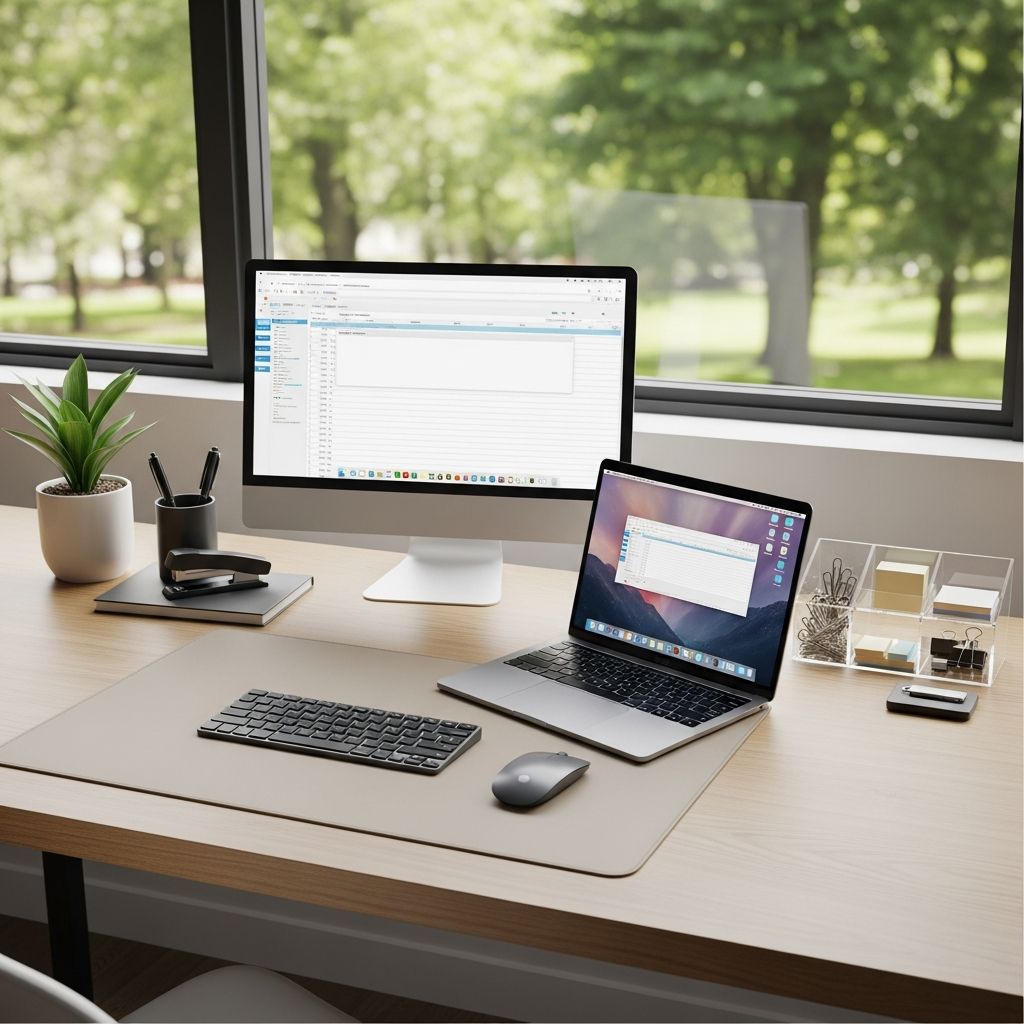
Organizing an Office Space: Your Complete Guide to a Productive Workspace
A well-organized office space is the foundation of productivity, creativity, and professional success. Whether you work from home, manage a small office, or oversee a corporate workspace, the principles of effective organization remain consistent. An organized office reduces stress, minimizes distractions, and makes it easier to find what you need when you need it. This comprehensive guide covers essential strategies and practical tips to transform your office into an efficient, inspiring work environment.
Why Office Organization Matters
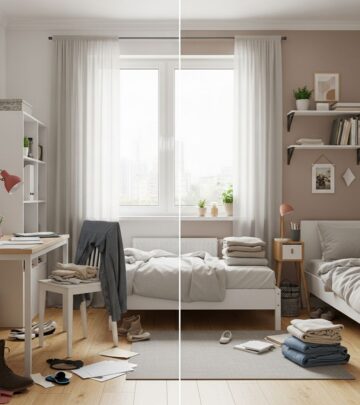
The state of your office directly impacts your work performance and mental well-being. A cluttered desk can lead to lost time searching for documents, increased stress, and decreased motivation. Studies consistently show that organized workspaces improve focus and productivity. When everything has a designated place, you can dedicate more mental energy to your actual work rather than managing chaos. Additionally, an organized office creates a professional impression for clients and colleagues, enhancing your credibility and reputation.
Assessing Your Current Space
Before implementing organizational strategies, take time to evaluate your existing office setup. Walk through your space and identify problem areas: cluttered surfaces, overstuffed drawers, disorganized files, and items that don’t belong. Notice how you currently use the space and what’s working versus what isn’t. Understanding your workflow and habits helps you design an organization system that actually suits your needs rather than implementing generic solutions.
Creating an Inventory
Start by cataloging what you have. Pull everything out from drawers, shelves, and cabinets. This purging process helps you see exactly what you’re working with and identify duplicates or items you no longer need. Categorize items into groups: essential supplies, reference materials, decorative items, and things to donate or discard. This inventory process is invaluable for determining what storage solutions you’ll need.
Decluttering and Purging
Decluttering is the critical first step in office organization. Many offices accumulate items over months or years that no longer serve a purpose. Be honest about what you actually use. Old projects, outdated references, broken supplies, and duplicate items only take up valuable space. Follow a simple rule: if you haven’t used something in six months and don’t have a specific future use for it, it’s time to go.
The Four-Box Method
Use the four-box approach to declutter effectively. Label boxes as “Keep,” “Donate,” “Sell,” and “Trash.” Go through each item systematically and make quick decisions. Keep only items that are essential, frequently used, or genuinely valuable. Items in good condition can be donated to charities or sold online. This method creates momentum and makes the process feel manageable rather than overwhelming.
Essential Storage Solutions
Once you’ve decluttered, invest in appropriate storage solutions that match your remaining items and space constraints.
Clear Containers and Visibility
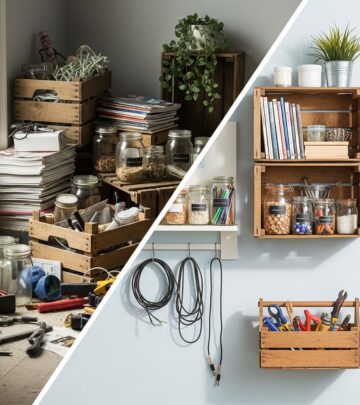
Use clear, transparent containers for supplies and materials whenever possible. Being able to see contents at a glance eliminates the need to open multiple containers searching for items. Clear containers work particularly well for pens, paper clips, sticky notes, cables, and other small supplies. They also help you quickly identify when supplies are running low and need replenishing.
Labeling Systems
Labels are essential for non-transparent storage containers and filing systems. Invest in a label maker for professional, consistent labeling. Include not just the contents but also important information like purchase dates or project names. A label maker creates uniform, easy-to-read labels that look polished and help everyone in your office locate items quickly. Even handwritten labels on adhesive tape work well if a label maker isn’t available.
Vertical Storage Maximization
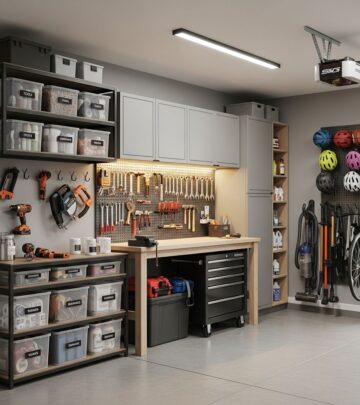
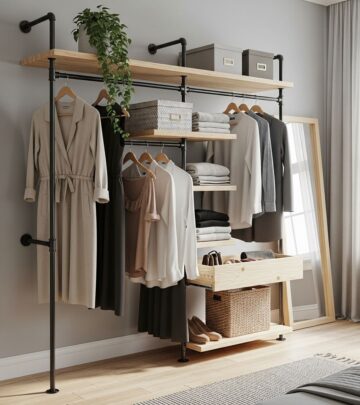
Don’t overlook vertical space. Wall-mounted shelving, floating shelves, and tall cabinets make excellent use of floor-to-ceiling space without consuming desk real estate. Wall shelves display frequently-used items and keep them within arm’s reach. Pegboards and wall-mounted organizers hold tools, supplies, and accessories. Hanging storage systems on the back of doors provide additional space for files, accessories, or cleaning supplies.
Filing and Document Organization
Paper management is crucial in most offices. Implement a consistent filing system that makes documents easy to locate and retrieve.
Digital Filing Systems
Prioritize digital storage when possible. Scan important documents and store them in organized digital folders with clear naming conventions. Use consistent date formats (YYYY-MM-DD) and descriptive file names for easy searching. Cloud storage solutions provide accessibility and backup protection. Reducing paper volume significantly decreases storage needs and improves accessibility.
Physical File Organization
For necessary physical documents, use color-coded filing systems or labeled file folders. Store frequently-accessed files in easily-reached drawers or cabinets. Archive older documents in separate storage boxes. Establish clear retention policies for how long different document types should be kept. Regular purging of outdated files prevents filing cabinets from becoming storage graveyards.
Desk Organization Strategies
Your desk is your primary work surface and deserves special attention in your organization plan.
Desktop Essentials Only
Keep only current, essential items on your desk surface. Your computer, phone, and items you use daily should have designated spots. Everything else belongs in drawers, shelves, or cabinets. A clear desk surface reduces visual clutter and distractions, allowing better focus on tasks. End-of-day desk clearing helps you start fresh each morning with a clean workspace.
Desk Accessories and Organizers
Desk organizers, pen holders, and drawer dividers corral supplies and keep them accessible. Choose organizers that complement your décor and work style. Desktop file holders keep active projects and documents within reach. Monitor stands with integrated storage create dual-purpose furniture. Drawer organizers maximize drawer space with designated sections for different items.
Cable Management
Tangled cables create visual chaos and make cleaning difficult. Use cable clips, ties, or channels to organize cords behind desks. Label cables at both ends to identify which devices they connect to. Route cables along the back or underside of desks, keeping them out of sight. Zip ties, velcro strips, or cable sleeves bundle multiple cords together neatly.
Furniture Selection and Layout
The right furniture setup forms the foundation of an organized office.
Multifunctional Furniture
Choose furniture that serves multiple purposes. Desks with built-in storage, shelving units that divide spaces, and filing cabinets that double as surfaces maximize functionality. Storage ottomans, shelving units with drawers, and cabinets with shelving provide flexibility. Vertical furniture takes up less floor space while offering substantial storage capacity.
Space Planning
Arrange furniture to create efficient workflow paths. Position your desk to face the door if possible, reducing surprises and improving focus. Group similar items near where you’ll use them. Create distinct zones for different activities: a focused work area, a meeting space, and storage zones. Ensure adequate space for movement and accessibility to frequently-used items.
Creating Inspiring Work Environments
Organization isn’t just about functionality—it’s also about creating an inspiring space where you enjoy working.
Personal Style and Aesthetics
Bring your personality into your organized office. Choose storage solutions and desk accessories that reflect your style. Add plants, artwork, or motivational quotes to make the space feel inviting. Coordinate colors and materials for a cohesive look. When your organized space also feels inspiring, you’re more likely to maintain the organization system long-term.
Lighting and Comfort
Good lighting reduces eye strain and improves mood. Include task lighting for detailed work and ambient lighting for overall space illumination. Ensure your chair, desk height, and monitor position support ergonomic comfort. A comfortable, well-lit organized office is one you’ll want to spend time in.
Maintaining Your Organized Office
Organization isn’t a one-time project—it requires ongoing maintenance to sustain benefits.
Daily Habits
Implement simple daily habits that maintain organization: spending 10 minutes at day’s end clearing your desk, immediately filing documents, and returning items to their designated spots. These small habits prevent clutter from rebuilding. Weekly 15-minute tidying sessions keep your office from falling back into disarray.
Quarterly Reviews
Schedule quarterly organization reviews to assess what’s working and what needs adjustment. Purge items that have accumulated again, reorganize categories that have become unwieldy, and refresh storage solutions as needed. These regular touchpoints prevent organization systems from becoming outdated.
Quick Reference: Office Organization Tips
Here are key takeaways for effective office organization:
- Purge excess items before organizing—decluttering is the foundation
- Use clear containers for visibility and quick identification
- Implement consistent labeling systems for all storage
- Maximize vertical space with shelving and wall-mounted solutions
- Keep only essentials on your desk surface
- Create a filing system that matches your workflow
- Invest in cable management for visual cleanliness
- Choose multifunctional furniture to maximize space efficiency
- Add personal touches and inspiration to your organized space
- Maintain organization through daily habits and quarterly reviews
Comparison: Storage Solutions
| Storage Solution | Best For | Advantages | Considerations |
|---|---|---|---|
| Clear Containers | Small supplies, frequently accessed items | See contents easily, stackable, affordable | May show dust, limited sizes available |
| Filing Cabinets | Documents, files, paper records | Professional appearance, secure storage, organized | Takes up floor space, not ideal for small offices |
| Wall Shelving | Display items, frequently used supplies | Maximizes vertical space, accessible, decorative | Limited weight capacity, requires installation |
| Drawer Dividers | Desk drawers, small compartments | Keep items separated, affordable, customizable | Limited capacity, requires drawer space |
| Storage Cabinets | Bulk storage, supplies, documents | Hides clutter, large capacity, professional | More expensive, takes up floor space |
Frequently Asked Questions
Q: How do I organize a small office with limited storage?
A: Maximize vertical space with wall shelving, use multifunctional furniture, go digital with documents, and keep only essential items on surfaces. Consider under-desk storage and wall-mounted organizers to use every available inch.
Q: What’s the best way to organize computer cables?
A: Use cable clips, velcro ties, or cable sleeves to group cords together. Label both ends of cables to identify which devices they connect to. Route cables behind desks or along the back of furniture to hide them from view.
Q: How often should I reorganize my office?
A: Implement daily tidying habits (10 minutes), weekly quick organizing (15 minutes), and quarterly major reviews. This prevents clutter accumulation while maintaining your established system.
Q: Should I use digital or physical filing systems?
A: Prioritize digital filing for most documents—it’s more accessible, searchable, and space-efficient. Keep physical files only for documents requiring signatures, legal originals, or items that must be in paper form.
Q: What’s the most important first step in organizing an office?
A: Decluttering and purging is the most important first step. You can’t organize what you don’t need. Remove items you haven’t used in six months or that no longer serve a purpose.
Q: How do I motivate myself to maintain office organization?
A: Add personal touches and inspirational elements to your organized space. Make daily tidying a quick habit rather than a chore. Schedule quarterly reviews to maintain momentum and see the benefits of organization regularly.
References
- Office Organization and Productivity — American Psychological Association. 2024. https://www.apa.org/science/about/psa/office-environment
- Ergonomics: Workstation Setup — Occupational Safety and Health Administration (OSHA). 2024. https://www.osha.gov/ergonomics
- Workspace Design and Employee Well-Being — Journal of Environmental Psychology. 2023. https://doi.org/10.1016/j.jenvp
- Digital Document Management Best Practices — National Archives and Records Administration (NARA). 2024. https://www.archives.gov/records-mgmt
- Storage and Organization Solutions — Consumer Reports. 2024. https://www.consumerreports.org/
Similar Articles





Read full bio of medha deb