Outdoor Sink Ideas: Transform Your Backyard
Discover creative outdoor sink solutions to enhance your backyard's functionality and style.
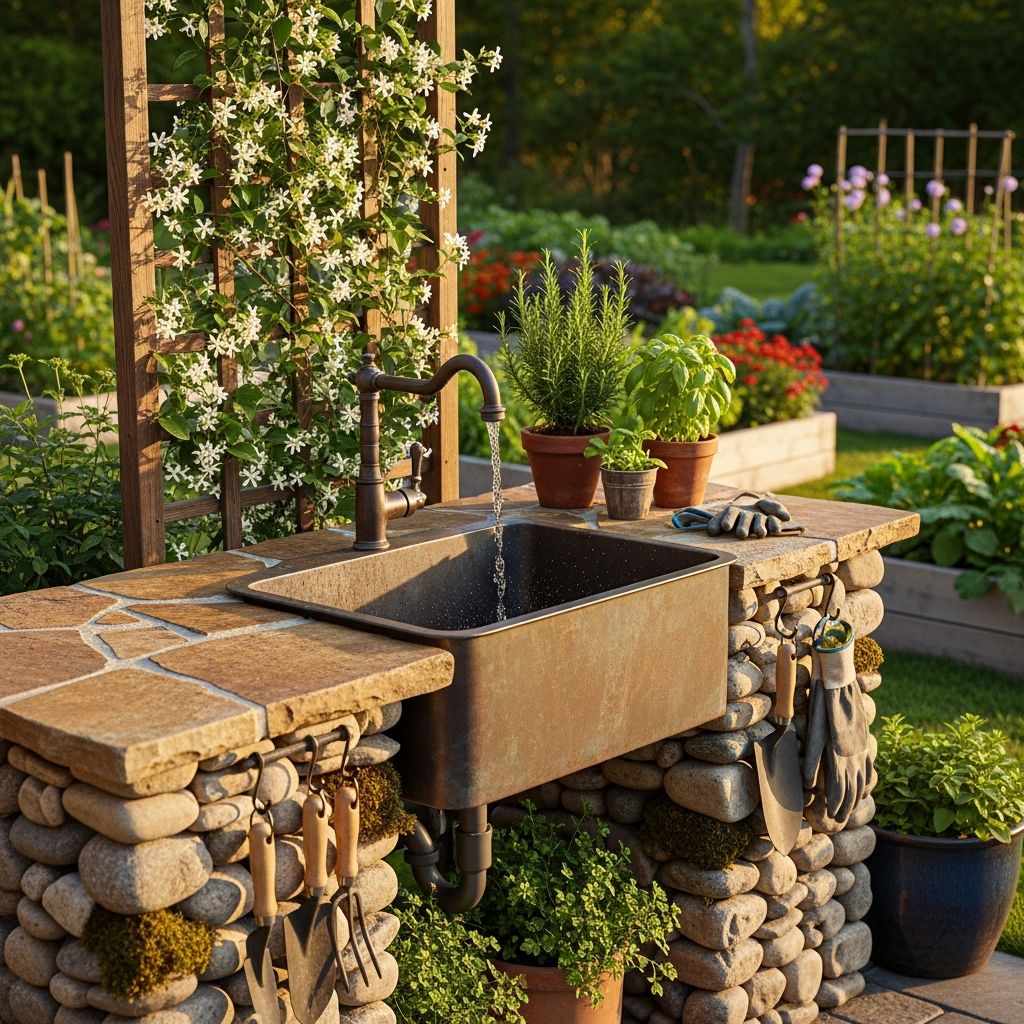
An outdoor sink is a practical and convenient addition to any backyard, offering easy access to water for gardening, cleaning, entertaining, and food preparation. Whether you’re looking to enhance your outdoor kitchen, create a dedicated garden wash station, or simply add a functional element to your patio, outdoor sink ideas can range from simple DIY projects to elaborate custom installations. This comprehensive guide explores various outdoor sink options, designs, and considerations to help you find the perfect solution for your space.
Benefits of Adding an Outdoor Sink
An outdoor sink serves multiple purposes that make it a valuable addition to any backyard. First, it provides convenient access to water without having to run back inside your home. This is particularly useful when gardening, washing muddy tools, cleaning outdoor furniture, or preparing food for outdoor entertaining. An outdoor sink reduces the amount of dirt and debris tracked into your home, keeping your interior cleaner and reducing housework.
For those who love outdoor entertaining, an outdoor sink becomes essential for food preparation and cleanup during gatherings. Guests can wash their hands before eating, and you can easily rinse vegetables, clean dishes, and manage food prep without constantly moving between indoor and outdoor spaces. Additionally, an outdoor sink can increase your home’s property value and appeal, transforming your backyard into a more functional and desirable entertaining space.
DIY Outdoor Sink Options
Simple Garden Wash Station
A DIY garden wash station is one of the most accessible outdoor sink projects for homeowners. This typically involves a simple table or stand with a basic sink basin, faucet, and drainage system. Many DIY enthusiasts create these using reclaimed materials, wooden pallets, or prefabricated outdoor sink kits available at home improvement stores. A garden wash station requires minimal plumbing knowledge and can be completed over a weekend.
The basic components include a water source connection, a basin or sink, and a drainage system. Some designs use gravity-fed drainage into a nearby garden or into a collection basin that can be emptied periodically. Others connect to existing outdoor water lines for continuous supply and drainage to underground or surface drainage systems.
Portable Outdoor Sink Units
Portable outdoor sinks offer flexibility for those who may not want a permanent installation. These self-contained units include a water tank, sink basin, and drainage system, requiring no plumbing connections. They’re ideal for renters, those with limited budgets, or anyone who wants to test an outdoor sink before committing to a permanent installation. Portable units range from small hand-washing stations to larger models suitable for food preparation.
Pallet Wood Sink Stands
Reclaimed pallet wood offers an eco-friendly and budget-conscious option for creating an outdoor sink stand. DIYers can construct a sturdy base using pallets, then mount a basin or sink on top. The rustic aesthetic of wooden pallets complements most backyard styles, and the wood can be sealed or stained to withstand outdoor weather conditions. This approach allows significant customization in size, height, and style.
Professional Outdoor Sink Installations
Integrated Outdoor Kitchen Sinks
For those planning a comprehensive outdoor kitchen, a professionally installed sink becomes a central component. These installations typically include plumbing connections to your home’s water and drainage systems, ensuring reliable functionality year-round. Outdoor kitchen sinks are often constructed with durable materials like stainless steel, concrete, or stone countertops that can withstand weather exposure. The sink can be positioned as part of a larger work surface with adjacent grill, cooktop, and preparation areas, creating an efficient outdoor cooking and entertaining space.
Professional installations allow for custom sizing, material selection, and integration with other outdoor appliances and features. Plumbing professionals can ensure proper drainage and water supply connections, while contractors can integrate the sink into cohesive outdoor kitchen designs that match your home’s aesthetic.
Custom Stone and Concrete Sinks
High-end outdoor sink installations often feature custom-built stone or concrete basins. These materials offer exceptional durability and a sophisticated appearance that elevates the entire outdoor space. Stone sinks can be carved from granite, marble, or slate, while concrete sinks can be custom-formed in virtually any shape or size. These professional installations represent significant investments but create stunning focal points in outdoor entertaining areas.
Materials and Durability Considerations
Stainless Steel
Stainless steel is a popular choice for outdoor sinks because of its durability and resistance to rust and corrosion. It’s easy to clean, maintains a sleek appearance, and works well in modern outdoor kitchen designs. However, stainless steel can show fingerprints and may require regular polishing to maintain its shine in outdoor environments.
Concrete and Stone
Concrete and natural stone offer rustic charm and exceptional durability. These materials can be sealed to improve water resistance and stain prevention. Stone sinks develop a natural patina over time that many homeowners find attractive, though they require periodic maintenance and sealing to prevent damage.
Ceramic and Composite Materials
Ceramic and composite outdoor sinks offer aesthetic appeal and moderate durability. These materials come in various colors and finishes but may be more prone to cracking in extreme weather conditions. They work best in covered outdoor spaces or with appropriate seasonal protection.
Plumbing and Drainage Solutions
Proper water supply and drainage are essential considerations for any outdoor sink installation. Simple garden wash stations might use gravity-fed systems or hand pumps, while permanent installations typically connect to existing home plumbing. For drainage, options include connecting to underground drainage systems, directing water to designated garden areas, or using collection basins that can be emptied manually.
In cold climates, winterization becomes important. This might involve shutting off outdoor water supplies in winter months or installing frost-proof faucets and drain systems that prevent freezing and damage during cold seasons.
Design Styles and Aesthetics
Outdoor sinks can be designed to complement various backyard styles. Rustic designs using reclaimed wood, stone, and traditional fixtures suit cottage-style or farmhouse aesthetics. Modern designs featuring stainless steel, concrete, and minimalist fixtures work well in contemporary outdoor spaces. Mediterranean-inspired designs might incorporate terra cotta, decorative tilework, and ornamental detailing. The sink’s design should coordinate with existing landscaping, patios, and outdoor furniture to create a cohesive backyard environment.
Location and Space Planning
Choosing the right location for your outdoor sink requires careful consideration. Place the sink conveniently near garden beds for easy plant watering and tool cleaning, or near your outdoor cooking area for food preparation access. Ensure the location has adequate drainage and consider proximity to existing water sources and electrical connections if you plan to add other features later.
Think about sun exposure, prevailing winds, and sightlines from your home and entertaining areas. Some homeowners prefer sinks in less visible areas, while others want them to be functional focal points. Consider whether you want the sink under cover (patio, gazebo, or pergola) or exposed, as this affects usability during rain and sun.
Seasonal Considerations and Maintenance
Outdoor sinks require regular maintenance to ensure longevity. In freezing climates, winterization is crucial to prevent damage to water lines and fixtures. Before cold weather arrives, drain all water from lines and disconnect hoses. Consider installing frost-proof faucets specifically designed for outdoor use, or shut off the water supply at the source and open faucets to release remaining water.
During warmer months, keep your outdoor sink clean and free from debris. Stainless steel sinks may need periodic polishing, while stone sinks benefit from regular sealing. Check drainage systems regularly to ensure water flows properly and doesn’t create standing water that could damage surrounding areas or create pest habitats.
Budget-Friendly Outdoor Sink Ideas
Creating an outdoor sink doesn’t require a large budget. Simple DIY options using recycled materials, pallet wood, and basic plumbing supplies can cost under $200. Portable sink units range from $100 to $500 depending on size and features. More elaborate custom installations with professional plumbing integration can range from $1,000 to $5,000 or more, depending on materials and complexity.
To save money, start with a basic DIY wash station and upgrade later. Consider using reclaimed or surplus materials, installing a simpler drainage system initially, and expanding your setup gradually as budget allows. Many homeowners find that even modest outdoor sink additions significantly enhance their backyard functionality and entertaining capacity.
Popular Outdoor Sink Features and Upgrades
Modern outdoor sinks can include various convenience features. Hot water options enhance functionality for cleaning and food preparation, though adding hot water requires more extensive plumbing work. Spray nozzles and adjustable faucets offer flexibility for different tasks. Soap dispensers and storage areas built into the sink base add convenience. Some homeowners add heating elements for cold climates or integrate the sink with other outdoor kitchen appliances for comprehensive entertaining spaces.
Frequently Asked Questions
Q: Do I need a permit to install an outdoor sink?
A: Permit requirements vary by location. Simple portable or DIY wash stations typically don’t require permits, but permanent installations connecting to home plumbing systems usually require local building permits and inspections. Check with your local building department before starting any permanent outdoor sink installation.
Q: Can an outdoor sink freeze in winter?
A: Yes, outdoor sinks can freeze in cold climates. Proper winterization, including draining water lines and shutting off outdoor water supplies, is essential. Frost-proof faucets designed specifically for outdoor use can help, but complete drainage remains the safest approach in freezing climates.
Q: How much does a professional outdoor sink installation cost?
A: Professional installations range from $1,000 to $5,000 or more depending on materials, complexity, and plumbing requirements. Basic DIY projects may cost $200-$500, while mid-range installations typically fall between $800-$2,000.
Q: What’s the best location for an outdoor sink?
A: Ideal locations are near garden beds, outdoor cooking areas, or outdoor entertaining spaces. Consider proximity to existing water sources, adequate drainage, sun exposure, and accessibility from your home for convenience and functionality.
Q: Can I use reclaimed materials for an outdoor sink?
A: Yes, reclaimed wood pallets, vintage basins, and salvaged materials work well for DIY outdoor sinks. Ensure materials are properly sealed or treated to withstand outdoor weather conditions and regular water exposure.
Q: What drainage options work best for outdoor sinks?
A: Options include connecting to underground drainage systems, directing water to garden areas where it can be absorbed, or using collection basins. Choose based on your soil conditions, local regulations, and the volume of water your sink will drain regularly.
References
- DIY Garden Wash Table Sink — Family Handyman. 2025. https://www.youtube.com/shorts/nPTkY2HaoBw
- Outdoor Kitchens – Plans, Designs and Appliances for Cooking Outdoors — Mr. Handyman. 2013. https://www.mrhandyman.com/blog/outdoor-kitchens-plans-designs-and-appliances-for-cooking-outdoors/
Similar Articles




Read full bio of medha deb