Transplant Shock In Plants: Expert Guide To Recovery
Discover proven strategies to prevent and reverse transplant shock, ensuring your plants thrive after relocation with expert care tips.
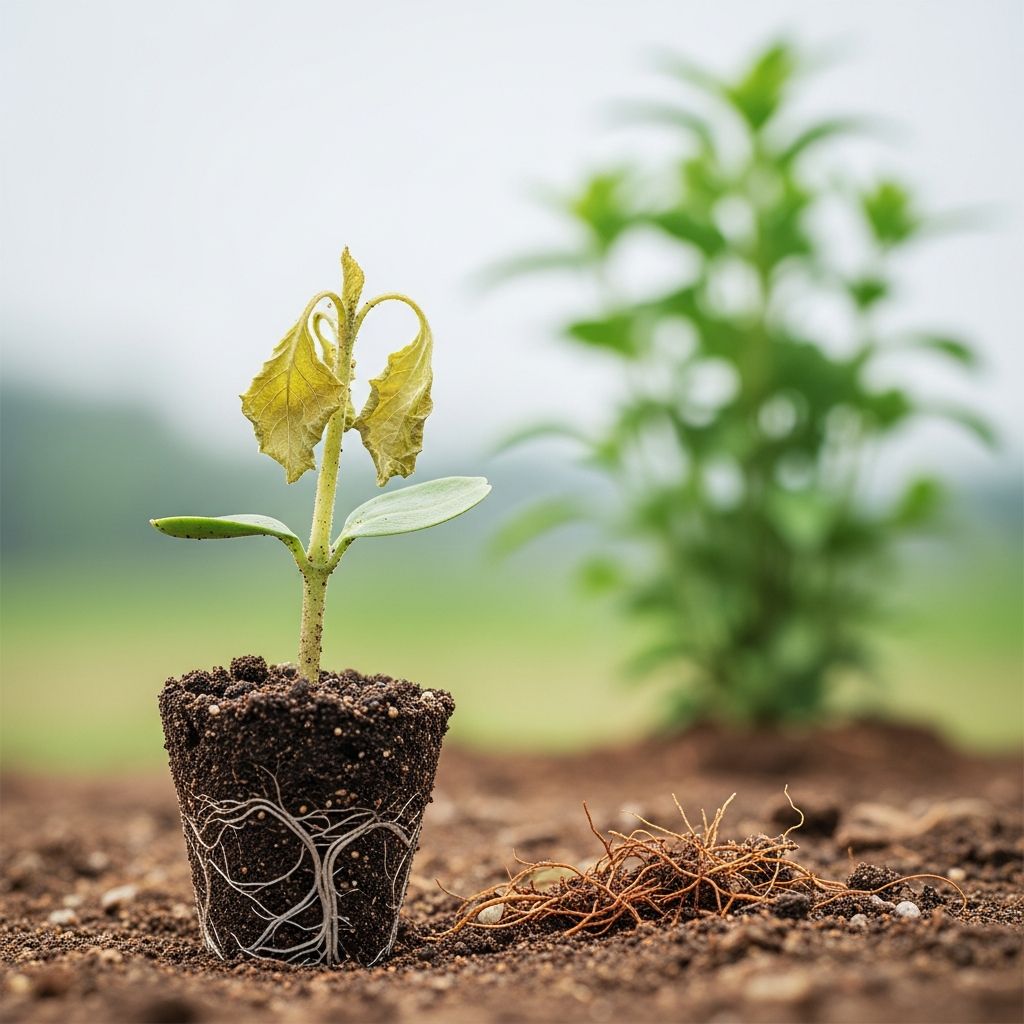
Overcoming Transplant Shock in Plants
Transplant shock occurs when plants experience stress after being moved to a new location, disrupting their ability to absorb water and nutrients effectively. This common issue affects both novice and experienced gardeners, but with proper techniques, it can be prevented or minimized for robust plant recovery.
Understanding the Root Causes of Transplant Shock
At its core, transplant shock stems from disruption to the plant’s root system during relocation. Roots are vital for uptake of water, nutrients, and anchorage, and any damage or exposure leads to physiological imbalance. Key triggers include:
- Root disturbance: Digging up plants often severs fine feeder roots, reducing the plant’s capacity to sustain foliage and growth.
- Environmental shifts: Sudden changes in light exposure, temperature, humidity, or soil type overwhelm the plant’s adaptation mechanisms.
- Poor preparation: Starting with unhealthy plants stressed by pests, drought, or disease heightens vulnerability.
- Inadequate handling: Exposure to drying winds, extreme heat, or freezing conditions during transport damages roots further.
- Soil mismatches: Differences in pH, drainage, or nutrient levels between old and new sites cause osmotic stress.
These factors compound, leading to reduced photosynthesis and increased susceptibility to secondary issues like pests or diseases.
Recognizing Early Signs of Transplant Shock
Prompt identification allows for timely intervention. Common symptoms manifest within days to weeks post-transplant:
| Symptom | Description | Severity Indicator |
|---|---|---|
| Wilting leaves | Drooping foliage despite watering, due to poor root water uptake. | Mild to severe; persistent wilting signals urgency. |
| Leaf scorch | Brown, crispy edges from dehydration stress. | Common in hot conditions; affects margins first. |
| Yellowing or drop | Premature leaf fall or chlorosis from nutrient lockout. | Indicates root failure; heavy drop risks defoliation. |
| Stunted growth | No new shoots or slowed extension, as energy diverts to roots. | Normal short-term; prolonged beyond 2-4 weeks needs action. |
| Stem damage | Softening or lesions from physical injury or infection. | Severe; prune immediately to prevent spread. |
Monitor daily, especially in the first two weeks, as young transplants and trees are most at risk.
Proactive Strategies to Prevent Transplant Shock
Prevention outperforms treatment by preparing plants and sites meticulously. Implement these steps for seamless transitions:
- Choose healthy stock: Select vigorous plants free from pests or stress; avoid those with circling roots in pots.
- Time transplants wisely: Opt for cool, overcast days or evenings to reduce evaporation stress, especially in warm climates.
- Prepare the planting site: Dig holes 2-3 times wider than the root ball, matching original depth to keep the root flare at soil level.
- Root prune in advance: For trees, prune roots 6-12 months prior in dormant seasons to encourage compact, fibrous growth.
- Maintain moisture continuity: Water deeply 1-2 days before digging; wrap root balls in damp burlap during moves.
- Match conditions: Replicate original light, soil type, and watering regime in the new spot.
- Incorporate amendments: Mix in compost or balanced fertilizers pre-planting to boost soil biology and nutrients.
These measures enhance root-to-shoot ratios, bolstering resilience.
Step-by-Step Recovery Guide for Affected Plants
If shock occurs, act swiftly with this structured approach to aid revival:
Immediate Actions (Days 1-3)
- Water thoroughly but avoid saturation: Aim for 1-2 inches weekly, ensuring drainage to prevent rot.
- Provide temporary shade: Use cloth or screens to block 50% direct sun, easing photosynthetic demands.
- Prune selectively: Remove wilted or damaged parts to redirect energy to roots; cut no more than 1/3 of foliage.
Supportive Care (Weeks 1-4)
- Apply rooting stimulants: Use hormones or sugar-water solutions (1 tsp sugar per quart) to promote root regrowth.
- Monitor soil moisture: Keep consistently damp via finger test; mulch to retain humidity.
- Introduce biostimulants: Amino acids or mycorrhizal fungi enhance nutrient absorption.
Long-Term Monitoring (Month 1+)
Fertilize lightly after new growth appears, focusing on root stimulants. Patience is key—full recovery may take 1-2 seasons for perennials and trees.
Advanced Techniques for High-Risk Transplants
For trees, shrubs, or sensitive species, elevate care:
- Hydrogels or polymers: Incorporate into soil to retain moisture around roots.
- Anti-transpirants: Spray foliage to reduce water loss via stomata.
- Staking for stability: Support without constriction to prevent wind rock.
- Seasonal adjustments: Winter transplants need burlap wraps; summer ones demand extra shading.
Professional arborists recommend these for mature specimens, where shock mortality exceeds 20% without intervention.
Common Mistakes and How to Avoid Them
Gardeners often exacerbate shock unwittingly:
- Overwatering: Leads to root rot; check soil before adding more.
- Planting too deep: Buries root flare, causing girdling.
- Ignoring weather: Hot, windy days double stress.
- Skipping aftercare: Consistent monitoring prevents escalation.
Avoid by following checklists and adjusting per plant type.
Plant-Specific Considerations
Different species react variably:
| Plant Type | Shock Sensitivity | Tailored Tips |
|---|---|---|
| Vegetables (tomatoes, peppers) | High | Transplant after hardening off; use cloches for protection. |
| Perennials | Medium | Divide in spring/fall; ensure crown exposure. |
| Trees/Shrubs | High for mature | Root prune yearly; deep water 2-3 years post-move. |
| Houseplants | Low-Medium | Gradual light acclimation; consistent potting mix. |
Frequently Asked Questions (FAQs)
How long does transplant shock last?
Typically 1-4 weeks for annuals, up to 1-2 years for trees. New growth signals recovery.
Can all plants recover from shock?
Most do with care, but severely stressed or wrong-site plants may not. Early action improves odds.
Is sugar water effective?
Studies show it aids some species by providing quick energy; harmless to try post-transplant.
Best time to transplant?
Dormant seasons (fall/spring) minimize stress; avoid summer heat.
Should I fertilize immediately?
No—wait 4-6 weeks until roots establish to avoid burn.
Sustaining Thriving Plants Post-Recovery
Once stabilized, foster long-term health with mulching, balanced nutrition, and pest vigilance. Regular deep watering builds drought tolerance. Track progress seasonally for optimal yields and aesthetics in your garden.
References
- Transplant Shock: Tips for Care and Control of Plants — TN Nursery. 2023. https://www.tnnursery.net/blogs/garden-blog/transplant-shock-care-and-control
- Navigating Transplant Shock in Plants: Causes, Symptoms, and Recovery — Birdys Plants. 2024. https://birdysplants.com/blogs/news/transplant-shock
- Learn How To Avoid And Repair Transplant Shock In Plants — Gardening Know How. 2023. https://www.gardeningknowhow.com/plant-problems/environmental/learn-how-to-avoid-and-repair-transplant-shock-in-plants.htm
- Transplant Shock: Disease or Cultural Problem? — University of Kentucky Plant Pathology (PPFS-OR-W-19). 2019. https://www.plantpathology.mgcafe.uky.edu/files/ppfs-or-w-19.pdf
- 11 Tips to Prevent and Recover your Plants from Transplant Shock — YouTube (Southern Gardening Channel). 2023. https://www.youtube.com/watch?v=jm85Yf4X0vA
- The Science Behind Tree Transplant Shock and How to Avoid It — TreeMover. 2024. https://www.treemover.com/blog/the-science-behind-tree-transplant-shock-and-how-to-avoid-it/
- Transplant Shock: Causes, Prevention, and Recovery — The Seed Collection. 2023. https://www.theseedcollection.com.au/transplant-shock-causes-prevention-recovery
Similar Articles








Read full bio of Sneha Tete