Overseed Your Lawn Without Aeration: Step-By-Step Guide
Achieve a thicker, healthier lawn by overseeding without aeration using simple, effective techniques for better seed germination.
Overseed Your Lawn Without Aeration: A Complete Guide
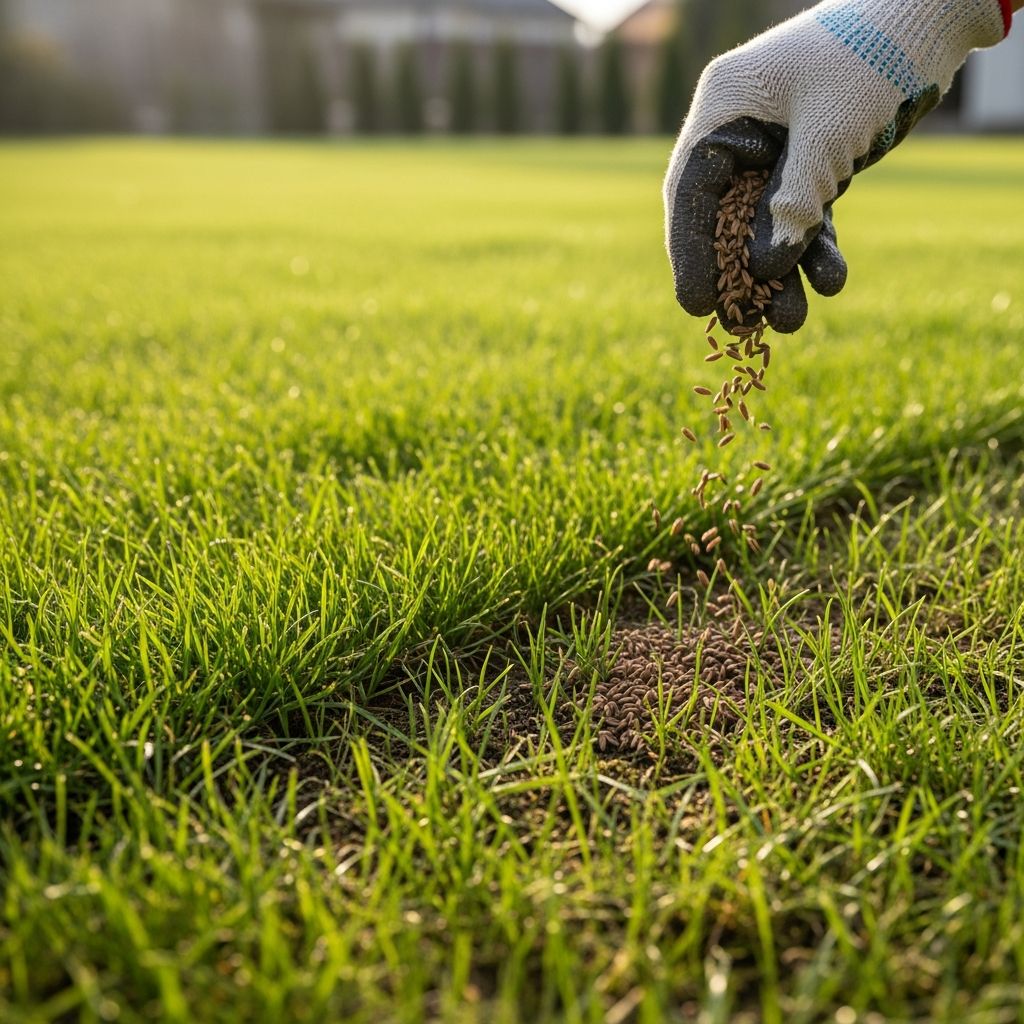
Overseeding introduces new grass seed to an existing lawn to enhance density, fill bare patches, and boost resilience against weeds and diseases. Skipping aeration simplifies the process, saving time and equipment rental costs, though it demands meticulous preparation for seed-soil contact. This method suits lawns with loose soil or recent maintenance, yielding satisfactory results when executed properly.
Understanding Overseeding and Why Skip Aeration
Aeration punctures soil to alleviate compaction, allowing roots deeper access to air, water, and nutrients. However, for homeowners with sandy or loamy soils, minimal thatch, or low traffic, overseeding sans aeration proves viable. It reduces physical labor while still promoting thicker turf through strategic steps like dethatching and topdressing.
Benefits include quicker turnaround, lower expenses, and accessibility for small yards. Drawbacks? Potentially reduced germination rates—down to 30% on compacted ground—necessitating higher seed volumes and precise techniques. Ideal candidates: recently dethatched lawns or those aerated in the prior season.
Optimal Timing for Overseeding Projects
Timing hinges on grass type. Cool-season varieties like Kentucky bluegrass, perennial ryegrass, and tall fescue thrive in fall (late August to mid-October) or early spring, leveraging mild temperatures and moisture for establishment. Warm-season grasses such as Bermuda or Zoysia prefer late spring to early summer.
- Cool-season grasses: Soil temperatures of 50-65°F (10-18°C) trigger germination.
- Warm-season grasses: Wait for 70-90°F (21-32°C) daytime highs.
- Avoid extreme heat, drought, or frost to prevent seed failure.
Test soil readiness: Seeds sprout best in consistently moist, warm conditions without heavy competition from mature grass.
Essential Tools and Materials Checklist
Gather these before starting to streamline the process:
| Category | Items | Purpose |
|---|---|---|
| Tools | Lawn mower, rake, dethatcher (manual or powered), seed spreader, garden hose or sprinkler | Cutting low, removing thatch, even seed distribution, irrigation |
| Materials | Grass seed (matched to existing turf), starter fertilizer, compost or topsoil (1/4-inch layer) | Germination boost, nutrient supply, soil contact enhancement |
| Optional | Bags for clippings, soil test kit | Debris management, pH/nutrient verification |
Match seed to your lawn: Use the same species for uniformity or introduce resilient varieties like drought-tolerant tall fescue into bluegrass.
Step-by-Step Preparation Process
Step 1: Conduct a Soil Compaction Test
Probe moist soil with a screwdriver. If it penetrates easily 3-4 inches, proceed without aeration. Hard, resistant soil signals compaction—consider professional help or delay.
Step 2: Mow the Lawn Extra Short
Set mower to 1.5-2 inches height. Bag clippings to expose soil. Short grass minimizes shading, speeds soil warming, and cuts seedling competition for light, water, and nutrients.
Step 3: Dethatch Thoroughly
Thatch—a matted layer of dead grass—blocks seed access. Use a dethatcher or stiff rake to remove 1/2-inch or thicker buildup. Multiple passes (vertical then horizontal) ensure soil exposure. This step is pivotal without aeration.
Step 4: Clear Debris and Level Surface
Rake away leaves, twigs, and loosened thatch. A clean bed fosters even seeding and prevents smothering.
Step 5: Apply Topdressing for Nutrient Boost
Spread 1/4-inch compost or fine topsoil via spreader. It anchors seeds, supplies organics, and improves contact sans core holes.
Seeding Techniques for Maximum Success
Choosing and Calculating Seed Amounts
Select high-quality, cultivar-specific seed. Increase rates by 25% over package norms to offset non-aerated challenges (e.g., 5-10 lbs/1,000 sq ft for fescue).
Even Application Methods
Use a drop spreader for precision. Divide rate in half; pass north-south, then east-west in a crisscross. This avoids skips and clumps.
Integrating Seeds into Soil
Lightly rake seeds into the top 1/4-inch soil-compost mix. Avoid burying deeply—gentle agitation ensures coverage without disturbance.
Post-Seeding Care and Watering Regimen
Apply starter fertilizer high in phosphorus for root growth post-seeding. Water lightly but frequently: 2-3 times daily, keeping topsoil moist (not soggy) for 2-3 weeks. Transition to deeper, less frequent watering once seedlings mowable (3-4 inches).
- Weeks 1-2: Mist 10-15 minutes, 2-3x/day.
- Weeks 3+: 1 inch/week, deeply.
- Mow new growth at 3 inches; resume normal schedule gradually.
Fertilize again 4-6 weeks post-germination. Limit traffic until established.
Grass Germination Timelines
| Grass Type | Germination Time | Notes |
|---|---|---|
| Perennial Ryegrass | 5-10 days | Fastest; ideal for quick cover |
| Tall Fescue | 7-14 days | Drought-resistant option |
| Kentucky Bluegrass | 14-30 days | Slower; spreads via rhizomes |
| Zoysiagrass | 14-21 days | Warm-season; dense growth |
Expect patchy initial results without aeration; full density builds over months.
Troubleshooting Common Issues
- Poor Germination: Check watering consistency; test for birds/pests devouring seeds.
- Uneven Growth: Verify spreader calibration and overlapping passes.
- Weed Invasion: Overseed densely; spot-treat post-establishment.
- Compaction Symptoms: Yellowing, pooling water—aerate next season.
When to Opt for Aeration Instead
Aerate if soil resists probes, slopes cause runoff, or heavy use compacts turf. Combine with overseeding for 70-90% germination on tough lawns.
Frequently Asked Questions (FAQs)
What lawns benefit most from non-aerated overseeding?
Well-maintained, sandy/loamy soils with low traffic or recent dethatching yield best results.
Can I overseed warm-season lawns this way?
Yes, using matching seeds in spring/summer, but ensure soil warmth.
How much seed extra without aeration?
Bump by 25% to compensate for reduced contact.
Watering mistakes to avoid?
Overwatering drowns seeds; underwatering dries them. Aim for consistent moisture.
Results duration?
New grass establishes in 4-8 weeks; full benefits in one season with care.
References
- How to Overseed a Lawn Without Aerating — LawnStarter. 2023. https://www.lawnstarter.com/blog/lawn-care-2/how-to-overseed-without-aerating/
- Overseeding Without Aeration: Can It Really Work? — Blue Duck Lawn Care. 2023. https://www.blueducklawncare.com/blog/overseeding-without-aeration/
- How to Overseed Your Lawn Without Aerating — North Atlantic Land. 2023. https://www.northatlanticland.com/resources/how-to-overseed-your-lawn-without-aerating/
- Preparing Lawn for Overseeding — TruGreen. 2023. https://www.trugreen.com/lawn-care-101/blog/lawn-care-tips/steps-prepare-your-lawn-overseeding-and-how-care-it-after
Similar Articles



Read full bio of Sneha Tete