Paint Bubbling: Causes, Solutions & Prevention
Master the art of fixing paint bubbles with expert guidance
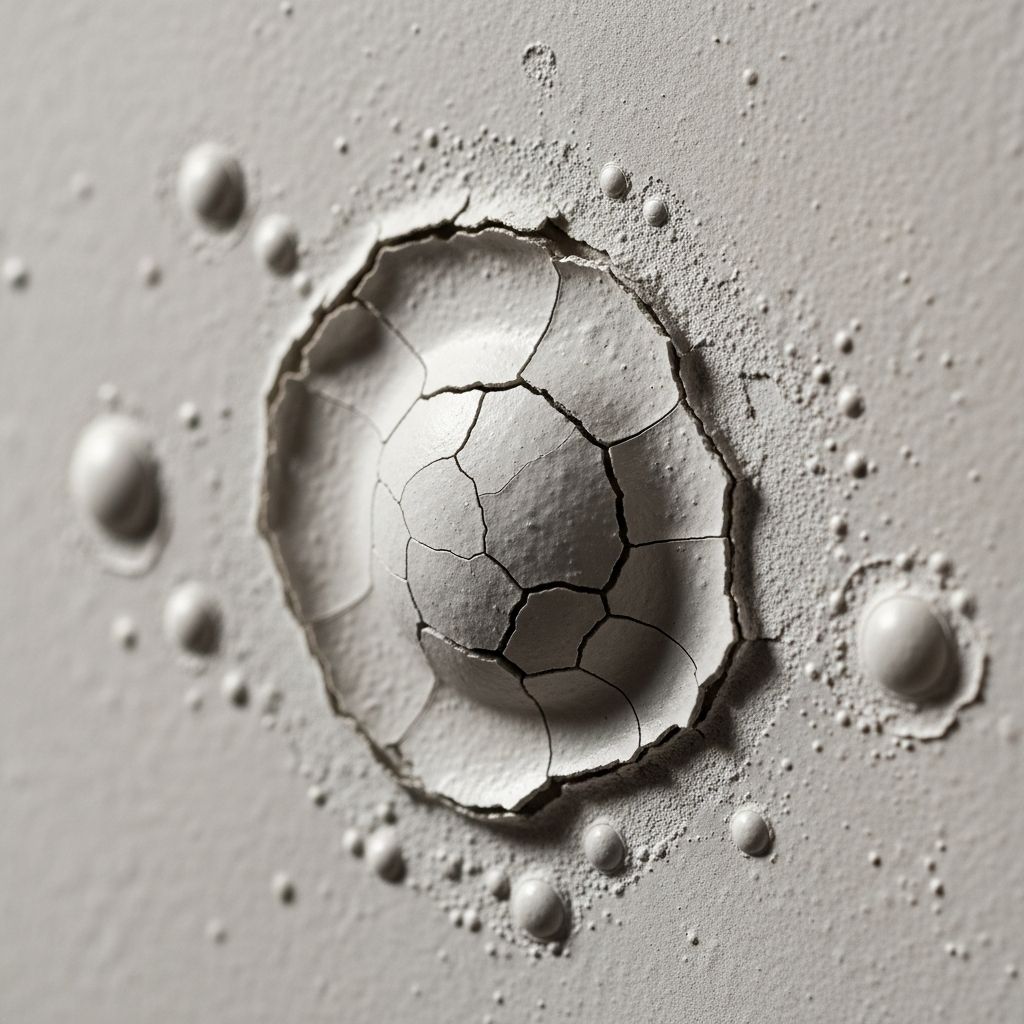
Paint bubbles represent one of the most frustrating challenges homeowners face during and after painting projects. These unsightly blisters not only compromise the aesthetic appeal of your walls but also signal underlying issues that demand immediate attention. Whether you’re dealing with interior walls or exterior surfaces, understanding the mechanics of paint bubbling and implementing proper solutions can save you time, money, and future headaches.
The Science Behind Paint Bubble Formation
Paint bubbling, technically known as blistering, occurs when air or moisture becomes trapped between the paint layer and the underlying surface. As temperatures increase, these trapped pockets expand, creating pressure that pushes the paint outward and forming visible bubbles on your walls. This phenomenon can happen on both newly painted surfaces and older walls, but the underlying causes differ significantly. Understanding these distinctions helps determine the most effective repair strategy.
The mechanics are straightforward but often overlooked during preparation phases. When moisture or air cannot escape naturally during the drying process, it remains confined beneath the paint film. The expanding gas or evaporating moisture creates enough force to separate the paint from its base, resulting in the characteristic bubbled appearance that signals a bonding failure.
Primary Culprits: What Causes Bubbles to Appear
Moisture-Related Issues
Moisture represents the most common cause of paint bubbling across residential properties. This unwanted water can originate from various sources including leaking pipes, failing window seals, condensation buildup, and inadequate surface dryness before painting. Exterior walls face particular vulnerability when rain or morning dew remains on the surface before the paint has fully cured.
In high-moisture environments like bathrooms, kitchens, and laundry rooms, the challenge intensifies. Excess humidity creates conditions where moisture continuously attempts to escape from behind the paint layer. Interior moisture sources often include poor ventilation, active water leaks within walls, and sprinkler systems that direct water toward building foundations.
Temperature and Heat Exposure
Heat significantly influences paint adhesion and bubble formation. Painting in direct sunlight or on excessively hot surfaces increases the risk of blistering. Temperature fluctuations cause materials to expand and contract; if the paint lacks sufficient flexibility, these dimensional changes stress the bond between paint and surface. Environmental extremes—whether excessive heat during application or rapid temperature swings afterward—compromise paint integrity.
Surface Preparation Deficiencies
Inadequate surface preparation remains a frequently overlooked yet critical factor in paint bubbling. Dirt, grease, dust, and other contaminants create barriers preventing direct paint contact with the wall surface. Without proper cleaning, paint adheres to the grime layer rather than the actual substrate, resulting in weak bonds that fail prematurely.
Glossy painted surfaces present particular challenges, as do chalky residues on stucco or weathered exteriors. Old, flaking, or peeling paint prevents new coats from establishing proper adhesion. These unstable surfaces cannot support fresh paint layers, guaranteeing future bubbling and peeling issues.
Application Technique Errors
How paint is applied significantly impacts its performance. Excessive stirring introduces air bubbles directly into the paint mixture, which transfer to walls during application. Over-vigorous stirring creates micro-bubbles that expand as paint dries, creating visible imperfections. Additionally, applying paint too thickly or too quickly prevents proper drying and can trap solvents and moisture within the coating.
Diagnostic Framework: Identifying Your Specific Problem
Not all paint bubbles stem from the same cause, and diagnosis determines your repair approach. Professionals use a systematic evaluation method to pinpoint issues before implementing solutions.
| Bubble Characteristics | Most Likely Cause | Initial Action |
|---|---|---|
| Soft bubbles with damp surface feel | Active moisture behind paint (leaks, wet stucco, condensation) | Identify and stop water source, allow complete drying |
| Bubbles clustered near windows, trim, or openings | Failed caulking, flashing issues, water intrusion | Re-caulk properly, inspect for gaps and water paths |
| Hard bubbles that pop leaving bare spots | Poor adhesion from dust, glossy surface, missing primer | Scrape to stable paint, sand dull, apply bonding primer |
| Widespread blistering shortly after painting | Excessive coating thickness, rapid application, extreme heat | Remove failed paint, re-prime, repaint with proper intervals |
| Bubbles over patched or spackled areas | Unsealed patch compound, moisture in repair area | Seal with primer, feather sand, blend coats |
A critical distinction exists between wet and dry bubbling. Soft, damp bubbles indicate active moisture problems requiring water source elimination before any repainting occurs. Hard, dry bubbles typically signal adhesion failures stemming from poor surface preparation or incompatible paint layers.
Step-by-Step Repair Protocol
Preparation Phase
Begin by thoroughly mapping the bubble pattern to understand scope and severity. Determine whether bubbling affects one wall, specific corners, or entire surfaces. This assessment guides decisions about spot repairs versus comprehensive repainting.
Next, investigate moisture sources systematically. Check for sprinklers directing water toward walls, hose bibs positioned too close to structures, roof edge problems, bathroom and laundry room moisture, and air conditioning drain placement. Identify and address these water paths before attempting repairs, as painted-over moisture problems inevitably fail.
Surface Removal and Preparation
Scrape away all bubbled paint using appropriate tools—careful scraping for drywall, power washing for tough exterior buildup. Sand the exposed area until smooth and feathered into surrounding surfaces, eliminating sharp edges that telegraph repair locations. Remove dust completely with tack cloths, as particles prevent primer adhesion.
For patched areas, ensure all loose compound and debris removal. Feather sand patches to blend seamlessly with surrounding surfaces, creating smooth transitions. This crucial step prevents ridges that fail during or after repainting.
Priming Application
Apply a high-quality bonding or moisture-blocking primer designed specifically for your surface type. Primers serve multiple critical functions: sealing porous areas, blocking stains, enhancing paint adhesion, and preventing future moisture penetration. Specialized primers for patched areas ensure they receive adequate surface preparation.
For areas previously displaying glossy finishes or chalky residue, primer application is non-negotiable. Skipping primer ranks among the most common homeowner mistakes causing repeated bubbling failures.
Repainting Strategy
Apply paint in thin, even coats rather than single thick applications. Thick coats trap solvents and moisture, recreating the bubbling problem. Allow proper drying time between coats as recommended by manufacturer specifications.
Avoid painting during extreme heat, cold, or high humidity conditions. Optimal painting temperatures typically fall between 50-85°F with humidity below 85%. These conditions facilitate proper drying and adhesion.
Moisture-Specific Repair Approach
When moisture drives bubbling, address water sources first and foremost. Repair leaking pipes, seal failing window caulk, improve drainage around foundations, and address condensation through ventilation improvements. Without resolving moisture entry, no paint solution provides lasting results.
In bathrooms and kitchens, install or upgrade exhaust ventilation systems to manage humidity effectively. Consider moisture-resistant paints specifically formulated to withstand high-humidity environments. These specialized coatings offer superior adhesion and resistance to future moisture-related failures.
Heat-Related Repair Method
For heat-caused bubbling, inspect bubble contents to distinguish from moisture damage. Heat-related bubbles typically contain only the newest paint coat when opened. Repair involves scraping and sanding affected areas, then repainting with quality paint when surface temperatures remain below 90°F.
Future prevention requires avoiding application in direct sunlight, maintaining surface temperatures within acceptable ranges, and selecting flexible, high-quality exterior paints that accommodate thermal expansion and contraction.
Common Mistakes Causing Repeated Failures
Homeowners frequently encounter bubbling again after initial repairs, usually due to preventable errors. Painting before surfaces fully dry—even when appearing dry to the eye—traps moisture and guarantees future problems. Skipping primer on glossy paint, patched areas, or chalky surfaces eliminates essential bonding mechanisms.
Using inexpensive caulk around windows and trim results in rapid failure, with water intrusion causing paint bubbling within months. Spot painting without proper feathering creates ridges that fail during subsequent expansion and contraction cycles. Perhaps most critically, ignoring active water sources like sprinklers, outdoor faucets, and drainage problems ensures painted repairs fail repeatedly.
Prevention Strategies for Long-Term Success
Proper surface preparation forms the foundation of bubble prevention. Clean surfaces thoroughly, allowing complete drying before painting. Ensure primer selection matches your specific surface material and conditions. Never paint during temperature extremes or excessive humidity, and maintain building ventilation to manage moisture levels.
Understanding paint bubbling mechanics empowers prevention at the source. Address potential moisture problems proactively through proper grading, drainage systems, gutter maintenance, and caulking integrity. Avoid painting conditions that trap moisture or create adhesion failures.
For exterior work, paint during favorable weather windows when temperatures remain moderate and humidity levels manageable. Select exterior paints with proven flexibility and moisture resistance. For interior applications, especially bathrooms and kitchens, choose moisture-resistant formulations and ensure proper ventilation operation.
Material Selection Considerations
Paint quality significantly influences bubble resistance. Premium paints contain better binders, pigments, and additives that enhance adhesion and flexibility compared to budget options. High-quality primers designed for specific surface types or moisture conditions provide superior protection.
For environments prone to moisture, moisture-barrier primers offer enhanced protection. Flexible exterior paints accommodate temperature variations better than rigid formulations, reducing stress-related bubbling. Investment in quality materials pays dividends through durability and reduced repainting frequency.
When Professional Help Becomes Necessary
Extensive bubbling, patterns suggesting structural water intrusion, or repeated failures after DIY repairs indicate need for professional assessment. Professionals can identify hidden moisture sources, recommend structural repairs, and ensure comprehensive solutions. Roofing leaks, plumbing failures, and foundation drainage issues require specialized expertise beyond painting scope.
Professional painters bring diagnostic experience that quickly identifies whether problems stem from moisture, heat, adhesion, or application technique. This expertise ensures repairs address root causes rather than merely cosmetic symptoms.
References
- Why Is My Paint Bubbling, Cracking, or Peeling? Fixes That Work — Color Touch Painting. 2024. Available at: https://colortouchpainting.com/blog/why-is-my-paint-bubbling-cracking-or-peeling-fixes-that-work/
- Why Is My Paint Bubbling? — Truly Tough Contractors. 2024. Available at: https://www.trulytough.com/blog/how-to-fix-bubbling-paint
- Why Paint Bubbles on Your Wall — Handyman Connection. 2024. Available at: https://handymanconnection.com/calgary/articles/why-the-paint-is-bubbling-on-your-walls/
- How to Fix Paint Blistering & Bubbling — Dunn-Edwards. 2024. Available at: https://www.dunnedwards.com/explore/how-to/paint-problem-solver/blistering/
Similar Articles








Read full bio of Sneha Tete