Paint Thinner Disposal: Safe & Eco-Friendly Methods
Learn responsible ways to handle and dispose of used paint thinner while protecting the environment.
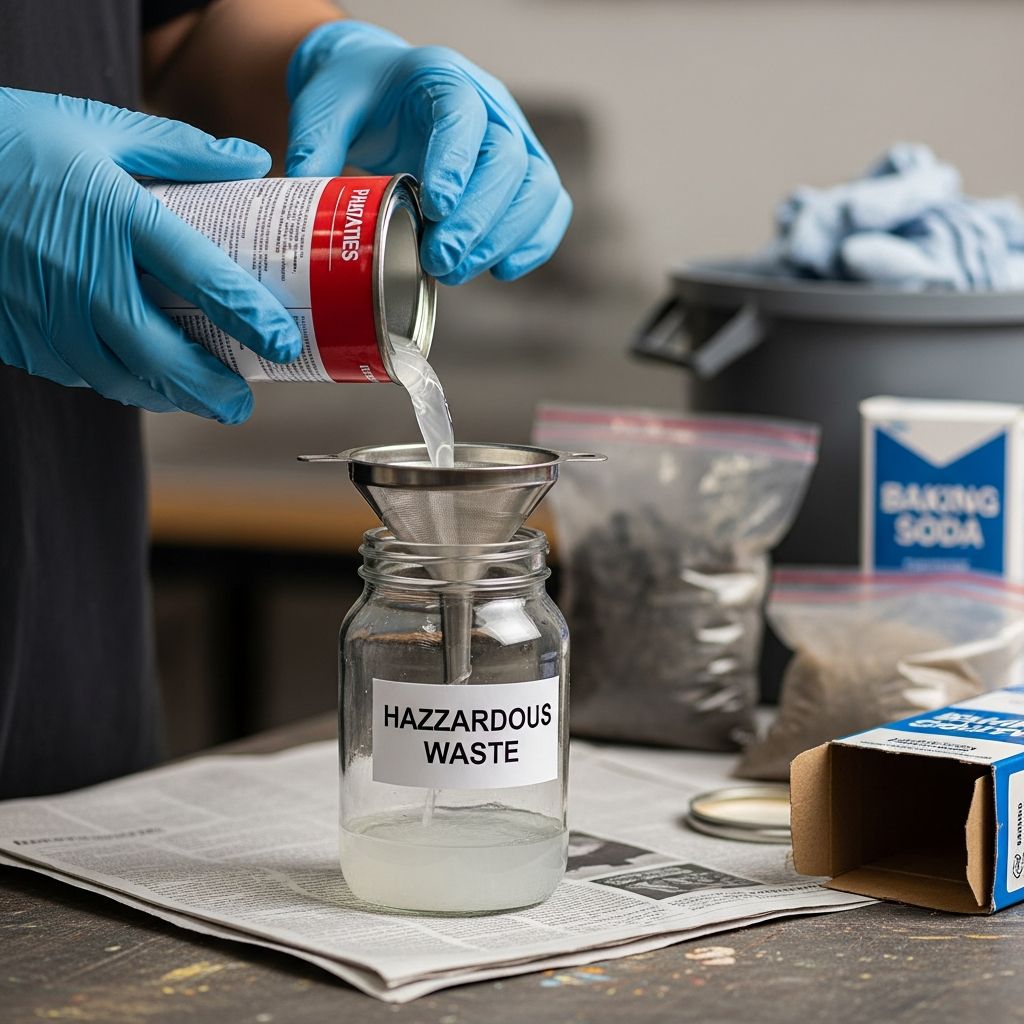
Paint thinner is an essential solvent used by countless DIY enthusiasts and professional painters for cleaning tools, thinning paint, and achieving specific finishes on various surfaces. However, once this chemical product has served its purpose, the question of proper disposal becomes critical. Improper handling of used paint thinner poses significant risks to both environmental ecosystems and human health, making it essential to understand the various disposal methods available to homeowners and contractors.
The challenge with paint thinner disposal lies in its chemical composition. Paint thinner contains volatile organic compounds (VOCs) that can contribute to air pollution when released into the atmosphere, contaminate water sources when poured down drains, and leach into soil and groundwater when placed in landfills. These environmental consequences make it imperative for everyone handling this substance to learn proper disposal techniques.
Environmental Impact of Improper Paint Thinner Disposal
Understanding why proper disposal matters is the first step toward responsible chemical handling. When paint thinner reaches waterways through drain systems or surface runoff, it can harm aquatic life and contaminate drinking water sources. The VOCs released during improper storage or disposal contribute to ground-level ozone formation and air quality degradation. Additionally, when paint thinner ends up in landfills, its chemical composition allows it to leach slowly into the soil, potentially affecting human health through groundwater contamination and ecosystem disruption.
Beyond environmental concerns, many jurisdictions have established legal requirements governing the disposal of hazardous materials like paint thinner. Violating these regulations can result in fines and legal consequences. Therefore, familiarizing yourself with local requirements through your environmental agency or waste management authority is not just environmentally responsible—it’s legally necessary.
Essential Safety Precautions Before Handling Used Paint Thinner
Before attempting any recycling or disposal process, establishing proper safety protocols is paramount. Paint thinner fumes can cause respiratory issues, and skin contact may lead to irritation. Follow these foundational safety measures:
- Always work in well-ventilated areas to minimize inhalation of volatile fumes
- Wear protective equipment including gloves, safety goggles, and a respirator mask appropriate for organic solvent vapors
- Keep paint thinner away from heat sources, open flames, and ignition hazards
- Store containers in clearly labeled, airtight vessels to prevent accidental exposure
- Maintain storage locations away from children and pets
- Never mix paint thinner with other solvents or chemicals, as this can create dangerous reactions
The Settling and Separation Method: Reclaiming Usable Thinner
One of the most practical and cost-effective approaches to managing used paint thinner is the settling method, which allows you to reclaim clear solvent for future use. This simple process requires patience and minimal equipment.
Step One: Initial Collection and Settling
After using paint thinner to clean brushes or tools, pour the used liquid into a clear glass container with a tight-fitting lid. Allow this container to sit undisturbed for at least 24 hours, though longer periods of one week or more yield better results. During this settling period, paint particles, dust, and other solid materials gradually descend to the bottom of the container, forming a distinct layer of sludge.
Step Two: Careful Separation of Clear Liquid
Once the settling period is complete, you’ll observe a clear layer of thinner above the sludge accumulation. Carefully decant this clear liquid into a fresh, labeled container, taking care not to disturb the settled materials at the bottom. This recovered thinner can be used again for cleaning brushes and thinning paint, effectively extending the product’s useful life.
Step Three: Proper Storage of Reclaimed Thinner
Store the recovered paint thinner in a tightly sealed container away from direct sunlight and heat sources. Proper labeling with the contents and date of recycling helps track the thinner’s age and usability. A cool, dry location kept away from children and pets ensures safety and maintains the solvent’s effectiveness.
Advanced Recycling: Commercial Paint Thinner Reclaimers
For those seeking more efficient recycling solutions, commercial paint thinner reclaimers offer an upgraded approach. These devices utilize advanced filtration systems to remove impurities and contaminants from used thinner more thoroughly than the settling method alone. While requiring an initial investment, reclaimers can be particularly valuable for professionals or frequent painters who generate substantial quantities of used thinner.
Alternative Applications for Used Paint Thinner Before Final Disposal
Maximizing the utility of paint thinner before disposal reduces waste and extends product value. Several secondary applications exist for used thinner:
- Degreasing tools and mechanical parts requiring solvent cleaning
- Removing stubborn adhesive residue from surfaces
- Thinning oil-based wood stains and finishes
- Cleaning concrete spills and surface residue
- Stripping old paint or varnish from furniture restoration projects
- Creating vintage or distressed finishes through specialized techniques
By identifying these alternative uses, you can responsibly utilize the full potential of your paint thinner before pursuing final disposal options.
Managing Paint Sludge: The Hazardous Waste Challenge
The sludge remaining after thinner separation represents a genuine hazardous waste product requiring appropriate disposal methods. This material cannot be discarded casually and demands careful handling according to local regulations.
Using Absorbent Materials for Sludge Management
A practical interim solution involves mixing the paint sludge with absorbent materials. Clay cat litter without additives or oil-absorbent clay from automotive supply stores can effectively absorb residual liquids within the sludge. After allowing adequate absorption time and outdoor drying, the resulting dry material may be disposed of according to local household trash guidelines, though verification with local authorities is essential.
Locating Hazardous Waste Disposal Facilities
Most communities maintain hazardous waste disposal facilities specifically equipped to handle paint-related materials. Contacting your local waste management authority or environmental agency provides information about nearby facilities, their operating hours, and specific requirements for drop-off procedures. These facilities possess the infrastructure and expertise to safely process paint sludge without environmental risk.
Paint Manufacturer Take-Back Programs
Numerous paint manufacturers and retailers operate take-back programs accepting leftover paint and related materials, including paint sludge. These programs represent a manufacturer responsibility initiative, acknowledging that producers should facilitate safe end-of-life product management. Contacting local paint retailers or checking manufacturer websites reveals available take-back options in your area.
Critical Mistakes to Avoid During Paint Thinner Recycling
Even with good intentions, certain common errors can compromise the effectiveness and safety of paint thinner disposal:
| Mistake | Consequence | Prevention Strategy |
|---|---|---|
| Mixing different solvent types | Chemical reactions, unusable product, safety hazards | Keep solvents separated; label containers clearly |
| Using contaminated or unsuitable containers | Product degradation, cross-contamination, health risks | Select clean glass or approved plastic containers |
| Inadequate container labeling | Accidental misuse, safety lapses, regulatory violations | Label with contents, date, and hazard warnings |
| Storing recycled thinner indefinitely | Product separation, contamination, reduced effectiveness | Use recycled thinner within reasonable timeframes |
| Disturbing settled sludge during separation | Recontaminated thinner, ineffective recycling | Pour carefully from one side, avoid tilting containers |
| Draining thinner into inappropriate locations | Environmental contamination, legal violations | Use proper facilities exclusively; never drain to soil or water |
Legal Framework and Regulatory Compliance
Paint thinner disposal regulations vary significantly by geographic location, reflecting different environmental priorities and infrastructure capabilities. Some jurisdictions maintain stringent guidelines for solvent handling, while others offer more flexible approaches. Regardless of location, U.S. Environmental Protection Agency (EPA) standards establish federal baseline requirements designed to protect both environmental and public health through regulated hazardous material handling.
Checking with your local environmental agency or waste management department ensures compliance with specific regional requirements. Many municipalities provide online resources detailing approved disposal methods, facility locations, and any applicable fees. Taking time to research these requirements demonstrates environmental stewardship and protects you from potential legal consequences.
Frequently Asked Questions About Paint Thinner Disposal
Can I pour paint thinner down the drain?
No. Paint thinner should never be poured down drains, into street gutters, or onto ground surfaces. This practice contaminates water supplies, harms aquatic ecosystems, and typically violates environmental regulations.
How long does paint sludge take to settle?
Minimum settling time is 24 hours, though one week or longer produces superior separation results. For large quantities, settling may require several months.
What container types work best for settling paint thinner?
Clear glass jars with tight-fitting lids allow you to monitor settling progress while preventing fume escape. Avoid containers that previously held incompatible chemicals or food products.
Is recycled paint thinner as effective as new product?
Properly recovered thinner maintains its cleaning and thinning properties for multiple uses, though effectiveness gradually diminishes as contamination accumulates over extended reuse periods.
What alternatives exist if my area lacks hazardous waste facilities?
Contact your waste management department or environmental agency for location-specific guidance. Many areas offer mail-back programs or scheduled collection events for hazardous household materials.
Conclusion: Building Sustainable Disposal Habits
Responsible paint thinner disposal represents a meaningful contribution to environmental protection and public health. By implementing proper settling and separation techniques, exploring alternative uses, and utilizing appropriate disposal facilities, you transform a potentially problematic waste stream into a manageable, compliant process. Start by researching your local requirements, invest in proper storage containers, and commit to these practices consistently. Whether you’re an occasional DIY painter or a frequent user of solvents, establishing these habits ensures that your home improvement projects don’t inadvertently harm the broader environment. The effort invested in proper disposal pays dividends through reduced environmental impact and peace of mind regarding regulatory compliance.
References
- Recycling Paint Thinner: A Comprehensive Guide — This Old House. 2024. https://www.thisoldhouse.com/painting/recycling-paint-thinner
- Household Hazardous Waste: Solvent Disposal — New York State Department of Environmental Conservation. https://extapps.dec.ny.gov/docs/materials_minerals_pdf/solvent.pdf
- How To Store and Dispose Paints and Solvents — YouTube. https://www.youtube.com/watch?v=iwZwQBLXc_o
Similar Articles




Read full bio of Sneha Tete