Reviving 1970s Paneling: Complete Painting Guide
Transform dated 1970s wood paneling into modern walls with expert painting techniques and preparation tips for lasting results.
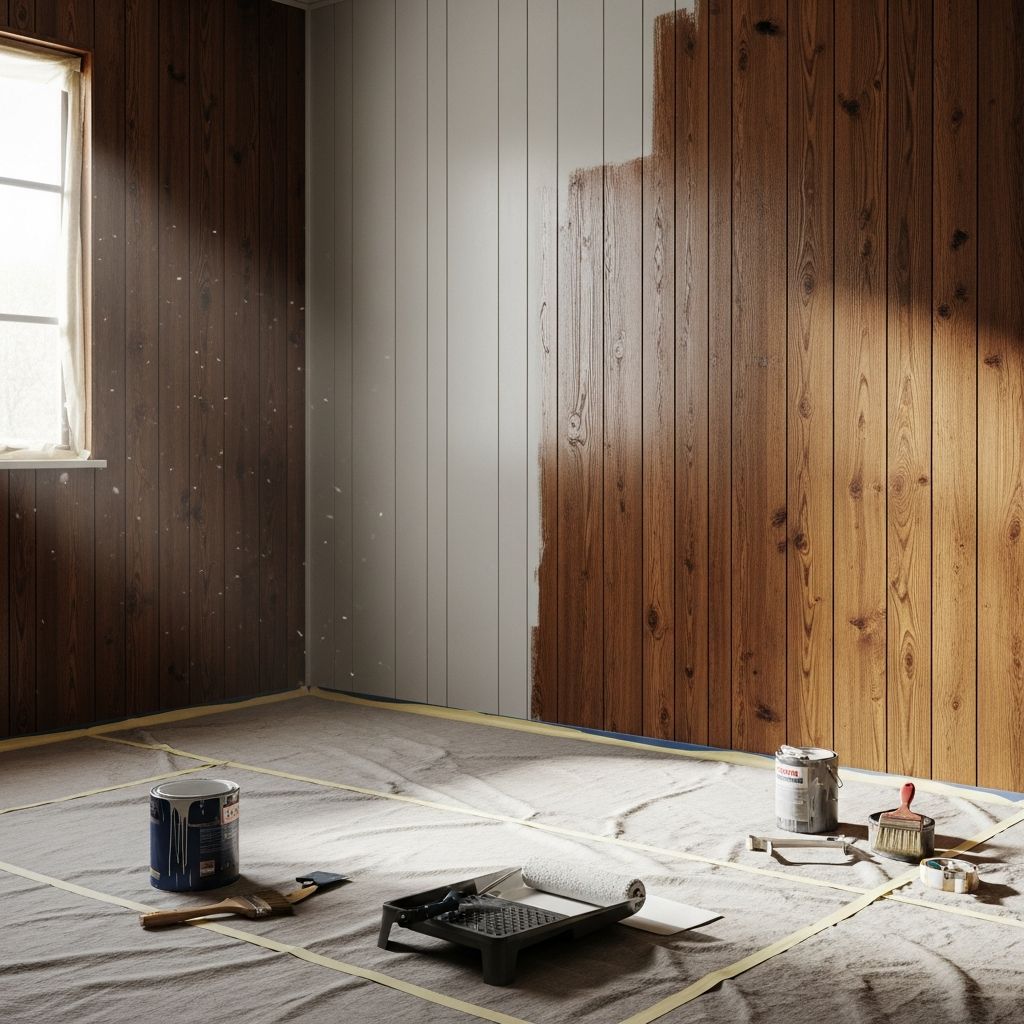
Outdated wood paneling from the 1970s often evokes images of dark, groovy interiors that no longer suit modern tastes. Fortunately, painting provides an effective, budget-friendly way to refresh these surfaces without demolition. This guide outlines essential preparation, materials, and application methods to ensure adhesion and a flawless finish.
Understanding 1970s Paneling Types
Paneling from this era typically falls into two categories: genuine wood veneer or simulated wood made from plywood or hardboard with a printed grain finish. Real wood versions feature thin veneers over a substrate, prone to tannin bleed-through if not properly sealed. Faux panels mimic the look but have a glossy laminate that repels paint without deglossing.
- Wood Veneer: Absorbs moisture and releases stains; requires robust priming.
- Faux Laminate: Slick surface demands sanding for grip.
- Common Issues: Yellowing varnish, dirt buildup, and grooves that trap residue.
Identifying your panel type guides prep intensity. Test by scratching a small area: real wood scratches to reveal substrate, while faux shows uniform material underneath.
Essential Tools and Materials
Gathering the right supplies prevents mid-project halts and ensures quality outcomes. Focus on durable, compatible products designed for high-tannin surfaces.
| Category | Recommended Items | Purpose |
|---|---|---|
| Cleaning | TSP substitute, sponges, buckets | Removes grease and grime |
| Sanding | 100-220 grit sanding blocks or poles | Dulls gloss and creates tooth |
| Filling | Spackling compound, lightweight joint compound, caulk | Repairs holes and optional groove filling |
| Priming | Stain-blocking primer (oil-based or shellac), bonding primer | Seals tannins and promotes adhesion |
| Painting | Semi-gloss or eggshell latex paint, 2-inch angled brush, 3/8-inch nap roller | Delivers smooth, washable finish |
| Protection | Drop cloths, painter’s tape, gloves | Shields floors and trim |
Opt for primers like oil-based formulas for heavy bleed risk, as they outperform water-based on dark woods.
Step-by-Step Surface Preparation
Proper prep accounts for 80% of success. Skipping steps leads to peeling or discoloration.
Clear the Room: Remove furniture, hangings, and outlet covers. Cover floors and fixtures with drop cloths and tape.
Clean Thoroughly: Mix TSP or heavy-duty cleaner with water. Scrub grooves and flats using a sponge or brush, focusing on kitchen or smoking history areas. Rinse twice and dry completely—moisture traps paint failure.
Dull the Sheen: Sand entire surface with 100-160 grit in circular motions, like washing walls. This takes 10-20 minutes per wall. Vacuum or tack-cloth dust away; residue causes fisheyes.
Repair Imperfections: Fill dents, seams, and gaps with spackle or caulk. For smooth walls, apply compound to grooves in thin layers, feathering edges. Sand smooth once dry (24 hours).
Pro Tip: For textured retention, skip groove filling to preserve character, enhancing room depth.
Mastering the Priming Process
Priming blocks the notorious yellowing from wood oils. Apply two coats minimum.
- Cut in Grooves: Use a stiff 2-inch brush to force primer into recesses, preventing shadows.
- Roll Flats: Apply thin, even coats with a smooth roller. Avoid overloading to prevent drips.
- Check Coverage: After 4-6 hours, inspect for bleed. Spot-prime stains; switch to shellac-based for persistence.
- Drying Time: Overnight between coats ensures full cure.
Waterborne alkyd primers offer low odor and quick dry while sealing effectively. Test a small patch if unsure.
Applying the Top Coats
With priming solid, topcoats build color and protection. Latex paints in satin or semi-gloss resist wear.
- Stir and Cut In: Brush edges, ceilings, and grooves first.
- Roll Evenly: Use W or M patterns for uniform coverage. Two coats suffice; three for dark-to-light shifts.
- Dry Between: 2-4 hours recoat; full cure in 7 days.
Stiff brushes excel in grooves, rollers on flats for speed. Light colors like soft whites brighten spaces dramatically.
Design Choices: Textured vs. Smooth Finishes
Decide aesthetics early. Retaining grooves adds subtle pattern, ideal for casual rooms. Smoothing creates seamless drywall illusion, suiting formal areas.
- Textured Pros: Faster, hides flaws, vintage charm.
- Smooth Pros: Modern flatness, easier cleaning.
- Hybrid: Fill major grooves, leave minor for balance.
Whatever choice, consistent priming unifies appearance.
Troubleshooting Common Problems
| Issue | Cause | Solution |
|---|---|---|
| Tannin Bleed | Inadequate priming | Extra shellac coat; sand and reprimer |
| Peeling Paint | Poor adhesion | Resand gloss; use bonding primer |
| Visible Grooves | Thin filler | Multiple compound layers; sand progressively |
| Uneven Sheen | Roller marks | Thin coats; high-quality roller cover |
Prevention beats cure: always test products on scraps.
Before and After Transformations
Homeowners report life-changing updates. Dark basements become airy retreats; kitchens gain sophistication. Pair painted panels with updated lighting and accents for cohesion. Budget: $0.50-$1 per sq ft, far below removal costs.
Frequently Asked Questions
What primer works best for stubborn stains?
Oil-based or shellac primers like Kilz Original block tannins effectively. Apply thin coats to avoid runs.
Can I paint without sanding?
No—sanding is crucial for adhesion on glossy surfaces. A light scuff suffices for most panels.
How many paint coats are needed?
Two primer plus two topcoats standard. Dark panels to whites may need three topcoats.
Is semi-gloss ideal for paneling?
Yes, for durability in high-traffic areas. Eggshell suits low-use spaces.
Does filling grooves make walls perfectly smooth?
Near-perfect with patience: multiple thin layers and sanding yield drywall-like results.
Maintenance for Long-Lasting Results
Wash with mild soap; avoid abrasives. Touch up scuffs promptly. Expect 10+ years from quality applications.
References
- How to Paint Wood Paneling Successfully – In My Own Style — In My Own Style. 2016-01-20. https://inmyownstyle.com/how-to-paint-wood-paneling-from-the-1970s.html
- How to Paint Wood Paneling Like a Pro | Benjamin Moore — Benjamin Moore. 2023-05-15. https://www.benjaminmoore.com/en-us/interior-exterior-paints-stains/how-to-advice/interiors/how-to-paint-paneling
- How Painting Wood Paneling Will Change Your Life — The Decorologist. 2018-03-12. https://thedecorologist.com/paint-the-paneling-change-your-life/
Similar Articles








Read full bio of medha deb