Transform Your Bamboo Blinds with Paint
Revitalize sun-faded bamboo blinds with expert painting techniques
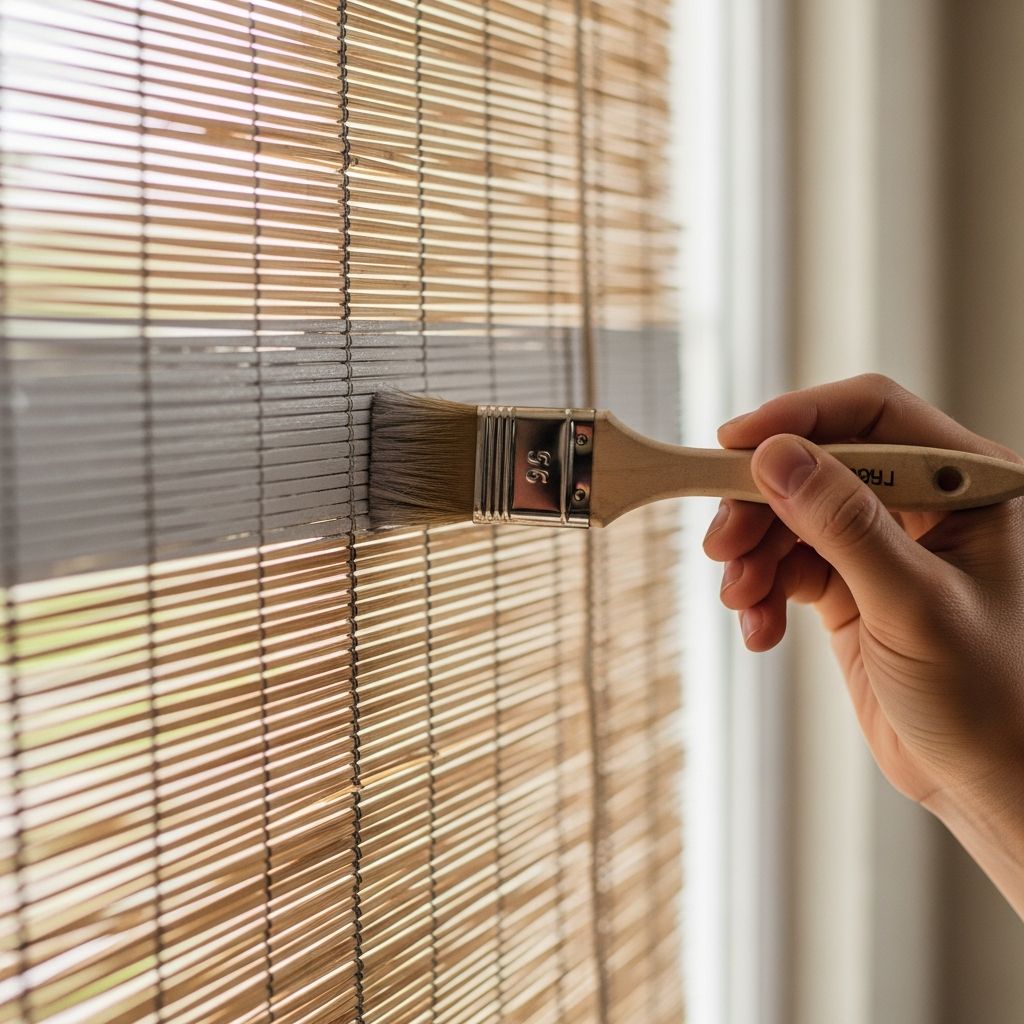
Bamboo window blinds add natural warmth and texture to any room, but over time, sun exposure, dust accumulation, and general wear can diminish their appeal. Rather than investing in costly replacements, many homeowners discover that painting bamboo blinds offers an affordable and creative solution to breathe new life into tired window treatments. Whether your bamboo blinds have faded from prolonged sunlight or simply no longer match your updated décor, a fresh coat of paint can transform them into stylish focal points that complement your interior design.
Why Painting Bamboo Blinds Makes Practical and Financial Sense
Quality window blinds represent a significant investment in home furnishings. Completely replacing a set of bamboo blinds can cost hundreds of dollars, particularly for large windows or custom sizes. Painting offers a fraction of that expense while delivering dramatic visual improvements. Beyond cost savings, repainting extends the functional life of your blinds, reducing waste and environmental impact. Additionally, this DIY project requires minimal specialized tools or expertise, making it accessible to homeowners of varying skill levels.
The transformation potential is remarkable. A single afternoon of work can update an entire room’s aesthetic, allowing you to experiment with color schemes without permanent commitment. Should you desire a different look in the future, bamboo blinds can be repainted multiple times as trends or preferences change.
Preparing Your Workspace and Gathering Essential Materials
Success begins with proper preparation. Before opening any paint containers, establish a clean, well-organized workspace where you can work undisturbed for several hours.
Selecting Your Painting Location
Choose an area with excellent ventilation, whether outdoors or near open windows and doors. Natural light helps you monitor paint application and drying progress. Outdoor spaces are ideal for spray painting, while indoor areas with good air circulation work for brush application. Lay down protective coverings—drop cloths, plastic sheeting, or newspapers—to catch drips and spills that might otherwise damage floors or surrounding furniture.
Assembling Your Supply List
Gather these materials before beginning your project:
- Mild dish soap and warm water for initial cleaning
- Soft cloths, sponges, or soft-bristled brushes for washing
- Fine-grit sandpaper (220-grit recommended) for surface preparation
- Painter’s tape to mask areas you wish to protect
- Drop cloths or plastic sheeting for workspace protection
- Primer suitable for wood or natural materials
- Paint appropriate for your chosen application method
- Clear sealer or topcoat for protection and durability
- Safety equipment including gloves, eye protection, and a dust mask
- Paintbrushes (soft-bristled for precision) or spray paint can with nozzle
The Critical Foundation: Cleaning and Surface Preparation
This phase determines whether your painting project succeeds or fails. Skipping or rushing through preparation commonly results in poor paint adhesion, peeling, and disappointing longevity.
Thorough Cleaning Process
Begin by removing your bamboo blinds from the window. Take down the entire unit and place it on your prepared work surface. Using a damp cloth and mild soap solution, wipe each individual slat methodically, removing accumulated dust, dirt, pollen, and any sticky residue. Pay special attention to crevices and undersides where debris accumulates. Rinse with clean water and allow complete drying—place blinds in direct sunlight to accelerate this process.
Strategic Disassembly
For optimal results, partially disassemble your blinds by carefully removing the cords or strings that hold individual slats together. Gently slide each slat free, working slowly to avoid damage. This optional step, while time-consuming, dramatically improves paint coverage and quality. Individual slats are easier to paint thoroughly on all surfaces, ensuring uniform color and complete coverage on edges and sides.
Surface Roughening for Adhesion
Bamboo blinds often feature a smooth, polished surface or existing finish. Paint adheres poorly to slick surfaces. Using 220-grit sandpaper, lightly roughen the surface of each slat with gentle, even strokes. This creates microscopic texture that allows primer and paint to grip the material effectively. Work in the direction of the bamboo grain when possible. Wipe away all dust with a damp cloth and allow complete drying.
Priming: The Essential Undercoat
Even experienced painters recognize that primer is non-negotiable when painting bamboo. This layer bridges the gap between your blinds’ natural surface and the topcoat, ensuring superior adhesion and more vibrant color.
Selecting and Applying Primer
Choose a primer formulated for wood or natural materials. Apply a thin, even coat to all slat surfaces using either a brush or spray application. If using a brush, work methodically across each slat, maintaining consistent pressure. For spray application, hold the can 8-10 inches from the surface, using sweeping motions and light pressure. Allow the primer to dry completely (typically 2-4 hours, depending on product specifications). Flip each slat and prime the reverse side with identical technique.
Paint Application Methods: Choosing Your Technique
Two primary methods work effectively for painting bamboo blinds: brush application and spray painting. Each offers distinct advantages depending on your preferences, available equipment, and desired finish.
Brush Application for Precision Control
Brush painting provides maximum control and works well for creating detailed effects or patterns. Use soft-bristled, high-quality brushes to prevent streaking. Apply paint in thin, even coats, allowing each to dry before adding subsequent layers. This method suits those who want to work slowly and methodically or add decorative touches.
Spray Painting for Smooth, Professional Finishes
Spray paint delivers rapid, uniform coverage and creates exceptionally smooth finishes without brush marks. This method works best for large quantities of slats and produces results quickly. Maintain proper distance and use light, consistent pressure to avoid drips. Always wear appropriate respiratory protection when spray painting.
Paint Selection and Color Strategies
Select paint specifically formulated for adhesion to wood or plastic surfaces. Consider whether you want solid color coverage or decorative techniques like sponge painting or stenciling. Some homeowners choose alternating slat colors for striped effects or complementary hues for sophisticated gradations.
Advanced Decorative Techniques for Creative Results
Beyond solid color coverage, several decorative approaches can elevate your bamboo blinds into true design statements.
Sponge Painting for Textured Interest
Select two or three paint colors in harmonious hues. Pour each onto separate paper plates. Dampen natural sea sponges (wearing rubber gloves) with each color individually, dabbing excess paint on newspaper first. Lightly blot sponges against dried base coat paint, creating random, organic patterns. This technique adds depth and visual interest while minimizing appearance of imperfections.
Striped and Ombré Patterns
Paint alternating slats different colors for bold striped effects, or create ombré transitions by gradually shifting paint hues across adjacent slats. Use painter’s tape to maintain crisp lines between colors. These techniques transform simple blinds into striking architectural elements.
Reassembly and Final Preparation
Once paint and primer have dried completely (wait at least 24 hours), carefully rethread cords through individual slats, working methodically and gently to avoid damaging wet paint. Secure the bottom rail, replace plugs, and prepare to rehang your refreshed blinds.
Protective Sealing for Extended Longevity
A clear topcoat dramatically extends your paint job’s lifespan by protecting against dust accumulation, UV damage, and minor scratches. For spray-painted blinds, apply a clear acrylic spray topcoat in thin layers. For brush-painted blinds, use polycrylic or polyurethane sealer applied with soft brushes. Choose matte or glossy finishes based on your desired aesthetic. Allow 24 hours of curing time before using blinds.
Post-Painting Care and Maintenance
Protect your investment through proper maintenance. Wait several days before cleaning newly painted blinds, then dust gently with dry cloths only. Avoid excessive moisture exposure initially. When cleaning becomes necessary, use minimal water and soft materials.
Frequently Asked Questions
How long does the entire painting process take?
From preparation through final sealing, plan 3-5 days accounting for drying times between coats. Active work time typically requires 4-6 hours spread across multiple sessions.
Can I paint blinds without removing them from the window?
While possible, removing blinds ensures superior results. On-window painting risks damage to walls, windows, and surrounding surfaces.
What paint finishes work best?
Satin and semi-gloss finishes provide durability and slight sheen. Flat finishes hide imperfections but show dust more readily.
How often can blinds be repainted?
Properly maintained blinds can be repainted every 3-5 years or whenever desired aesthetic changes warrant it.
References
- DIY Guide to Painting Mini and Venetian Window Blinds — Blinds Chalet. Accessed 2026. https://www.blindschalet.com/kba-paint-blinds-123.html
- Can You Paint Window Blinds? Here’s the Easy Fix — Gallery Shutters Inc. Accessed 2026. https://galleryshuttersinc.com/can-you-paint-window-blinds/
- How to Spray Paint Window Blinds — The Handyman’s Daughter. Accessed 2026. https://www.thehandymansdaughter.com/give-sun-damaged-blinds-new-life-with-spray-paint/
Similar Articles







Read full bio of medha deb