Painting Concrete Floors: Complete DIY Guide
Transform your dull concrete floors into durable, attractive surfaces with this expert step-by-step guide to preparation, painting, and maintenance techniques.
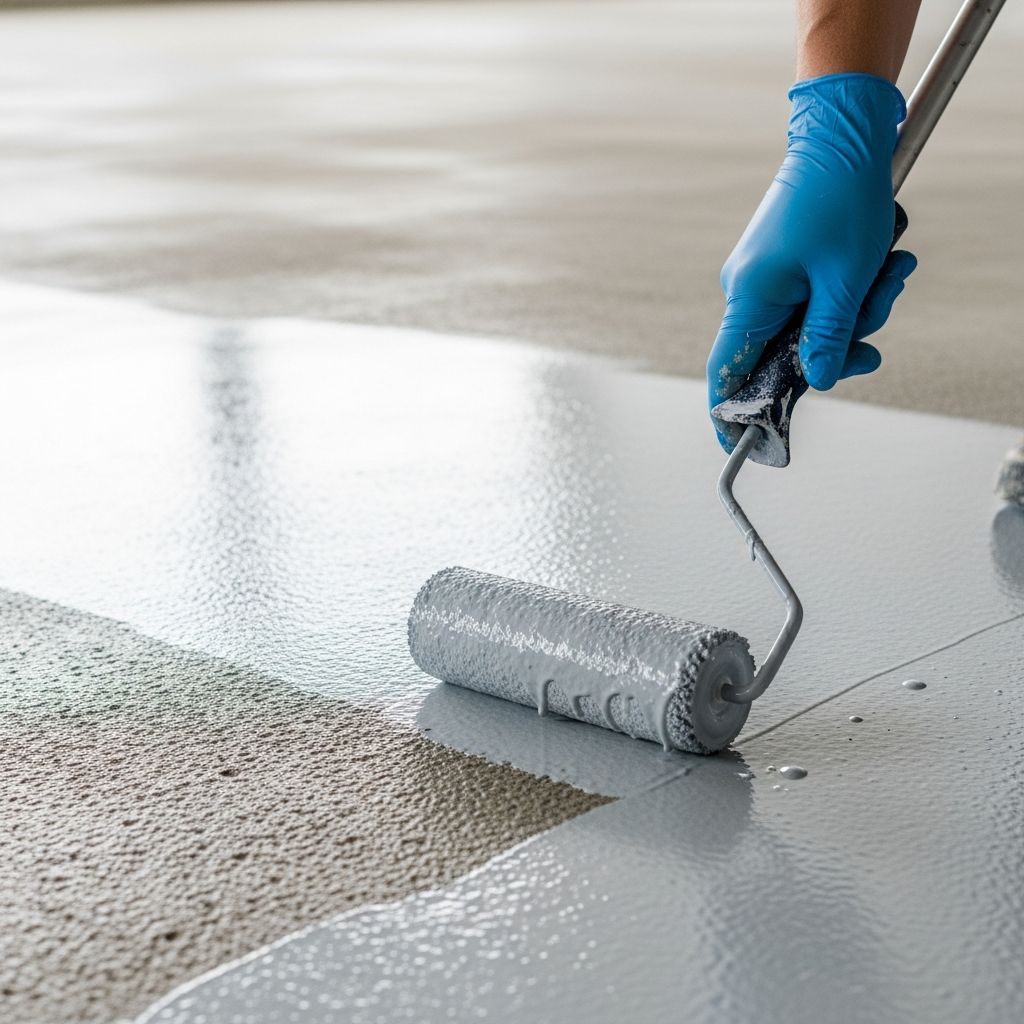
Concrete floors offer a sturdy base for homes, garages, basements, and outdoor spaces, but they often look drab and can stain easily. Painting them revitalizes the appearance while adding protection against wear, moisture, and chemicals. This guide provides a thorough process using proven methods to ensure adhesion and durability, drawing from professional recommendations for optimal results.
Why Paint Your Concrete Floor?
Applying paint or coatings to concrete floors enhances aesthetics, seals pores against moisture, and resists stains from oil, tire marks, or spills. In high-traffic areas like garages, it prevents dusting and cracking. Epoxy and polyurethane options create glossy, easy-to-clean surfaces that withstand heavy use. Proper painting extends floor life, potentially saving thousands on replacements.
Essential Tools and Materials
Gather these items before starting to streamline the project:
- Degreaser or concrete cleaner
- Pressure washer or stiff brush
- Muriatic acid or etching solution (diluted)
- Concrete primer (masonry bonding or moisture barrier type)
- Concrete floor paint (epoxy, polyurethane, or acrylic latex)
- Optional topcoat (urethane or polyaspartic sealer)
- 9-inch roller with extension pole and 3/8-inch nap cover
- Paintbrushes (2-3 inch angled)
- Wet/dry shop vacuum
- Painter’s tape and plastic sheeting
- Plastic wrap for moisture test
- Protective gear: gloves, goggles, respirator, knee pads
Choose products labeled for concrete, prioritizing those suited for interior, exterior, or garage use based on location.
Assessing Your Concrete Surface
Evaluate the floor’s condition first. New concrete needs 28 days to cure fully before painting. Test for moisture by taping a 1×1 foot plastic sheet down for 24 hours; condensation underneath indicates high humidity requiring a vapor barrier primer. Check for cracks wider than 1/8 inch—fill with concrete crack filler and sand smooth after curing. Previously painted floors may skip etching if paint is intact, but remove flaking areas with a scraper or grinder.
Thorough Cleaning Process
Cleaning removes contaminants that prevent paint adhesion. Start by sweeping or vacuuming loose debris. Apply a degreaser to oil spots, letting it sit before scrubbing with a stiff brush. For deep cleans, use a pressure washer at 2000-3000 PSI, keeping the nozzle 12 inches away to avoid damage. Rinse thoroughly and allow 24-48 hours drying time. Ensure no residue remains, as it causes bubbling or peeling.
| Cleaning Method | Best For | Tips |
|---|---|---|
| Broom/Vacuum | Surface dust | Quick first pass |
| Degreaser + Brush | Oil/grease | Let dwell 10-15 min |
| Pressure Washer | Stubborn grime | Rinse multiple times |
Etching for Better Adhesion
Etching profiles the surface, creating a sandpaper-like texture (#1-#2 grit) for paint to grip. Mix muriatic acid 1:3 with water (1 gallon per 100 sq ft). Wear full PPE, apply with a watering can, and scrub with a bristle brush until fizzing stops (5-10 min). Rinse repeatedly until pH-neutral (test with litmus paper), then vacuum powder residue. Dry fully, typically 24 hours. Mechanical grinders offer a safer alternative for enclosed spaces.
Priming: The Key to Longevity
Primer seals the concrete, blocks moisture, and boosts topcoat adhesion. Select water-based for interiors or solvent-based for exteriors. Apply with a roller in thin, even coats after surface dries completely. Coverage: 200-400 sq ft per gallon. For damp slabs, use a moisture-vapor barrier product. Allow 4-24 hours drying based on product specs and humidity. Skip if using all-in-one paint/primer formulas, but test adhesion first.
Choosing the Ideal Paint Type
Select based on use:
- Epoxy: Ultra-durable for garages; chemical/abrasion resistant. Mix resin and hardener precisely.
- Polyurethane: Flexible, UV-stable for indoors/outdoors; easy cleanup.
- Acrylic Latex: Budget-friendly for low-traffic basements; quick dry.
Aim for products with anti-slip additives if needed. Calculate needs: 1 gallon covers ~250 sq ft per coat.
Mastering the Painting Technique
Work in 10×10 ft sections on warm days (50-90°F). Stir paint thoroughly. Cut in edges/corners with a brush. Roll in a W or M pattern, maintaining a wet edge to avoid lap marks. Apply thin coats—two to three total, drying 12-24 hours between. Use extension poles for efficiency. Avoid overworking wet paint to prevent bubbles.
- Tape off walls/baseboards.
- Prime if needed.
- First coat: thin, even coverage.
- Dry fully; lightly sand glossy spots (220-grit).
- Second coat for depth/protection.
Applying a Protective Topcoat
For extra durability, add a clear urethane or polyaspartic sealer after final paint cures (24-72 hours). Roll on thinly; it enhances gloss, UV/chemical resistance, and simplifies cleaning. Ideal for garages or patios. Full cure takes 3-7 days—avoid traffic during this period.
Curing and Maintenance Tips
Foot traffic after 24 hours; vehicles after 72. Clean with mild soap; avoid harsh acids. Reapply topcoat every 2-5 years in high-use areas. Inspect for chips annually and touch up promptly. Proper curing prevents white chalking or peeling.
Common Mistakes to Avoid
- Skipping moisture/etch tests: Leads to failure.
- Rushing drying times: Causes adhesion issues.
- Thick coats: Results in drips, uneven finish.
- Poor ventilation: Slows drying, health risks.
- Wrong products: Mismatched paint/primer delaminates.
Safety Precautions Throughout
Ventilate well; use respirators for fumes. Neutralize acids properly to avoid burns. Secure workspace to prevent slips. Dispose of waste per local regs—don’t pour down drains.
Creative Design Ideas
Beyond solids, stencil patterns, faux wood grains, or flakes for custom looks. Use contrasting colors for sections or borders. Tools like graining rockers add texture affordably.
Frequently Asked Questions (FAQs)
Can I paint over old paint?
Yes, if adherent. Scrape loose areas, clean, and etch lightly. Test adhesion with tape after priming.
How long does painted concrete last?
5-10 years with epoxy/polyurethane; longer with topcoats in moderate use.
Is etching always necessary?
For bare, smooth concrete yes; textured or previously etched may skip.
What’s best for outdoor patios?
UV-resistant acrylic or polyurethane with sealer.
How to fix bubbles or peeling?
Scrape, sand, clean, and repaint affected areas after identifying cause (moisture/dirt).
References
- Best Practices for Concrete Floor Painting: Step-by-Step Guide — Everlast Concrete Floor Coatings. 2023. https://everlastconcretefloor.com/blog/concrete-floor-painting-step-by-step-guide/
- How to Paint a Concrete Floor Like a Pro Using Cement Floor Paint — ArmorPoxy. 2024. https://armorpoxy.com/blog/diy-guide-how-to-paint-a-concrete-floor-like-a-pro-using-cement-floor-paint/
- How to Paint Your Garage Floor — True Value Hardware. 2023. https://www.truevalue.com/diy-projects/paint-and-stain/paint-your-garage-floor/
- How to Paint Concrete Flooring — Moving.com. 2024. https://www.moving.com/tips/how-to-paint-concrete-flooring/
- How to Paint Concrete — Sherwin-Williams. 2025. https://www.sherwin-williams.com/en-us/project-center/paint/how-to-paint-concrete
Similar Articles



Read full bio of Sneha Tete