Painting Metal Railings Guide
Transform your metal railings with expert techniques for lasting protection and stunning results indoors or outdoors.
Painting Metal Railings: A Complete DIY Guide
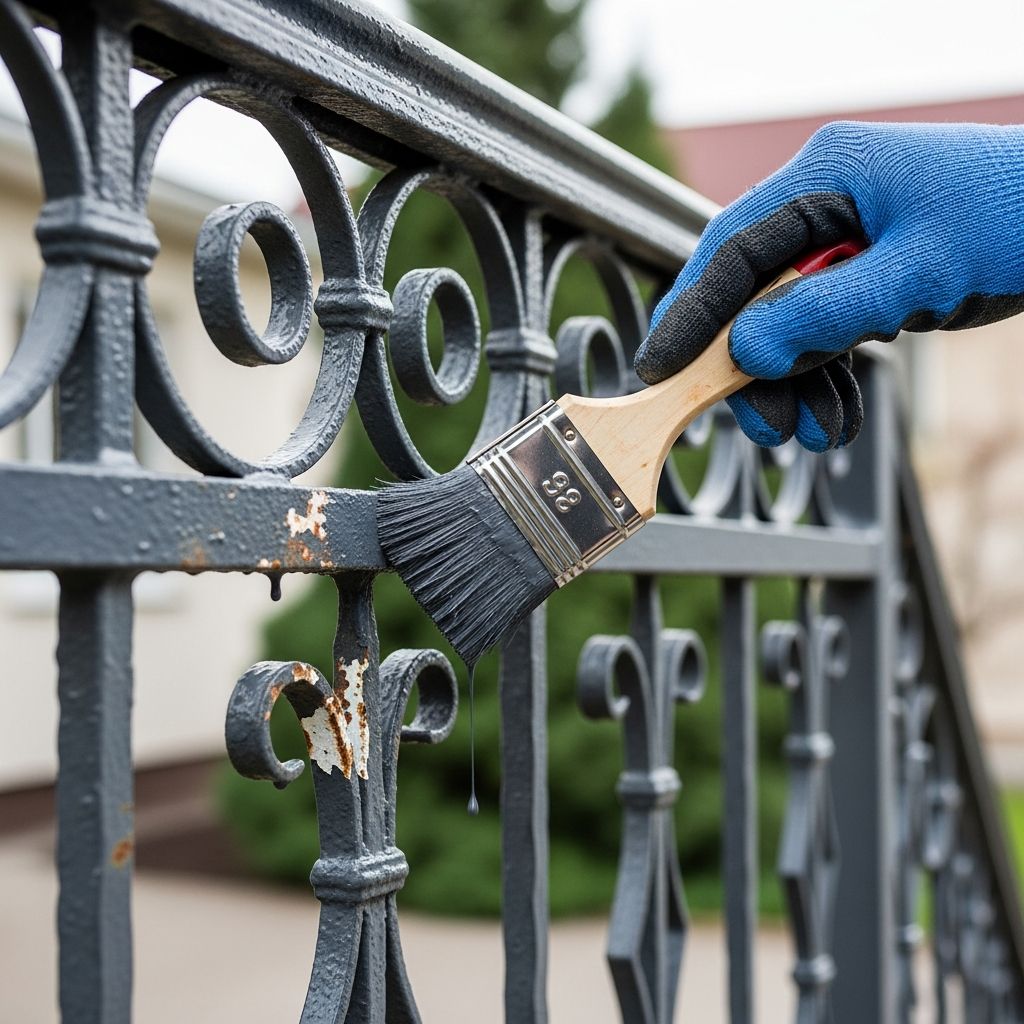
Revitalizing metal railings through painting enhances both aesthetics and longevity, protecting against rust and environmental damage. This process involves meticulous preparation, proper priming, and strategic application of specialized paints, suitable for indoor staircases, outdoor porches, or balcony structures.
Why Paint Your Metal Railings?
Metal railings endure constant exposure to moisture, touch, and weather, leading to rust formation and paint peeling over time. Regular repainting prevents corrosion, improves curb appeal, and boosts safety by creating non-slip, clean surfaces. For outdoor railings, painting seals the metal against rain and UV rays, while indoor applications reduce dust accumulation and maintain hygiene.
Investing time in this project yields years of protection. Studies from material science indicate that properly primed and painted ferrous metals resist oxidation up to 10 times longer than untreated surfaces, per standards from corrosion experts.
Essential Tools and Materials
Gathering the right supplies ensures efficiency and professional results. Categorize items by preparation, protection, and application phases.
- Preparation tools: Wire brushes, scrapers, medium- and fine-grit sandpaper (80-220 grit), degreaser or mild detergent.
- Protection gear: Gloves, safety goggles, respirators, drop cloths, painter’s tape.
- Priming and painting supplies: Rust-inhibiting primer (oil- or latex-based), enamel or direct-to-metal paint, brushes (angled 2-4 inches), foam rollers, paint trays.
- Optional enhancements: Spray paints for intricate designs, rust converter sprays for heavy oxidation.
Choose products labeled for metal surfaces; oil-based enamels offer superior rust resistance for exteriors, while latex versions suit indoor low-VOC needs.
Assessing Your Railing Condition
Before starting, inspect for rust severity, loose paint, and structural integrity. Light surface rust requires basic sanding; heavy pitting demands wire brushing and possibly professional welding. Indoor railings often face grease buildup from hands, while outdoor ones suffer from salt, pollen, and humidity.
Use this table to gauge preparation intensity:
| Rust Level | Symptoms | Required Prep |
|---|---|---|
| Minimal | Surface discoloration | Wipe and light sand |
| Moderate | Flaking paint, light pitting | Wire brush, medium sand |
| Severe | Deep rust, structural weakness | Scraper, rust converter, heavy sand |
Step-by-Step Surface Preparation
Cleaning the Surface
BEGIN by degreasing to remove oils and grime. Mix mild detergent with warm water, scrub using a sponge or brush, then rinse thoroughly. For stubborn residues, apply a citrus-based degreaser and allow 15 minutes dwell time before wiping. Dry completely with clean rags to prevent flash rusting.
Removing Rust and Old Paint
Equip gloves and goggles, then attack loose material with a wire brush or power tool attachment. Focus on crevices and undersides where moisture hides. Follow with sanding: medium grit (80-120) for bulk removal, fine grit (220) for smoothness. This creates a mechanical tooth for adhesion.
Vacuum or tack-cloth away dust. For oxidized spots, apply rust converter if primer alone won’t suffice—it chemically neutralizes rust into a stable compound.
Masking and Protecting Surroundings
Lay drop cloths over floors, plants, and adjacent walls. Tape edges with painter’s tape for crisp lines, especially near wood or masonry. Indoor projects benefit from ventilating the area to disperse fumes.
Choosing and Applying Primer
Primer forms the critical barrier against moisture ingress. Select rust-inhibiting formulas: oil-based for exteriors (e.g., All Surface Enamel Oil Primer), latex for interiors. Spray primers cover evenly on ornate designs, while brush-on suits flat bars.
Stir well, apply thin even coats starting from top-down to minimize drips. Cover spindles fully, feathering edges. Drying times vary (2-24 hours); sand lightly between coats if needed for smoothness. One to two coats suffice for most surfaces.
Mastering Paint Application Techniques
Selecting the Right Paint
Opt for high-adhesion enamels or direct-to-metal paints. Compare options:
| Product Type | Finish | Best For | Key Benefit |
|---|---|---|---|
| Krylon ColorMaster | Satin/Gloss | Quick indoor/outdoor | Paint + primer combo, fast dry |
| BEHR Premium DTM | Semi-Gloss | High-traffic indoors | Excellent rust block, water-based |
| Rust-Oleum Enamel | Gloss | Rusted exteriors | Covers rust directly |
| Sherwin-Williams Enamel | Semi-Gloss | Outdoor durability | UV and chip resistant |
Application Best Practices
Stir paint thoroughly for uniform color. Use brushes for details, rollers for flats—work top-to-bottom, completing each section fully before advancing. Apply thin coats to avoid runs; 2-3 layers build opacity and protection. Between coats, wait 2-4 hours (oil-based) or 1-2 hours (latex), sanding glossy spots lightly.
For spraying: Hold 10-12 inches away, sweep evenly in overlapping passes. Back-roll sprayed surfaces for texture if desired.
Drying, Curing, and Inspection
Allow touch-dry (2-4 hours) before second coats; full cure takes 24-72 hours. Avoid handling during this period to prevent fingerprints. Inspect under good light for holidays (missed spots)—touch up promptly. Final sheen develops after 7 days.
Maintenance for Longevity
Annual inspections catch issues early: Clean with soapy water, touch up chips within days. Reapply topcoat every 3-5 years outdoors, longer indoors. Harsh climates demand rust-inhibiting additives in future paints.
Common Mistakes to Avoid
- Skipping primer: Leads to peeling within months.
- Inadequate prep: Paint fails on dirty or glossy surfaces.
- Rushing dry times: Causes sags and poor adhesion.
- Wrong paint type: Latex on exteriors fades quickly.
- Poor ventilation: Health risks from fumes indoors.
Indoor vs. Outdoor Considerations
Indoors: Prioritize low-VOC paints to minimize odors; focus on grease removal. Outdoors: Emphasize UV-stable, rust-proof formulas; paint in mild weather (50-85°F, low humidity).
FAQs
Can I paint over rust without priming?
No—rust converters or heavy-duty paints like Rust-Oleum allow it, but priming ensures best results.
How long does painted railing last?
5-10 years with proper prep; exteriors may need refresh sooner.
Is spray painting better than brushing?
Sprays excel on ornate railings; brushes control better on flats.
What if my railing is galvanized?
Use DTM paints after etching for adhesion.
Best time for outdoor painting?
Spring/fall, dry days above 50°F.
References
- How to Paint Indoor Metal Stair Railings: A Complete Guide — Sihan Rails. 2023. https://sihandrails.com/blogs/article/how-to-paint-indoor-metal-stair-railings-a-complete-guide
- How to Re-Paint a Rusty Metal Porch Railing — SemiStories. 2022. https://semistories.semihandmade.com/how-to-paint-a-porch-railing/
- How To Paint A Wrought Iron Railing — Ace Hardware (YouTube). 2021. https://www.youtube.com/watch?v=94pF40rVy9g
- How to Paint Exterior Railings — Sherwin-Williams. 2024. https://www.sherwin-williams.com/en-us/project-center/paint/how-to-paint-exterior-railing
- Spray Painting a Metal Railing — BeingBrook. 2012. https://www.beingbrook.com/2012/07/spray-painting-metal-railing-krylon.html
- How to Video: Paint a Rusted Wrought Iron Railing — Rust-Oleum Support. 2023. https://rustoleumsupport.zendesk.com/hc/en-us/articles/14153403503117-How-to-Video-Paint-a-Rusted-Wrought-Iron-Railing
Similar Articles



Read full bio of Sneha Tete