Painting Over Textured Walls Guide
Master the art of refreshing textured walls with expert techniques for smooth, professional results at home.
Painting Over Textured Walls: Your Complete DIY Handbook
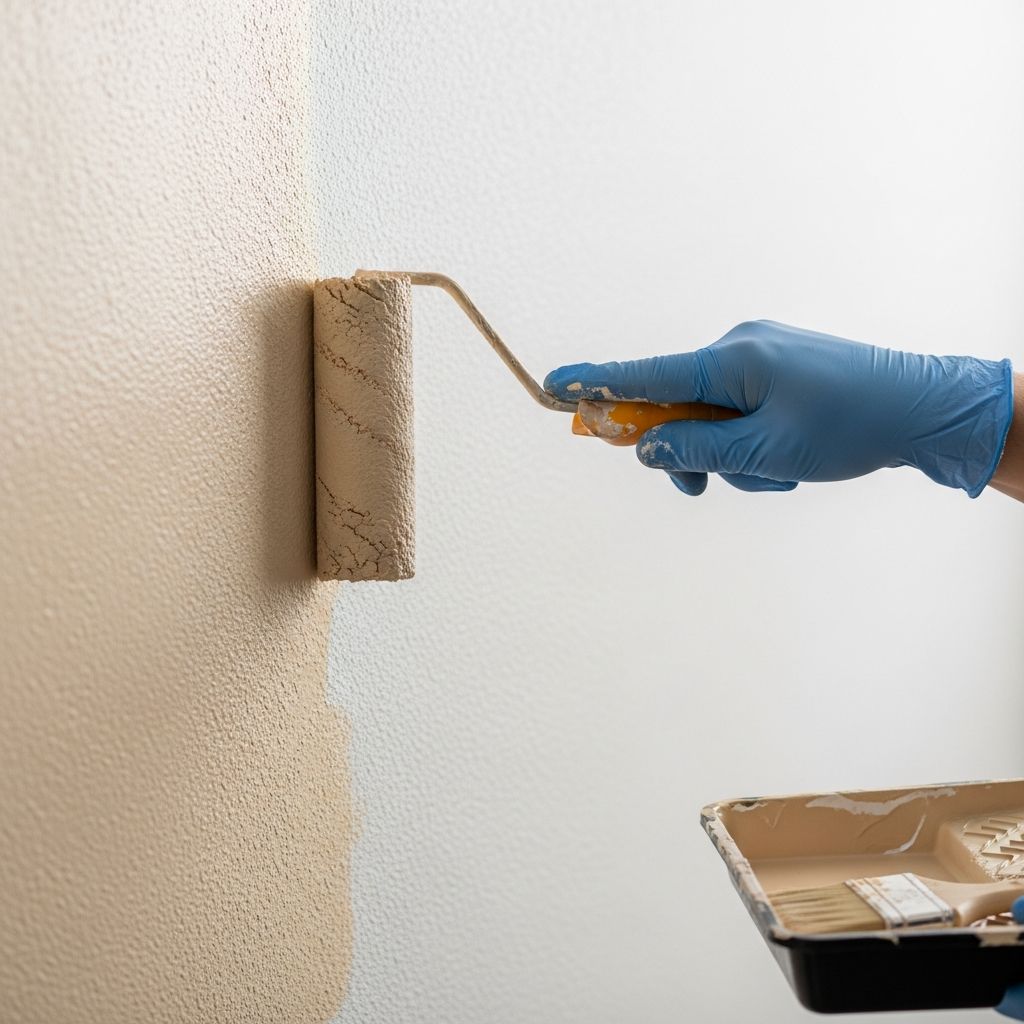
Transforming walls with heavy texture into smooth, vibrant surfaces is a common DIY challenge. Textured paint, often applied for aesthetic or to hide imperfections, can trap dirt and make recoloring difficult. This guide provides detailed strategies to prepare, prime, and paint these surfaces successfully, ensuring durable, even results.
Understanding Textured Wall Finishes
Textured walls feature raised patterns created by additives like sand, popcorn, or knockdown compounds. These finishes, popular in mid-century homes, add depth but complicate painting due to their uneven nature. Dirt accumulates in crevices, and standard rollers struggle to reach all areas. Common types include orange peel (light stipple), heavy knockdown (scraped peaks), and suede-like sands. Identifying your texture helps select the right tools and methods.
Assessing Your Walls Before Starting
Begin with a thorough inspection. Check for cracks, loose texture, or peeling paint, which must be repaired first. Test adhesion by pressing tape firmly and pulling it off; if texture lifts, skim coat the area. For dark underlying colors, note that multiple layers may be needed for coverage. Measure texture depth: light (under 1/16 inch) allows direct painting, while heavy requires filling.
- Visual check: Look for stains, mold, or damage under good lighting.
- Moisture test: Press plastic wrap for 48 hours to detect hidden dampness.
- Texture height: Use a straight edge to gauge peaks and valleys.
Gathering Essential Tools and Materials
Invest in quality supplies to avoid callbacks. Key items include high-nap rollers for texture penetration, stain-blocking primers, and angled brushes for edges.
| Category | Item | Purpose |
|---|---|---|
| Prep Tools | Dust cloths, TSP cleaner, sandpaper (120-220 grit) | Clean and smooth repairs |
| Primers | Zinsser 1-2-3 or deep-penetrating formula | Seal texture, block stains |
| Application | 3/4-inch nap roller, 9-inch frame, extension pole | Even coverage on rough surfaces |
| Paints | Semi-gloss latex, high-hide formula | Durable, cleanable finish |
| Finishing | Angled sash brush, paint grid | Crevice filling, excess removal |
Step-by-Step Surface Preparation
Cleaning is non-negotiable; textured walls hold grime that paint won’t adhere to. Start by removing furniture and covering floors with drop cloths. Vacuum crevices to dislodge dust.
- Degrease: Mix TSP substitute with water; wipe walls thoroughly. Rinse and dry 24 hours.
- Repair flaws: Fill cracks with joint compound. For loose texture, scrape and patch. Sand smooth once dry.
- Spot prime stains: Apply stain-blocker to nicotine, water marks, or repairs. Let cure fully.
For heavily damaged areas, consider skim coating: thin joint compound layers sanded flat create a base for painting.
Choosing and Applying the Right Primer
Primer bridges old texture to new paint, filling voids and promoting adhesion. Opt for oil-based or 100% acrylic formulas like Zinsser 1-2-3 for versatility on textured drywall. Tint primer to match your topcoat for better opacity, especially over dark bases.
Application tips:
- Cut in edges with a dampened brush to avoid lap marks.
- Roll in 4×4 foot sections using a W-pattern; back-roll vertically.
- Allow 24-hour dry time; textured areas retain moisture longer.
A single heavy primer coat often suffices, but heavy textures may need two.
Mastering Paint Application Techniques
Use semi-gloss or eggshell paints; flats trap dirt in textures. High-VOC formulas offer superior hide but check local regs.
First coat: Load a 3/4- to 1-inch nap roller generously. Work slowly in zigzags to force paint into depressions. Brush crevices immediately after rolling.
Second coat: Apply after full dry (4-6 hours). Thin if needed for flow, but avoid over-thinning.
For sprayers: Thin paint per manufacturer; use airless models for pros. Back-brush to work into texture.
Advanced Methods for Challenging Textures
Heavy popcorn or sand textures demand extras. Mix topping compound 50/50 with paint for the base coat to fill peaks. Multiple thin layers outperform one thick coat, reducing drips and ensuring penetration.
On concrete or masonry textures, select breathable acrylics and prime twice for porosity.
Troubleshooting Common Issues
Problems arise from rushed prep. Here’s how to fix:
- Uneven coverage: Add another thin coat; ensure consistent roller pressure.
- Texture bleed: Re-prime with stain-blocker.
- Lap marks: Maintain wet edge; paint in cooler hours.
- Bubbles: Sand and spot-prime; avoid hot, humid conditions.
Maintenance and Long-Term Care
Semi-gloss sheds dirt easily; wipe with mild soap. Refresh every 5-7 years. Darker hues camouflage trapped dust better than whites.
FAQs
Can I paint over textured walls without priming?
No; primer seals and fills, preventing peel and ensuring adhesion.
What’s the best roller for heavy texture?
3/4-inch to 1-1/4-inch nap; longer naps reach deeper.
How many coats for dark to light change?
Two primer plus two paint coats typically cover well.
Is skim coating necessary?
Only for very heavy or damaged textures; otherwise, priming suffices.
Drying time between coats?
Follow label; extend for texture by 50%.
References
- How to Paint Textured Surfaces — Lowe’s. 2023. https://www.lowes.com/n/how-to/paint-textured-surfaces
- Repainting over dark or textured walls at home — Multicolor Paint. 2024. https://localpainterflorida.com/repainting-over-dark-or-textured-walls-at-home/
- Painting Over Sanded Paint — Fine Homebuilding. 2022. https://www.finehomebuilding.com/forum/painting-over-sanded-paint
- What Primer do I use to Paint Over Texture? — Paul Peck DrywallTube (YouTube). 2023. https://www.youtube.com/watch?v=WJZxH8bSICg
Similar Articles



Read full bio of Sneha Tete