Painting Porcelain Tile: DIY Guide
Transform outdated porcelain tiles with expert painting techniques for durable, stunning results in kitchens and bathrooms.
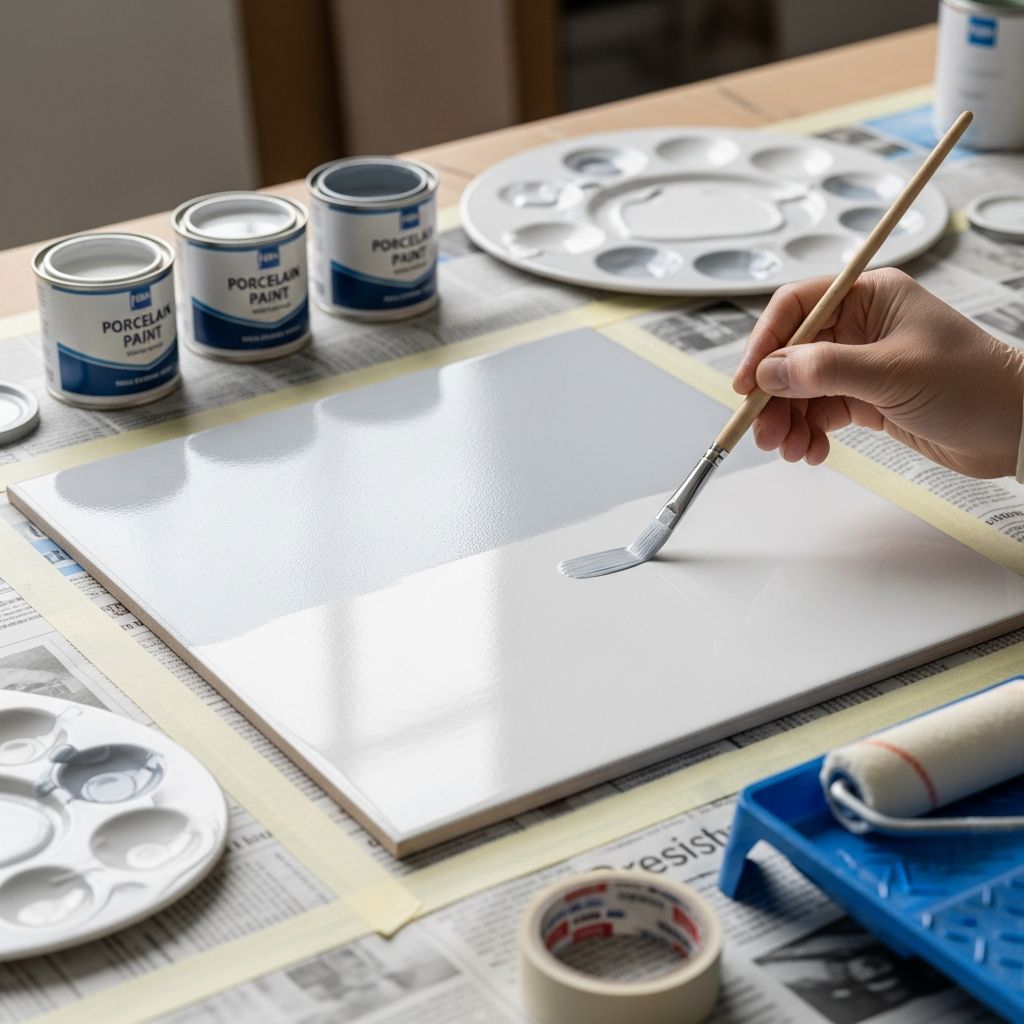
Porcelain tiles offer timeless durability and style, but their glossy, non-porous surface poses unique challenges for paint adhesion. With proper preparation and specialized materials, you can refresh floors, walls, or countertops affordably, avoiding costly replacements. This guide delivers proven methods to achieve professional-grade results that withstand daily wear and moisture.
Why Opt for Painting Over Replacement?
Replacing porcelain tiles disrupts your space, generates waste, and incurs high labor costs. Painting provides a budget-friendly alternative, customizing colors and patterns while preserving the original substrate. Results can endure 5-10 years in low-traffic areas with meticulous execution, per industry guidelines from manufacturers like Rust-Oleum and Benjamin Moore. Ideal for dated bathrooms, kitchens, or entryways, this method revitalizes without demolition.
Assessing Your Project Feasibility
Evaluate tile condition first: minor cracks or chips are fixable, but extensive damage signals replacement. Porcelain’s density resists paint unless prepped correctly, so test a small area. High-traffic floors demand tougher finishes than walls. Budget $0.50-$2 per square foot for materials, plus tools if needed. Time investment: 2-4 days for a standard bathroom, including drying periods.
Essential Tools and Materials Checklist
Gather these before starting to streamline workflow:
- Degreasing cleaner (TSP or trisodium phosphate substitute)
- Fine-grit sandpaper (220-400 grit) or orbital sander
- High-adhesion tile primer (e.g., STIX or epoxy-based)
- Specialty tile paints: epoxy, acrylic latex, or enamel
- Foam rollers (4-inch), angled brushes (1.5-2 inch), mini rollers for edges
- Painter’s tape, drop cloths, putty knife, grout filler
- Clear polyurethane or tile sealer
- Safety gear: gloves, mask, goggles, ventilation fan
Pro tip: Foam rollers minimize texture for smoother coats on glossy surfaces.
Mastering Surface Preparation: The Foundation of Success
Adhesion failures stem from 90% of DIY mishaps due to skipped prep. Porcelain’s glaze repels standard paints, demanding deglossing and cleaning.
Deep Cleaning Protocol
- Mix TSP cleaner with warm water per label; apply with a scrub brush to dissolve oils, soap scum, and mildew.
- Rinse twice thoroughly to avoid residue; dry 24 hours with fans.
- For floors, vacuum edges and grout lines to capture debris.
Sanding for Optimal Grip
Lightly scuff with 220-grit sandpaper using circular motions—no need to remove glaze entirely, just dull the sheen. Progress to 400-grit for refinement. Wipe with tack cloth or damp rag, then dry fully. This micro-etching boosts mechanical bonding by 300%, as noted in professional painting standards. Vacuum dust meticulously to prevent primer defects.
Repairing Imperfections
Scan for cracks wider than 1/16-inch; apply epoxy-based filler with a putty knife. Smooth, sand once cured (4-6 hours), and clean again. Level uneven tiles with thin-set mortar if gaps exceed 1/8-inch, ensuring a flat canvas.
Selecting the Best Paints for Porcelain
Not all paints bond to porcelain. Prioritize formulations engineered for glossy, high-moisture substrates.
| Paint Type | Best For | Pros | Cons | Coats Needed |
|---|---|---|---|---|
| Epoxy (2-Part) | Floors, showers | Ultra-durable, waterproof | Mixing required, strong odor | 2-3 |
| Acrylic Latex | Walls, counters | Easy apply, low VOC | Less traffic-resistant | 2 |
| Enamel | High-traffic | Glossy, hard finish | Brush marks possible | 2-3 |
Epoxy reigns supreme for longevity, with acrylic latex suiting lighter use. Match sheen to space: matte hides imperfections, semi-gloss eases cleaning.
Applying Primer: Locking in Adhesion
Bonding primer bridges glossy tile to topcoats, preventing peels. Choose tile-specific formulas like high-adhesion acrylics.
- Tape adjacent surfaces meticulously; cover floors with drop cloths.
- Cut in edges with angled brush, then roll evenly in 4×4-foot sections using foam roller. Maintain wet edges to avoid lap marks.
- Apply 1-2 thin coats; dry 16-24 hours per label. Test adhesion by scratching gently—reapply if it flakes.
Ventilate well; primers off-gas VOCs. Full cure takes 3-4 days before painting.
Layering Paint for Flawless Coverage
Thin coats build durability without runs.
First Coat Technique
- Stir epoxy thoroughly if 2-part; apply via mini-roller for grout penetration.
- Work from back of room outward; feather edges.
- Dry 4-6 hours minimum.
Second and Third Coats
Sand lightly between coats (320-grit) for smoothness. Use microfiber rollers for deeper grout fill on recoats. Final coat: 24 hours undisturbed. Total thickness: 4-6 mils for resilience.
Sealing for Endurance and Shine
A clear topcoat shields against scratches, stains, and moisture—essential for wet zones. Water-based polyurethanes dry faster with less odor. Apply 2 thin coats post-paint cure (72 hours), sanding lightly between. Reapply annually in heavy-use areas for 10+ year life.
Customization Ideas: Beyond Solid Colors
Elevate with stencils for patterns mimicking new tile. Prime first, base paint, then stencil in accent hues before sealing. Faux grout lines via painter’s tape create visual interest on large formats.
Troubleshooting Common Pitfalls
- Peeling: Insufficient sanding/primer; resand and recoat.
- Uneven Texture: Thick coats or poor roller; thin applications fix it.
- Grout Bleed: Tape lines or paint grout separately with small brush.
- Bubbles: Overworked paint; pop and smooth immediately.
Safety and Maintenance Best Practices
Wear N95 masks during sanding/painting; ensure airflow. No foot traffic for 72 hours post-seal. Clean with pH-neutral soaps; avoid abrasives. Monitor for wear yearly, touching up as needed.
Cost vs. Value Analysis
A 100 sq ft bathroom refresh costs $100-300 in materials vs. $1,500+ for demo/re-tile. ROI peaks in rentals or flips, boosting appeal without structural changes.
Frequently Asked Questions
Can I paint over existing grout?
Yes, but prime thoroughly; it absorbs differently. Small brushes ensure precision.
How long does painted porcelain last?
5-10 years with proper prep/sealing; less in high-traffic.
Is ventilation crucial?
Absolutely—epoxy fumes are potent; use fans and exit the space during cure.
Outdoor porcelain viable?
Limited; UV degrades most paints. Opt for marine-grade epoxies.
Reversible process?
Paint layers strip with chemical removers, but test first to avoid tile damage.
References
- Painting Porcelain Tiles for Home Improvement DIY Projects — LX Hausys. 2023. https://www.lxhausys.com/us/blog/how-to-paint-porcelain-tile-over/
- Can You Paint Porcelain Tiles? — Cavastone. 2024. https://cavastone.com/blog/can-you-paint-porcelain-tiles
- How to Successfully Paint and Stencil Ceramic Floor Tiles — Royal Design Studio. 2022. https://www.royaldesignstudio.com/blogs/stenciling-tips/how-to-successfully-paint-and-stencil-ceramic-floor-tiles
- How to Paint Tiles — The Home Depot. 2025. https://www.homedepot.com/c/ah/how-to-paint-tiles/9ba683603be9fa5395fab90142305776
- A Pro’s Guide to Painting Tile — Benjamin Moore. 2024. https://www.benjaminmoore.com/en-us/contractors/job-solutions/project-advice/painting-tile
- How to Paint Tile in Your Bathroom or Kitchen — Samplize. 2023. https://samplize.com/blogs/posts/how-to-paint-tile
Similar Articles



Read full bio of Sneha Tete