Transform Stone Tiles with Paint: Complete Guide
Master the art of painting stone tiles with expert techniques and proven methods.
Revitalizing Stone Tiles Through Painting: A Comprehensive Approach
Stone tiles present a unique canvas for homeowners seeking to refresh their interior spaces without the expense of complete replacement. While many assume that stone surfaces are permanent fixtures that cannot be altered, the reality is that with proper technique and preparation, these durable materials can be transformed through strategic painting applications. This transformation requires understanding the fundamental characteristics of stone tile surfaces and implementing a methodical approach to ensure paint adhesion and longevity.
The key to successful stone tile painting lies not in the paint itself, but in the preparation phase. Unlike painted drywall or previously finished surfaces, stone tiles possess a natural density and often a protective glaze that actively resists paint adherence. Recognizing this challenge and addressing it systematically distinguishes between painting projects that last for years and those that begin peeling or chipping within months.
Understanding Your Stone Tile Surface
Before selecting tools or purchasing paint, it is essential to evaluate what type of stone tile you are working with. Natural stone tiles vary significantly in their composition, porosity, and existing finishes. Some stone surfaces are unsealed and highly porous, while others have been treated with protective coatings that make them inherently resistant to paint adhesion.
Glazed tile surfaces, common in many applications, present the greatest challenge for painters. The glaze is specifically engineered to be smooth, non-porous, and resistant to moisture penetration—qualities that directly conflict with paint adhesion requirements. Unglazed quarry tiles and natural stone with porous surfaces offer better opportunities for successful painting, as their texture naturally provides grip for paint molecules.
Additionally, consider the location of your stone tiles. Floor tiles experience different demands than wall tiles or decorative accent pieces. Bathroom tiles face constant moisture exposure, while kitchen tiles must withstand cleaning products and temperature fluctuations. Understanding these environmental factors helps determine which paint formulations and protective sealers will best serve your specific situation.
The Critical Foundation: Surface Preparation
No painting project succeeds without meticulous surface preparation. This phase determines whether your finished product will be a durable transformation or a disappointing failure. Preparation accounts for approximately seventy percent of the effort in tile painting, yet many homeowners rush through this crucial stage.
Removing the Protective Glaze Layer
The first preparatory step involves dulling the tile surface through sanding. This removes the glaze or protective finish that prevents paint from bonding. Most professionals recommend using 120-grit sandpaper as a starting point, with an orbital sander making the work considerably faster than hand-sanding, particularly for large areas. The goal is not to strip away the tile itself, but to rough up the surface sufficiently that paint can grip the material.
Sand systematically across the entire tile surface, including the grout lines if they will be painted. Pay particular attention to high-gloss areas, which should become visibly duller as you work. Continue sanding until the surface has a uniform matte appearance with no remaining shine. This uniform texture is essential, as glossy patches will resist paint adhesion and create inconsistent results.
Thorough Cleaning Protocol
After sanding completes, residual dust and particles must be completely removed. Use a damp cloth or sponge to wipe the entire surface, rinsing your cleaning tool frequently in fresh water. This prevents pushing sanding dust into grout lines or redistributing it across the tile surface. Some professionals use a vacuum with a HEPA filter first to capture the bulk of dust, followed by damp cleaning to capture fine particles.
Allow tiles to dry completely before proceeding. Moisture trapped under paint creates adhesion problems and can lead to bubbling or peeling. In humid climates, this drying phase may require several hours or even overnight. Check that grout lines are also completely dry, as moisture in these crevices is particularly problematic.
Strategic Masking
Apply painter’s tape to protect areas you want to keep clean. Baseboards, trim, and wall sections adjacent to your tile should be carefully masked. Specialized painter’s tapes designed for use with latex paint create superior seals that prevent paint bleeding underneath the tape edge. Take time to press tape firmly along all edges for clean demarcation lines.
Selecting Appropriate Paint and Primer Products
Paint selection dramatically impacts project success. Not all paints perform equally on stone tile surfaces, and using the wrong formulation can result in poor adhesion, inadequate durability, or coating failure.
Primer as Foundation
Primer is not optional in stone tile painting—it is absolutely essential. Specialized primers formulated for challenging surfaces provide superior adhesion compared to standard primers. High-adhesion bonding primers are engineered to lock onto glossy or non-porous surfaces that would otherwise reject paint. When transitioning from dark stone to light paint colors, primer prevents the base color from showing through, requiring fewer topcoats.
Apply primer in two coats, allowing complete drying between applications. The first coat seals the surface and begins establishing adhesion, while the second coat ensures uniform coverage and builds a robust foundation for topcoat paint.
Paint Type and Formulation
Acrylic latex paint works effectively on porous stone tiles when properly applied over primer. Additionally, paint formulations specifically designed for masonry and stucco provide enhanced adhesion and durability. Some specialized tile paints incorporate epoxy components that create particularly durable finishes, making them ideal for high-traffic areas or moisture-exposed locations like bathrooms.
Consider the finish level carefully. Glossy finishes emphasize texture and grout lines, creating dramatic visual effects, while matte or satin finishes provide more subtle transformations. The finish you choose affects both aesthetics and maintenance requirements, as glossier surfaces are typically easier to clean but may show marks and dust more readily.
Application Techniques and Tools
The method used to apply paint and primer significantly influences the final appearance. Different tools create different aesthetic results, allowing you to customize your project outcome.
Choosing Your Application Method
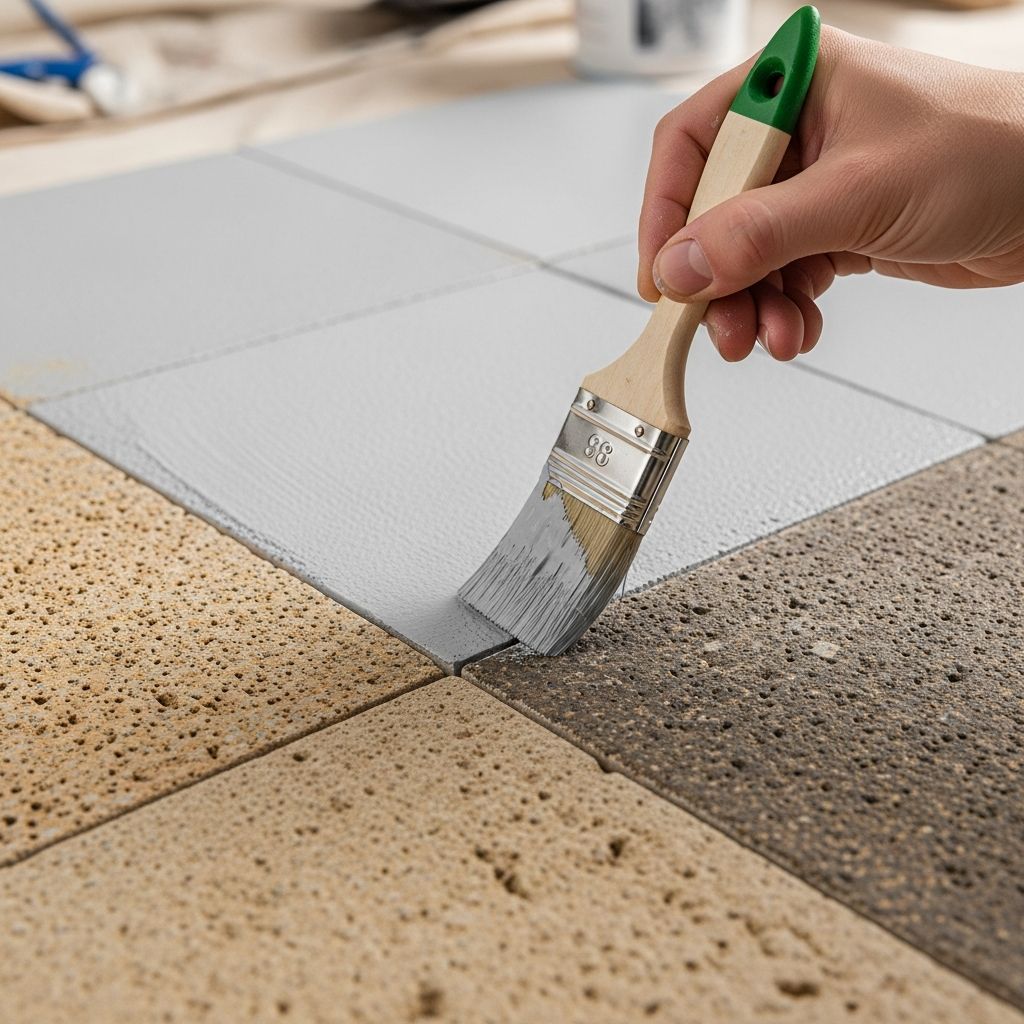
- Foam rollers: Create smooth, thin coats with minimal texture, leaving fine pits and surface relief visible for visual contrast. They are ideal for creating subtle finishes and work particularly well for semi-transparent whitewash effects.
- Traditional brushes: Excel at accessing tight spaces such as grout joints and heavily textured surfaces. Thin-bristled brushes provide precision for detailed work and edges.
- Spray application: Offers very even coverage but requires extensive masking and ventilation. This method is best reserved for experienced painters or professional applications.
Layering and Coverage Strategy
Apply paint in thin, even layers rather than attempting to achieve full coverage in a single coat. Thick applications are prone to dripping, running, and uneven drying. Two coats of topcoat paint are typically required for even color coverage and maximum durability. Allow each coat to dry completely before applying subsequent layers—rushing this process compromises the integrity of your finish.
When painting, use consistent techniques to avoid visible brush or roller marks. Begin rolling from one section and move to adjacent areas with slight overlaps to ensure seamless coverage. For brush work, feather paint into surrounding areas to blend transitions and eliminate harsh lines.
Creating Visual Effects Through Specialized Techniques
Beyond simple repainting, stone tile surfaces offer opportunities for creative finishes that add depth and character to your space.
Multi-Layered Color Treatments
Apply a base color across all tiles first. Once this establishes a uniform foundation, introduce secondary colors using multiple painting techniques. Different applicators—sponges, rags, stipple brushes, and traditional brushes—create distinct texture effects when layered over the base color. This multi-color approach mimics the natural variation found in authentic stone surfaces.
Whitewash Effects
Create a semi-transparent whitewash by thinning primer-paint combinations and applying them with foam rollers. Follow with brush touches in grout joints and deep texture areas. This technique preserves the natural character and visible detail of underlying stone while providing a lighter, more unified appearance.
Dry Brushing and Detailing
Use nearly dry brushes with minimal paint to highlight edges and surface relief. This technique adds visual interest and emphasizes the dimensional qualities of textured stone. Apply lighter tones to raised areas and darker tones to recessed sections to enhance the three-dimensional effect.
Environmental Considerations and Safety
Painting stone tiles requires attention to proper ventilation and personal safety. Paint fumes and sanding dust pose health risks that can be mitigated through straightforward precautions.
Ensure adequate air circulation throughout your work area by opening windows and using fans to direct fumes outward. If painting indoors without natural ventilation, consider renting a temporary ventilation system. Wear an appropriate dust mask during sanding—particularly important when working with tile glaze particles—along with protective gloves and eyewear. Protecting your skin from paint splatters and ensuring your eyes remain clear of dust particles makes the work considerably more comfortable.
Sealing and Long-Term Protection
After paint has fully cured, consider applying a protective sealer to extend the life of your painted finish. Sealers protect painted surfaces from moisture, staining, and general wear, particularly important in bathrooms and kitchens. Select sealers compatible with your paint type and follow manufacturer instructions regarding application timing and recoat schedules.
Allow painted tiles to cure for the full period recommended by the paint manufacturer before exposing them to moisture, heavy use, or cleaning. Premature exposure can compromise adhesion and durability. Most modern paints require 24-48 hours for initial set, though complete curing may require up to two weeks.
Frequently Asked Questions
Can all stone tiles be painted successfully?
Most stone tiles can be painted if properly prepared, though glazed tiles require more aggressive surface preparation than unglazed varieties. Natural stone with high porosity generally yields the best results. Always test a small, inconspicuous area first to verify adhesion and appearance before committing to painting an entire surface.
How long does painted tile typically last?
With proper preparation and quality materials, painted tiles can last 5-10 years or longer, depending on traffic levels and environmental exposure. High-traffic areas and moisture-prone locations may require touch-ups or repainting sooner than low-use areas.
What is the best paint for bathroom tiles specifically?
Epoxy-based tile paints or moisture-resistant formulations designed for bathrooms perform best in high-humidity environments. Apply a compatible sealer after paint fully cures for maximum protection against moisture and mildew.
Can I paint over already-painted tiles?
Yes, provided the existing paint is well-adhered and not peeling. Sand the painted surface lightly to dull the finish, clean thoroughly, and apply a bonding primer before painting. If existing paint is flaking or poorly adhered, remove it completely before repainting.
Is it necessary to use specialized tile paint?
While specialized tile paints offer enhanced durability and adhesion, quality acrylic latex paint over a high-adhesion bonding primer can produce satisfactory results for non-commercial applications. The primer is more critical than the specific paint formulation.
References
- Painting Stone Tile, Step by Step — Home Improvement and Repairs. 2024. https://www.homeimprovementandrepairs.com/post/painting-stone-tile-step-by-step
- How to Paint Tiles — The Home Depot. 2024. https://www.homedepot.com/c/ah/how-to-paint-tiles/9ba683603be9fa5395fab90142305776
- A Pro’s Guide to Painting Tile — Benjamin Moore. 2024. https://www.benjaminmoore.com/en-us/contractors/job-solutions/project-advice/painting-tile
- How to Paint a Tile Floor to Mimic Stone — Pure Happy Home. 2024. https://purehappyhome.com/how-to-paint-a-tile-floor-to-mimic-stone/
- How to Paint Your Floor Tiles — Rust-oleum. 2024. https://rustoleumcolours.co.uk/how-to-paint-your-floor-tiles/
Similar Articles








Read full bio of medha deb