Painting Vaulted Ceilings: Complete DIY Guide
Master the art of refreshing high vaulted ceilings with our step-by-step DIY techniques, essential tools, and pro tips for flawless results without hiring professionals.
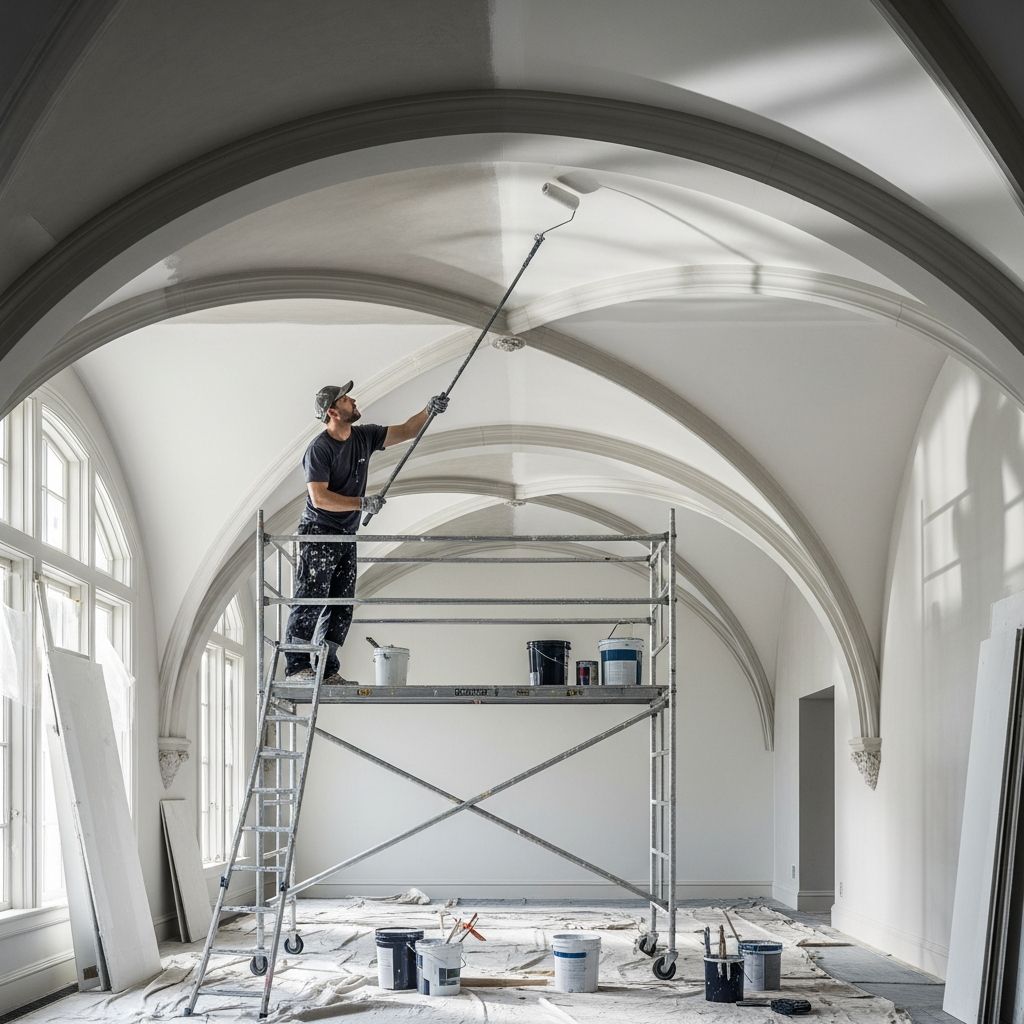
Vaulted ceilings, also known as cathedral ceilings, add dramatic height and architectural interest to any room, but painting them presents unique challenges due to their elevated and angled surfaces. This guide provides a thorough roadmap for homeowners to achieve professional-quality results independently, emphasizing safety, preparation, and proven techniques.
Understanding the Unique Demands of High Ceilings
High ceilings transform living spaces by creating an airy, open atmosphere, yet they demand specialized approaches for painting. Unlike standard flat ceilings, vaulted designs involve slopes, peaks, and expansive areas that require extended reach and precise control to avoid drips, uneven coverage, or fatigue-related errors. Proper planning mitigates risks like ladder instability on uneven floors or paint splatter from overhead work.
Key considerations include room layout, natural light sources which highlight imperfections, and surface textures such as drywall seams or wood accents that may need extra attention. Addressing these upfront ensures a seamless finish that enhances the room’s elegance.
Gathering Essential Tools and Materials
Investing in durable, high-quality equipment is crucial for efficiency and safety when tackling elevated surfaces. Below is a curated list of must-haves:
- Extension poles: Adjustable poles up to 12-18 feet for rollers and brushes, allowing floor-level work to minimize ladder use.
- Rollers and covers: 14-18 inch wide rollers with 10-12mm nap for smooth absorption on textured surfaces; multiple cages for color switching.
- Angled brushes: 2-3 inch sash brushes for cutting in edges and corners without ladders.
- Ladders and scaffolding: Sturdy A-frame or extension ladders with stabilizers; consider step platforms for stability.
- Drop cloths and tape: Canvas cloths for floors, painter’s tape for walls and trim.
- Paint supplies: Primer, high-quality latex paint with built-in primer for one-coat coverage, trays, and cutting cans.
- Safety gear: Respirator, goggles, harness if using scaffolding, non-slip shoes.
Opt for premium brands like those recommended for thick, drip-resistant formulas to handle overhead application without mess.
Comprehensive Surface Preparation
Preparation accounts for 70% of a successful paint job, especially on high ceilings where flaws are magnified by light. Start by clearing the room: move furniture, cover floors with drop cloths, and tape wall-ceiling junctions meticulously.
Clean thoroughly to remove dust, cobwebs, and grease using a duster or vacuum with brush attachment. Inspect for imperfections:
| Issue | Solution | Tools Needed |
|---|---|---|
| Cracks or holes | Fill with lightweight spackle; sand smooth after drying | Putty knife, sandpaper (120-220 grit) |
| Drywall fibers or seams | Prime first, then sand raised fibers | Sanding pole, shop vac |
| Stains or discoloration | Apply stain-blocking primer | Primer roller, brush |
Allow fillers to dry fully (typically 1-4 hours), then sand for a uniform surface. Vacuum debris to prevent airborne particles during painting. Apply primer in thin coats, working top-to-bottom, and let it cure to seal the surface and reveal any missed issues.
Safety Protocols for Elevated Work
Painting at heights poses fall risks, so prioritize safety. Secure ladders on level surfaces with wide bases; use ladder levelers on sloped floors. For ceilings over 12 feet, combine extension poles with stable platforms.
- Work in pairs for spotting if possible.
- Take frequent breaks to combat arm fatigue.
- Ensure adequate lighting; position lamps to avoid shadows.
- Avoid painting in extreme temperatures (ideal: 50-85°F).
Wear harnesses tethered to sturdy anchors for peaks, and keep a first-aid kit handy. These measures prevent accidents and ensure steady hands for precision.
Step-by-Step Painting Process
Begin with primer application using a loaded roller on an extension pole. Start at the highest peak, rolling in 3×3 foot sections to maintain a wet edge and prevent lap marks. Use angled brushes for edges, feathering into roller areas.
Once primed (dry 2-4 hours), apply the first paint coat similarly: top-to-bottom, blending strokes in the ceiling’s natural direction (e.g., along beams). For textured or angled sections, use a sprayer for even coverage if available, back-rolling immediately for texture adhesion.
- Cut in edges: Brush a 3-4 inch border along walls, beams, and vents.
- Roll main areas: Use W or M patterns for uniform distribution; overlap wet edges.
- Inspect coverage: Check in natural light after partial drying; apply second coat if needed after 4 hours.
Match wall colors closely to ceiling for forgiving edges visible from below. Thick paints reduce splatter during extended reaches.
Advanced Techniques for Flawless Finishes
For intricate vaulted features like beams or coffers, highlight with accent colors: paint recesses first, then beams for depth. Spray painting accelerates large areas but requires masking and cleanup practice.
To combat common issues:
- Uneven coverage: Maintain consistent roller pressure; reload frequently.
- Drips: Work in smaller sections; use low-nap rollers.
- Lap marks: Paint during low-humidity periods; keep edges wet.
After drying (24 hours), remove tape slowly at a 45-degree angle. Touch up with a small brush.
Color Selection and Design Ideas
Choose light, reflective colors like soft whites or pastels to amplify space; darker tones add coziness but demand perfect prep. Consider sheen: matte or eggshell hides imperfections on ceilings.
Design tips:
- Monotone scheme for seamless height illusion.
- Contrasting trims to accent architecture.
- Test samples in situ under room lighting.
Frequently Asked Questions (FAQs)
Do I need to prime vaulted ceilings before painting?
Yes, primer ensures adhesion, blocks stains, and promotes even coverage, especially on new drywall.
How many coats are typically needed?
One to two coats suffice with quality paint; assess after first coat dries.
Can I paint vaulted ceilings without a sprayer?
Absolutely; extension poles and ladders make rolling viable for DIYers.
What if my ceiling has heavy texture?
Use thicker nap rollers (3/4-inch) and back-roll after spraying for fill.
How long does the entire project take?
2-4 days for a medium room, including drying times.
Maintenance and Long-Term Care
Freshly painted ceilings last 5-10 years with low-VOC paints. Clean gently with damp microfiber; avoid harsh chemicals. Reassess annually for touch-ups near lights or vents.
Transform your space confidently with these strategies, turning a daunting task into a rewarding achievement.
References
- How to Paint a Ceiling — The Home Depot. 2023-01-15. https://www.homedepot.com/c/ah/how-to-paint-a-ceiling/9ba683603be9fa5395fab9054a1ea11
- A Painting Vaulted Ceilings How To — Da Kine Paints (Benjamin Moore Maui). 2022-05-10. https://benjaminmooremaui.com/painting-vaulted-ceilings/
- How to Paint a Room with High Ceilings — A Turtle’s Life for Me. 2021-08-20. https://aturtleslifeforme.com/paint-room-high-ceilings/
- Painting a Cathedral ceiling room – Ep #30 — YouTube (Off Grid Cottage Build). 2023-03-12. https://www.youtube.com/watch?v=eJz8UqbuuJE
- DIY Rolling High Ceilings & Walls — YouTube. 2022-11-05. https://www.youtube.com/watch?v=TOlyjhgtTEc
Similar Articles






Read full bio of Sneha Tete