Pantry Perfection: A Complete Guide to Designing, Organizing, and Maintaining a High-Functioning Food Storage Space
Transform your pantry from chaotic catchall to streamlined command center with practical, realistic strategies that actually work.
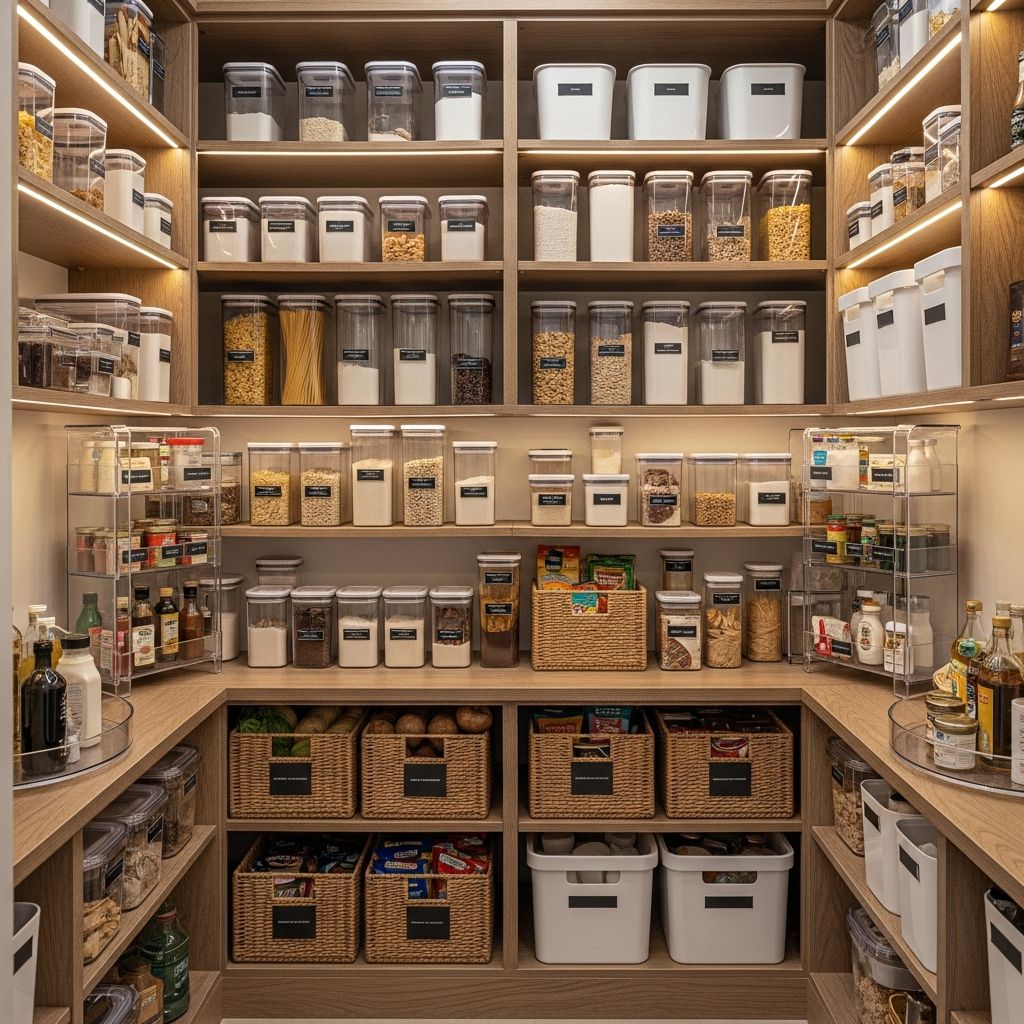
Pantry Perfection: How to Design, Organize, and Maintain a High-Functioning Food Storage Space
An organized pantry is more than a pretty backdrop for storage containers; it is the central hub that supports everyday meals, smart grocery shopping, and stress-free entertaining. With a thoughtful plan and a few realistic systems, any pantry—from a single cabinet to a walk-in room—can become efficient, attractive, and easy to maintain.
Understanding Your Pantry’s Purpose
Before buying a single basket or jar, start by defining what your pantry actually needs to do for your household. A pantry can function as food storage, appliance parking, lunch-packing station, or bulk-goods warehouse depending on your lifestyle and space.
- Decide whether your pantry will store food only, or also paper goods, cleaning supplies, and small appliances.
- Consider who uses the pantry most: adults who cook frequently, kids who pack snacks, or guests who need to find items easily.
- Identify pain points: expired food, cluttered shelves, unreachable items, or poor visibility.
Step 1: Empty, Edit, and Clean Thoroughly
No successful pantry makeover starts with full shelves. Completely emptying the space allows you to evaluate what you own, remove items you do not need, and clean surfaces properly.
- Clear every shelf. Remove all items, including bins and small appliances, and place them on a counter or table.
- Check dates and condition. Discard expired items, stale snacks, dented or leaking cans, and anything you know you will not use.
- Wipe surfaces. Clean shelves, walls, and baseboards with a mild cleaner; let everything dry completely before restocking.
- Assess damage. Note any sagging shelves, peeling liner, or missing hardware that should be repaired before you reorganize.
Step 2: Sort by Category and Create Zones
Once everything is out, group items into logical categories so you can design zones that reflect how you actually cook and snack. This is the foundation of a functional pantry because it dictates where each item will live long-term.
Common Pantry Categories
- Baking ingredients: flours, sugars, baking powder, chocolate chips, extracts.
- Cooking staples: oils, vinegars, broths, canned tomatoes, rice, pasta.
- Breakfast items: cereals, oats, pancake mix, nut butters, coffee and tea.
- Snacks: chips, crackers, nuts, granola bars, dried fruit.
- Canned goods: beans, soups, vegetables, fruit, ready meals.
- Condiments and sauces: salad dressings, marinades, hot sauce.
- Special-diet or specialty foods: gluten-free items, protein powders, supplements.
- Paper and disposables: napkins, paper towels, food storage bags, foil.
After sorting, decide where each category should live based on frequency of use and accessibility, grouping related categories into larger zones such as “Everyday Cooking,” “Baking,” and “Kids’ Snacks.”
Step 3: Map Your Pantry by Reach Zones
Think of your pantry vertically. The most useful layout prioritizes the items you reach for daily at eye or chest level and reserves harder-to-reach areas for light or infrequently used goods.
| Area | Best for | Examples |
|---|---|---|
| Eye-level shelves | Daily essentials | Cooking oils, favorite snacks, coffee, tea, frequently used canned goods |
| Mid-level shelves | Regular-use ingredients | Pasta, rice, baking staples, nut butters, breakfast cereals |
| Lower shelves | Heavy or bulky items | Appliances, bulk flour or rice, beverage cases, pet food |
| Top shelves | Light or occasional items | Extra paper towels, seasonal platters, party snacks, backstock items |
| Door space | Small and lightweight items | Spices, packets, wraps, foil, small condiments |
Step 4: Choose Containers That Match Your Habits
Attractive containers are helpful, but only when they serve how you live and shop. The most important rule is to choose systems you can maintain when you are tired or busy, not just on organizing day.
When Clear Containers Work Well
- You buy the same types of dry goods repeatedly (for example, the same rice or cereal brands).
- You want to see inventory levels quickly without digging through packaging.
- You are willing to spend a few extra minutes decanting after grocery shopping.
When Baskets and Bins Are Better
- Your family uses a wide variety of brands and package sizes.
- You have kids or teens who are more likely to toss a bag into a bin than decant it.
- You prefer to hide visual clutter from mixed packaging while still grouping like items.
A mix of both usually works best: decant long-lasting staples like flour, sugar, and rice into airtight jars, then use labeled bins for snacks, packets, and odd-shaped items.
Step 5: Maximize Every Inch of Space
Pantries often waste vertical and deep-shelf space. Smart organizing tools help you use the full depth and height without losing visibility and access.
- Tiered risers: Ideal for canned goods and small jars so every label is visible.
- Turntables (lazy Susans): Perfect for oils, vinegars, sauces, and condiments in corners.
- Stackable bins: Allow you to build upward on deep or tall shelves without creating unstable piles.
- Over-the-door racks: Excellent for packets, wraps, spices, and small bottles in narrow spaces.
- Under-shelf baskets: Clip onto existing shelves to create an extra layer for lightweight items like napkins or snacks.
Step 6: Label for Clarity and Accountability
Labels turn your categories into a lasting system. When everything has a clearly marked home, it becomes easier for every household member to put items back correctly, preserving order over time.
- Label both containers and the shelf edge so the system remains clear even if a bin is moved.
- Use simple, intuitive names such as “Pasta & Rice,” “Baking Basics,” or “Kids’ Snacks.”
- Choose a label style that is easy to update, such as clip-on labels, chalk markers, or removable stickers.
Food Safety and Visibility Tips
Safety is just as important as aesthetics. Good pantry organization helps you rotate items properly, avoid waste, and keep pests at bay.
- Practice “first in, first out” by placing newer items behind older ones on shelves and in bins.
- Write purchase or open dates on packages and containers to make it easier to track freshness.
- Use airtight containers for flour, sugar, grains, and snacks to protect from moisture and pests.
- Keep cleaning chemicals and non-food items on separate shelves or in a different area if possible.
Designing for Different Pantry Types
Not every home has a walk-in pantry, but every kitchen can support an efficient food storage setup. Tailor the strategies to the type of space you have rather than forcing a system designed for a different layout.
Small Cabinet or Closet Pantry
- Use slim, clear bins to gather similar items and pull them out like drawers.
- Prioritize categories; store backup or rarely used items elsewhere in the home.
- Install cabinet door racks for spices, wraps, and small bottles.
Reach-In Pantry with Shelving
- Assign each shelf a primary function: snacks, baking, breakfasts, canned goods, and so on.
- Use risers and turntables to keep items in the back visible and reachable.
- Reserve floor space for heavy items in lidded bins, such as pet food or bulk goods.
Walk-In or Butler’s Pantry
- Create dedicated stations: beverage zone, baking corner, lunch-packing zone, and appliance parking.
- Use lower cabinets or shelves for heavier appliances and large serving pieces.
- Incorporate a small counter or clear surface for unloading groceries and decanting items.
Kid-Friendly and Guest-Friendly Zones
Designing a pantry that supports kids and guests can reduce interruptions and keep traffic flowing smoothly during busy times like school mornings or dinners with company.
Kid-Friendly Strategies
- Place healthy snacks and breakfast items on lower shelves where children can reach them safely.
- Use unbreakable containers with easy-open lids for snacks and cereals.
- Label bins with both words and simple icons or images to help younger kids identify the right spot.
Guest-Friendly Strategies
- Keep coffee, tea, and breakfast basics in one clearly labeled area.
- Store entertaining essentials such as chips, crackers, and drink mixers together so guests can help themselves.
- Maintain a small “extras” zone with napkins, disposable cutlery, and paper plates for quick gatherings.
Maintenance: 10-Minute Weekly Pantry Routine
Maintenance is where most pantry systems succeed or fail. A short, regular routine keeps your efforts from unraveling and prevents the need for a major overhaul every few months.
- Do a quick visual scan before making your grocery list to note low or empty containers.
- Return any stray items to their proper zones and remove empty boxes and bags.
- Wipe visible crumbs and small spills to discourage pests.
- Rotate older items to the front and place new groceries in the back of each category.
Seasonal and Deep-Clean Checkups
In addition to weekly touch-ups, schedule deeper pantry checkups a few times a year. These sessions help you adjust the layout as your habits change and remove anything that no longer fits your lifestyle.
- Empty one or two shelves at a time, check dates, and regroup categories as needed.
- Reevaluate whether your zones still match the way you cook; for example, a new dietary plan may call for a dedicated smoothie or snack-prep section.
- Repair any worn shelf liners, broken bins, or failing labels so the pantry remains pleasant to use.
Common Pantry Mistakes to Avoid
Even well-intentioned organizing projects can introduce new frustrations. Avoid these frequent pitfalls when setting up or refreshing your pantry.
- Buying containers before sorting: You risk ending up with the wrong sizes and too many or too few pieces.
- Over-labeling with complicated names: Simple, broad categories are easier to follow is the long run.
- Stacking items too deep: If you cannot see something, you are unlikely to use it and more likely to buy duplicates.
- Ignoring vertical space: Unused gaps above items can often fit an extra shelf, stackable bin, or under-shelf basket.
Sample Pantry Layout Plan
Use the example below as a flexible template and adjust based on your personal inventory, height, and storage style.
| Zone | Location | Items | Suggested Storage |
|---|---|---|---|
| Everyday Cooking | Eye-level center shelves | Oils, vinegars, frequently used spices, canned tomatoes, broths | Turntables, small risers, clear bins |
| Baking Corner | Mid-level shelves | Flour, sugar, baking powder, chocolate chips, sprinkles | Airtight canisters, labeled bins for decorating supplies |
| Breakfast & Beverages | Eye-level side shelves | Cereals, oats, coffee, tea, nut butters | Clear canisters, small bins for tea and coffee pods |
| Snacks | Lower or mid shelves | Chips, crackers, granola bars, nuts, dried fruit | Open bins by type, kid-friendly baskets at reachable height |
| Bulk & Appliances | Floor and bottom shelves | Large bags of rice, bulk flour, stand mixer, slow cooker | Sturdy lidded bins, appliance parking zones |
| Backstock & Paper Goods | Top shelves | Extra cans, backup snacks, paper towels, napkins | Labeled boxes or bins, lightweight baskets |
Pantry Organization FAQs
How often should I reorganize my pantry?
A full reorganization is usually only necessary once or twice a year, but brief maintenance each week keeps the system from breaking down. If you notice categories overflowing or items no longer fitting their shelves, it may be time for a partial reset focused on the most crowded zones.
Do I have to decant everything into matching containers?
No. Decant only the items that truly benefit from airtight storage and easy scooping or pouring, such as flour, sugar, rice, and frequently used snacks. Many people prefer to keep canned goods, jarred sauces, and specialty snacks in their original packaging inside labeled bins for quicker restocking.
What is the best way to prevent food waste in the pantry?
Group similar items together, place older products in front, and regularly scan for items that are nearing their best-by dates. Planning meals around ingredients that need to be used soon and keeping your inventory visible dramatically reduces the chance of forgotten foods expiring on the back of a shelf.
How can I organize a pantry on a small budget?
Start with sorting and zoning, which are completely free and have the biggest impact. Then repurpose containers you already own—such as shoeboxes, leftover jars, and small baskets—before purchasing only the most essential storage solutions like a few bins or risers to solve specific problems.
What should never be stored in the pantry?
Avoid storing highly perishable items that require refrigeration, such as fresh dairy or most leftovers, as well as chemicals that might leak or contaminate food. If you must keep cleaning products nearby, separate them clearly from food and store them on lower shelves in closed, labeled bins.
Turning Your Pantry into a Daily Asset
A well-organized pantry saves time, money, and energy every single day. By clarifying its purpose, creating logical zones, choosing containers that match your habits, and committing to quick maintenance routines, your pantry becomes a supportive, streamlined partner in every meal you prepare.
Similar Articles




Read full bio of Sneha Tete